
What’s the Best Food in Japan?—Nikuman!
Make your own original design steamed buns in Kobe
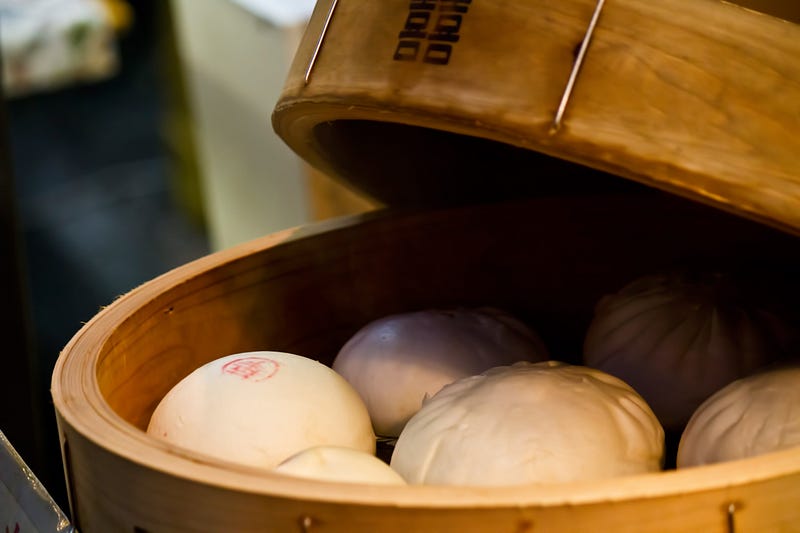
What’s the first thing you do when you arrive in Japan? Go to a hot springs onsen to relax from the long trip? Climb Mt. Fuji? Eat sushi?
For me, even before I get from the airport to the hotel, I stop at the conbini to pick up a nikuman steamed bun for dinner. When I take that first bite, juice running down my chin, that’s when I know I’ve arrived in the land of culinary delights.
Sure, sushi is more famous and ramen is super trendy. The ekibens are unique, and the tempura delectable. And who doesn’t love takoyaki? But I can’t get enough of that ultimate street food — nikuman 肉まん.
So this trip, not only did I head straight for Kobe’s Nankin-machi (南京町) Chinatown to gorge on my favorite treat, I found a place where we could make our own nikuman and get creative for lunch.
Nikuman, Butaman, Chuukaman, or Bao?
Nikuman is the Japanese version of the baozi (包子), a steamed bun from northern China. The name is believed to derive from mantou (饅頭), an unfilled steamed bun from the area. The Cantonese version, cha siu bao (叉燒包) filled with barbeque pork, is a popular choice at dim sum restaurants around the world.
Not only did the baozi lend itself to the scrumptious nikuman, but when filled with bean paste, became the ubiquitous Japanese manju.
Long before conbini made nikuman available on every street corner in the country, nikuman were popular staples of the Chinatowns around Japan, particularly Yokohama, Nagasaki, and Kobe.
Nikuman are a wheat flour-based bun usually filled with minced pork, onion, bamboo shoots, and shiitake, though recipes vary.
Because they have a pork-based filling, in Kansai they’re called butaman 豚まん (pork bun), though in Tokyo they’re known as nikuman 肉まん (meat bun). They’re sometimes also called chuukaman 中華まん, more generically meaning “Chinese food bun.”
It’s a bit ironic that the city of Kobe, famous throughout the world for Kobe beef, makes pork buns instead of beef, though there’s a historical reason. When the country opened in the Meiji era, Kobe was one of the main ports that traded with the outside world. The Westerners who moved to the city demanded beef, so cattle were raised in the rural areas of Hyogo prefecture to meet demand. The Chinese who moved to the city brought their pork-based food culture with them.
Making Your Own Butaman
Kōran 皇蘭 is a bustling restaurant in Kobe’s Chinatown. They also operate a small shop in the Kitano Kōbō no Machi (北野工房のまち), a former beer garden in Kobe’s famed Kitano-chō district now filled with shops selling some of Kobe’s most popular goods. This is where you make your own butaman.
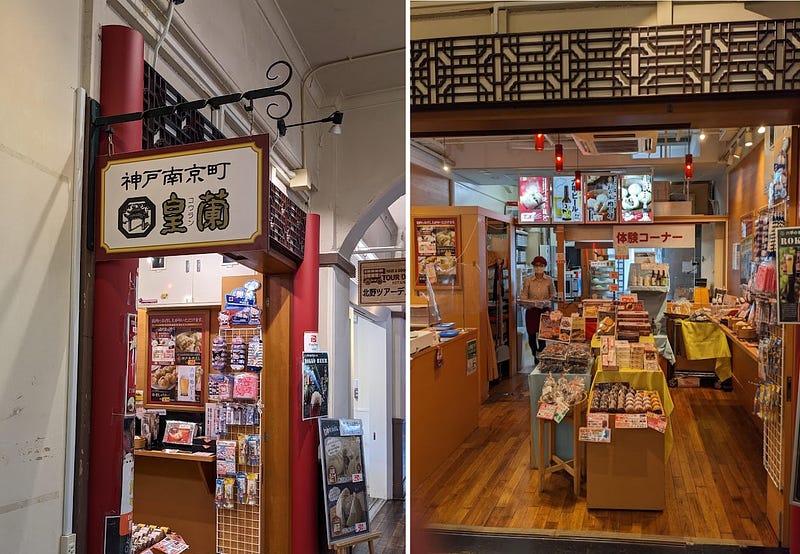
The butaman class takes place at 11 a.m. each day. Reservations require a minimum of 2 people, and are supposed to be made 2 days beforehand, though we called the previous day and were able to reserve a spot. It takes about 30 minutes to make 3 buns, then an hour for the dough to rise and the nikuman to be steamed before they’re ready to eat. The cost is ¥1980 per person.
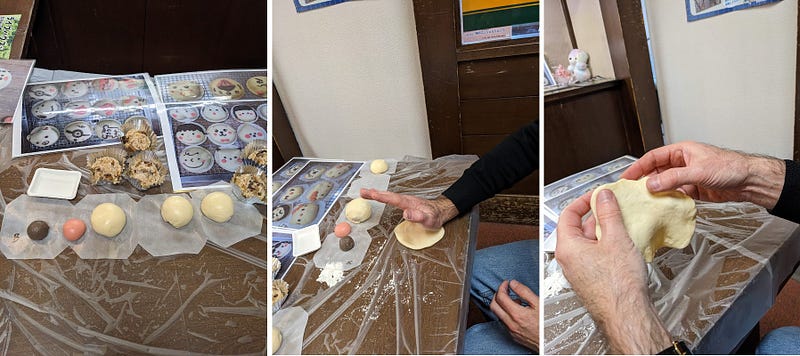
Making the butaman under the instruction of the Kouran guide is relatively easy. We start with a small ball of dough that we stretch it into a small disk, then using our fingers, stretch it further. It’s kind of like making pizza. Then we drop the filling onto the disk and fold the dough around it.
Using the extra brown, pink, and plain colored dough, we add a design to the bun. Lacking any artistic skill, I drew my initials, a clown, and what I intended to be a flag but came out as a random design.
My wife, however, can draw anything, so as part of my book tour for To Kill a Unicorn, she made a unicorn, a panda (the book was published by Pandamoon Publishing) and a picture of my face.
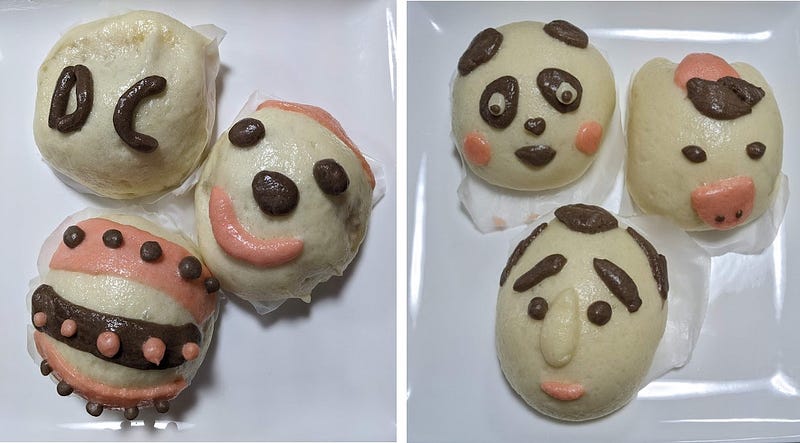
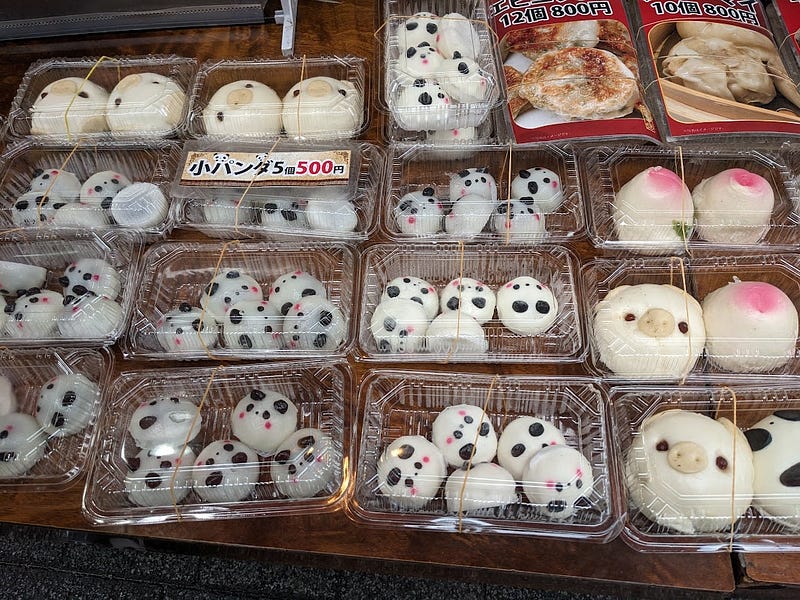
Pandas and pigs seem to be the most common designs, and they’re sold in the stalls of Chinatown. But with a little imagination, you can make a butaman of anything, even your favorite Japonica author!
An hour later, we returned to pick up our steamed butaman ready to each. How were they? Yum! Worth every minute of that 11 hour flight to get to the country.
The Best Nikuman in Japan?
Where can you get the best nikuman in Japan? According to these two taste tests, 551 Horai, the famous Osaka chain is the clear winner.
In fact, their biggest challenger for the title of best nikuman is their sister shop, Horai Flagship, which sells a different version of butaman. In Tokyo, look for Kagurazaka 50ban.
But which is your favorite? The best butaman in the country? Of course it’s the one straight out of the steamer that your wife made with a drawing of your face!
Itadakimasu!
Enjoy butaman? Then you’ll love my novel, To Kill a Unicorn, a mystery novel about a Japanese hacker working in Silicon Valley. Get your copy on Amazon today so I can buy more butaman buns.


