A masterclass on doors and creativity
Understanding doors will open new doors in your life
This article is all about doors — do not read if you are not interested in doors.
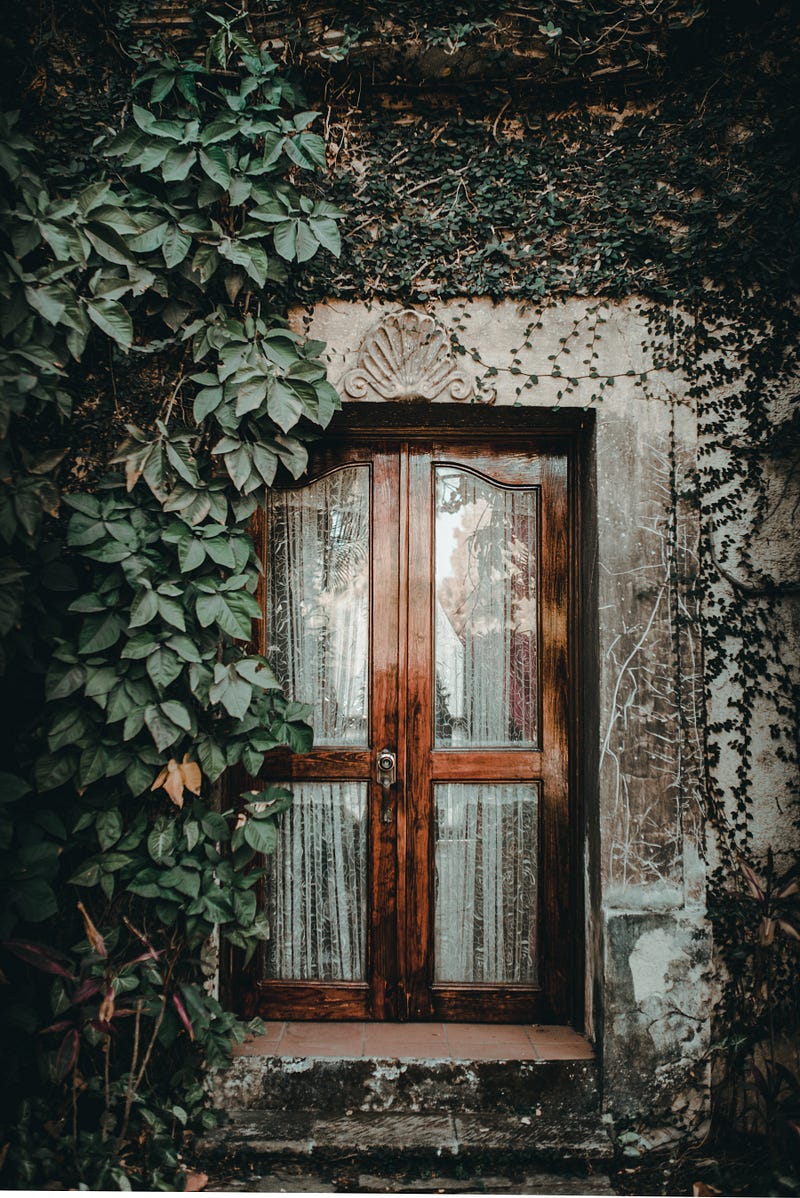
Welcome to the Door Article!
This article is about…. doors. No surprises there.
We will delve into the wonderful world of doors and try to become an expert on doors.
This idea came to me from a fascinating creativity workshop I attended in New York. You can read the details of this workshop here:
In this workshop, we were asked to take 7 photos of various doors in New York.
When I started taking photographs of doors, I was captivated by the process. I started realizing tens of details about doors that I have never realized before.
I have begun to realize different colors, shapes, materials, architectural styles, designs, door handles, doorknobs, and more.
I stopped and took a break from the crazy scene of New York. Focusing just on doors was revitalizing and refreshing for me.
I captioned all these door photos. I have given each door a different name and title. I used metaphors to describe some doors. I kept a ‘door’ diary. I captured my notes, observations, and thoughts on doors.
When you focus on doors and think only about doors, everything about doors becomes suddenly interesting and wonderful.
You start asking questions.
Are you ready to open Pandora’s Door?
Pandora’s Door: Thinking and wondering about doors using multiple perspectives
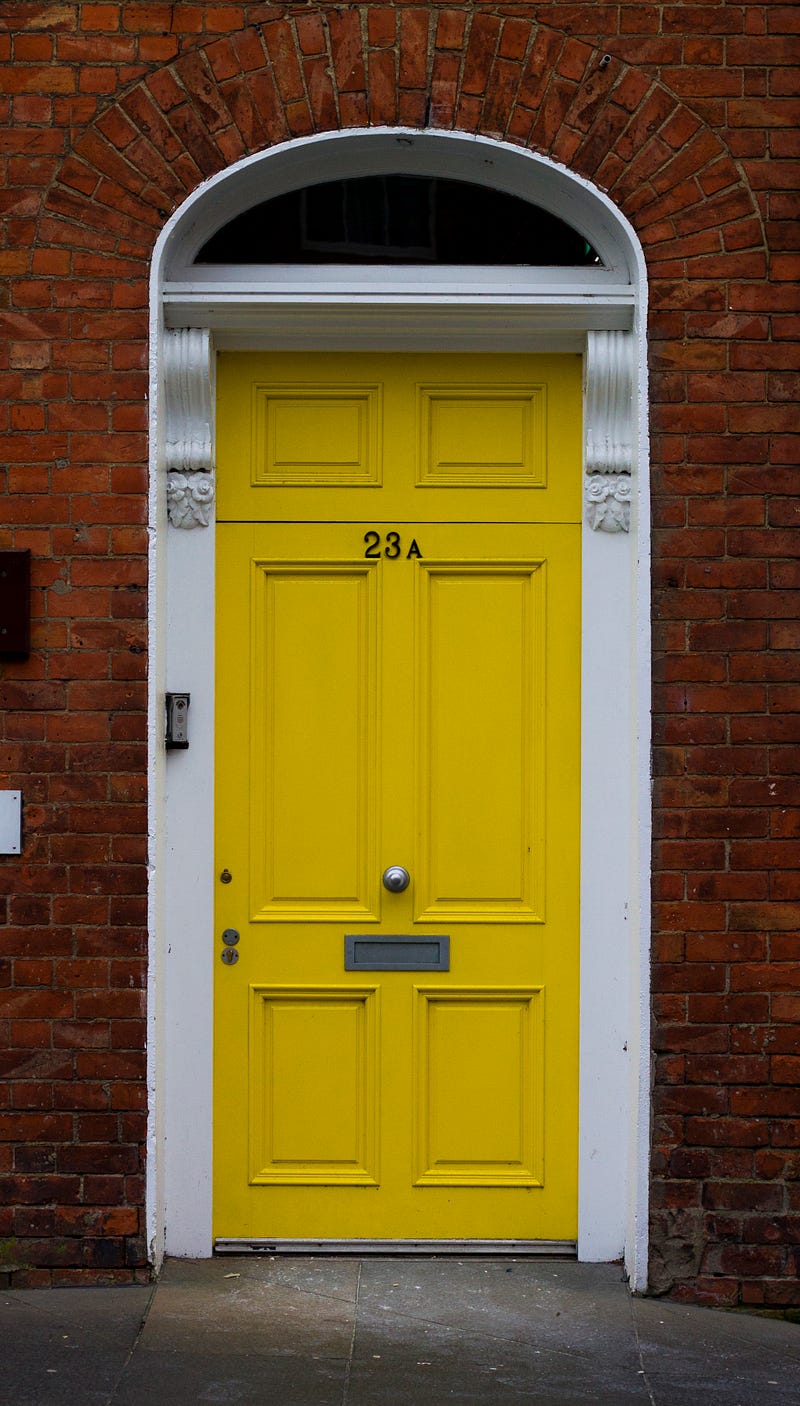
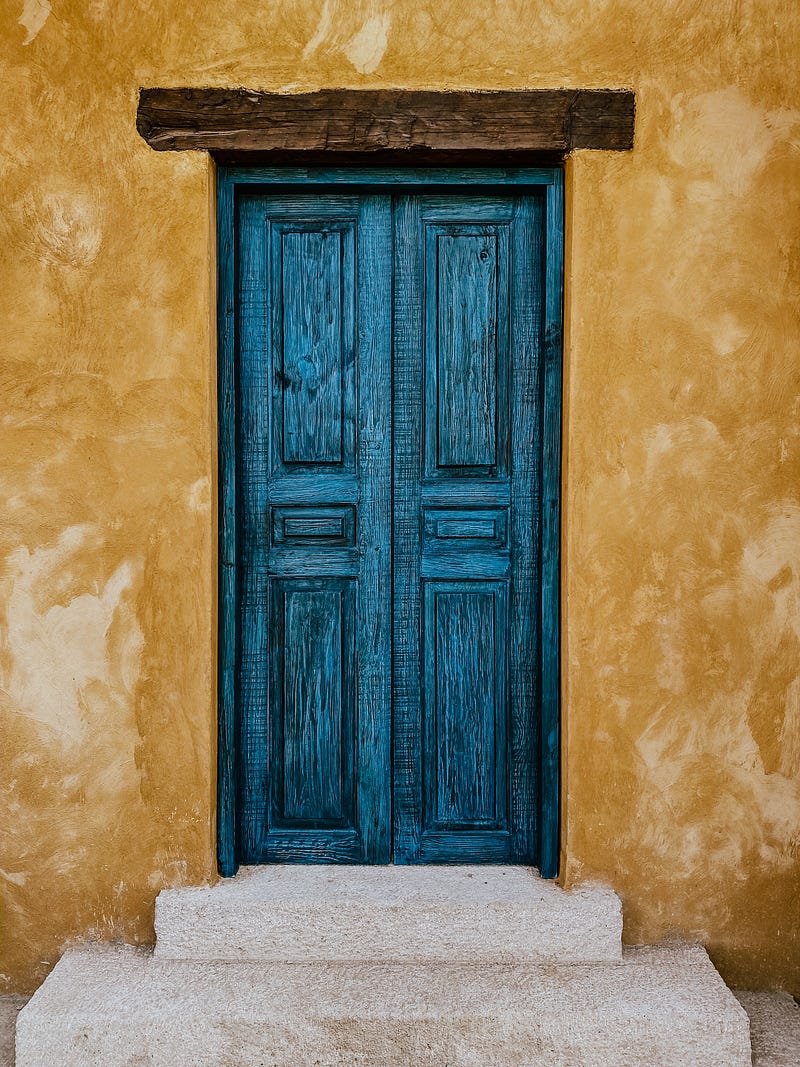
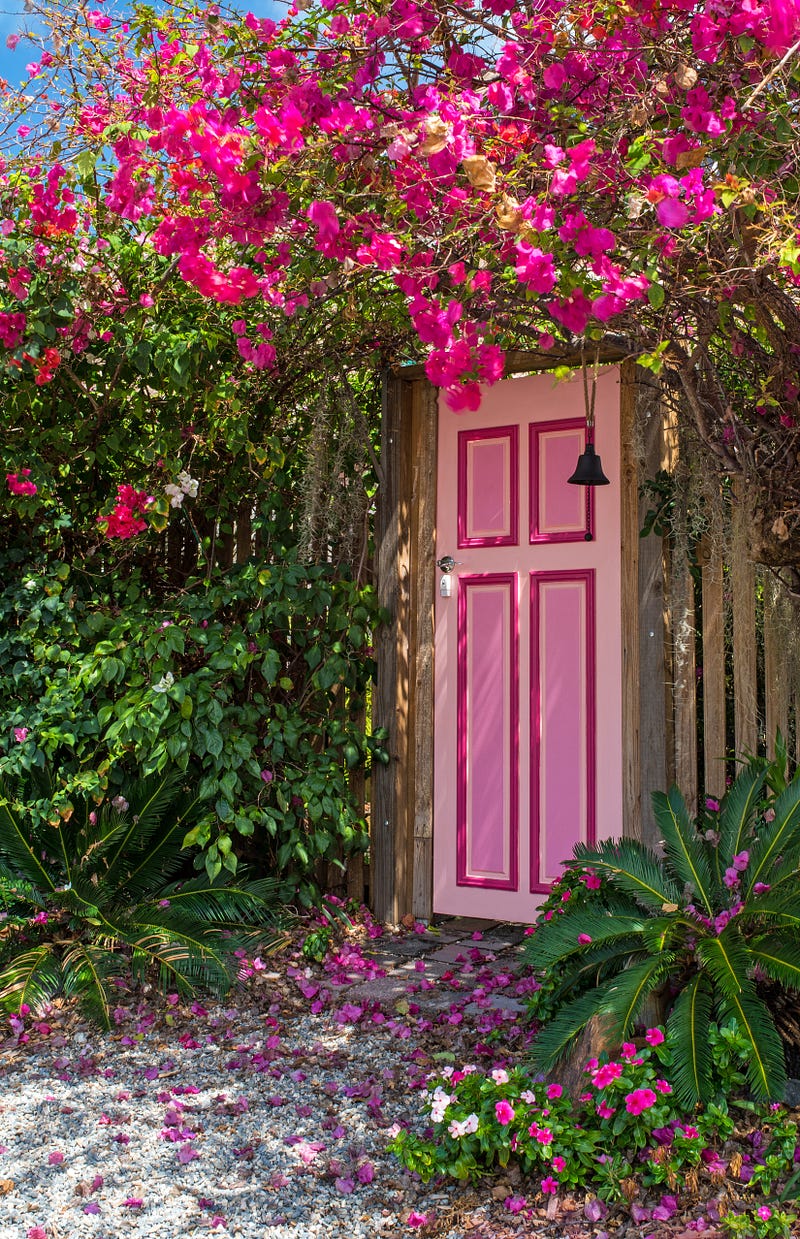
Let’s say you start with an open mind and you are curious about doors.
Whenever you start asking questions about doors, you will open doors to a world of fantastic possibilities.
1. What are the different categories of doors?
2. What are the parts of a door? How can we understand the anatomy of a door?
3. How can we incorporate doors into the curriculum to enable students’ creativity?
4. Can we rethink the future of doors? Can we imagine and design high tech innovative doors?
5. Can we turn old doors into new furniture? How can we repurpose doors?
6. Which doors around the world are known and celebrated for their beauty?
7. How about the history of doors?
8. What can we learn about doors from the perspective of an architect?
9. Can we link our brains and memories to doors? How?
10. What about the anthropology of doors? Has this ever been studied?
11. Would you like to design your own door? Do it here:
12. How about doors and mathematics? Can we link doors to probability theory, for example?
It turns out we can: Monty Hall problem.
13. Can we build smarter doors using artificial intelligence?
14. What do doors symbolize? Can we use doors as metaphors?
15. What about doors in literature? What can we learn about doors from literature?
16. Well, what about doors in films?
17. What about doors in religions and traditions?
18. Doors and music? Can we connect the two?
Well, we have the rock band: The Doors.
19. Can we get some visual and artistic inspiration from doors?
20. Can we think of a theatrical play focusing on or featuring the door?
21. What about the door and sales? Can we learn about door-to-door sales techniques, for example?
22. What about doors in outer space? How should we rethink them in the ISS, for example?
23. Can we build secret or hidden doors?
More examples of secret doors are here:
24. What about entrepreneurs and doors? Is there anything interesting here?
You bet! I found out that Amazon’s Jeff Bezos and his early employees recycled doors and repurposed them as desks:
25. What if you have seen doors in your dream? How can you interpret this?
“Doors represent hope, opportunities, new beginnings, transformation, secrecy, mystery and hospitality in dreams.”
26. What about bad doors? What makes a door really bad?
27. What about the future of the door? What can we learn here?
28. Can you exercise using a door frame? How?
29. How can we connect design thinking and doors? How can we teach design thinking by using the door as an example?
30. Can we use doors to improve photography skills?
31. Can we rethink doors through user experience?
32. What about doors and sustainability?
33. What about hospital doors? How do you design hospital doors?
34. What did authors write about doors? Can we learn from quotes on doors?
I will stop here, not because I am out of ideas.
I can literally continue until 100 ideas without much thinking.
However, this article will become more tiresome if I do continue.
As you can see, doors open up to wonderful worlds of learning. Once you start opening doors of curiosity, you will encounter new worlds.
You can get a ton of inspiration when you focus on just one thing: Doors, for example.
If you are inspired, here are some additional exercises for you. All of them are focused on doors (below).
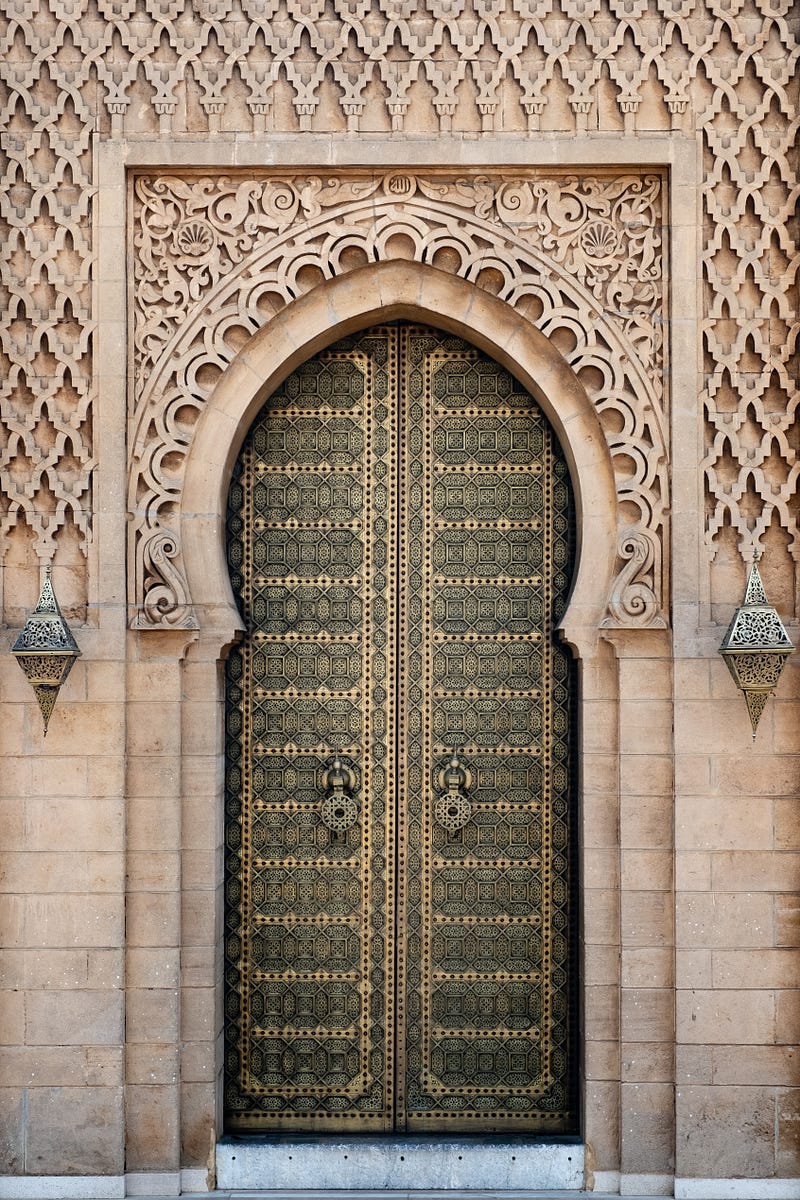
Exercise 1: Doors of creation
Try to create something new and fresh about doors. This might be an artwork, an essay, a video, a doodle, a performance, a poem, or a story.
Exercise 2: Exploring Doors in Your City
Walk around your city or town. You need your cell phone and an attentive eye for this project. Pay attention to the doors. Please find at least 12 different doors (of different styles, periods, colours etc.). Take their photographs. Tag each or give each a creative title. Did you learn new things that you have not realised before? What are they?
Exercise 3: A Door Opening to your Childhood
Imagine a door that opens to your childhood. Go down on your memory lane and find a sweet memory from your childhood. Perhaps this could be the door of the room that you played and spent time during your childhood. Enter the door now.
Where were you? How old were you? What were you doing? Were you alone or accompanied by others?
Describe your memory with all the details — make it vivid and rich. Write it down as a story. Why did you choose this memory? Reflect on its significance for you.
Exercise 4: Keeping the Door Open
Your job is to come up with at least 15 ideas that will help you to keep the door open when you need it.
Door stoppers? Door holders?
How about putting a bounded doctoral thesis on the floor to hold the door open?
Please create 15 ideas min.
Write them down.
Exercise 5: Magic Door Exercise
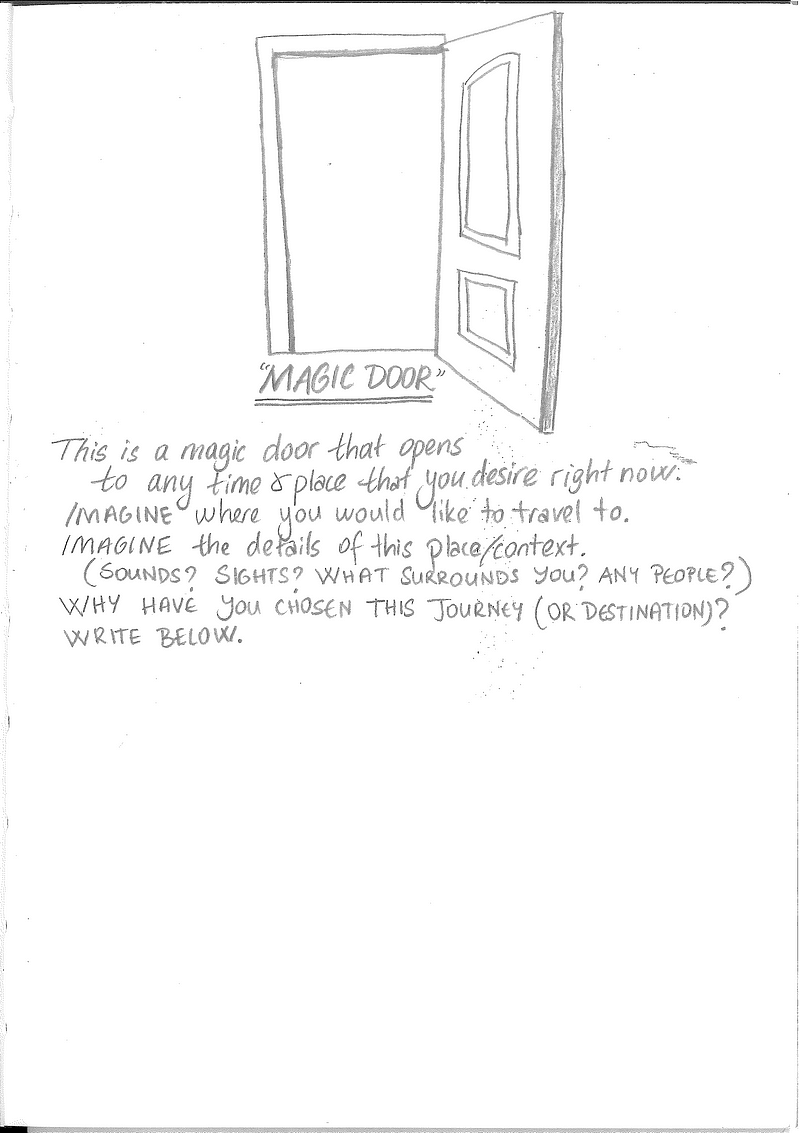
Imagine 9 doors opening to 9 different worlds that are exciting, refreshing, stimulating, or calming for you.
These could be your favorite places or holiday destinations.
Or, you can travel to different time periods in history using these doors.
Where would you travel to? What happens after you open the door and you enter this world?
Capture your daydreams, mental images, and scenarios.
You can write, draw, doodle, or create storyboards.
CODA: The back door of this article
This is all folks!
This is enough about doors people — please stop reading about doors now and get a life:) Just kidding:)
I hope you enjoyed the doors this article opened for you.
When you think about it, this article is not actually about doors. I lied to you! I deceived you! (evil laughs).
This article is actually about the power of curiosity and imagination.
It is about asking questions.
It is about transcending the realm of the mundane and transporting yourself to new realms of wonders and possibilities.
It is about thinking beyond borders and disciplines.
Doors might symbolize boundaries, but perhaps they are not.
They might actually be bridges that will take us to new, fresh, exciting worlds of imagination.
I hope we can keep the doors of our imagination always open.
Sincerely;
Fahri
Fahri Karakas is the author of the Self-making Studio. You can explore more here.


