
This Door is the Epitome of User Experience Design
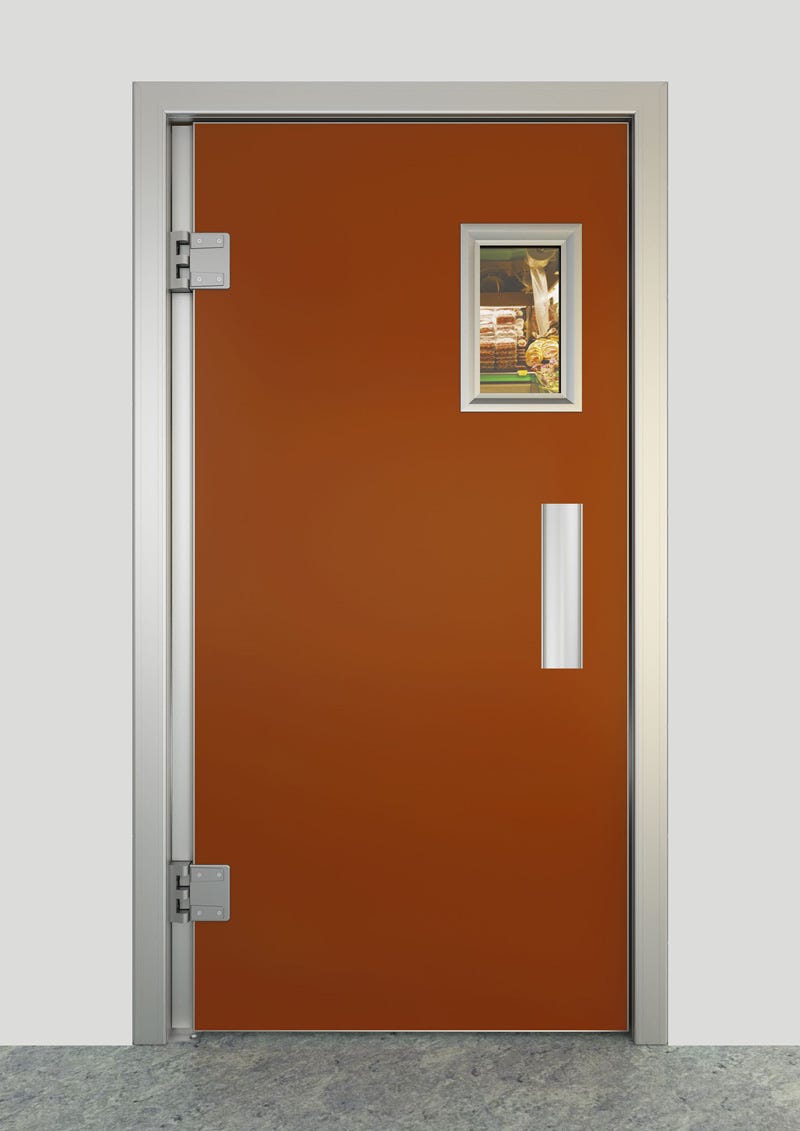
So why do most software companies struggle to adopt its brilliant formula?
It’s a door
You’re right. It is just a door. There is nothing special about this door whatsoever. It opens. It closes. It occupies a space between two disparate rooms, allowing people to pass from one side to the other, like most doors do. It does nothing out of the ordinary.
So why is it so good?
- You know where it will take you, and what’s waiting for you on the other side
- You know where to push for the path of least resistance
- It has great accessibility — you don’t even need to use your hands
- It closes for you, automagically
Now, let’s look a little closer
Consider this door’s components: Some serve little to no functional purpose. Some even appear to contradict its purpose. But together, these components create a magical experience.
- The steel plate has created a learned behaviour and now provides critical information about the door — telling people what it is (a push door) and where to push — without offering any purely functional benefits
- The window provides a glimpse of what’s on the other side, without completely disrupting the privacy of either side
- It’s simple to close a door. Nearly everyone can do it. But automating this process has many great benefits; improving accessibility; reducing cognitive load; making the experience seamless.
And yet, most software companies would never build this door
Why is this? To me, you and the vast majority of people we know, this door makes perfect sense. Of course it’s built this way! Why wouldn’t it be? But give the original problem this door solves to a typical software company, and many of its now core components would be stripped back — forgotten.
- The steel plate would be removed. It serves no functional purpose and requires additional resources to design and implement.
- The window would either be removed, or the door would be made of a transparent material. People either need to see through it, or they don’t.
- The door wouldn’t close itself automatically. This is a delighter and would be hideously de-prioritised because closing a door is too simple to bother automating (especially considering the additionally required resources to make this happen).
These are just some of the typical discussions I would expect to have around this problem/solution working at a typical software company:
“Firstly, let’s put a sign saying PUSH — so that people know how to use it.”
“The cost of the steel plate far exceeds any perceived benefit for the user.”
“Do people need to see through it? If they do — let’s make it see through. If they don’t — let’s make it solid.”
“How hard is it to close a door?”
“What if some people want to leave the door open? It would be best to let the user decide how they want to use it, instead of automating the process.”


