
Travel, Spirituality, Buddhism
Under the Bodhi Tree
Exploring Bodh Gaya, India, where Buddha found enlightenment
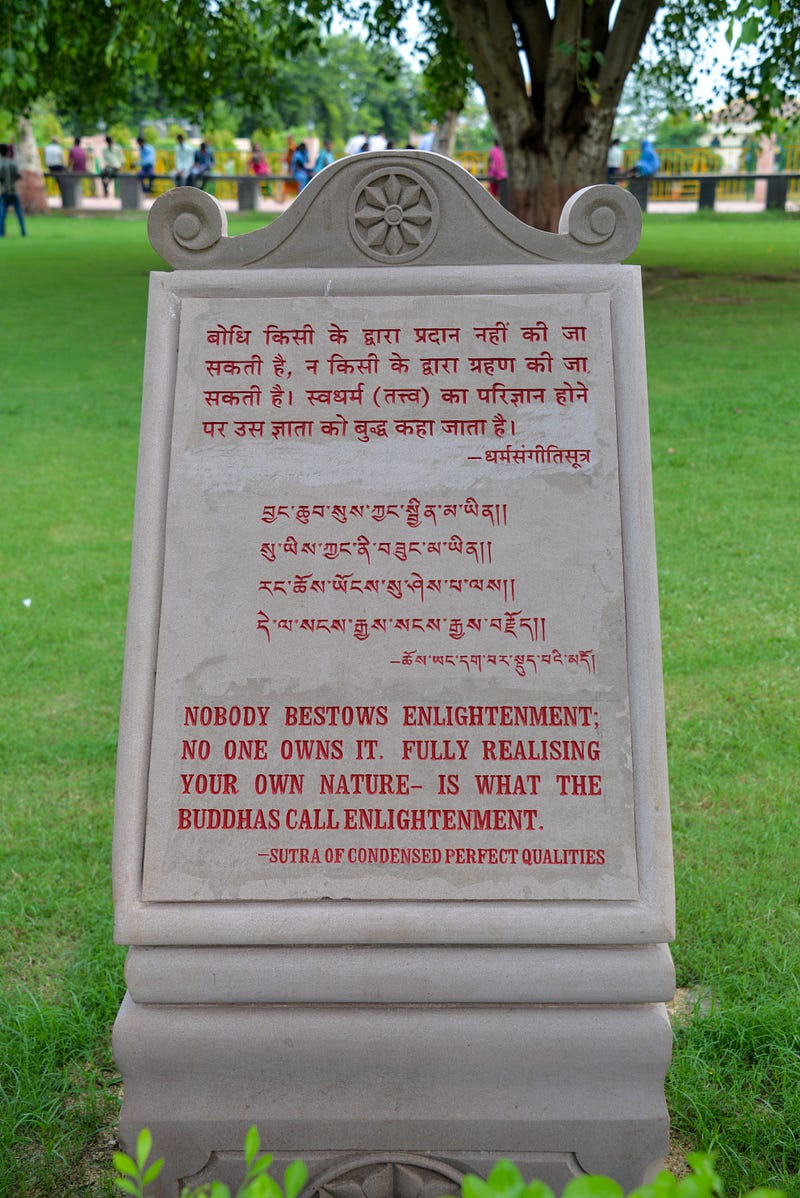
Nobody bestows enlightenment: No one owns it. Fully realizing your own nature is what the buddhas call enlightenment.
— Sutra of Condensed Perfect Qualities
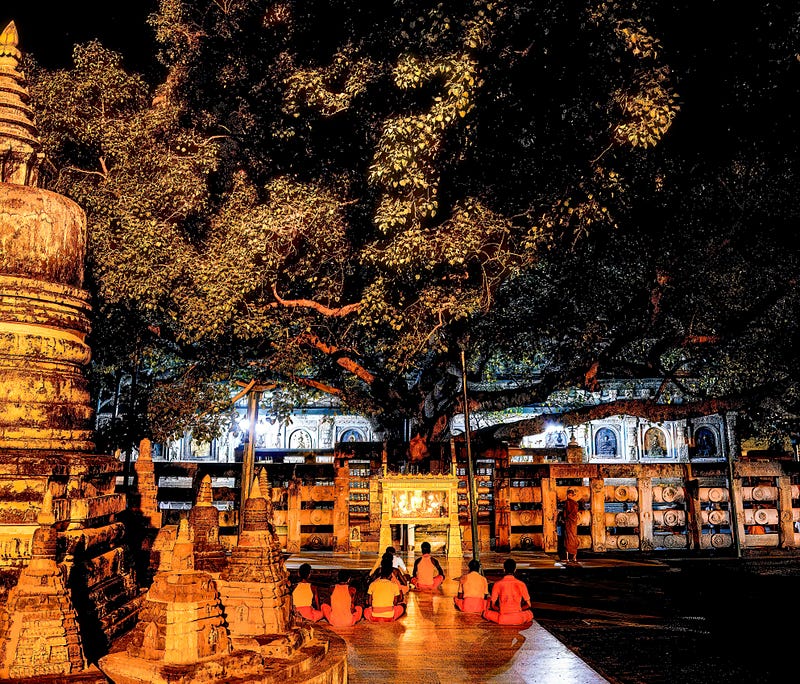
It was the birds, and their absolute ordinariness, that struck me. At dusk, when I joined the other meditators under the sacred Bodhi Tree, the birds came in to roost for the night.
Everyone around me had their eyes closed and bore a look of utter transcendence upon their faces. But I could not stop watching those birds.
A coating of salt-slicked sweat sheened my skin. The heat and the bugs pressed in on me. My clothes were damp, but dehydration zinged through my tired limb. Humanity buzzed all around me. The journey here had been tough. A window, directly across from me, had unexpectedly blown out of the bus I was journeying on. In the midst of a heavy rain, it had been duct-taped back on.
We had arrived late. But I was here, under the Bodhi Tree.
The heat, the clash of sounds, the crowd of humanity, pressing in on me —
I couldn’t breathe.
We all came to see Bodhgaya, where Buddha denied the paths of austerity, and of living for prosperity, and taught us the middle way.
Beneath the Bodhi Tree, I sat, staring up at the birds and the leaves.
It seemed odd, at first, to me that those ordinary birds would be in this tree.
It was almost like they could sense its energy.
But then, I saw, this was not unusual at all.
For nature would not be in awe of herself.
The tree and the birds are part of the same, the same form, but with different names.
I looked away. I closed my eyes. Everybody else was meditating.
But where was I?
I was with the birds. For me, their very presence in such a sacred site was what would remain in my impressions of this place. To me, nature and spirit are not separate things. Their names may differ. But they are both forms of the same source.
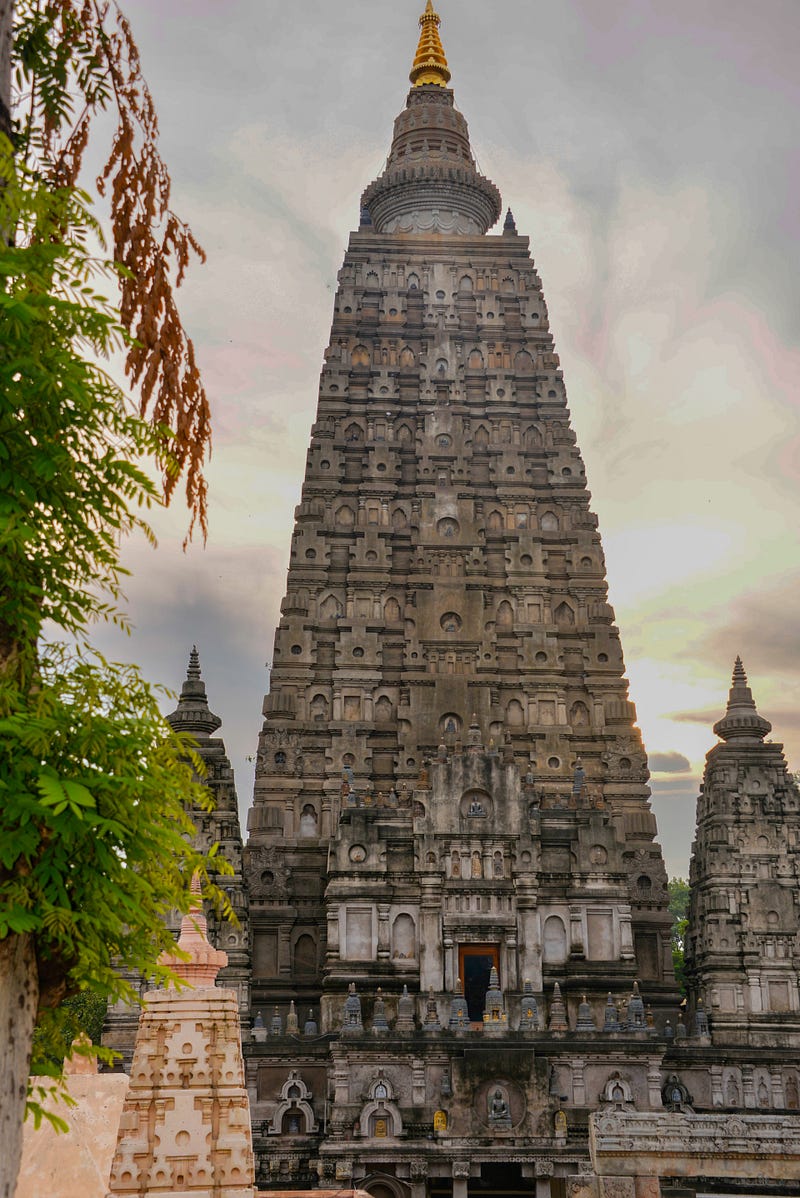
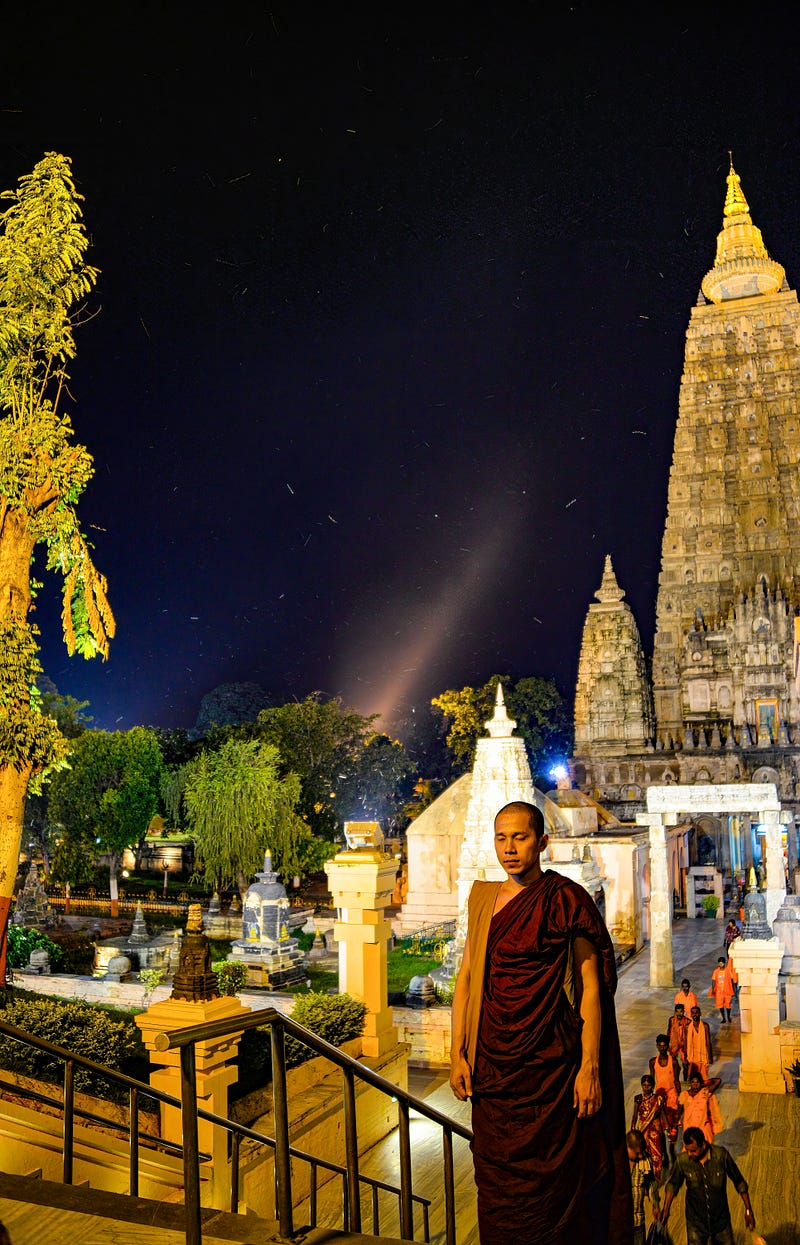
Above me, towered the Mahabodhi Temple Complex , first built by Emperor Ashoka in the 3rd century B.C.. The temple which stands today is newer, dating from the 5th or 6th centuries. Built entirely of brick, it is one of the earliest Buddhist temples still standing in India.
It is blackened by soot and by time. And it rises high above the shimmering heat of the plains. It depicts something I believe in — that the way to peacefulness is not through austerity, or through indulging the senses, but is to be found in the “Middle Way.”
This inner peace cannot be given to you by anybody else. It can only be found by you.
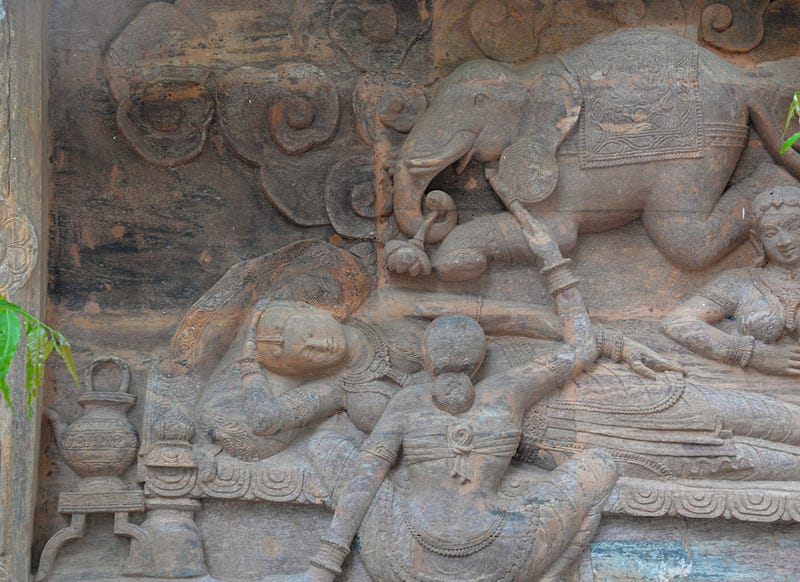
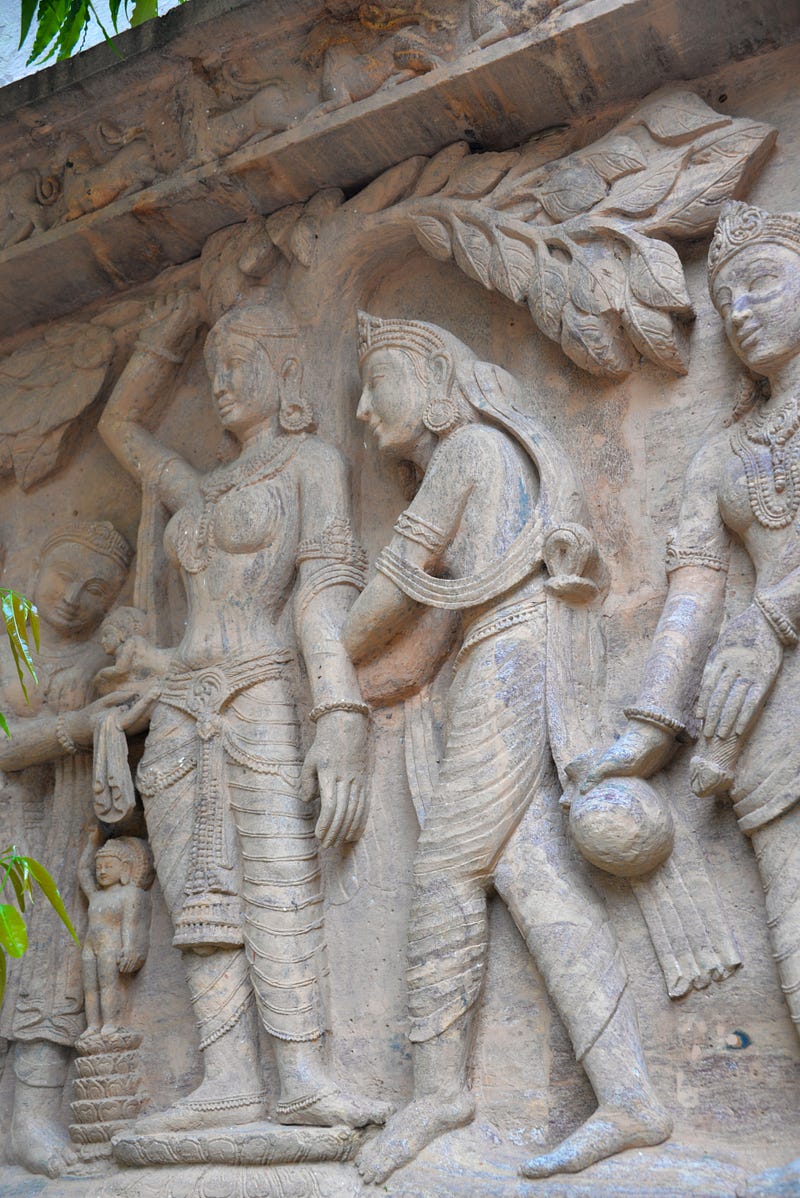
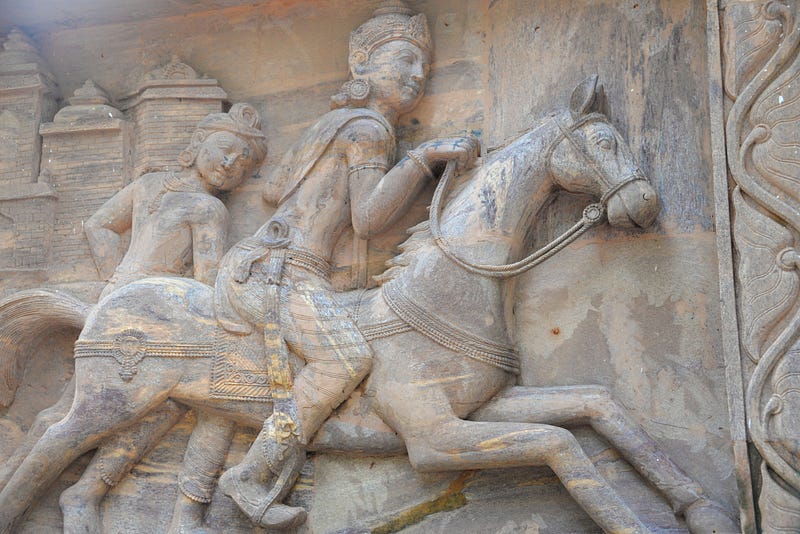
Several stone panels depicting Buddha’s life adorn the temple. The first is of a dream Queen Maya, his mother, had about a white elephant with six white tusks entering her right side. From this dream, soothsayers predicted that the child would be born a Buddha or a chakravarti (universal ruler).
Legend has it that Buddha was, miraculously, born from her right side.
When he was twenty-nine years old, Prince Siddhārtha Gautama, who had been kept in comfort within the palace walls, for the first time in his life saw what would become known in Buddhism as the four sights — an old man, a sick person, a corpse, and an ascetic.
After much contemplation, he fled the palace at night and took up with a group of ascetics. However, he became disillusioned with the extremity of this path and left that way of life.
After much wandering, he arrived at the Bodhi Tree on the banks of the Phalgu River. He was so skeletal that he could barely sit for meditation.
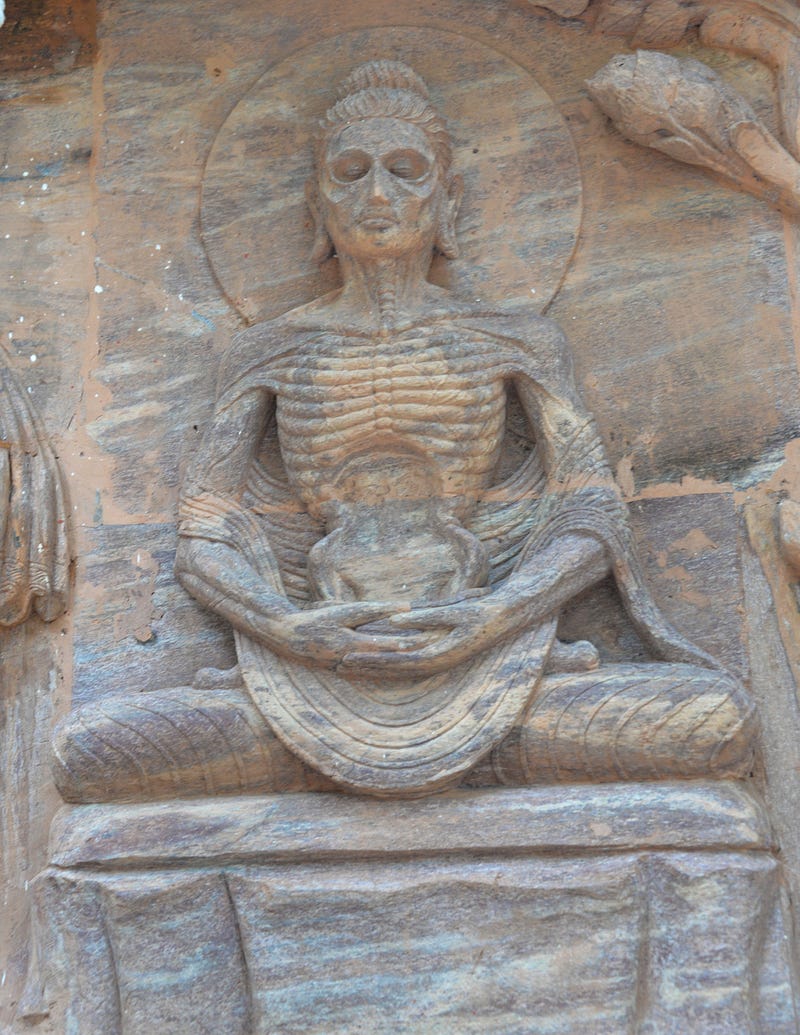
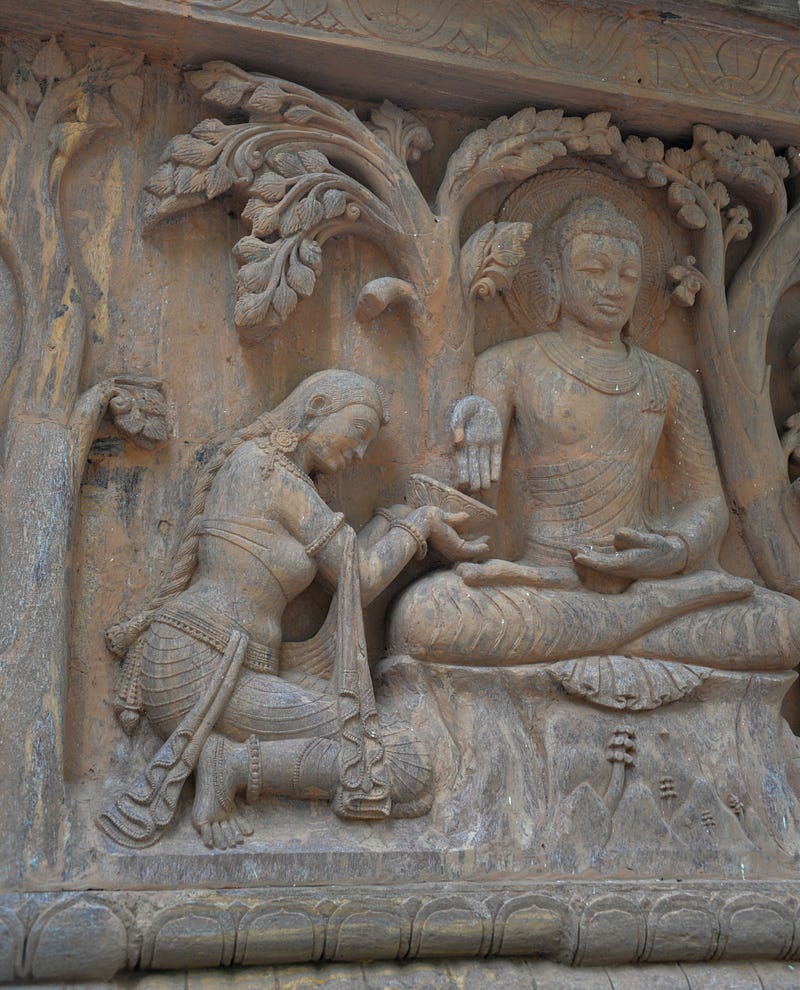
The Buddha-to-be was seen by the servant of a local noblewoman who, thinking he was a tree spirit, presented him with a bowl of rice and milk.
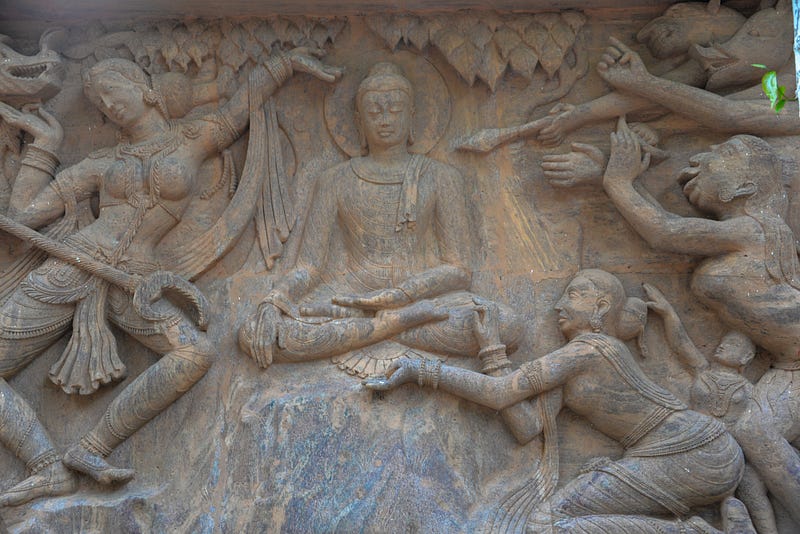
This nourishment allowed him to continue to meditate under this tree and to fend off the attacks of the demon Mara — who sent both his demonic armies and his daughters to distract the meditating Siddhartha Gautama.
On that fateful night, the Buddha attained enlightenment. He was asked to provide a witness to this miraculous feat, and he touched the earth with the fingers of his right hand, calling the Earth Goddess to witness.
Today, you can find Buddhists from all over the world seeking comfort in meditating beneath a descendent of that original tree.
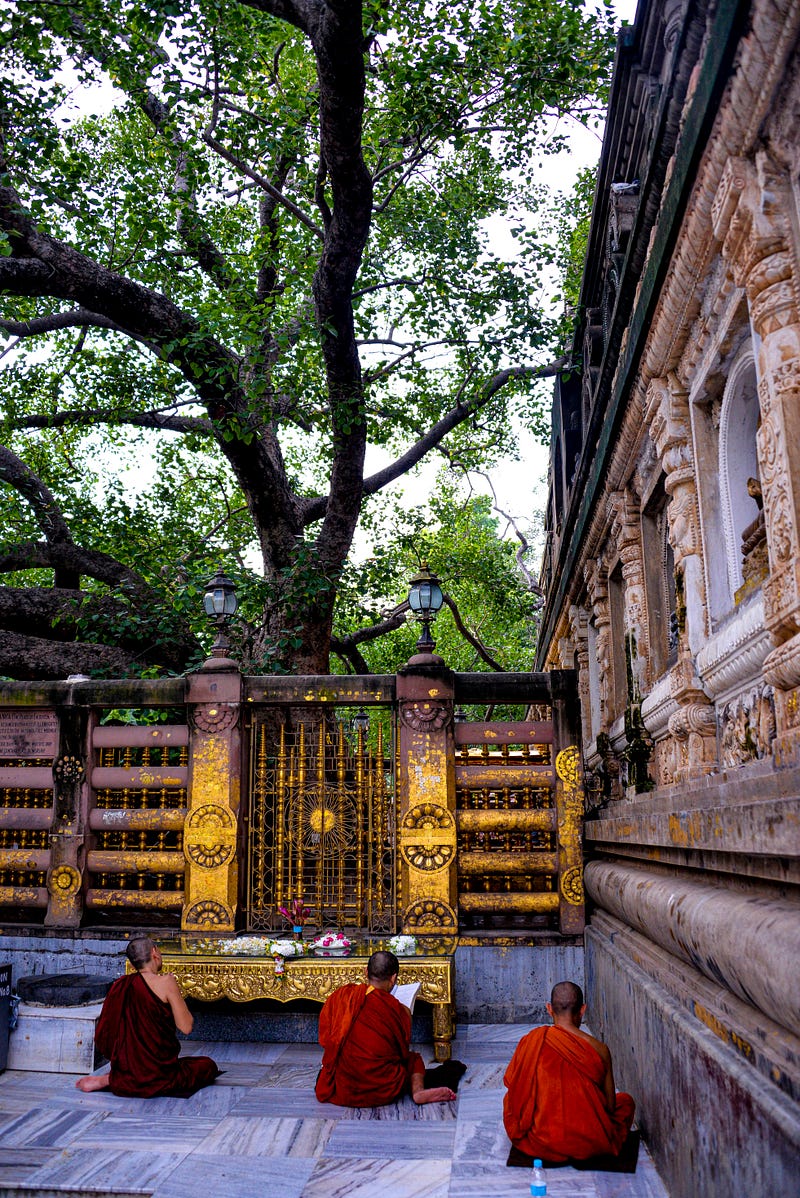
Although the original Bodhi Tree, under which Buddha sat for seven weeks before attaining enlightenment, no longer exists, the tree which stands here today is a descendent of that original ficus tree.
A cutting of that tree was brought to Sri Lanka by the daughter of King Ashoka (3rd century B.C.E.), who is known for converting from being a warrior to being a follower of Buddha. Remnants of that cutting have been carried all over the world — to Hawaii and Vietnam, to Japan, to the Philippines, to Australia, to California, and back to where it came from, Bodh Gaya.
Wandering the grounds, I was struck by the sense of peace permeating the site. The words of this plaque really resonated with me. I love the idea that no one can bestow enlightenment upon anybody. It is something which we can only discover for ourselves.
Legendary tales say that six weeks after the Buddha began meditating under the Bodhi Tree, the heavens darkened for seven days, and a prodigious rain descended.
The king of serpents, Mucalinda, emerged from beneath the earth and spread his mighty hood to protect the one who is the source of all protection. When the great storm had cleared, the serpent king assumed his human form, bowed before the Buddha, and returned in joy to his palace.
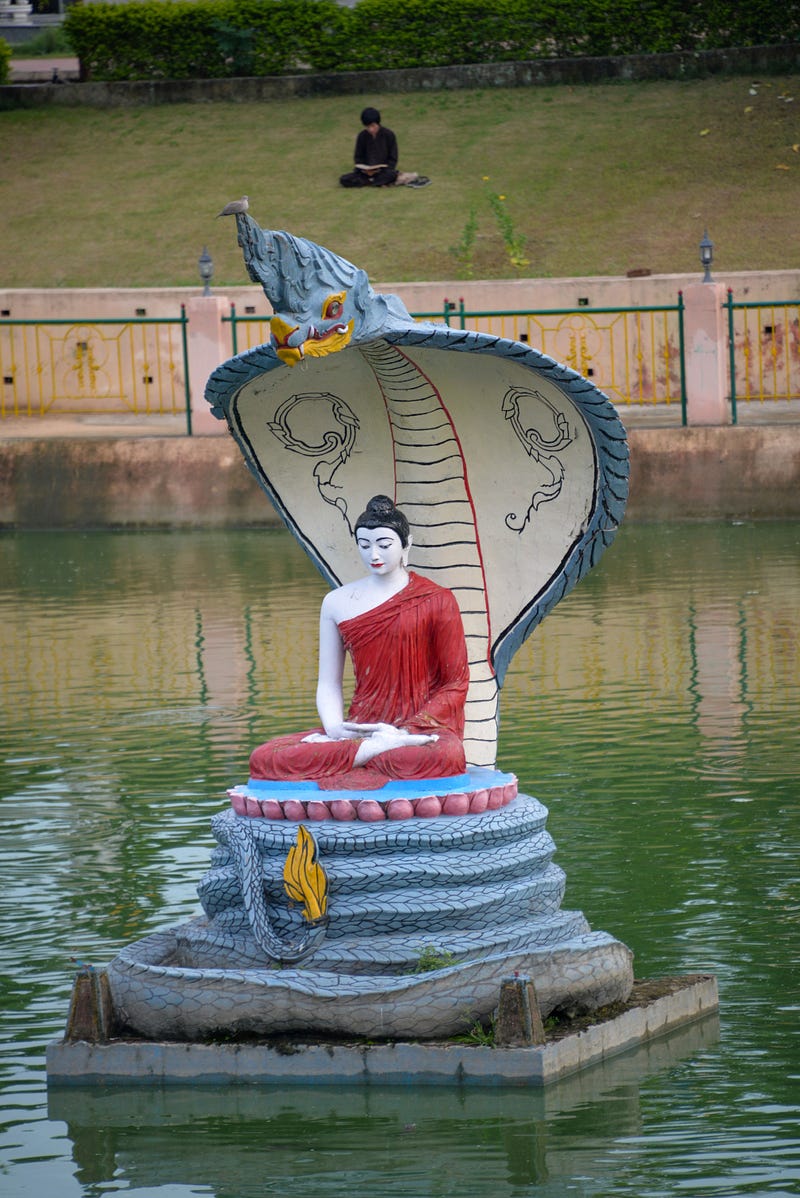
This statue appeared, to me, to be both ancient and modern in origin.
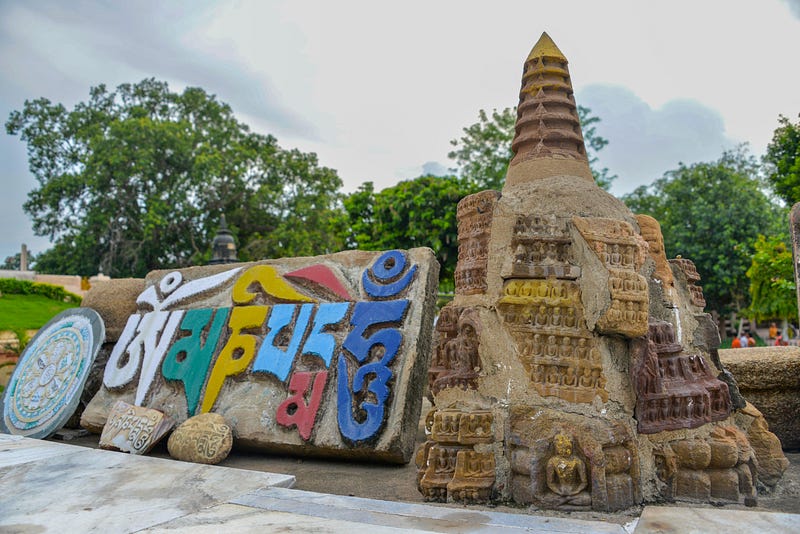
Stupas capped with gold dotted the landscape.
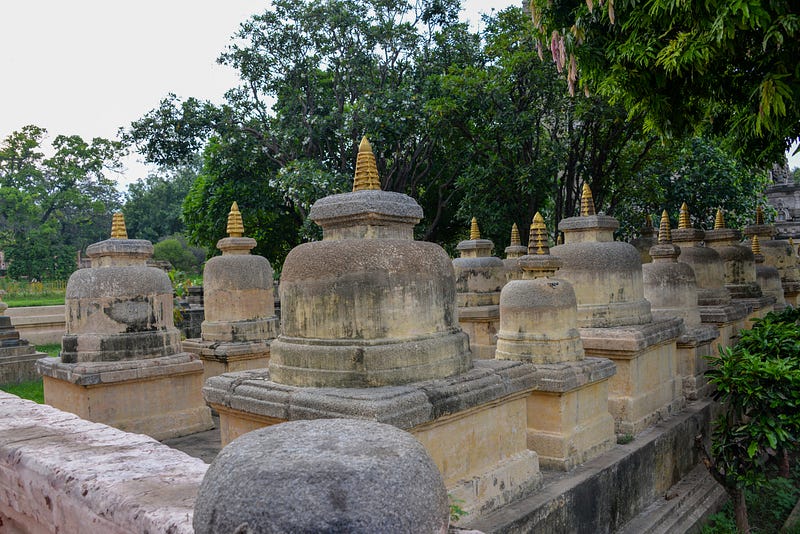
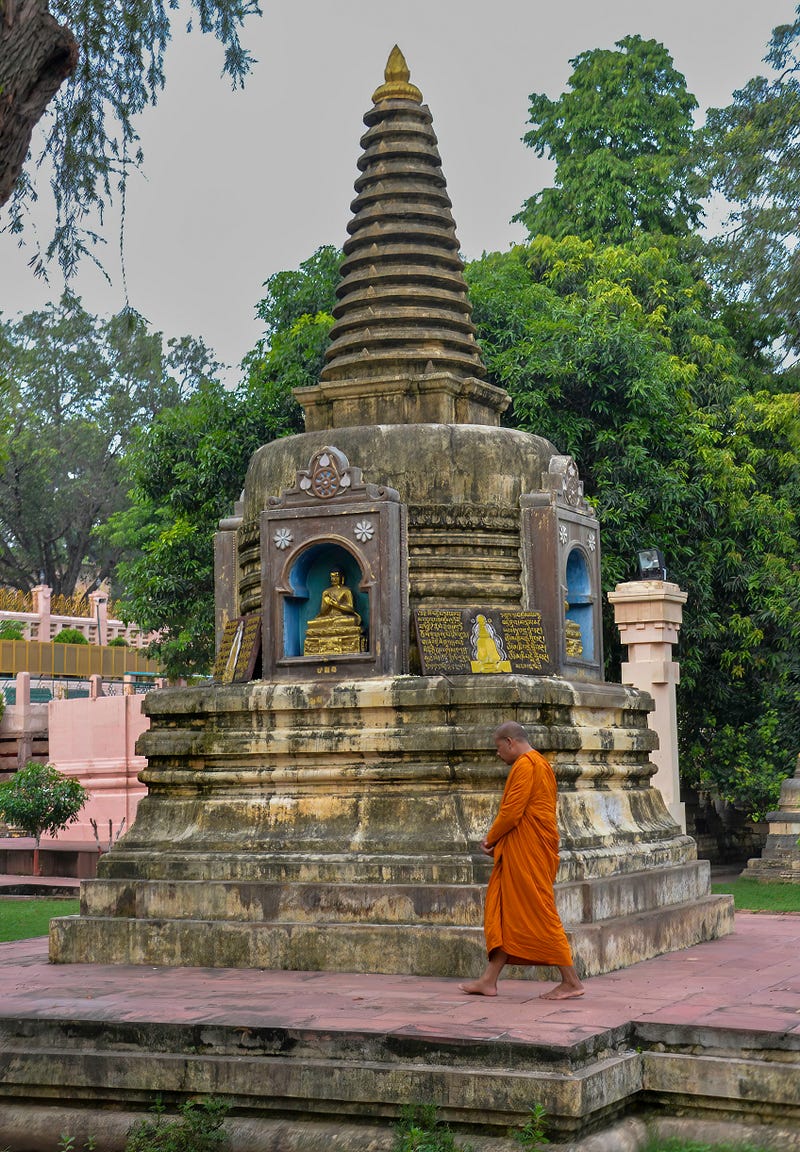
Devotees from all over the world circumambulated the main temple and the smaller shrines.
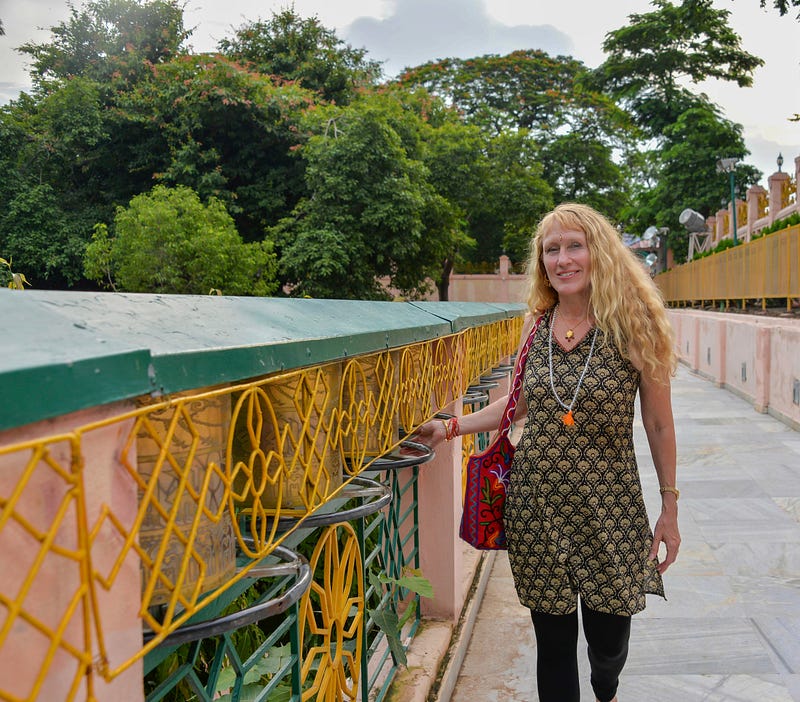
I took my own turn spinning the prayer wheels.
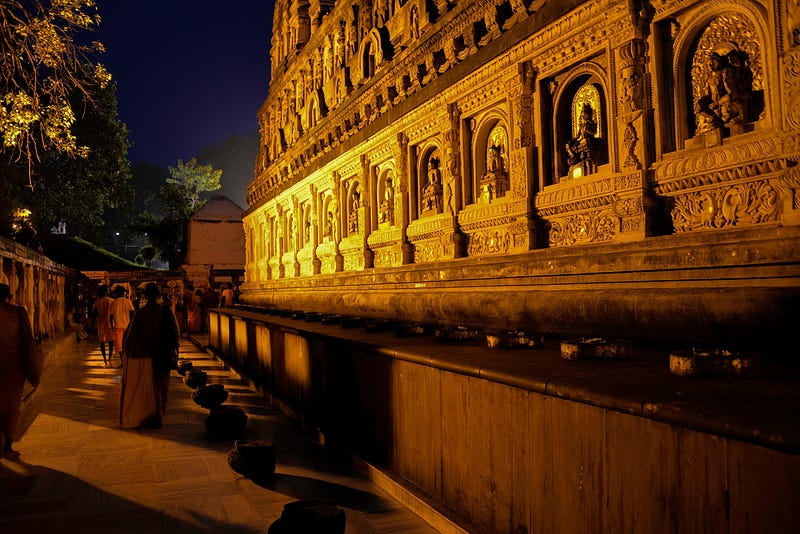
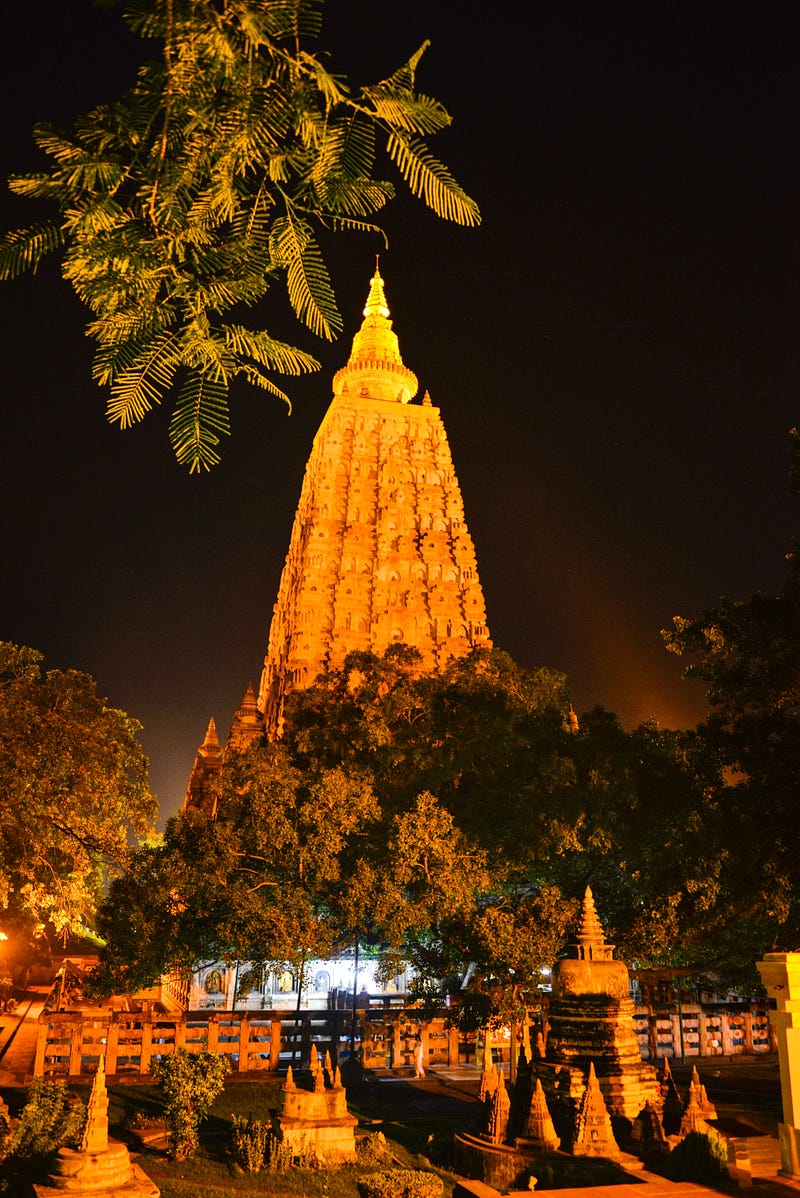
But it was at night when the place really lit up. The ancient walls glowed against an indigo sky.
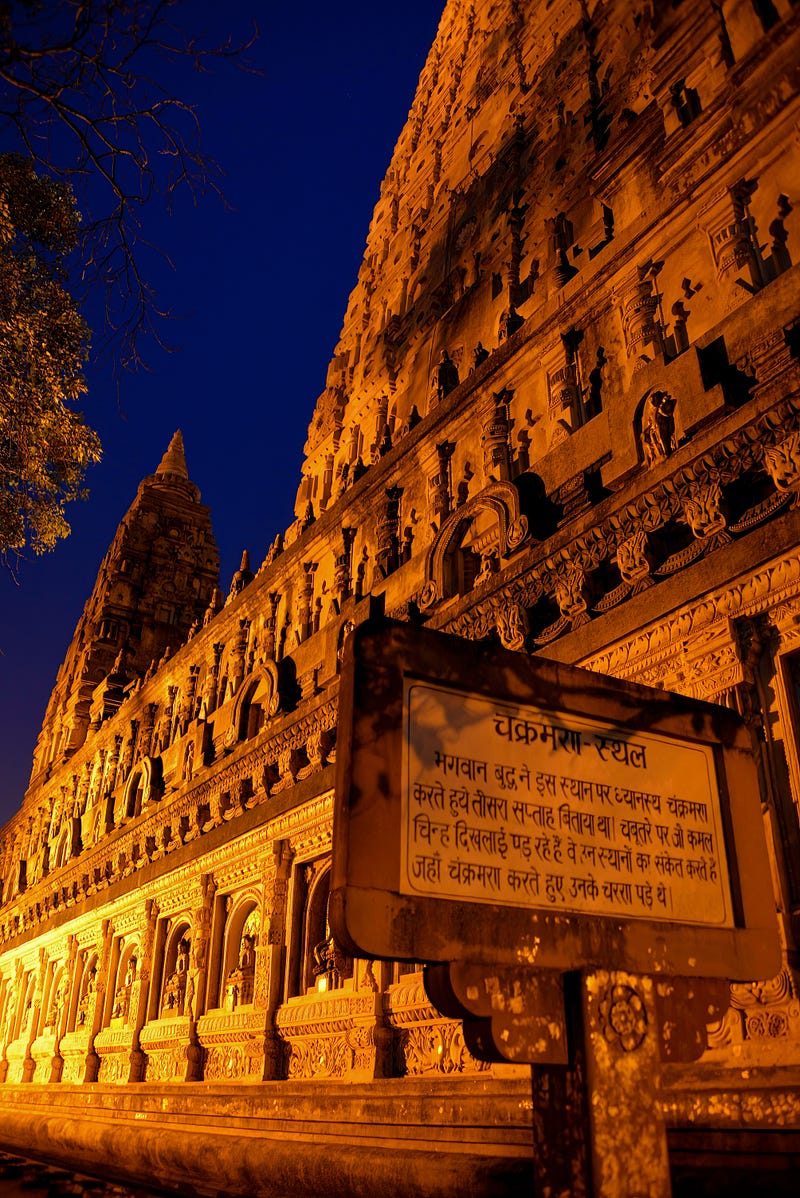
And the circumambulations seemed to take on a new energy.
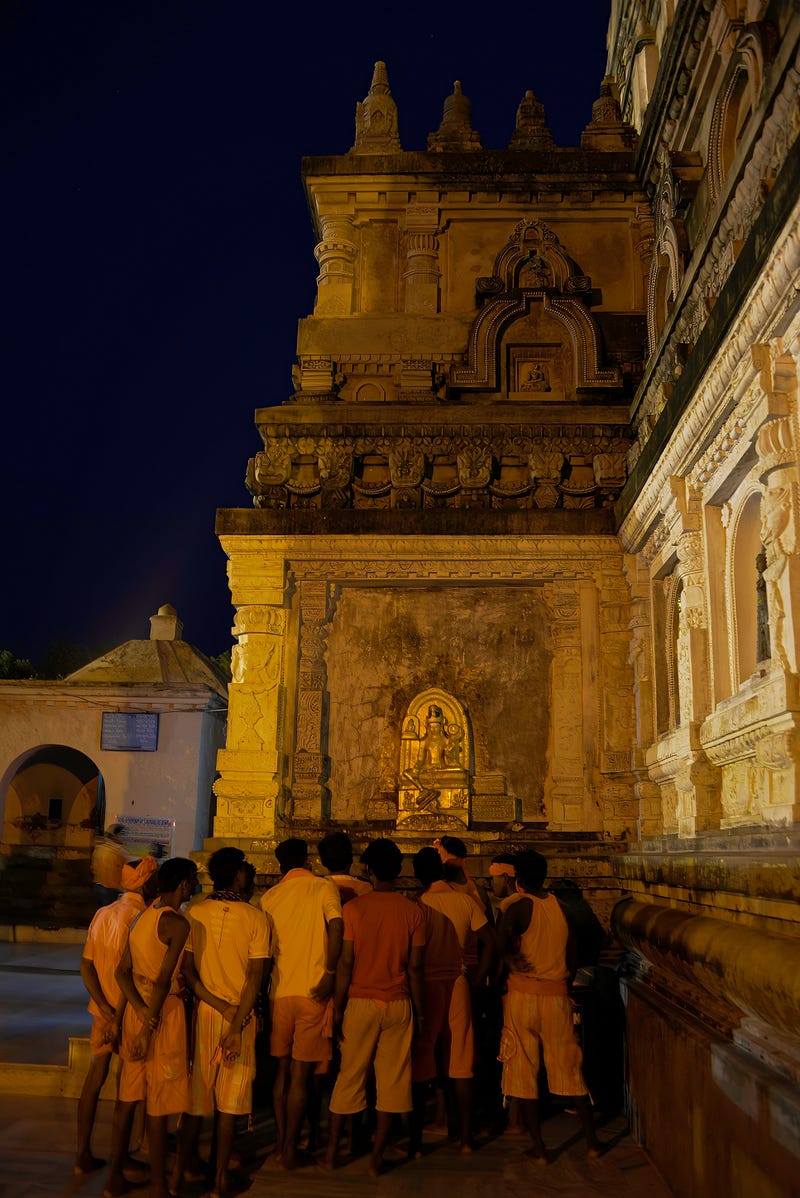
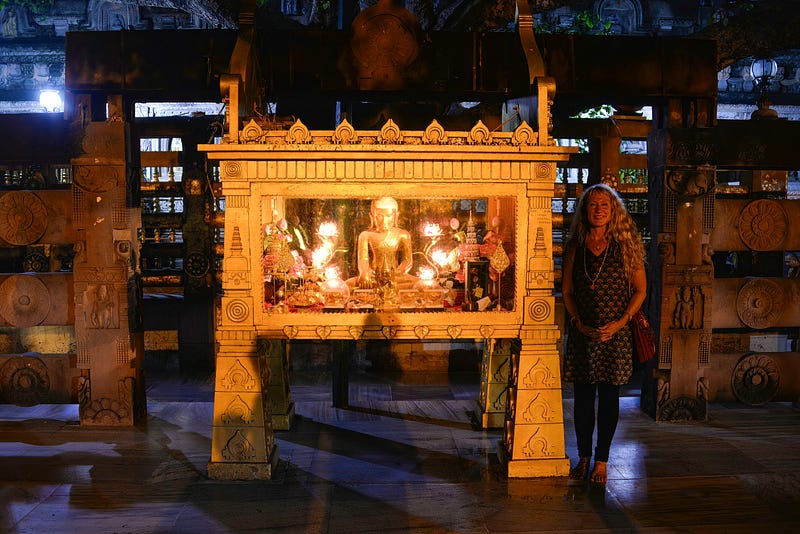
I was struck by this group of young men enrapt in study of this golden Buddha.
From a distance, you can really understand the immensity of the temple. The sandstone railings surrounding it seem to anchor it both in space in time. They, too, are very old, dating to around 150 B.C.E. and are from the Shunga Dynasty.
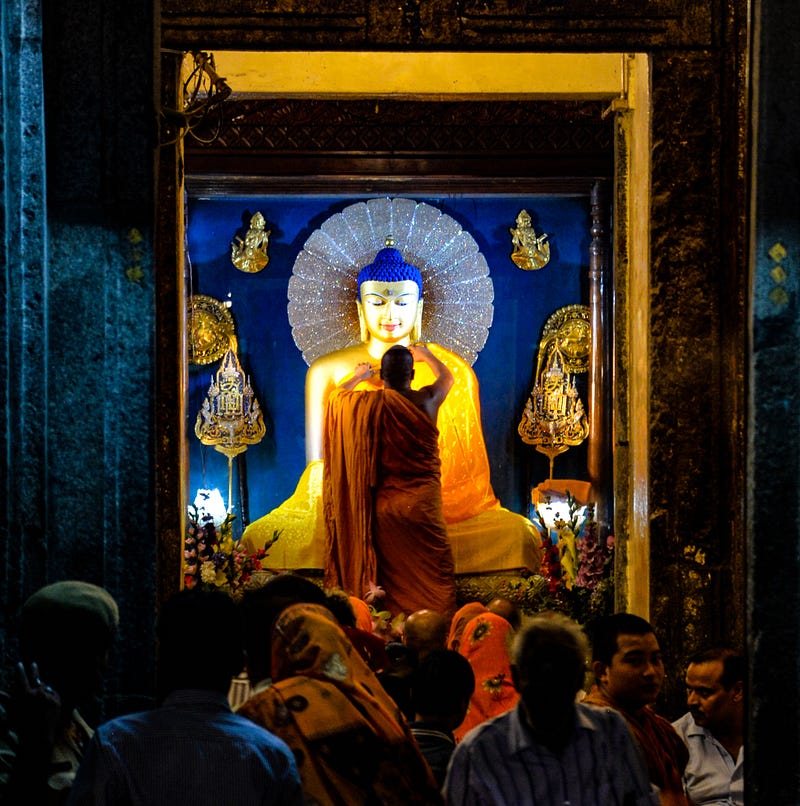
Watching a monk dress the Buddha for the night nearly moved me to tears. His tenderness, reverence, and utter devotion attracted a throng of devotees.
One of my teachers, whom I had traveled here with, and who had been here many times, asked me to come walk through town with him. As I turned to leave, I caught sight of this young monk climbing the steps. Rapture etched his face into something that should have been carved into stone.
The birds had already fallen into silence for the night when I left. But the memory of them coming in to roost, which I might not have seen if the journey to this sacred place had gone as planned, has stayed with me.
Sometimes the best things in life happen when you least expect them to.
Erika Burkhalter is a yogi, neurophilosopher, cat-mom, photographer, and lover of travel and nature, spreading her love and amazement for Mother Earth’s glories, one photo, poem or story at a time. (MS Neuropsychology, MA Yoga Studies).
Thank you to Anne Bonfert for the Globetrotters “Spiritual Sites” prompt:
I also really enjoyed Dan Carlson’s story about ancient Greenland:
Bebe Nicholson and I also share a love of old cemeteries:
This also serves as my “B” in my “A to Z” travel destinations, which many other Globetrotters writers have been participating in.
If you enjoyed this piece, you might consider subscribing to my stories. You’ll get an alert whenever a story gets published.
Photos and story ©Erika Burkhalter. All rights reserved.


