
The Spiritual Power of Cemeteries
We receive messages from the grave if we pause to listen
When I retired seven years ago, the change was abrupt. Although I was happy to be free of a job that had begun to chafe at my spirit, I wasn’t used to unstructured, unfilled days.
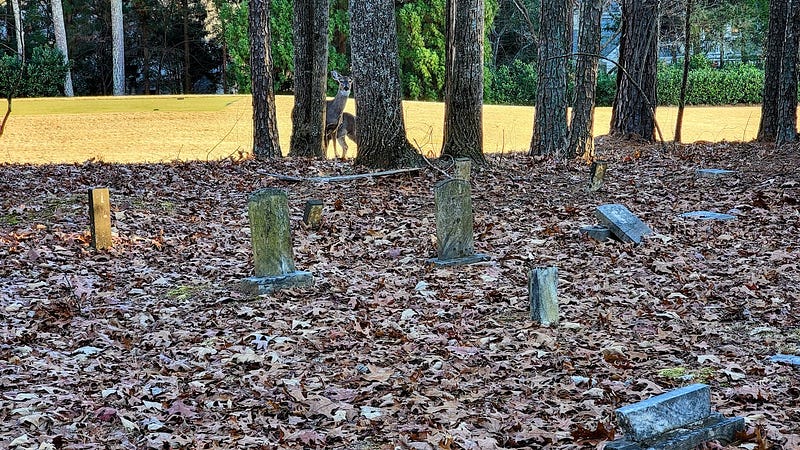
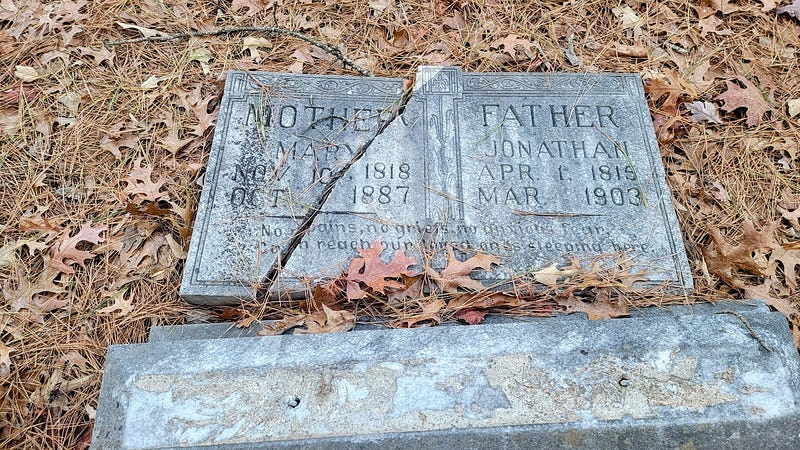
I began to walk, sometimes for hours, and it was during one of these walks that I stumbled across a cemetery. Nestled between large, expensive homes and a golf course, it would have been easy to miss except for the narrow, overgrown path meandering toward a scattering of gray headstones.
There’s something about a burial site that tugs at our spirit; a message from the dead that speaks to the living. This cemetery was no exception. The tombstones reminded me of people who had lived and hoped and dreamed like me.
But I noticed something unsettling. There were a lot of babies buried here. Before the advent of modern medicine, fewer children survived to live and hope and dream. This cemetery was a reminder of the harshness of life in past centuries.
I left the cemetery with a renewed appreciation for life’s brevity and a determination to make the most of my time. Now my unstructured days, rather than being a burden of boredom, are an unearned gift.
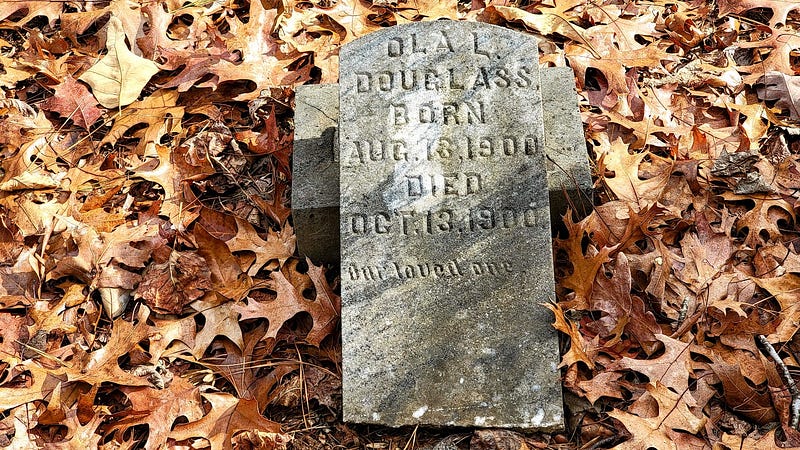
All cemeteries have spiritual messages, if we pause to listen.
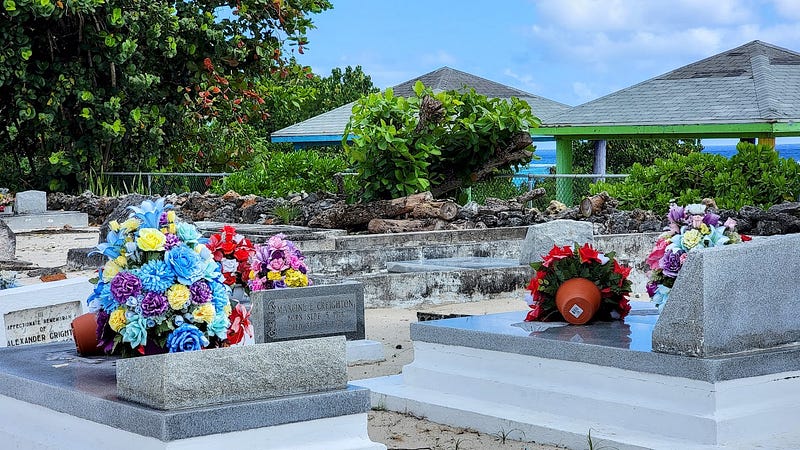
When I was in Grand Cayman, I was surprised to see so many cemeteries on prime real estate overlooking the ocean. I discovered later that the deep, sandy soil was less valuable in previous times when early settlers preferred to live away from the threat of storms and flooding. It’s only in our recent era that living at the ocean’s edge has been viewed as an asset.
As I gazed at these cemeteries overlooking the sea, it comforted me to know that tombstones rather than high-rise condos dotted the shoreline. The eternal ebb and flow of ocean tides seem to mirror the eternal longings we express when we take the time to bury our dead.
Funeral ceremonies and well-tended graves communicate a belief in the life of the spirit.
But nothing reveals our belief in the life of the spirit more than pyramids and other elaborate burial sites of ancient times.
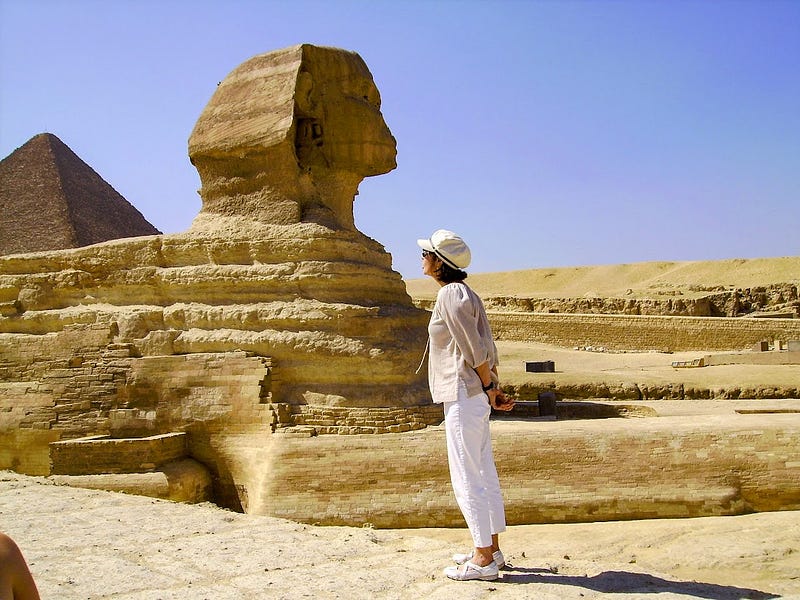
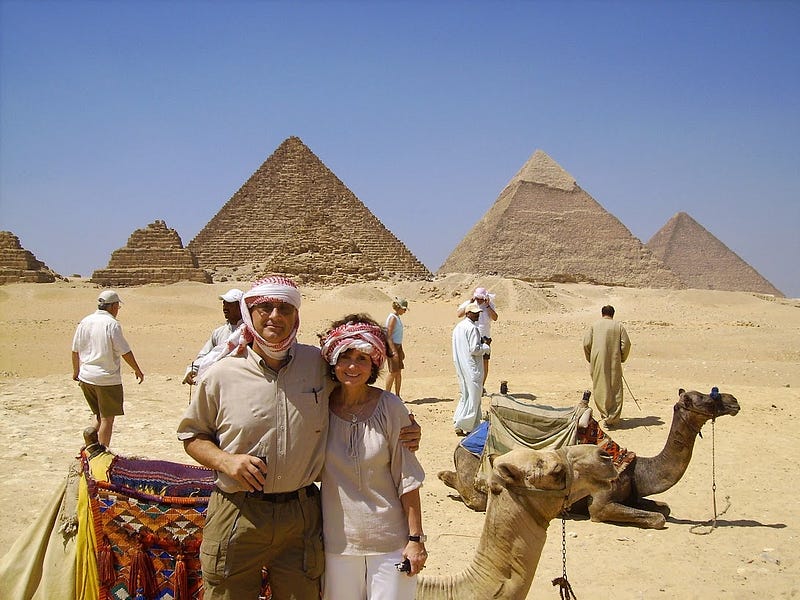
When I visited the Great Pyramids of Egypt, the tombs of the pharaohs reminded me that death was viewed as one part of an ongoing journey.
My five traveling companions and I had to duck as we clambered and crawled through low, claustrophobic tunnels leading to the highest chambers of the Great Pyramid. When we reached the top, somebody got the idea to sing Happy Birthday to Cindy, who turned 60 that day. Our jolly voices echoed from the ancient walls, a sound of vibrant life in a place where kings were buried 4,500 years ago.
Singing Happy Birthday in the Great Pyramid took on added significance 13 years later when Cindy died. My traveling companions came together to mourn her passing, but we remembered the message of the pyramids and the message of our faith. Cindy was gone, but this was only part of her journey.
Another ancient tomb that stirred my spirit was the Obelisk Tomb carved into the cliffs of Petra in Jordan. It dates to the first century BCE, when Nabatean craftsmen used iron tools to chisel and carve amazing facades. The obelisks on the upper level represent the soul of each dead body buried in the cave. The lower level, reflecting a strong Greco-Roman influence, was used as an area for funeral commemorations.
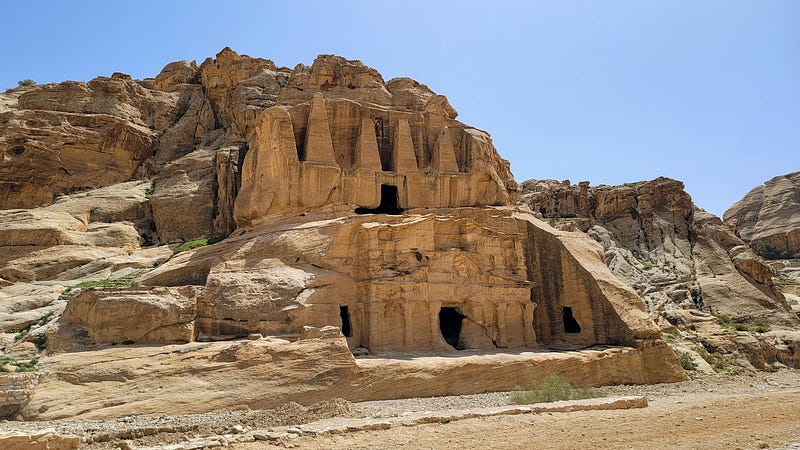
Some biblical scholars believe the Nabateans who created these burial sites came from Nabat, the first born son Ishmael, Abraham’s son in Genesis 25:13.
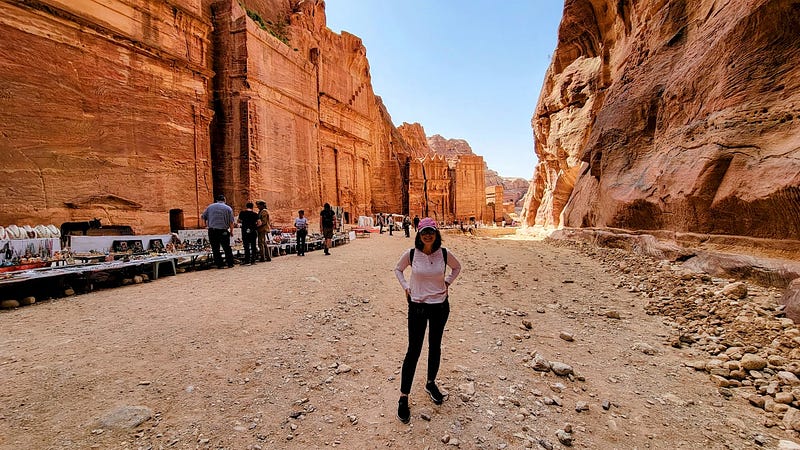
Descending into the gorge, I thought of the biblical characters who had populated this region, of the never-ending rise and fall of civilizations, and our never-ending quest to transcend our temporal, earthly existence.
History has always fascinated me, and cemeteries remind me that every person who ever walked the earth is part of history, leaving some small imprint that forever changes the tide of human events.
“You could not remove a single grain of sand from its place without thereby … changing something throughout all parts of the immeasurable whole.”
Fichte, The Vocation of Man (1800)
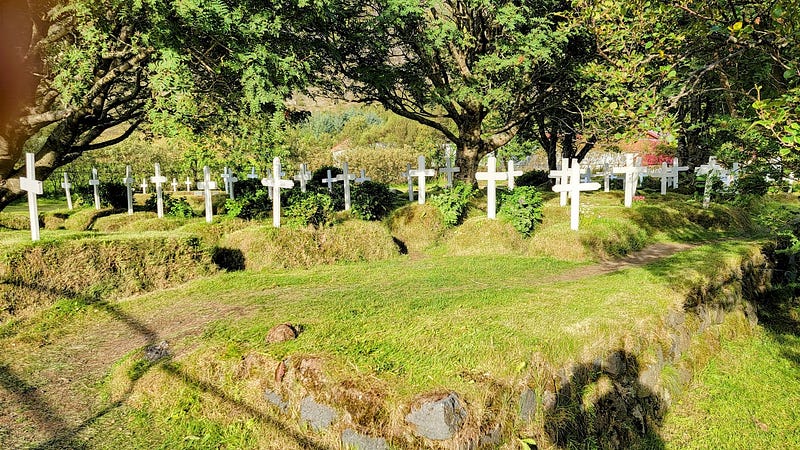
A small graveyard in Iceland made me think of the brave people who weathered the challenges to settle in this cold, harsh, and remarkably beautiful country. They built churches, eked out a living, created families and buried their dead in a land of few trees, short growing seasons, and the constant threat of volcanoes. You can still see their imprint today as you journey through their land.
Because the ground is volcanic with only a thin layer of soil, it’s impossible to dig six feet down. Consequently, these graves at Hofskirkja Church sit above ground.
“The living come with grassy tread To read the gravestones on the hill; the graveyard draws the living still, But never any more the dead.”
from In a Disused Graveyard by Robert Frost
One of our greatest hopes for eternal life is found through our religious beliefs. A visit to Jesus’s tomb in Israel reminded me of this promise, embraced by millions in the 2,000 years since his death.
Controversy exists over where Jesus was buried. Some say the Church of the Holy Sepulcher in Jerusalem, while others maintain that he was buried in The Garden Tomb.
I visited both sites and listened to both sides of the issue, and in the end, it didn’t matter where he was buried. Jesus’s words of radical forgiveness, unconditional love, and eternal hope stirred in me an age-old longing that wars would cease and people would live together in peace. But less than a year after my visit to the Holy Land, the region is once again plunged into war.
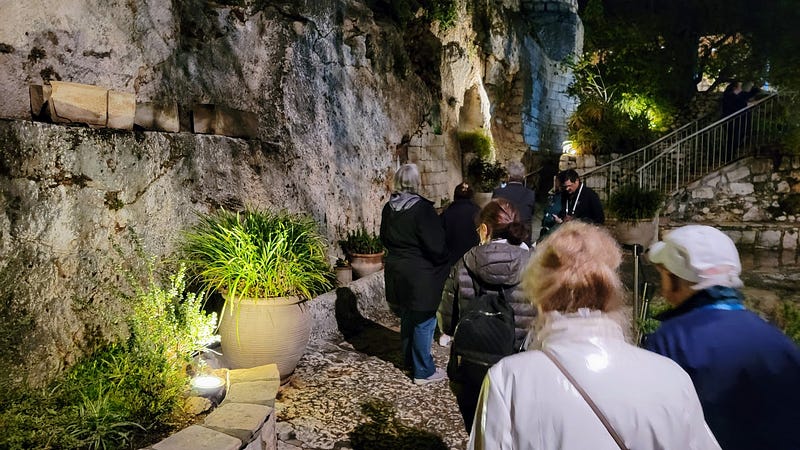
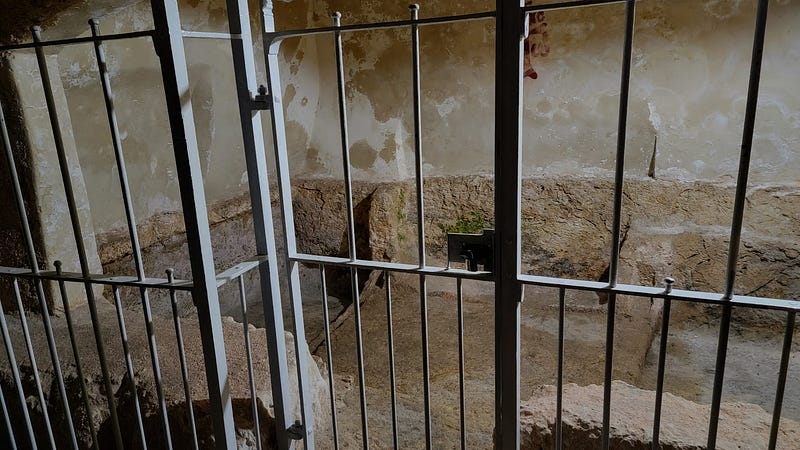
War appears to be integral to our human condition, and so is death. But cemeteries stir in me the idea that the Creator gave us an innate longing for eternity because we are eternal beings.
We are part of the universe, we are on a journey, and our challenge is to embrace each day with love and joy.
That, to me, is the most significant spiritual message from the grave.
This story by B.R. Shenoy about cemeteries in Argentina inspired me with beautiful photographs and interesing tales. I’m planning to visit that country in March:
This article by Darren Weir, with its beautiful pictures of Jordan, made me want to return and experience Petra at night:


