

Two Common Mistakes Turn A High-Protein Diet ‘Junky’. Science Explains.
Follow a high-protein diet right to harness its protective effects.
If a high-protein diet is advocated to be protective of our health, why residents of high-income countries who consume more than 100g protein a day still suffer from cardiometabolic diseases and obesity? Does the high-protein component of a normal-caloric diet not working?
One of the answers lies in quality vs quantity and the other food component associated with the protein we consume. For example:
- When we eat beef, it delivers iron and saturated fat, on top of protein.
- When we eat salami, it delivers sodium and nitrates (nitrates may be associated with cancer risk), on top of protein.
- When we eat chickpea, it delivers carbohydrate including dietary fiber, on top of protein.
Now you get it? The combination matters. So, let’s find out what’s wrong with our high-protein diet and I will give you a few take-home messages at the end of the story.
Mistake 1: High-protein along with high-fat consumption
High-protein + high-fat elevates risks of heart attack
A recent study [1] published by Dr Babak Razani from the Washington University in January 2020 struck fear among high-protein consumers when they showed high-protein intake elevates risks of heart attack. It became the headline in many medical and health news sites for a while.
In the study, the culprit of cardiovascular health labelled by the news was the high-protein diet. However, if we carefully investigate the study, we can find it is high-protein, in combination with high-fat that elevates the risk of a heart attack.
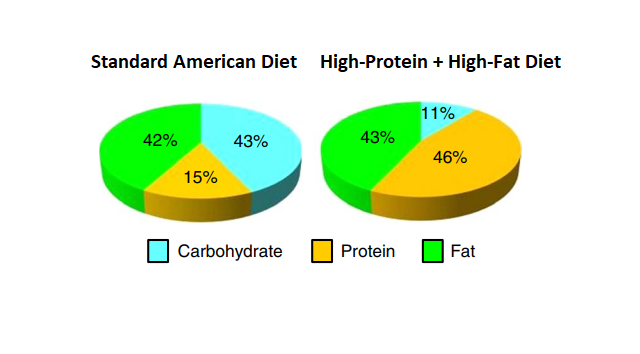
The researchers fed a group of mice with either a diet that mimics a Standard American Diet and another group of mice with a High-Protein/High-Fat/Low-Carb diet. Mice in the study were allowed to eat freely. To be honest, nobody is going to eat 46% protein by calories in a caloric balance setting. That is an enormous amount, which is equivalent to more than 200g protein in a human diet. Nevertheless, due to the satiety effects of a high-protein diet, the mice ate 25% less food.
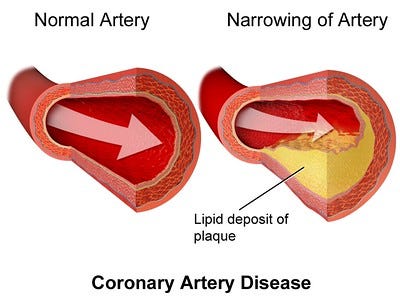
Despite a lower calorie intake, the mice accumulate fat inside the blood vessels (artery), with protein promotes its build-up, narrowing the blood vessels.
In short, this study reveals a causal effect of high-protein intake when in combination with high-fat intake, leading to poor cardiovascular health.
High-protein + high-fat causes diabetes-like symptom (insulin resistance)
The digestion of protein yields a group of amino acids known as the Branched-Chain Amino Acids (BCAAs). Since our body cannot synthesise BCAAs from other dietary materials, BCAAs are our daily essentials and we have to consume every day. Animal protein, both meat and dairy, are excellent sources of BCAAs, with whey protein as the best source of BCAA. Plant proteins have BCAAs too, albeit to a lesser extent.
High levels of BCAAs in the blood, both due to diet and disorders in BCAA metabolism, along with the high amount of fat in the blood, causes muscle tissue to preferentially oxidise fat in the blood, before able to clear (use) glucose from the blood [2, 3]. In this scenario, our body clears blood glucose by storing it into our fat tissue. This phenomenon is known as insulin resistance.
Muscle tissues are no longer sensitive to glucose because they are “too busy” with metabolising BCAAs and fat although insulin is present. This is insulin resistance, which underlies the progress towards Type-2 Diabetes.
However, since the proposed mechanism is not perfect, some researchers were sceptical on the dietary contribution of BCAA towards the development of insulin resistance [4].
Whether BCAAs are simply markers of insulin resistance, or whether they are direct contributors to insulin resistance remains uncertain, and this issue is attracting increased research interest. — Dr. Mee-Sup Yoon [4].
Mistake 2: Too much junk or processed food instead of whole food
Allow me to begin this by showing you the surprising contributions of junk food to dietary protein among the Australians.
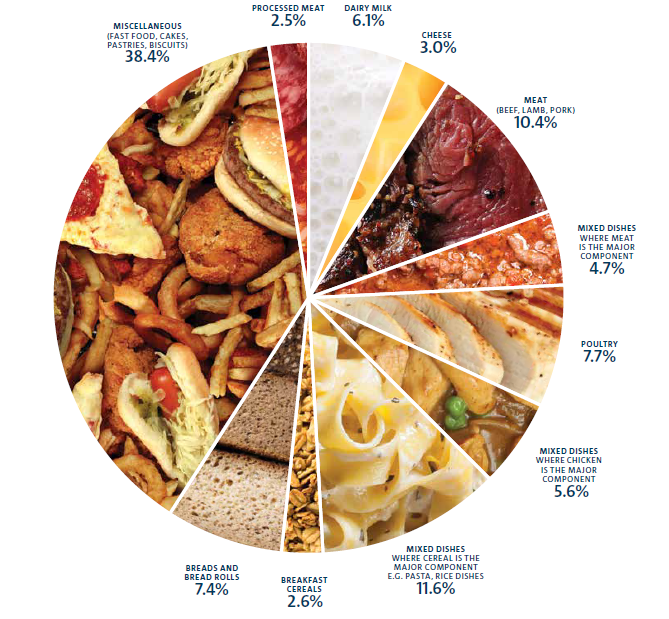
I cannot tell you how surprised I am. This chart is simple, yet meaningful.
A wonderful job carried out by Australian CSIRO [5] to show us how much dietary protein is contributed by fast food and junkies. Most dietary surveys in the world only show us the proportion of protein contributed by meat, fish, dairy, grains, legumes, etc. This chart is certainly insightful. When a typical Australian consumes about 100g protein a day, almost 38.4g of protein is coming from fast food and junkies. A high-protein diet advocate never tells us to consume our protein from these sources. If one person is blaming high-protein doesn’t work, one must really reflect on the source of protein.
When we consume protein from fast food and junkies, we also consume high-fat, that leads us back to Mistake 1. Furthermore, these foods can also be high-simple sugar and high-salt, but low in other nutrients. A major caveat of the chart above is the absence of legumes… Since legume is a good source of plant protein, its absence in the chart above is slightly worrying.
Take-home messages
Eat a mixture of plant and animal protein.
Animal protein is a good source of BCAA, whereas plant is not. Consuming a mixture of animal and plant protein may avoid the accumulation of BCAA in the blood. Do not use whey or protein supplement if you are not hitting the gym. Athletes can use protein supplements as their body has a higher protein demand.
Limit red meat.
With the recent evidence that consolidates the deleterious effects of high-protein and high-fat food, it is best to limit red meat intake to no more than 200 — 500g per week.
Avoid deep-fried meat.
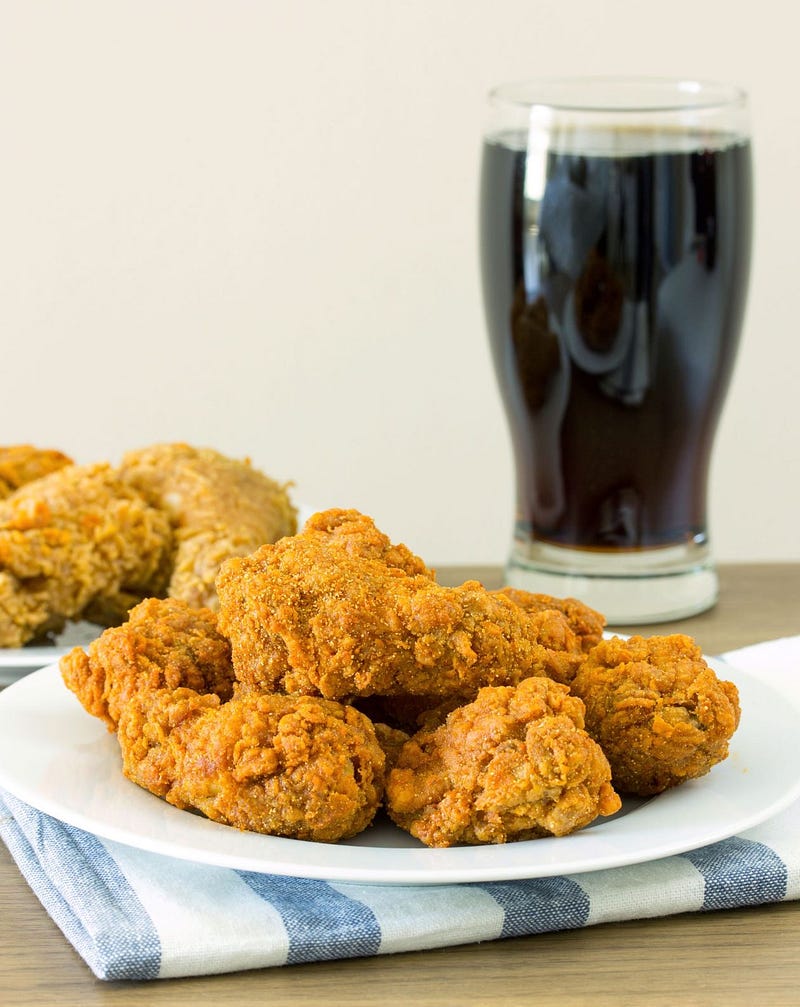
An obvious one is the ubiquitous fried chicken that sells in many fast-food restaurants. Bad dietary fat, along with protein, is a recipe for cardiovascular disease. Who drinks sugary beverage along with your fried chicken? This is a perfect recipe for Type-2 Diabetes.
My other protein-related story:
Thanks for reading. Lastly, I recommend you to read the following stories written by Kristen Eleanor on her reader-friendly and well-written protein topics:
Or read this piece of writing from the famous Dr. David L. Katz and Mark Bittman:



