
What 20 grams of Plant-based Protein Looks Like at Each Meal
Your go-to high-protein vegan and vegetarian meal ideas.
Plant based, or primarily vegan or vegetarian diets are rapidly becoming more mainstream — and righteously so. If you haven’t heard already, a diet rich in vegetables, fruits, whole grains and plant-proteins is associated with numerous health benefits.
A recent systematic review on plant-based eating showed that these dietary patterns compared to an omnivore diet reduce body weight, regulate blood glucose and HbA1C and lower cholesterol and lipid levels — risk factors for cancer and heart disease. One study also hypothesized that consuming a plant-based diet in the long-term could favourably change our gut microbiome, such as reducing appetite and regulating weight.
Despite ample evidence and popularity regarding plant-based, vegan and vegetarian diets, those who decide to forego meat and follow this healthy lifestyle pattern continue to come across the infamous query: Where do you get your protein from?
Many people fail to realize that protein comes from many different sources, and certainly not only from meat. Even those who follow omnivore diets typically source nearly 30% of their protein from plants. Nonetheless, there is a massive misconception that swapping out meat for beans, tofu, legumes, nut butters and quinoa will leave you shrivelling in a plant-based mess. While the latter is certainly untrue, a bit of planning goes a long way in answering these queries with confidence while thriving on a plant-based diet.
First things first: Enough Calories ≠ Enough Protein
Following a healthy vegetarian or vegan diet is not as simple as “getting enough calories to get enough protein”. This is a massive oversimplification which can have real ramifications, potentially developing deficiencies in Vitamin B12, D and poor protein, zinc and iron intake.
The key with plant-based, vegan and vegetarian meal planning is understanding the different sources of protein out there. Note that there is a difference with being informed and mindful about different plant-based proteins and obsessively counting every macro and micronutrient. Overly obsessive habits can be spoil your efforts in healthy eating, and damage your relationship to food.
But isn’t plant based protein “lower-quality” than animal protein?
When it comes to classifying a protein based on quality, it refers to the amount of essential amino acids found gram per gram within the protein source. Essential amino acids are the building blocks of protein which we must obtain from diet as our body does not possess the enzymatic machinery to make in amounts sufficient to meet our bodies needs.
Many plant proteins lack a full essential amino acid profile, whereas animal proteins will give us the full deal. However, quinoa and soy are plant-proteins which do provide a complete amino acid profile. But — through the lens of nutritional biochemistry and physiology they will never be considered to be exactly on par with animal sources. This is due to their slightly decreased digestibility and bioavailability (as they contains nutrients other than protein, such as fibre and phytates).
But, in real life we consume a lot of different sources of protein when our diet is well planned. This means that the differences which arise in amino acid digestibility are marginal compared to ensuring we are consuming enough protein over the entire day.
Ok, so where can I get my protein from?
This article will provide you with five visual examples of high-protein meals made with familiar and relatively-affordable ingredients that you likely already have in your pantry.
Note: Depending on your age, activity level and caloric needs, most meals should have at least 20–30 grams of protein eaten in intervals throughout the day (aka three meals per day) to maximize muscle-protein synthesis.
Meal 1: Vegan black bean burritos with whole wheat tortillas (25 g protein)
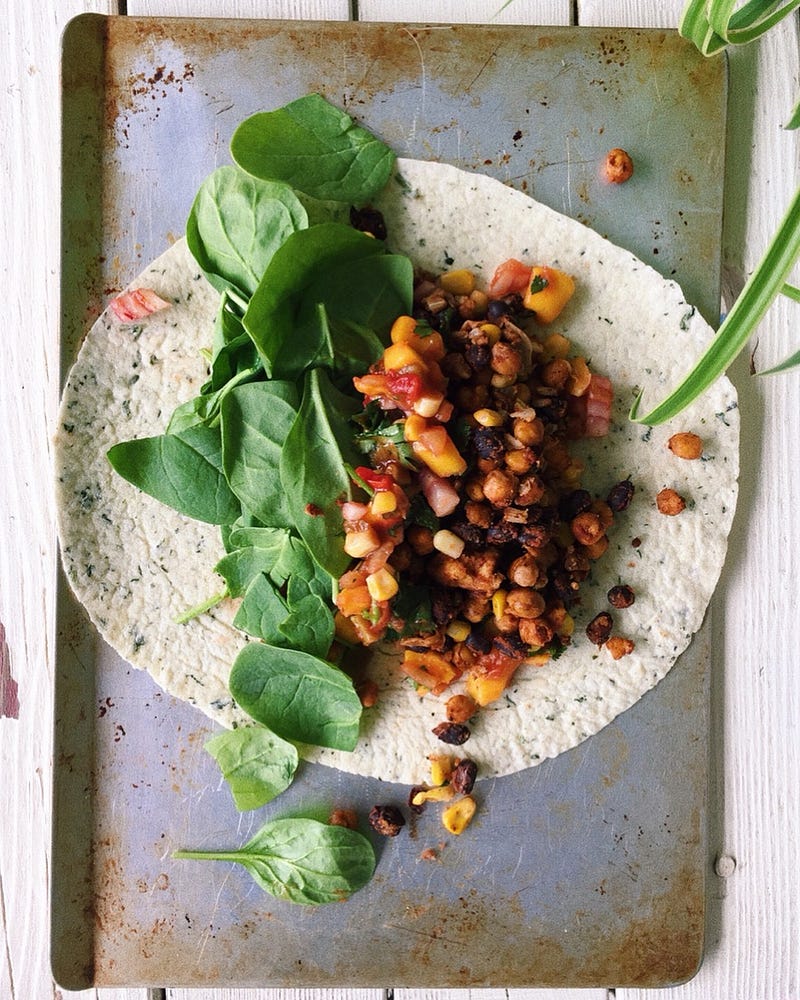
Fill a large whole-wheat tortilla (8 g protein) with 1/2 cup of black beans (7 g protein), 1/2 cup of spiced tofu* (10 g protein), veggies, avocado and salsa.
*Missing tofu in this photo.
Meal 2: Vegetarian avocado toast with fruit and yogurt parfait (24–30 g protein)
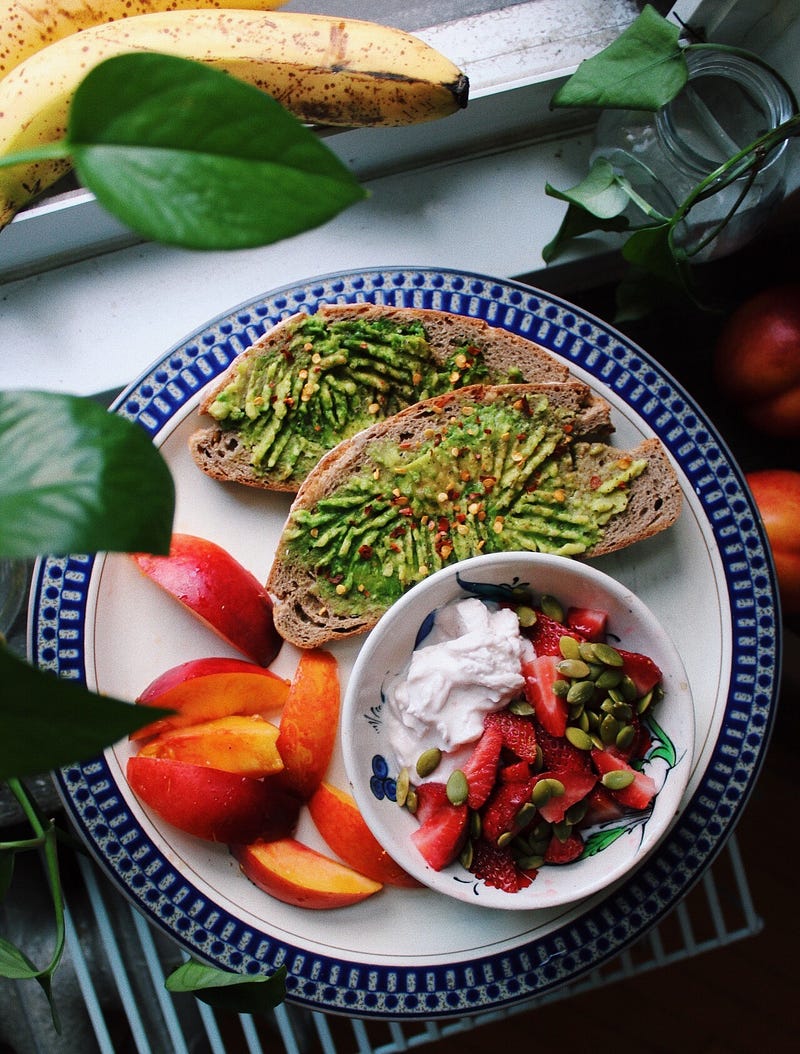
Spread 1/2 avocado and two slices of rye toast (8 g protein). Make a yogurt parfait with 1/2 cup skyr yogurt (12 g protein), 2 tbsp pumpkin seeds (2 g protein), one peach (2 g protein). Add a poached egg on toast for an extra 6 grams of protein.
Meal 3: Vegan almond butter tofu, quinoa and vegetables (21 g protein)
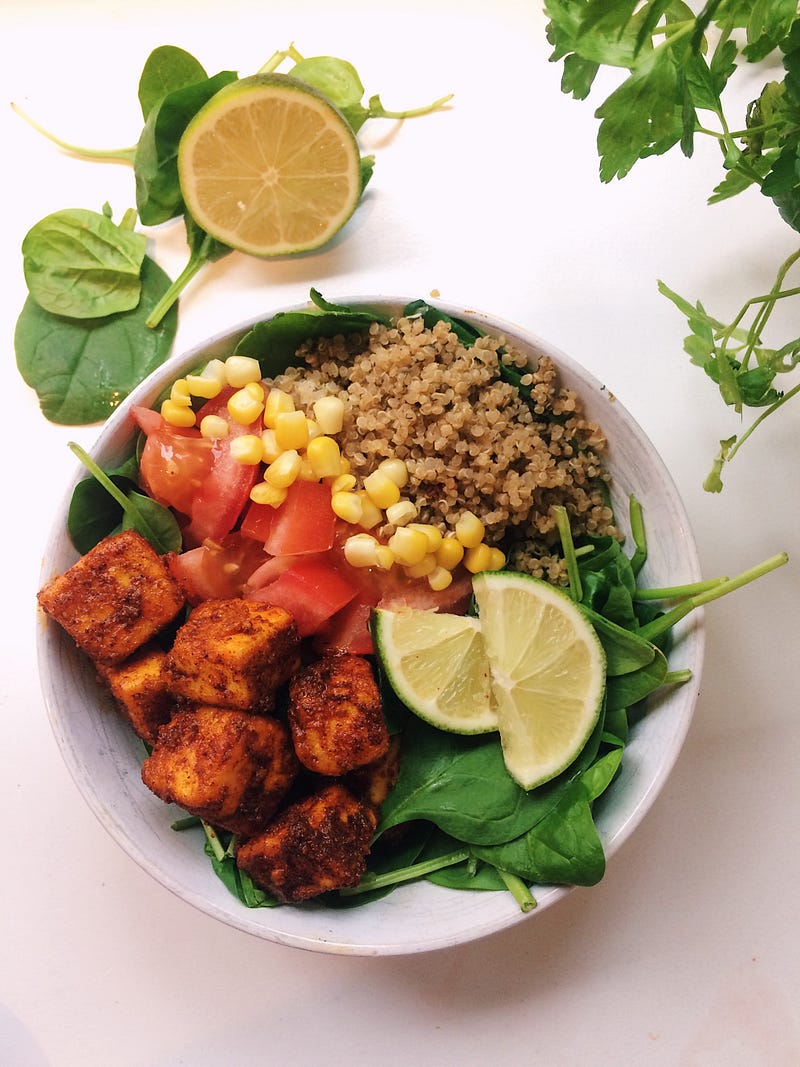
Add 1/2 cup almond butter tofu (13 g protein) to 1 cup of cooked quinoa (8 g protein)with various vegetables.
Meal 4: Vegan peanut butter toast with chia seeds and bananas (24 g protein)
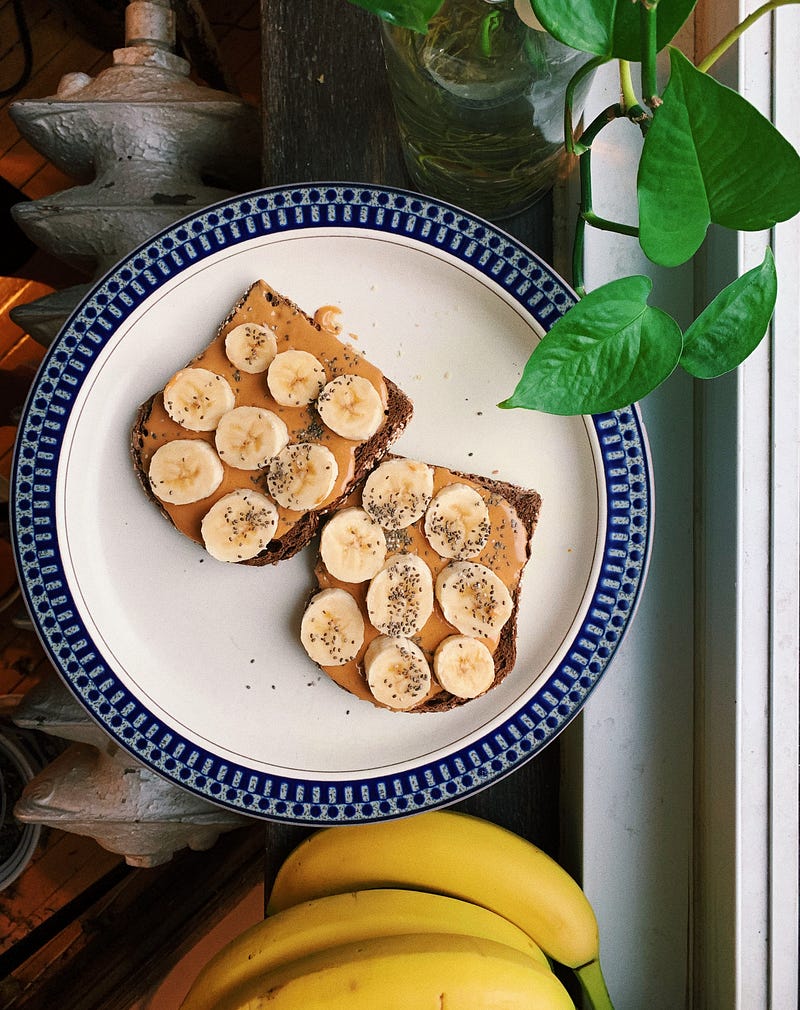
Spread 3 tbsp peanut butter (12 g) on two slices of rye toast (8 g protein). Add 2 tbsp of chia seeds (4 g protein) and one banana.
Meal 5: Vegan nuts & seeds oatmeal with fruit (28 g protein)
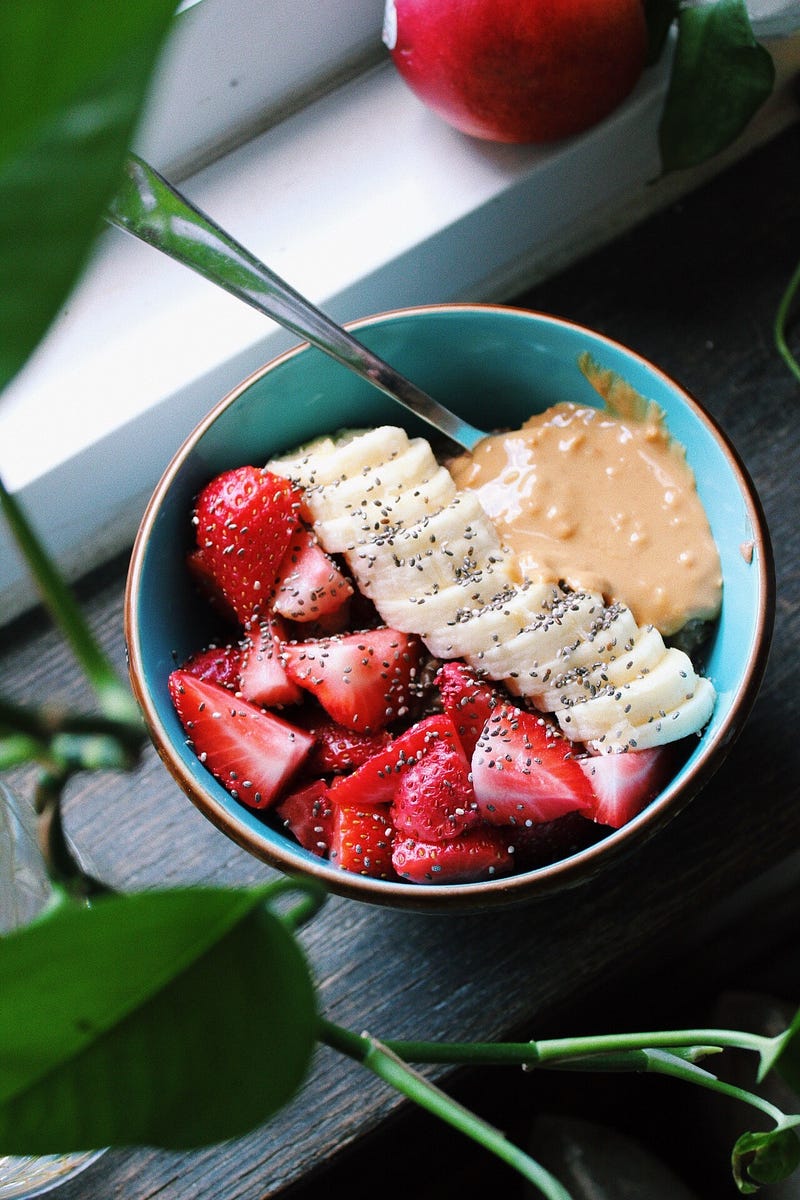
Cook 3/4 cup rolled oats (9 g protein) in 1 cup soy milk (8 g protein). Add 2 tbsp of nut butter (8 g protein), 1 tbsp pumpkin seeds (1 g protein), 1 tbsp chia seeds (2 g protein) and fruit.
Now that you’ve got your protein down, keep in mind the following about plant-based diets
Plant-based, vegetarian or vegan diets are a great way to take ownership of one’s health through diet. However, remember that protein is not the only thing that needs to be planned — especially if you are following a strict vegan diet. Here are a few important nutrients to consider.
Vitamin B12 : You cannot find the same bioavailability of B12 in plants and often fortified foods such as soy milk and nutritional yeast may not be reliable if you don’t consume them everyday and nutritional content differs by manufacturer. Supplement Vitamin B12 with around 100–150 mcg per day.
Vitamin D: Vitamin D is rarely found naturally in foods, and synthesis of Vitamin D within your skin is unreliable year round, especially if you live in a seasonal climate. Supplement with around 400 IU per day.
Iron: While you can find iron in plant foods, it is less bioavailable in it’s non-heme form. You can meet your iron requirements by regularly consuming lentils, fortified cereals and grain products, pumpkin seeds and some nut butters.
Kristen is a freelance nutrition writer. She has a B.Sc. in Nutritional Science and is eligible for registration as a dietitian (RD) in Canada.


