
True Love Means Compromising on Little Things, Not Big
Make your own ‘happily ever after.’

True love — that is, deep, abiding love that is impervious to emotional whims or fancy — is a choice. It’s a constant commitment to a person regardless of the present circumstances.
Mark Manson
I take great pride in having a nearly perfect marriage. If you pressed me to say what wasn’t perfect about it, I wouldn’t be able to name anything. I’ve tried.
Nothing is perfect, so I think if you asked me on a day when I was annoyed about something my husband said or did, there would be an answer. I know there have been small things in the past that annoyed me. I honestly can’t think of what they were right now.
I say all this, not intending it to be boastful, though it is probably coming across that way. I say it to explain a core belief I have: if I found this depth of happiness with another human being, so can nearly everyone else. I withhold judgment on psychopaths and sociopaths: I have no idea if they can even be happy outside of themselves.
I spent most of my life believing something quite different. I still think successful relationships (with friends, loved ones, partners) require a certain amount of compromise and clear-eyed realism. My childhood view was that romantic relationships seemed to be only about those things, with sex thrown in.
I was a quiet child. The adults around me kept very little hidden from my always watching eyes and always listening ears.
I remember realizing as a teenager that I did know a perfect couple. They were friends of my mother. I was a flower girl in their wedding and played with their kids.
I loved them. I wanted my life to be just like theirs. Their home was the one all the kids played in after school. She was artistic and hands-on with the kids. Her husband coached their kids’ sports teams. Their life looked perfect.
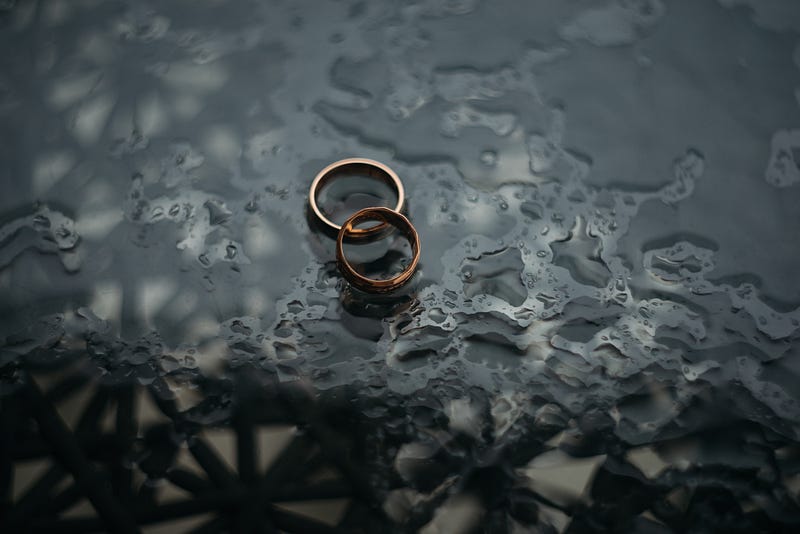
I bet you can see where this is going. They eventually broke up, after the kids were grown. I revised my scorecard. Perfect marriages — 0. Dysfunctional marriages — Infinity.
By that point, I was in my 20s and married. I sighed and strengthened my belief in the necessity of compromise. A lot of compromise.
This belief in compromise and willingness to accept a marriage between two real people meant we had to let the unimportant go certainly helped in my first marriage. It lasted 10 good years (and 1 bad) from my point of view.
During the break-up, my ex-husband told me he thought we lasted so long because I was flexible and adaptable. It helped take a tiny bit of the sting out of the feeling of failure. Not much, but I was grasping at straws by that point.
Two years later I met my current husband. He was so perfect for me, I was sure there was something I was missing.
He was quiet and thoughtful. A computer technology guy but creative. I scored big points without realizing it on our first date. I mentioned how creative software design is: making something out of nothing.
“You are writing a story in a different language,” I said in an admiring voice.
“Most people don’t realize that,” his voice was warm. Looking back, I imagine I heard an audible click as we smiled at each other and each thought “Oh, look how good this feels!”
Comparing my marriages is like comparing apples and oranges. The way we fit with other people can be so very different.
My first marriage really wasn’t dysfunctional: we made it work. Until we didn’t. But that marriage required more energy and effort.
Compromise and negotiation were frequent. My overlooking ways in which the relationship fell short in my mind seems significant after the fact. Now that I have something to compare it to.
I have often said, “We were happy until we weren’t.” Isn’t that always the case with divorce? We weren’t breaking new ground.
Divorce tastes like a failure because it is a failure. That doesn’t make the people involved failures.
My husband and I met on an online dating site. His personal description was funny and charming and really caught my eye. Mine was honest and direct.
One bit I remember from mine: “Most of these profiles talk about hiking. Don’t expect me to hike but I don’t care if you do.”
He told me later my honesty was what hooked him. Boy, am I the girl for him! (He hikes, I still don’t.)
We have been together for 20 years. In a few months, we will have been married for 19. We co-parented with our exes and raised three children to adulthood.
It wasn’t stress-free, but we were always on the same page about our kids. We were a team. When personal issues overwhelmed me, he was there. Always.
I am tearing up just thinking about all the moments he reached out to hold my hand: aware he couldn’t fix what was wrong but telling me wordlessly he was in it with me.
Marriage seems to me to be a constant, moment to moment dedication to each other. This commitment is almost unconscious for me now, until I try to talk about it.
I have been overcome with gratitude for him, more than once. For our connection. For feeling that he sees me: good and bad. That he listens to me and understands what I am trying to communicate.
That he is honest with me with his feelings and his thoughts. That he shares himself just as much as I share with him.
This successful relationship came to me in my mid-30s. I had a failed relationship under my belt and was doing my best as a single parent.
My divorce had confirmed my childhood cynicism about marriage. It was hard not to look at this new man in my life under a harsh light.
It didn’t matter how harsh the lighting: he was a keeper. We just fit. It wasn’t effortless, but it also wasn’t difficult. Not the way I expected, anyway.
My overriding belief is that most people can have what we have. It requires soul searching. If you don’t know what you want, how will you know if the other person can provide it? It still requires compromise but about small things.
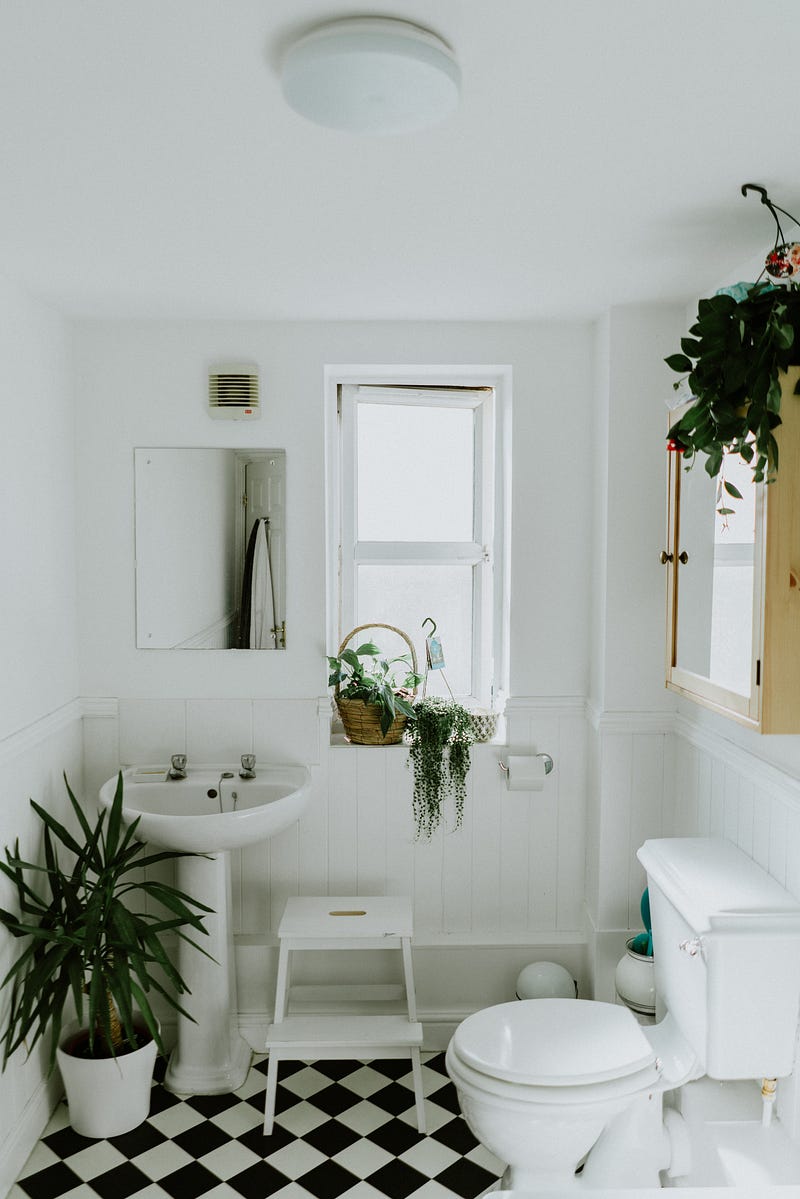
Recently something was wrong with the door in our bathroom: it wouldn’t close properly and would swing open during a moment I consider personal and private. I mentioned something to my husband.
He explained he had ordered a part online. It was being shipped to our house. The bathroom would be private again in 24 hours.
It was during this conversation when I discovered, after 19 years and 4 months of cohabiting with this man, that he didn’t care about the door being closed. He knew I did, so he made sure he closed the door.
In return, I make sure the toilet paper roll faces the way he wants. Those are compromises about small things.
Neither of us wants a marriage full of dishonesty or infidelity. I consider those big things. We don’t have to compromise on the big things.
My hope for all the non-psychopaths and non-sociopaths out there looking for love: a relationship full of respect, love, understanding and no need for compromise on the big stuff.
Note: a previous version of this piece was published under the name “True Love.”
If you liked this, you may like: