avatarArslan Mirza

Free AI web copilot to create summaries, insights and extended knowledge, download it at here

5945

Abstract

h-resolution satellite images covering more than 1.3 million square kilometers of Western Sahara and Sahel in West Africa.</p><p id="61d6">They mapped the location and size of approximately 1.8 billion trees. Before this, scientists had never made such a detailed map of trees in such a large area.</p><p id="4cda"><b>Commercial satellites</b> have begun to collect data and can capture ground objects that are 1 square meter or less in size. Therefore, the field of terrestrial remote sensing is about to usher in a fundamental leap: from focusing on measurements on a comprehensive landscape scale to the possibility of mapping the position and canopy size of each tree on a large-scale or global scale.</p><p id="6bc7">This progress will undoubtedly fundamentally change the way we think, monitor, simulate, and manage the global terrestrial ecosystem.</p><p id="edf4"><b>5.Kill the latent HIV</b></p><figure id="80cb"><img src="https://cdn-images-1.readmedium.com/v2/resize:fit:800/1*j9_OD6vanv8bjErsOjHtTg.png"><figcaption>Image by <a href="https://pixabay.com/users/fotoshoptofs-2171839/?utm_source=link-attribution&amp;utm_medium=referral&amp;utm_campaign=image&amp;utm_content=1280515">Welcome to all and thank you for your visit ! ツ</a> from <a href="https://pixabay.com/?utm_source=link-attribution&amp;utm_medium=referral&amp;utm_campaign=image&amp;utm_content=1280515">Pixabay</a></figcaption></figure><p id="e0b9"><b>The HIV</b> that causes AIDS can be “latent” in host cells for a long period of time, with almost no transcription, so it will not be detected by the immune system.</p><p id="9648">In two studies published in the same period of January in the journal Nature, a treatment strategy called “shock and kill” was reported, which aims to reverse this incubation period by increasing the expression of viral genes (activation), so that the infected cells are more easily eliminated (killed) by the immune system.</p><p id="805c">Both groups of researchers described interventions in animal models, which may be the most effective activation method reported so far, and it is reproducible.</p><p id="3469"><b>Nixon and colleagues</b> used a drug called AZD5582 to activate the transcription factor NF-κB, the main stimulator of HIV-1 gene expression.</p><p id="709f"><b>McBrien et al.</b> combined two immune interventions, first using antibody therapy to deplete CD8+ T cells (immune cells that reduce the level of viral transcription), and then perform N-803 drug therapy, which can activate HIV-1 transcription.</p><p id="0a15">In addition to these advances, these two studies also demonstrate the conceptual and technical challenges associated with reversing the latency of the virus with drugs.</p><p id="4a0c"><b>6.Gene editing solves the mystery of picky eaters</b></p><figure id="feee"><img src="https://cdn-images-1.readmedium.com/v2/resize:fit:800/1*HIljOlKEcDRMWW5k8YWatQ.jpeg"><figcaption>Image by <a href="https://pixabay.com/photos/?utm_source=link-attribution&amp;utm_medium=referral&amp;utm_campaign=image&amp;utm_content=871945">Free-Photos</a> from <a href="https://pixabay.com/?utm_source=link-attribution&amp;utm_medium=referral&amp;utm_campaign=image&amp;utm_content=871945">Pixabay</a></figcaption></figure><p id="396c">A fruit fly named Drosophila sechellia only feeds on the poisonous noni fruit orange (Morinda citrifolia). Compared with other fruit flies that like various fruits, what makes this species so picky?</p><p id="e36d"><b>Auer et al.</b> used the genome-editing tool CRISPR-Cas9 to solve this mystery. They found that compared to other fruit flies, The sensory neurons that express the odorant receptor 22a protein (Or22a) in sechellia are particularly abundant, and the tiny change in the amino acid sequence of Or22a is Drosophila D.</p><p id="b70e">The key reason why sechellia prefers noni fruit. They also discovered several other evolutionary changes that could lead to this simple behavioral change. Even the small fruit flies that like smelly fruit can powerfully reveal how the brain evolves complex behaviors.</p><p id="76f5"><b>7.Fast radio bursts in the Milky Way</b></p><p id="5990">The detection of a fast radio burst (FRB) phenomenon, showing its source is in the Milky Way. Interestingly, fast radio bursts are accompanied by X-ray bursts.</p><p id="e044">This discovery was made by combining the observation results of multiple space telescopes and ground-based telescopes. As the name suggests, “Fast Radio Burst” refers to a transient bright pulse of radio waves with a burst duration of about milliseconds.</p><p id="3628">Researchers first discovered this phenomenon in 2007. Due to its short existence, it is extremely difficult to detect them and determine their position in the sky.</p><p id="1e51"><b>This is the first fast radio burst</b> detected to have radiation other than radio waves, and it is also the first discovery of this phenomenon in the Milky Way.</p><p id="c94e">These three observations have also confirmed for the first time that a magnetar is one of the sources of fast radio bursts, and it is currently the only celestial body capable of producing fast radio bursts that have been verified by observations.</p><p id="c8d0">It is worth mentioning that one of the papers comes from a research team in China. The first author is Dr. Lin Lin from Beijing Normal University. The observation results are from China’s “Sky Eye”-500-meter spherical radio telescope (FAST).</p><div id="fc54" class="link-block"> <a href="https://readmedium.com/the-milky-way-and-beyond-scientists-publish-new-data-on-nearly-2-billion-stars-44d9a152a4e4"> <div> <div> <h2>The Milky Way and Beyond: Scientists Publish New Data On Nearly 2 Billion Stars</h2> <div><h3>The Gaia Space Telescope has mapped the precise positions of 1.8 billion stars and has grasped the precise distances of…</h3></div>

Options

           <div><p>medium.com</p></div>
          </div>
          <div>
            <div style="background-image: url(https://miro.readmedium.com/v2/resize:fit:320/1*pSbOkexKtE1-Kj1ru2HW4Q.jpeg)"></div>
          </div>
        </div>
      </a>
    </div><p id="3517"><b>8.Cryo-EM reaches atomic resolution</b></p><figure id="9bdf"><img src="https://cdn-images-1.readmedium.com/v2/resize:fit:800/1*t1vDK0gxc7NmCrG3Yf9xtg.jpeg"><figcaption>Image by <a href="https://pixabay.com/users/geralt-9301/?utm_source=link-attribution&amp;utm_medium=referral&amp;utm_campaign=image&amp;utm_content=3210935">Gerd Altmann</a> from <a href="https://pixabay.com/?utm_source=link-attribution&amp;utm_medium=referral&amp;utm_campaign=image&amp;utm_content=3210935">Pixabay</a></figcaption></figure><p id="0002">A basic principle of structural biology is that once researchers can directly observe macromolecules with sufficient resolution, it is possible to understand the connection between their three-dimensional structure and biological functions.</p><p id="7f3a">In two studies published at the same time in the journal Nature in October this year, Yip et al. and Nakane et al. reported the clearest images so far obtained using single-particle cryo-electron microscopy (cryo-EM), which identified the protein for the first time the position of a single atom in.</p><p id="3ef1">The hardware used by the two groups has been improved, breaking through the previous resolution limitations of cryo-EM imaging. With the development of these technologies, the improvement of the cryo-EM image signal-to-noise ratio will expand the applicability of cryo-EM technology.</p><p id="ba2a"><b>Perhaps the fusion</b> of these technologies will enable cryo-EM structure determination to reach or exceed 1 angstrom (0.1 nanometers) resolution-an achievement that was almost impossible to achieve in the past.</p><p id="4ccd"><b>9.Interferon deficiency can lead to severe COVID-19</b></p><figure id="22b2"><img src="https://cdn-images-1.readmedium.com/v2/resize:fit:800/1*k3iBS8m2EWRwEJ_5AXCcHA.jpeg"><figcaption>Image by <a href="https://pixabay.com/users/fernandozhiminaicela-6246704/?utm_source=link-attribution&amp;utm_medium=referral&amp;utm_campaign=image&amp;utm_content=5722327">fernando zhiminaicela</a> from <a href="https://pixabay.com/?utm_source=link-attribution&amp;utm_medium=referral&amp;utm_campaign=image&amp;utm_content=5722327">Pixabay</a></figcaption></figure><p id="2fb8">In two papers published online in Science in September, Zhang et al. and Bastard et al. clarified a key factor that affects whether the new coronavirus develops into severe illness-interferon, especially type I interferon (IFN- I) Lack.</p><p id="c936"><b>This deficiency</b> may be caused by different reasons, such as genetic mutations in genes encoding key antiviral signal molecules, or because antibodies bind to type I interferons and “neutralize” them.</p><p id="7fd7">How does type I interferon deficiency lead to the life-threatening severe COVID-19? The most direct explanation is that this lack causes the virus to replicate and spread uncontrollably.</p><p id="f150"><b>On the other hand,</b> type I interferon deficiency may also have other effects on immune system function. Individuals with IFN-I induced pathway gene mutations will benefit from interferon therapy.</p><p id="5745">Also, those with neutralizing antibodies to IFN-α and IFN-ω may benefit from other types of interferons provided in therapy, such as IFN-β and IFN-λ.</p><p id="66b1"><b>10.Why does stress make hair gray?</b></p><figure id="e1b1"><img src="https://cdn-images-1.readmedium.com/v2/resize:fit:800/1*EB6lQ9OhY7-gLAbuDUlzDg.jpeg"><figcaption>Image by <a href="https://pixabay.com/users/prettysleepy1-2855492/?utm_source=link-attribution&amp;utm_medium=referral&amp;utm_campaign=image&amp;utm_content=3218845">prettysleepy1</a> from <a href="https://pixabay.com/?utm_source=link-attribution&amp;utm_medium=referral&amp;utm_campaign=image&amp;utm_content=3218845">Pixabay</a></figcaption></figure><p id="2049">This is the most viewed research report in the “News and Views” column of Nature magazine in 2020. The relative effect of stress on hair graying is currently not fully understood.</p><p id="2cd7"><b>The color of the hair</b> is determined by melanocytes, which are derived from melanin stem cells (MeSCs) in the protruding part of the hair follicle. This paper, published in the journal Nature in January, is the result of the Harvard University Xu Yajie team. The first author is Dr. Zhang Bing.</p><p id="f050">According to the research report, in the “fight or flight” response caused by stress, neurons in the sympathetic nervous system release the neurotransmitter norepinephrine; under extreme stress or exposure to high levels of norepinephrine, melanin stem cells, The proliferation, and differentiation increased significantly, resulting in a large number of melanocytes migrating away from the bulge area of ​​the hair follicle, but the lack of replacement stem cells caused the hair to turn white.</p><p id="f065"><i>This research will help us understand how stress affects other stem cells and provide clues for finding ways to stop and reverse stress.</i></p><div id="6142" class="link-block">
      <a href="https://readmedium.com/where-does-memory-come-from-9281eb8a72e2">
        <div>
          <div>
            <h2>Where Does Memory Come From?</h2>
            <div><h3>Memory ensures that we are not lost. It is the link that maintains each of our lives, connecting our past and present</h3></div>
            <div><p>medium.com</p></div>
          </div>
          <div>
            <div style="background-image: url(https://miro.readmedium.com/v2/resize:fit:320/1*Laf7YiRxTeSl_cFOGdFROQ.jpeg)"></div>
          </div>
        </div>
      </a>
    </div></article></body>

Top 10 Scientific Discoveries Of 2020

At the end of 2020, Nature magazine counted the scientific news and research opinions published this year, and selected ten of the most significant scientific discoveries of 2020
Image by John Hain from Pixabay

The top 10 scientific discoveries of 2020, Including research on the new coronavirus, how stress causes gray hair, HIV treatment, and other medical research, there are also astronomical discoveries such as rapid radio bursts in the Milky Way, and even a study found evidence of incest in an ancient tomb.

1.Break the mirror symmetry of matter-antimatter

Engineers inspect photosensors as part of a 2018 upgrade of Super-Kamiokande in Japan. Construction on the experiment’s successor, Hyper-Kamiokande, is slated to begin in 2020. Credit: Kamioka Observatory, ICRR (Institute for Cosmic Ray Research), the University of Tokyo

A study by the Japanese T2K Neutrino Collaboration was published in the April 15th issue of “Nature” and reported the possible discovery that leptons disrupted particle-antiparticle mirror symmetry (also known as CP symmetry).

Lepton CP is difficult to observe, but neutrinos can be used to search. Neutrinos have three “flavors”, determined by their associated charged leptons, and can change from one flavor to another during movement.

If CP is symmetrically conserved, the oscillation probability of muon neutrino to electric neutrino conversion will be the same as the oscillation probability of anti-muon neutrino to counter electric neutrino conversion.

In the T2K experiment, an underground detector located at the Kamoka Observatory in Japan detected neutrinos (or antineutrinos) that had passed through the earth 295 kilometers.

The experiment measured the oscillation probability of the muon neutrino-to-electric neutrino conversion, and the result was that CP conservation was ruled out at the 95% confidence level.

This may be the earliest sign of the origin of matter-antimatter asymmetry in the universe.

2.Repair of the ozone layer over Antarctica stops high-speed airflow from drifting

In the mid-1980s, scientists discovered a spring atmospheric ozone hole over Antarctica, which revealed the threat of human-made ozone-depleting substances (ODSs) to the atmosphere.

The Antarctic ozone hole located 10 to 20 kilometers above sea level also affects the atmospheric circulation in the southern hemisphere, which in turn affects the surface climate.

One of the most obvious trends is that the high-speed airflow in summer begins to move to the poles. High-speed airflow is a planetary-scale atmospheric circulation phenomenon.

There are several surrounding high-speed airflow zones on the earth. The 1987 Montreal Protocol and its subsequent amendments banned the production and use of ozone-depleting substances.

Therefore, the concentration of ozone-depleting substances in the atmosphere is declining, and the ozone layer has shown preliminary signs of recovery. The study by Banerjee et al pointed out that since the ozone layer began to recover, the hole-related circulation effects have ceased.

Someone had noticed this trend of cessation of circulation effects before, but Banerjee and others officially attributed it to the impact of the Montreal Protocol for the first time.

3.Evidence of incest found at tombs of prehistoric Irish nobles

Newgrange is the most famous stone tunnel tomb in Ireland and one of the most famous prehistoric cemeteries in the country. It was constructed by complex engineering techniques. Credits: Newgrange

Cassidy and others of Trinity College in Dublin, Ireland, studied the social structure of farming society, focusing on the ancient nobles buried in stone tunnel tombs (a kind of channel-style megalithic tomb construction in Europe).

Newgrange is the most famous stone tunnel tomb in Ireland and one of the most famous prehistoric cemeteries in the country. It was built by complex engineering technology.

The tomb is at the end of a long stone passage. There is an opening like a window above the entrance of the mausoleum. On the shortest day of the year (winter solstice), this opening allows sunlight to enter the tomb.

Researchers conducted a DNA analysis of ancient human remains found in the tomb, revealing a rare and unexpected incident of incest.

A man buried in Newgrange’s tomb about 5,000 years ago was the offspring of an incestuous marriage: his parents were either siblings or parents and children.

This discovery led the research team to speculate that the nobles associated with this magnificent tomb may have maintained their bloodlines through incest.

4.Satellite images to map the earth’s trees

The paper by Brandt et al. reported the results of their analysis of high-resolution satellite images covering more than 1.3 million square kilometers of Western Sahara and Sahel in West Africa.

They mapped the location and size of approximately 1.8 billion trees. Before this, scientists had never made such a detailed map of trees in such a large area.

Commercial satellites have begun to collect data and can capture ground objects that are 1 square meter or less in size. Therefore, the field of terrestrial remote sensing is about to usher in a fundamental leap: from focusing on measurements on a comprehensive landscape scale to the possibility of mapping the position and canopy size of each tree on a large-scale or global scale.

This progress will undoubtedly fundamentally change the way we think, monitor, simulate, and manage the global terrestrial ecosystem.

5.Kill the latent HIV
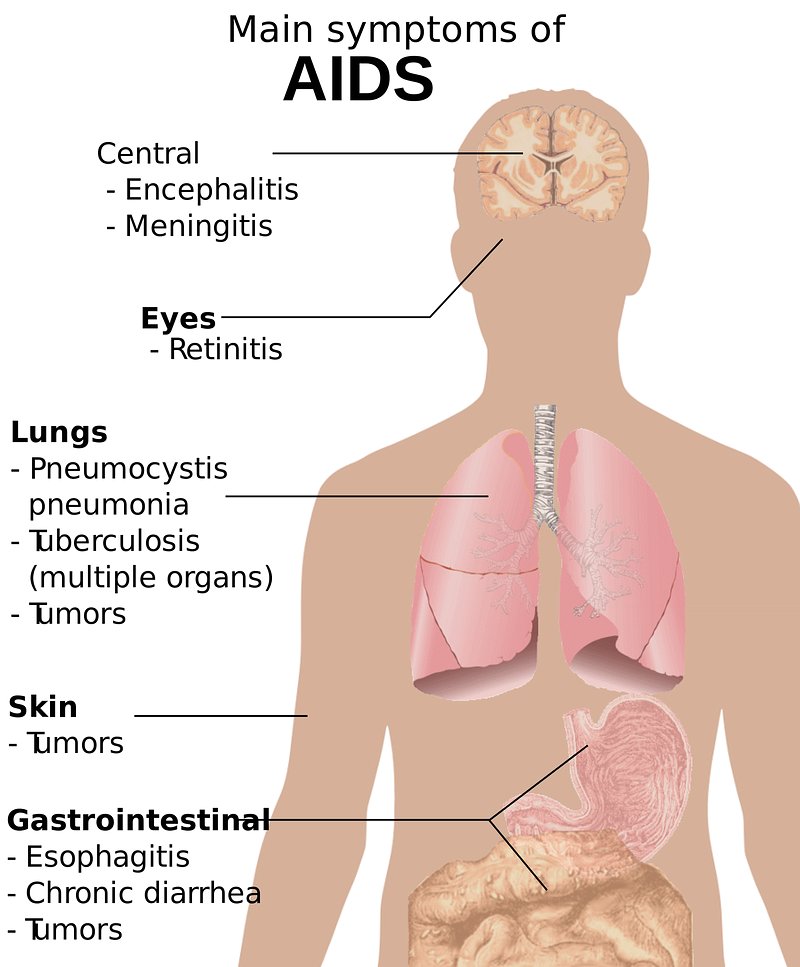
Image by Welcome to all and thank you for your visit ! ツ from Pixabay

The HIV that causes AIDS can be “latent” in host cells for a long period of time, with almost no transcription, so it will not be detected by the immune system.

In two studies published in the same period of January in the journal Nature, a treatment strategy called “shock and kill” was reported, which aims to reverse this incubation period by increasing the expression of viral genes (activation), so that the infected cells are more easily eliminated (killed) by the immune system.

Both groups of researchers described interventions in animal models, which may be the most effective activation method reported so far, and it is reproducible.

Nixon and colleagues used a drug called AZD5582 to activate the transcription factor NF-κB, the main stimulator of HIV-1 gene expression.

McBrien et al. combined two immune interventions, first using antibody therapy to deplete CD8+ T cells (immune cells that reduce the level of viral transcription), and then perform N-803 drug therapy, which can activate HIV-1 transcription.

In addition to these advances, these two studies also demonstrate the conceptual and technical challenges associated with reversing the latency of the virus with drugs.

6.Gene editing solves the mystery of picky eaters
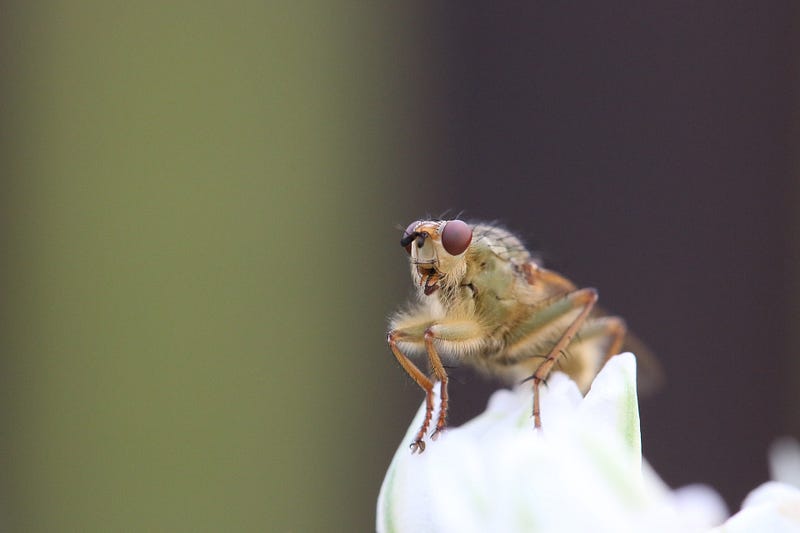
Image by Free-Photos from Pixabay

A fruit fly named Drosophila sechellia only feeds on the poisonous noni fruit orange (Morinda citrifolia). Compared with other fruit flies that like various fruits, what makes this species so picky?

Auer et al. used the genome-editing tool CRISPR-Cas9 to solve this mystery. They found that compared to other fruit flies, The sensory neurons that express the odorant receptor 22a protein (Or22a) in sechellia are particularly abundant, and the tiny change in the amino acid sequence of Or22a is Drosophila D.

The key reason why sechellia prefers noni fruit. They also discovered several other evolutionary changes that could lead to this simple behavioral change. Even the small fruit flies that like smelly fruit can powerfully reveal how the brain evolves complex behaviors.

7.Fast radio bursts in the Milky Way

The detection of a fast radio burst (FRB) phenomenon, showing its source is in the Milky Way. Interestingly, fast radio bursts are accompanied by X-ray bursts.

This discovery was made by combining the observation results of multiple space telescopes and ground-based telescopes. As the name suggests, “Fast Radio Burst” refers to a transient bright pulse of radio waves with a burst duration of about milliseconds.

Researchers first discovered this phenomenon in 2007. Due to its short existence, it is extremely difficult to detect them and determine their position in the sky.

This is the first fast radio burst detected to have radiation other than radio waves, and it is also the first discovery of this phenomenon in the Milky Way.

These three observations have also confirmed for the first time that a magnetar is one of the sources of fast radio bursts, and it is currently the only celestial body capable of producing fast radio bursts that have been verified by observations.

It is worth mentioning that one of the papers comes from a research team in China. The first author is Dr. Lin Lin from Beijing Normal University. The observation results are from China’s “Sky Eye”-500-meter spherical radio telescope (FAST).

8.Cryo-EM reaches atomic resolution
Image by Gerd Altmann from Pixabay

A basic principle of structural biology is that once researchers can directly observe macromolecules with sufficient resolution, it is possible to understand the connection between their three-dimensional structure and biological functions.

In two studies published at the same time in the journal Nature in October this year, Yip et al. and Nakane et al. reported the clearest images so far obtained using single-particle cryo-electron microscopy (cryo-EM), which identified the protein for the first time the position of a single atom in.

The hardware used by the two groups has been improved, breaking through the previous resolution limitations of cryo-EM imaging. With the development of these technologies, the improvement of the cryo-EM image signal-to-noise ratio will expand the applicability of cryo-EM technology.

Perhaps the fusion of these technologies will enable cryo-EM structure determination to reach or exceed 1 angstrom (0.1 nanometers) resolution-an achievement that was almost impossible to achieve in the past.

9.Interferon deficiency can lead to severe COVID-19

Image by fernando zhiminaicela from Pixabay

In two papers published online in Science in September, Zhang et al. and Bastard et al. clarified a key factor that affects whether the new coronavirus develops into severe illness-interferon, especially type I interferon (IFN- I) Lack.

This deficiency may be caused by different reasons, such as genetic mutations in genes encoding key antiviral signal molecules, or because antibodies bind to type I interferons and “neutralize” them.

How does type I interferon deficiency lead to the life-threatening severe COVID-19? The most direct explanation is that this lack causes the virus to replicate and spread uncontrollably.

On the other hand, type I interferon deficiency may also have other effects on immune system function. Individuals with IFN-I induced pathway gene mutations will benefit from interferon therapy.

Also, those with neutralizing antibodies to IFN-α and IFN-ω may benefit from other types of interferons provided in therapy, such as IFN-β and IFN-λ.

10.Why does stress make hair gray?

Image by prettysleepy1 from Pixabay

This is the most viewed research report in the “News and Views” column of Nature magazine in 2020. The relative effect of stress on hair graying is currently not fully understood.

The color of the hair is determined by melanocytes, which are derived from melanin stem cells (MeSCs) in the protruding part of the hair follicle. This paper, published in the journal Nature in January, is the result of the Harvard University Xu Yajie team. The first author is Dr. Zhang Bing.

According to the research report, in the “fight or flight” response caused by stress, neurons in the sympathetic nervous system release the neurotransmitter norepinephrine; under extreme stress or exposure to high levels of norepinephrine, melanin stem cells, The proliferation, and differentiation increased significantly, resulting in a large number of melanocytes migrating away from the bulge area of ​​the hair follicle, but the lack of replacement stem cells caused the hair to turn white.

This research will help us understand how stress affects other stem cells and provide clues for finding ways to stop and reverse stress.

Top 10
Scientific
Discovery
2020
Research
Recommended from ReadMedium