
Top 10 Racist Moments in Evangelical History
A few things they won’t tell you
If you grow up Evangelical, you don’t hear many sermons on the religion‘s racist past. This Black History Month, I’m thinking about what I wish I’d heard in church.
How did W. E. B. Du Bois put it in 1913?
“…the church aided and abetted the Negro slave trade; the church was the bulwark of American slavery; and the church today is the strongest seat of racial and color prejudice.”
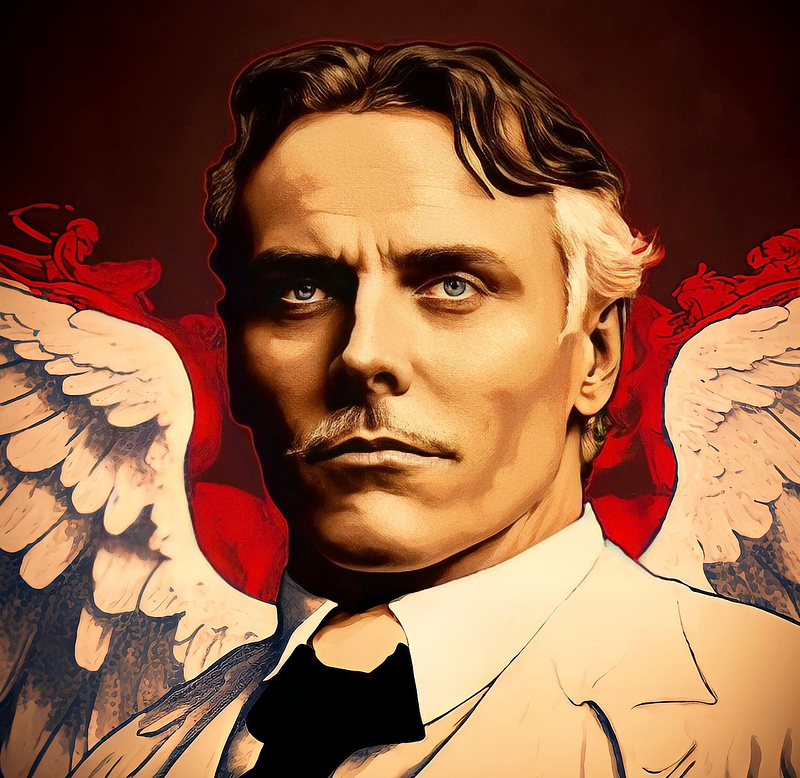
1. Luther and Calvin were pro-slavery
There’s a paradox in Protestantism: it talked about ‘freedom in Christ’, but really liked slavery—and did from the start. In 1526, German peasants revolted from serfdom, inspired by Martin Luther‘s teaching. But Luther encouraged the authorities to slaughter them.
As the scholar Anthony Bateza explains, Luther believed “a world where there were no serfs — or we might say, slaves — is a world in chaos.”
When the African slave trade started up, the Protestant leader John Calvin was asked about it, and naturally approved. As he said:
“…although it is necessary for some to have stewardship over the others, we ought rather to maintain equality among brethren.”
Let me translate. Slavery is fine, so long as white Christian men are the masters.
2. The KJV rewrote the Bible to support slavery
To Protestants, the King James translation of the Bible has been nearly divine. You aren’t told it was rewritten to be friendly to slavery.
I learned that in Aviya Kushner’s 2015 book The Grammar of God. She points out that many vivid references to slavery were revised and downplayed. In Exodus 1:13 in the KJV, we’d read: “And the Egyptians made the children of Israel to serve with rigor.”
‘Serve with rigor’? That seems noble. As Kushner explains:
“A literal translation would be: ‘And the Egyptians made the children of Israel work with breaking labor.’”
In Exodus 2:23, the KJV tells us “the children of Israel sighed by reason of the bondage, and they cried and their cry came up unto God…”
The word “sighed” is just invented. The Hebrew word means “groaning,” as the word “cry” means to ‘shriek’.
Kushner adds: “I wonder if it would have helped the abolitionist cause if all Bible readers in English could have sensed what God thought when God saw and heard slavery.”
3. Jonathan Edwards was a pro-slavery activist
Often called the ‘father’ of American Evangelicalism, Jonathan Edwards was famous for sermons like “Sinners in the Hands of an Angry God.”
His ‘God’ wasn’t angry at slavery. As scholars discovered only in the 1990s, Jonathan Edwards was a slaveowner and activist for slavery. He’d edited Bible verses in his sermons to remove anti-slavery talk. He’d distributed an essay praising slavery (later ‘lost’).
He lashed out at abolitionists. A local pastor had been under fire from his congregation for slaveowning. Edwards defended the man, saying those criticizing him did so “to the great wounding of religion.”
4. The religion invented the “Curse of Ham.”
It wouldn’t seem easy to get the Bible to support slavery. From Old Testament to New, the continuous talk is about freedom. “It is for freedom that Christ has set us free,” as Paul writes in Galatians 5:1.
But Christians in the American South saw whiteness as holiness, and they found a way to insert that idea into the Bible. In Genesis 9, there is a strange scene with Noah’s grandson, the son of Ham, being ‘cursed’. Southern white Protestants adopted the reading that ‘Ham’ represented Africans, and so the passage became a divine authorization of slavery.
Facts were cited to support this “Curse of Ham” reading. They explained that ‘Ham’ meant ‘dark’. It was total invention.
What is going on in Genesis 9 is unclear, but the idea of it being about Africans is utterly absurd. Evangelicals kept the idea going, year after year. In 1963, James Baldwin wrote in The Fire Next Time:
“I knew that, according to many Christians, I was a descendant of Ham, who had been cursed, and that I was therefore predestined to be a slave.”
5. John Newton was saved by Racist Grace
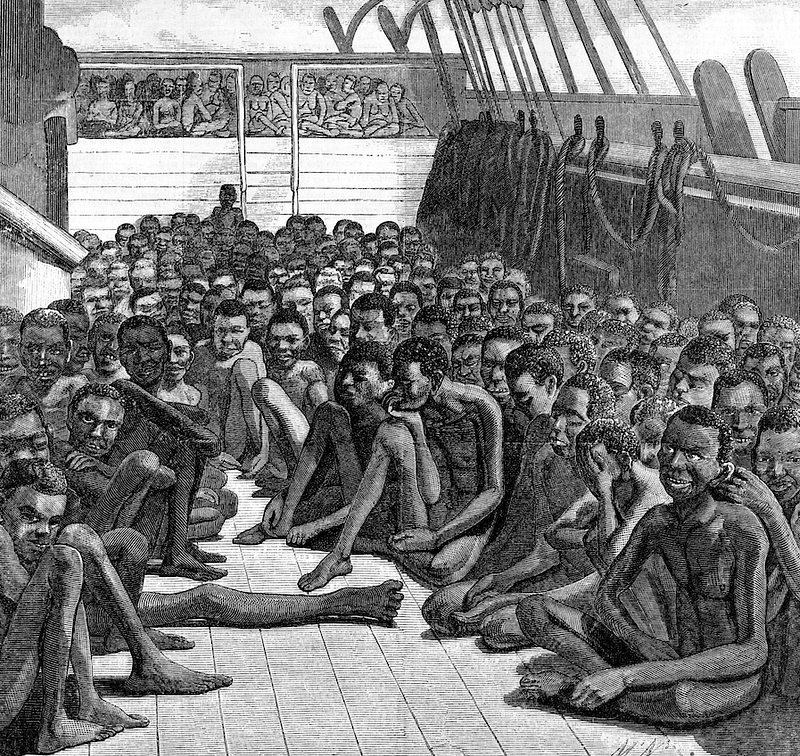
In the late 1700s, the idea started to spread in England that slavery was bad. Coincidentally, this was the time period that the United States was getting much stronger by using slavery.
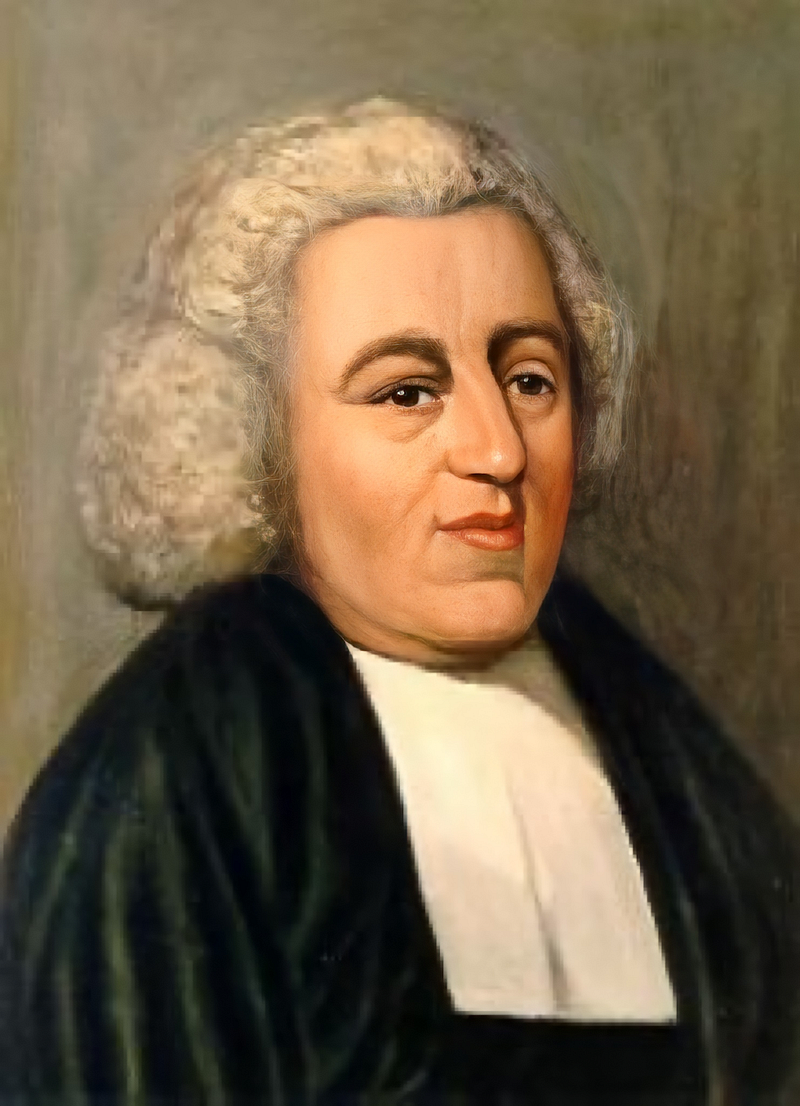
A British ex-slavetrader named John Newton wrote a song that would become beloved in the faith. In “Amazing Grace,” he wanted the world to know that he’d forgiven himself.
Newton wasn’t apologizing to his victims, and he wasn’t saying slavery is bad! As the scholar Irv Brendlinger notes: “there is nothing in all of Newton’s writing that speaks against the institution of slavery.”
6. D.L. Moody’s racist evangelism
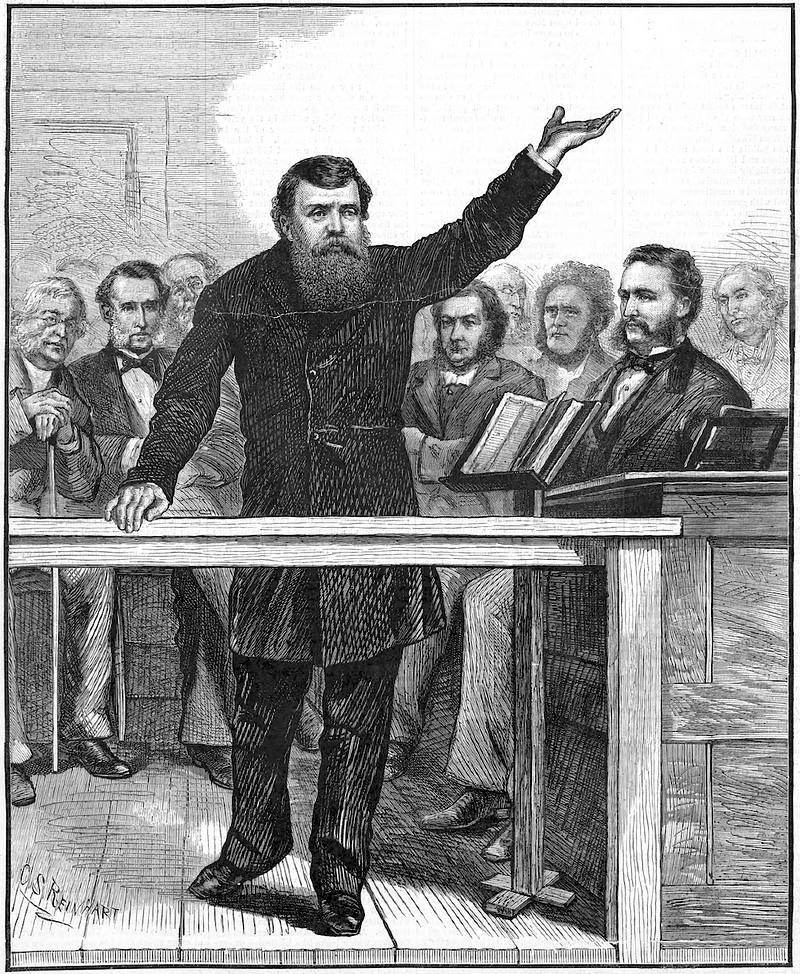
The name Dwight Moody still looms large in the Evangelical world. Many a Christian writer would be delighted to be published by Moody Press, as many Evangelicals attend Moody Bible College.
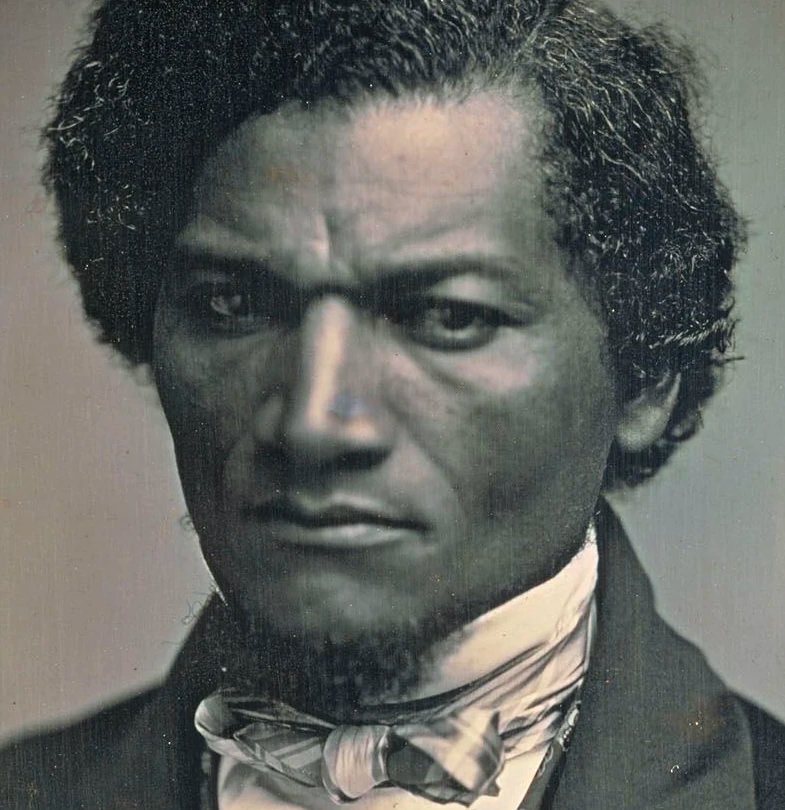
Moody was a traveling evangelist who did segregated rallies. It was shocking at the time. The ex-slave Frederick Douglass noted that, the same year, a prominent atheist had opened his speeches to all people.
Douglass remembered Moody in scorn:
“Of all the forms of negro hate in this world, save me from that one which clothes itself with the name of the loving Jesus…”
7. The KKK was a Protestant revival
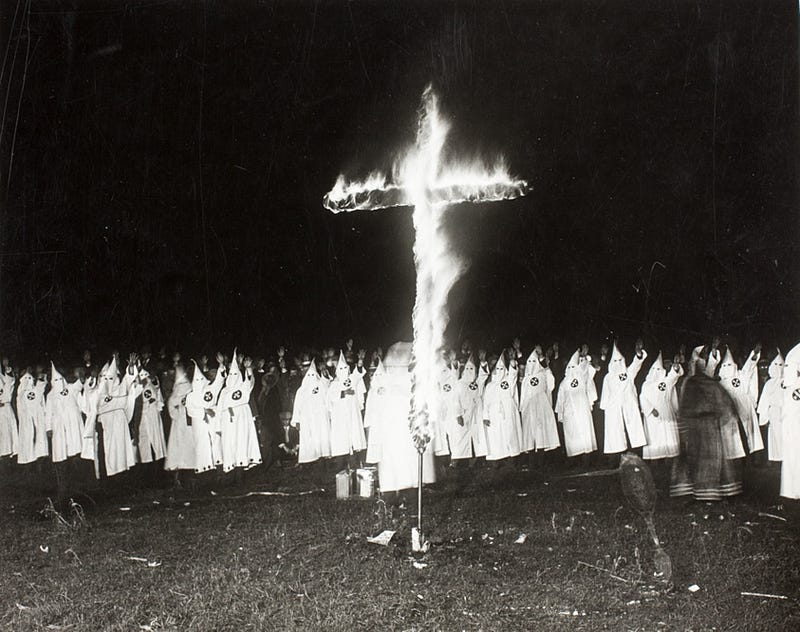
The film Birth of a Nation (1915) concluded with a vision of ‘Christ’. The Ku Klux Klan—particularly the second phase starting in the 1910s, as founded by a former Methodist pastor—was deeply religious. Their pledge included fealty to “the tenets of the Christian religion.”
It wasn’t just about hating Black people. As Kelly J. Brown writes:
“They claimed that Catholics, Jews, immigrants, and African Americans were all threats to the nation. The burning cross atop Stone Mountain marked the beginning of the second Klan’s fight to save America as a nation for only white Protestants.”
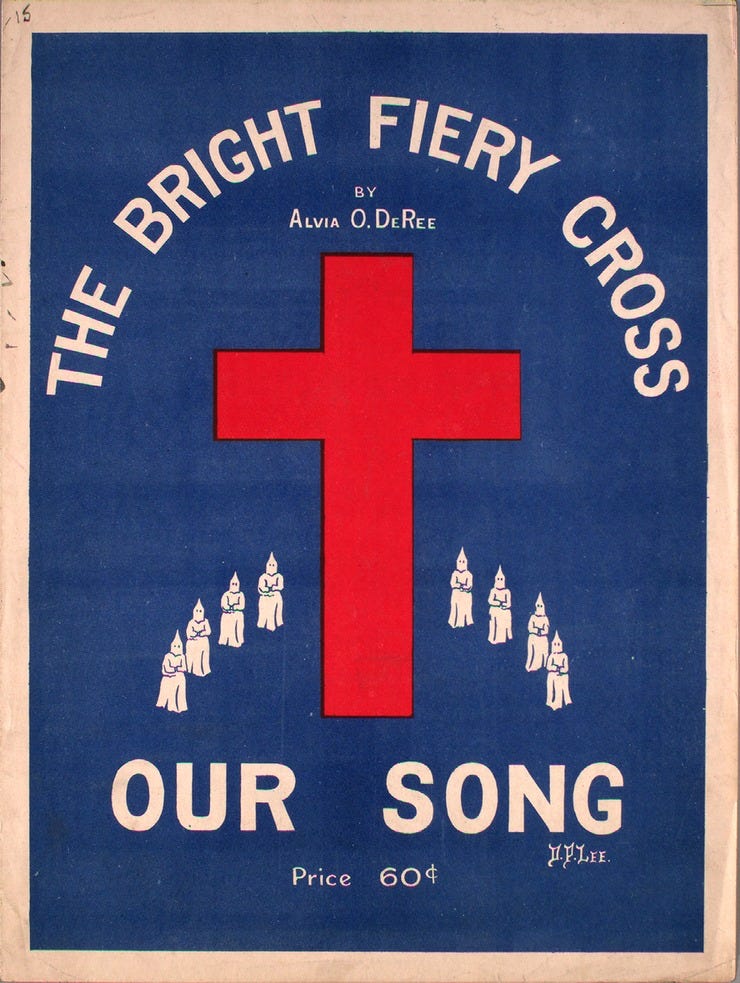
The famed evangelist Billy Sunday—who had segregated rallies—praised the group. His music leader co-wrote “The Bright Fiery Cross,” the hymn the group sang to their new, aggressive Christianity.
8. Scofield’s racist “Rapture”
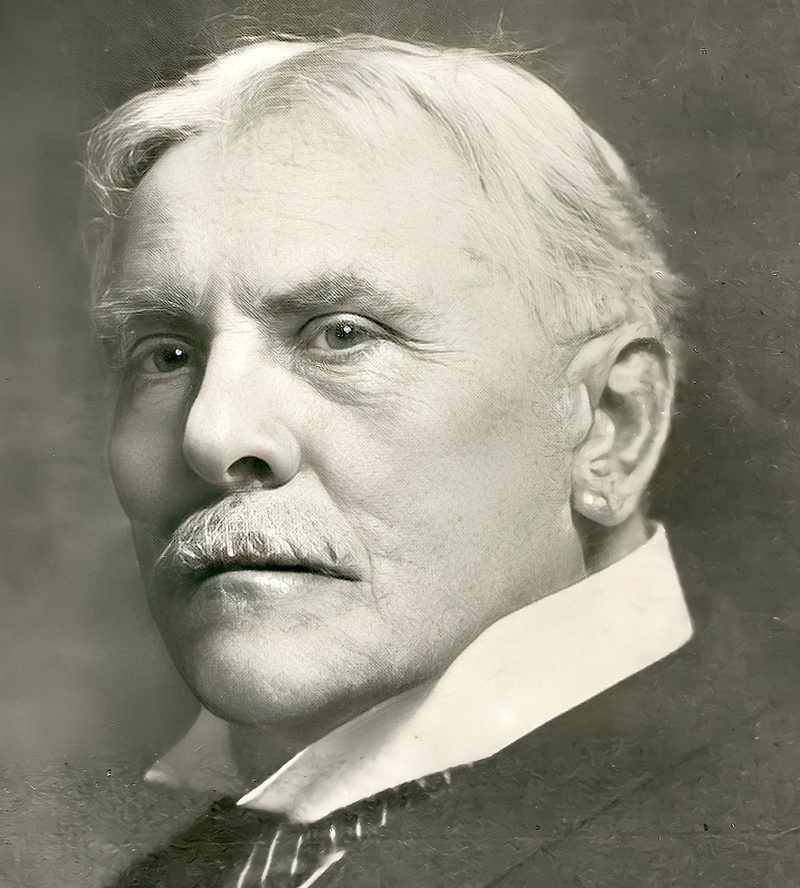
To examine Evangelical history, it’s a straight line back to the Confederate South. Consider C.I. Scofield, the ex-Confederate soldier who declared himself a Bible scholar, and compiled his famous Scofield Study Bible.
It was an acid blast of white supremacy—and received by a grateful religion. Southern Christians were trying to understand how they, the ‘elect’ people, had lost the Civil War. They were God’s favorites! Slavery was divine! That’s what they thought.
Scofield supplied the answer: the world was going to Hell on a biblical timeline. God was angering, and would unleash the Apocalypse—as they, the true Christians, would be lifted up to Heaven in the ‘Rapture’.
As the scholar Nathaniel P. Grimes writes in “The Racial Ideology of Rapture,” the Christians were eager to leave the earth they hated, and reach “a heaven untouched by Reconstruction.”
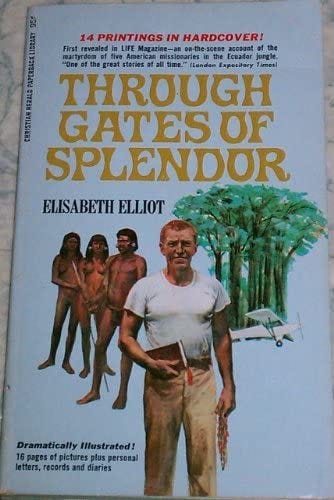
9. The “savages” of Ecuador
Modern Evangelicalism found its defining narrative in 1956 when five missionaries were massacred in the jungle of Ecuador. They’d gone to convert a reclusive tribe, and were speared to death by these Indian ‘savages’ they called the ‘Auca’. That was the story.
As presented in Elisabeth Elliot’s book, Through Gates of Splendor, the religion loved it. The missionaries were called ‘martyrs’, and seen as affirming the holiness of all Evangelicals. It was always a story about those wonderful white people. As the scholar Kathryn T. Long observes:
“The indigenous people were secondary, shadowy figures. Most important was the book’s portrayal of the drama of missionary life and its spiritual challenge.”
Elisabeth Elliot re-thought her own narrative as she got to know the tribe, and realized what the problem had been. The missionary men had expected the ‘Auca’ to be deferential to them. In a later book, she wrote:
“Other Indians with whom I have worked had to some degree bowed to the white man’s ‘superiority.’ The Auca had no such idea. He has not a reason in the world for thinking us his betters, and he probably has some very valid reasons for thinking us his inferiors.”
Such talk made little impression, and Through Gates of Splendor remained the Evangelical ‘classic’.

10. Ronald Reagan’s racist ascent
By the 1960s, Evangelicals began to want to re-enter politics, dreaming of a takeover of the national government. In the 1980 presidential election, the religion made a decisive choice—passing on Jimmy Carter, the born-again Christian, and going with Ronald Reagan.
The religion scholar Charles Marsh recalls the talk of the time: “Vote for the Gipper, and the South would rise again, and its name would be America.”
It might seem an odd association. Reagan was from California, divorced, and not too Christian. But he was ultra-racist, and that made the sale. It was more on view in private. In a 1971 tape discovered in 2019, he’d dismissed African nations at the United Nations:
“To see those, those monkeys from those African countries — damn them, they’re still uncomfortable wearing shoes!”
But that wasn’t far from Reagan’s public talk—like about the “welfare queen” he saw draining the Federal government dry. Or his assurances:
“I happen to believe that we’ve made great progress from the days when I was young and when this country didn’t even know it had a racial problem.”
During his presidency, Reagan worked to remake the Republican party. As the historian Jeremy D. Mayer writes:
“In 1964–1965, Republicans were more positive toward civil rights for blacks than was the average Democrat. By the time of the Reagan revolution, while most Republicans, unlike Reagan, accepted the broad achievements and worth of the civil rights movement, the civil rights wing of the Republican Party was largely dead…”
With Reagan’s exit, Mayer adds, the Republican party was left “almost incorrigibly white.” And Evangelicals had a new political home. 🔶


