
Top 10 Popular Superstitions Around The World
Tell me do you believe in any?
We all know about superstitions those beliefs that say certain things bring good or bad luck. They’re everywhere in every culture. Learning about these common superstitions can better understand how people see the world and why they do certain things for good luck or to avoid bad luck.
Breaking a Mirror:
Many worldwide believe that breaking a mirror brings seven years of bad luck. This superstition is rooted in the ancient Roman belief that mirrors held a connection to one’s soul. They thought that breaking a mirror would cause harm to the soul it reflected for a long time. This idea has persisted through various cultures leading to the widespread fear of the consequences of breaking a mirror.
Walking under a Ladder:

The thinking of avoiding walking under a ladder has its origins in ancient Egyptian culture. Egyptians considered the triangle such as that formed by a ladder leaning against a wallas a sacred symbol. Passing through it was seen as disrespectful and could bring about negative consequences. Over time this belief has become deeply ingrained in the collective consciousness causing people to steer clear of walking under ladders to avoid potential misfortune.
Friday the 13th

The fear associated with Friday the 13th known as paraskevidekatriaphobia ok dont get me wrong of spellings this is actual phobia and it has historical roots in various cultural and religious beliefs. In some cultures Friday has long been considered an unlucky day while the number 13 has been linked to different historical events with negative outcomes. As a result combining these two elements has led to the pervasive superstition that Friday the 13th is an especially unlucky day prompting people to exercise caution and avoid engaging in significant activities during this time.
Black Cats Crossing Your Path:
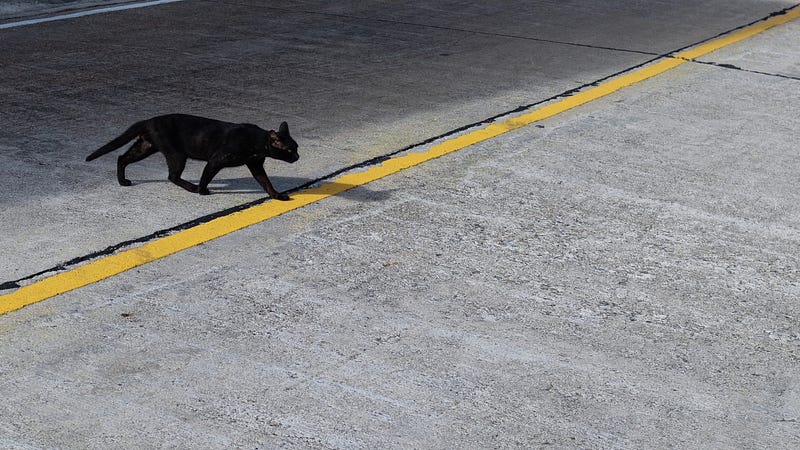
The belief that encountering a black cat brings bad luck has existed in many cultures for centuries. In Western cultures black cats have often been associated with witches and dark magic thus earning a reputation as symbols of ill fortune. This superstition finds its roots in ancient Celtic and Japanese folklore where black cats were considered harbingers of misfortune and were believed to bring bad luck upon those whose paths they crossed.
Opening an Umbrella Indoors:
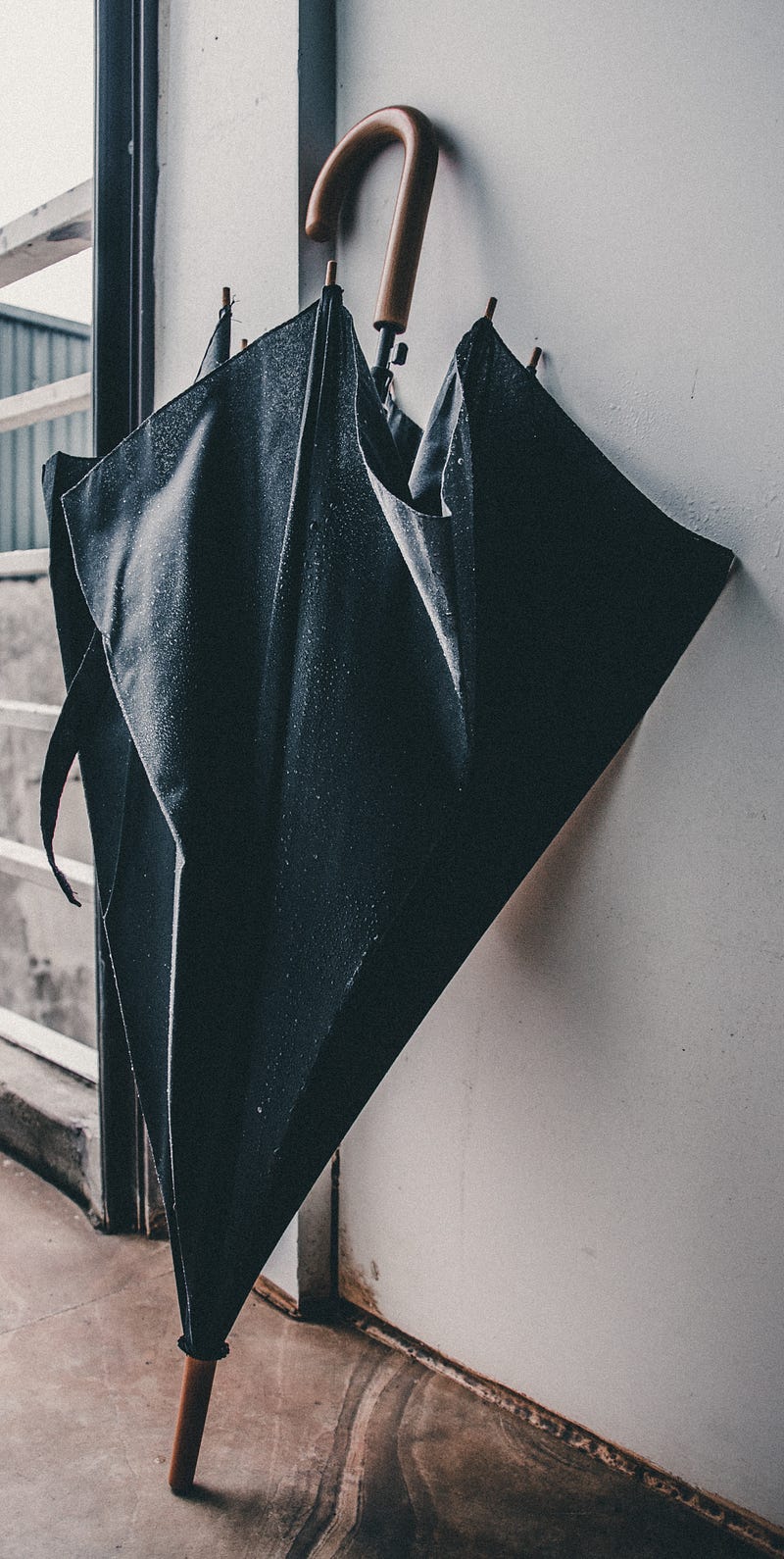
The superstition of refraining from opening an umbrella indoors is a widely recognized belief that doing so invites bad luck. Although the precise origin of this superstition remains uncertain it likely stems from practical considerations. Opening an umbrella in a confined indoor space can be hazardous and lead to accidental injuries or property damage. Over time this cautionary practice has evolved into a popular superstition with people avoiding opening umbrellas indoors to prevent any potential misfortune from befalling them.
Knocking on Wood:
Knocking on wood to avert bad luck or evil spirits is a superstition with ancient pagan roots. Early pagan cultures believed that benevolent spirits resided in trees and by knocking on wood people could awaken and invoke the protection of these spirits. This gesture was seen as a way to ensure their favor and safeguard themselves from any ill fortune or negative influences that may come their way.
Four-leaf Clovers:

The discovery of a four-leaf clover is widely considered a sign of good luck. This superstition traces its origins to ancient times when Druids revered the four-leaf clover as a sacred plant possessing mystical powers. The rarity of finding a four-leaf clover compared to the more common three-leaf variety further enhanced the belief in its magical properties and its association with luck prosperity and protection from harm.
Horseshoes for Good Luck:
Hanging a horseshoe over a doorway is a popular belief that is thought to bring good luck and ward off evil spirits. This superstition has its roots in the widespread ancient belief that iron possessed protective qualities against evil forces. The crescent shape of the horseshoe was seen as a symbol of good fortune believed to trap and hold positive energy thereby shielding homes from negative influences and bringing blessings to those who reside within.
Itchy Palms:
The superstition surrounding itchy palms indicating an upcoming financial gain or loss has been widely recognized in various cultures. Although the precise origin of this belief remains unclear it is often associated with the concept that the right hand is associated with giving. In contrast the left hand is linked to receiving. As a result an itchy right palm is interpreted as a potential sign of impending monetary expenditure or outgoing wealth. In contrast an itchy left palm is perceived as a harbinger of forthcoming financial gain or incoming prosperity.
Spilling Salt:

The superstition associated with spilling salt and the resulting bad luck finds its origins in the historical significance of salt as a valuable commodity. In ancient times salt was highly prized for preserving food and enhancing flavor. Accidentally spilling salt was believed to attract misfortune and conflict disrupting the harmony and balance that salt was meant to symbolize. To counteract this perceived negative influence people practiced throwing a pinch of salt over their left shoulder believing that this action would appease evil spirits and reverse any ill effects of the spilled salt.
I am Amna Fayyaz follow me and subscribe visit my referral link it will help me a lot