
Australians Say No To Indigenous Group Advising Parliament
Understanding the Implications and Debates Behind the Decision
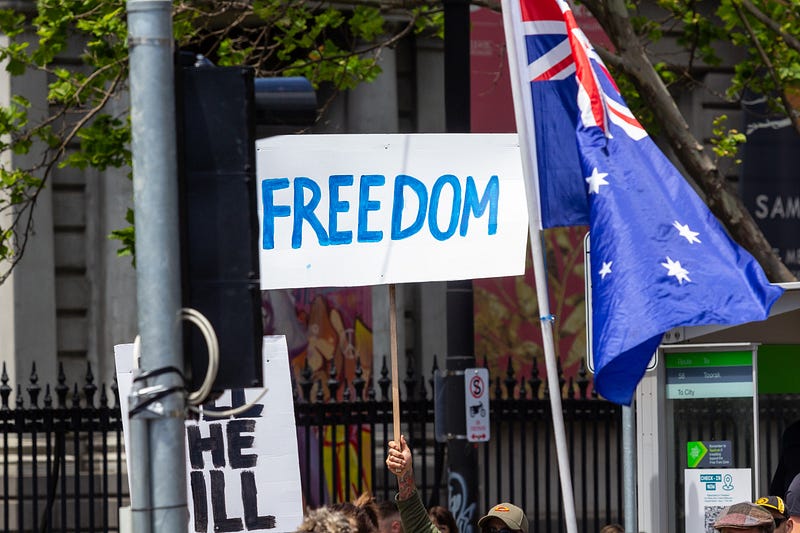
The recent decision by Australians to reject the formation of an Indigenous advisory group for Parliament has sparked widespread discussion and reflection on the country’s approach to minority representation and policy guidance.
Meet The First Australians
Indigenous Australians are the native people of the land, consisting of both the Aboriginal people of the mainland and the Torres Strait Islanders from the islands off the northeast coast of Australia. Collectively, they make up the Indigenous population of Australia. As of 2021, they represented about 3.8% of the total population, which marked a significant 23.2% increase over five years, as the Australian Bureau of Statistics reported.
Despite their rich cultural heritage, Indigenous Australians often face significant challenges. They experience a notably shorter life expectancy than the rest of the Australian population, with Indigenous men having a life expectancy of around 71 years and Indigenous women around 75 years. These figures reveal a considerable gap of nearly eight years compared to other Australians’ life expectancy.
What Is This Voice?
The concept of the Voice emerged as a proposal to establish an advisory body known as “an Aboriginal and Torres Strait Islander Voice.” The purpose of this body was to provide guidance and advice to the Australian Parliament and the government on matters concerning Indigenous communities. In the event of its implementation, the Voice would have the authority to communicate with the government and Parliament, presenting concerns and recommendations related to the well-being and rights of Aboriginal and Torres Strait Islander peoples.
However, questions remained about the selection process for the members of the Voice and the specific mechanisms through which it would effectively communicate and influence governmental decisions.
What Were The Reasons for Supporting And Opposing The Establishment Of The Voice?
Supporters of the Voice emphasized the urgent need for a dedicated platform to address the pressing issues Indigenous Australians face. They highlighted concerning statistics such as the notably shorter life expectancy, higher rates of diseases, limited educational opportunities, and disproportionately higher instances of suicide within Indigenous communities. Proponents believed establishing the Voice could lead to more informed and responsive policy decisions, fostering positive changes for Indigenous communities.
On the other hand, opponents expressed concerns about the potential implications of the Voice. Some argued that it could significantly alter the structure of Australia’s democratic system, potentially leading to unforeseen divisions within the society. Skeptics also raised the issue of potential legal ambiguities that could arise from the constitutional positioning of the Voice, leading to uncertainties in its function and impact.
What Was The Root Of This Idea?
The initial proposal for the Voice was put forward by a collective assembly of 250 Indigenous leaders who convened at Uluru in 2017. This significant gathering took place at Uluru, a culturally significant sandstone rock formation in central Australia, considered a sacred site by the traditional owners.
The Constitution?
The failure of the Voice marked the 37th unsuccessful referendum in Australia. To make changes to the country’s Constitution, proposed amendments must secure what is known as a “double majority.” This entails obtaining support from the majority of the Australian population and the majority of voters in most of the six states. While there have been 45 proposed changes since the Constitution’s establishment in 1901, only eight have been successfully passed through referendums.
The most recent referendum 1999, which included a question about Indigenous recognition in the Constitution, ultimately did not result in the intended constitutional amendments. Despite efforts to acknowledge the historical and cultural significance of Indigenous Australia.
I am Amna Fayyaz follow me and subscribe visit my referral link it will help me a lot