Top 10 Gay Men in Evangelical America
A religion has its secrets
If you thought that queer men in the Evangelical world were just the closeted choir directors of Southern Baptist churches — well, you’d be wrong.
This ‘Pride’ month, I’m thinking about a difficult place to be gay, gayish or otherwise ‘queer’: in America’s largest religion. Evangelicalism doesn’t point them out, but fear not!
They’re there.
1. King James I (1566–1625)
I guess it must be God’s sense of humor that the most famous name in Evangelicalism—other than “God”—is an openly gay man.
Sometimes I even get a little giddy and refer to homosexuality as ‘the King James Perversion’.
James I was the English king who sponsored the ‘King James Version’, or KJV, which became the sacred text of Protestantism. The religion won’t tell you about him, but historians will. In 1963, Maurice Ashley reports: “Of Mary’s only child, King James I, one must accept that fundamentally he was a homosexual.”
A speech by James to his privy council has him justifying his sexuality on the grounds that Jesus was gay too!
“I wish to speak in my own behalf and not to have it thought to be a defect, for Jesus Christ did the same, and therefore I cannot be blamed. Christ had his John, and I have my George.”
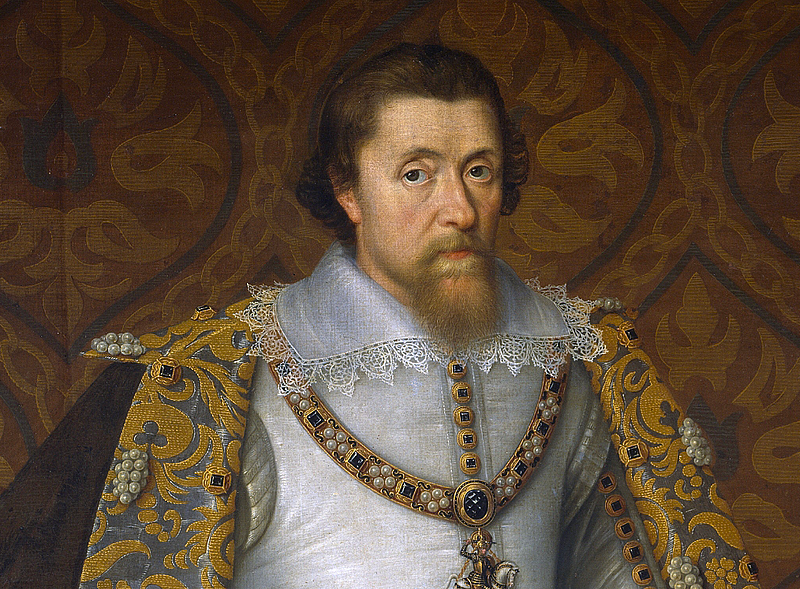
A 2007 paper by Christian scholars Donald Capps and Nathan Steven Carlin, “The Homosexual Tendencies of King James: Should this Matter to Bible Readers Today?,” tries to talk Christians through the evidence.
A difficult task.
2. George Frederic Handel (1685–1759)
Evangelicals aren’t much into art, and art isn’t into them either. But one major composer, Handel, is religiously acceptable, and because of a single work: the Messiah. In 1940, when Billy Graham took Ruth Bell on their first date, it was a performance of this jubilant masterpiece.
The religion likes to say that Handel was a great man of God, a devout Protestant, etc. Otherwise, not a lot is known. Handel never married and his private life is a mystery. Asked once if he favored the “love of women,” he replied that he didn’t have time for anything but music.
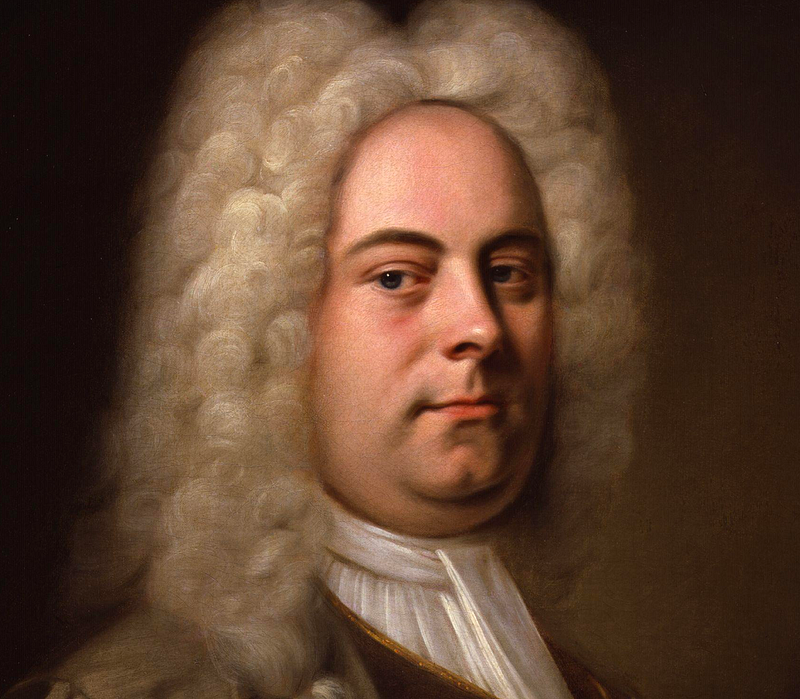
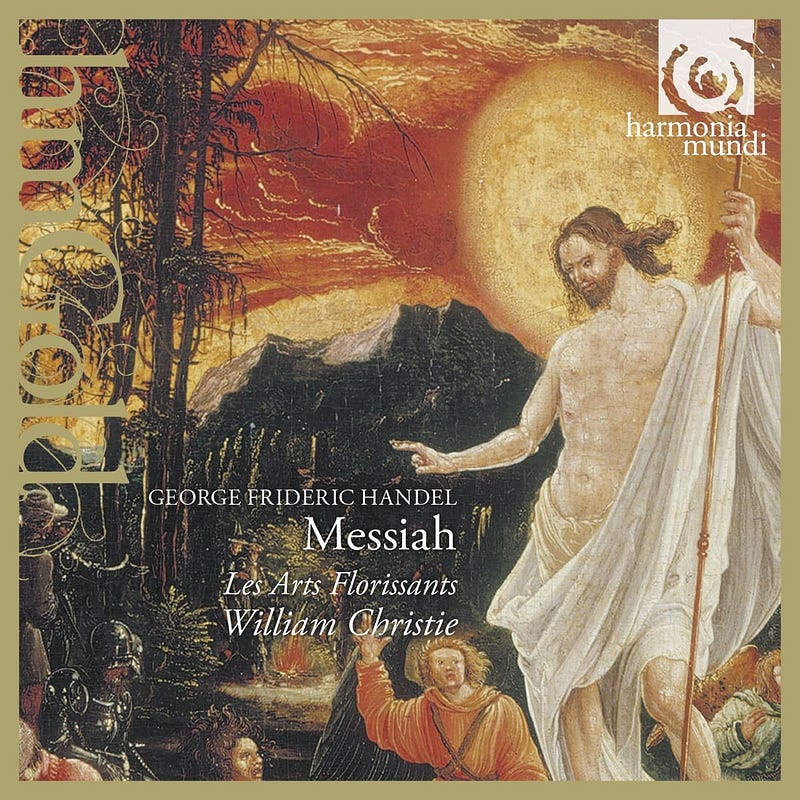
Scholars have inched toward the idea that he was probably gay. In a 2006 paper, “‘Was George Frideric Handel Gay?’: On Closet Questions and Cultural Politics,” Gary C. Thomas suggests that it accounts for “virtually every aspect of the composer’s life . . .”
3. George Whitefield (1714–1770)
He was the greatest ‘evangelist’ of his day, and a huge influence over colonial America. His evident homosexuality was tracked in Glen O’Brien’s 2017 paper, “‘A divine attraction between your soul and mine’: George Whitefield and same-sex affection in 18th-century Methodism.”
Whitefield’s own memoirs portray him as a sensitive boy who cried when teased by bullies, as he ran home to pray. He did a lot of theater and was often cast as a girl. It wasn’t much of a stretch.
He loved bathing with men, sleeping in the same bed with men, and holding hands. He’d speak openly about “an abominable secret Sin” that he had all his life. It all resolved in his evangelism. People had never seen anything like it. O’Brien writes:
“Tears in the pulpit, highly emotionally charged language, dramatic reenactments of biblical scenes, and appeals to the affections, later to become standard among revivalist preachers, were something quite new in the 18th century.”
Would that make ‘evangelism’ — as a mode of performance — a queer genre?
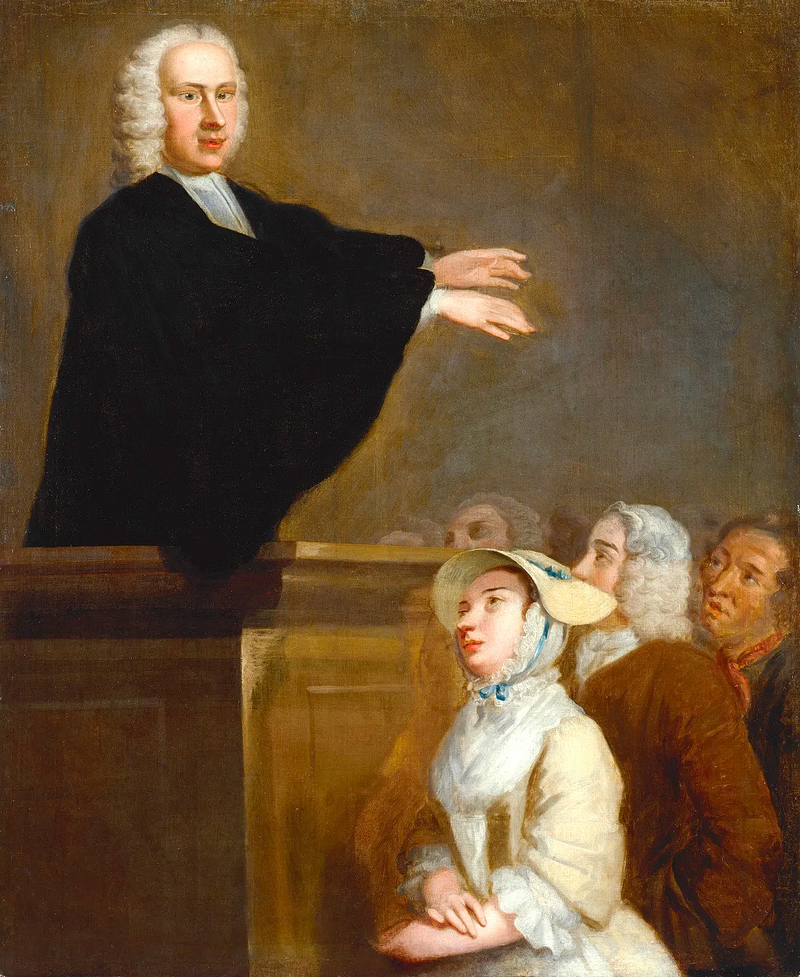
Whitefield married a woman, but it was a weird contrivance.
In Christianity, that’s allowed.
4. Tolkien’s Bilbo Baggins
If one was to focus on a gay character in J.R.R. Tolkien’s fiction, perhaps the slithering, obsessive monster Gollum might seem a more apt choice. As the critic David LaFontaine notes, the character reads as a “lisping Hollywood stereotype of a bitter queen.”
But I prefer Bilbo Baggins, the adventurous man who, from the 1937 novel The Hobbit onward, propels a world-changing story into motion.
Tolkien was teasing on the subject of Bilbo’s sexuality. In the Unfinished Tales, the wizard Gandalf notes that Bilbo “never married. He was already growing a bit queer, they said, and went off for days by himself.”
In another version of the text, Gandalf says:
“…he had never married. I thought that odd… I guessed he wanted to remain ‘unattached’ for some reason deep down which he did not understand himself — or would not acknowledge for it alarmed him.”
In a 2001 paper, “‘Queer Lodgings’: Gender and Sexuality in The Lord of the Rings,” David M. Craig notes these passages, and adds that the word ‘queer’ at the time did suggest a state that was sexually different.
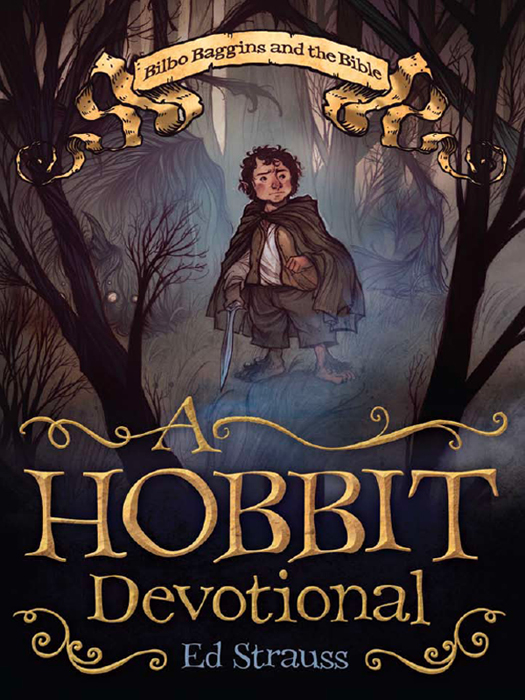
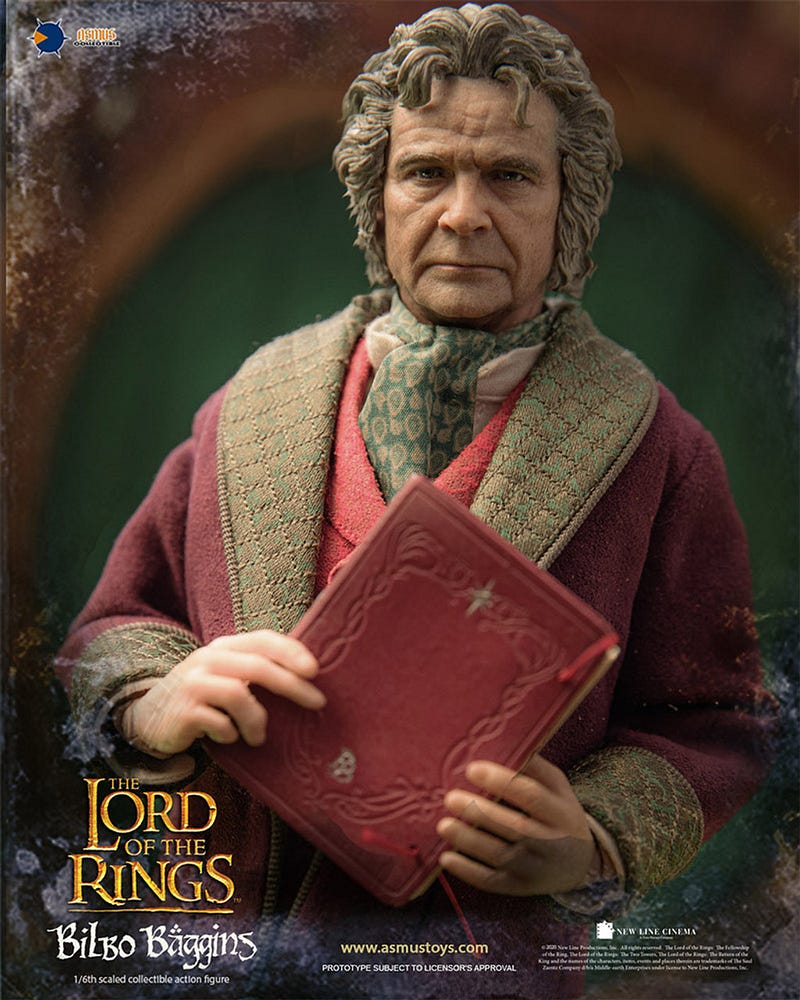
Bilbo is a wonderful model for the religion: an icon of adventure, literacy, storytelling, and fun-loving.
And his story is quintessentially queer: a man who lives alone in a stylish residence, goes on trips, writes books, and meets men in the dark.
5. Dietrich Bonhoeffer
He’s called the “patron saint” of Evangelicalism. A brilliant German theologian, he did try so hard to be a “good” Christian. Not that he ever was, really. He couldn’t bring himself to marry—or not to a woman.
He liked a man named Eberhard Bethge. They took to living together. It made Dietrich Bonhoeffer happy, though he didn’t know why.
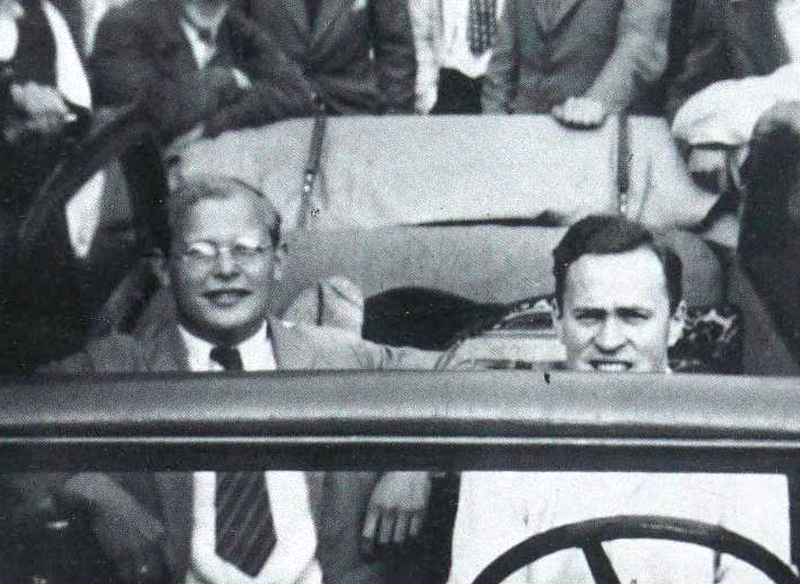
In his Christian writings, Bonhoeffer never condemned homosexuality. He may have known very little about it, but he declined to participate in the beatdowns. He started to write the religion for himself.
“Sexuality is nothing but the ultimate possible realization of belonging to each other,” he writes in Creation and Fall.
“Sexuality,” as he writes in his Ethics:
“…is not only a means of procreation, but, independent of this purpose, embodies joy within marriage in the love of two people for each other. As all this indicates, the meaning of bodily life never revolves around being a means to an end, but is fulfilled only by its intrinsic claim to joy.”
He turned to poetry, trying to define some difficult, intangible fact about himself:
“Who am I? This or the Other? Am I one person today and tomorrow another? Am I both at once? A hypocrite before others, And before myself a contemptible woebegone weakling? Or is something within me still like a beaten army Fleeing in disorder from victory already achieved?”
What he’s feeling, he calls his “disorder”—when the Christian soul is imagined as ordered. When everything should make sense, it didn’t.
I wrote of the long process of recognising his sexuality in “Outing Dietrich Bonhoeffer.” It’s a story of a Christian hero being recognized as a different type of being—something Bonhoeffer may never have fully understood.
6. Jim Elliot (1927–1956)
He’s been the saintly hero of Evangelical Christianity. I was raised with the great Jim Elliot as a life model. I’ll always remember the day when I realized that he was probably gay.
Was it ever a secret? Though everything known about him was filtered through his widow, Elisabeth, it wasn’t much of a heterosexual portrait. In her 1959 biography, Shadow of the Almighty, a friend is quoted:
“Jim was extremely wary of women, fearing that they only intended to lure a man from his goals. ‘Domesticated males aren’t much use for adventure,’ he warned me.”
In college, Jim was called “woman hater,” she reports. He deeply loathed the idea of getting married. It was just thought to be…God?

My infamous post “The ‘Purity’ Hoax,” now at 102k views, laid out a suspicion he was queer. Later I went through the Elliot archives at Wheaton College, finding Jim’s laments over a problem he wouldn’t name.
His journal is famous. But he confided more in his book of poetry, one of the many suppressed texts I found there.
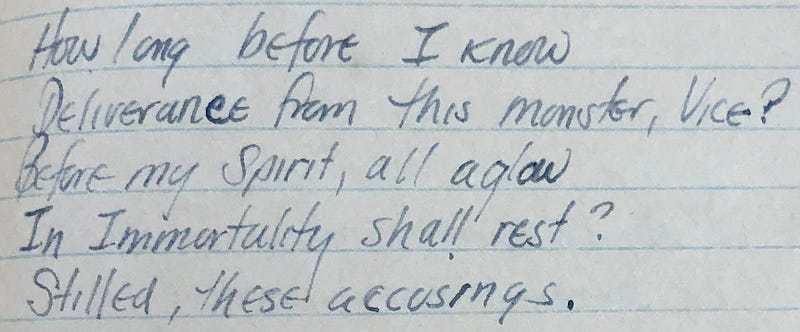
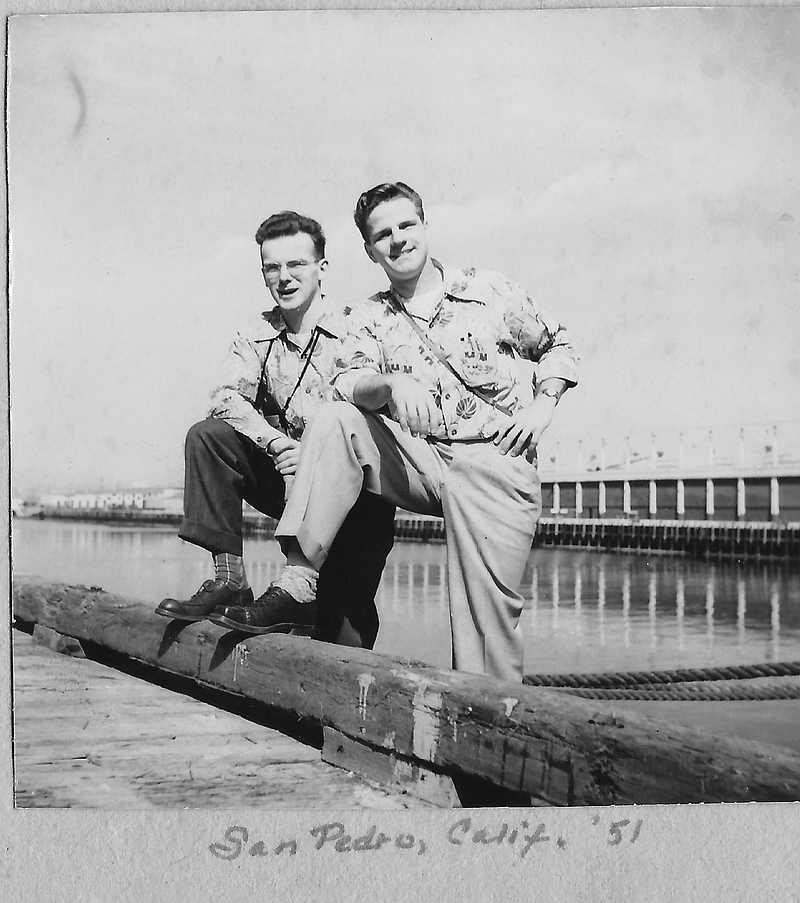
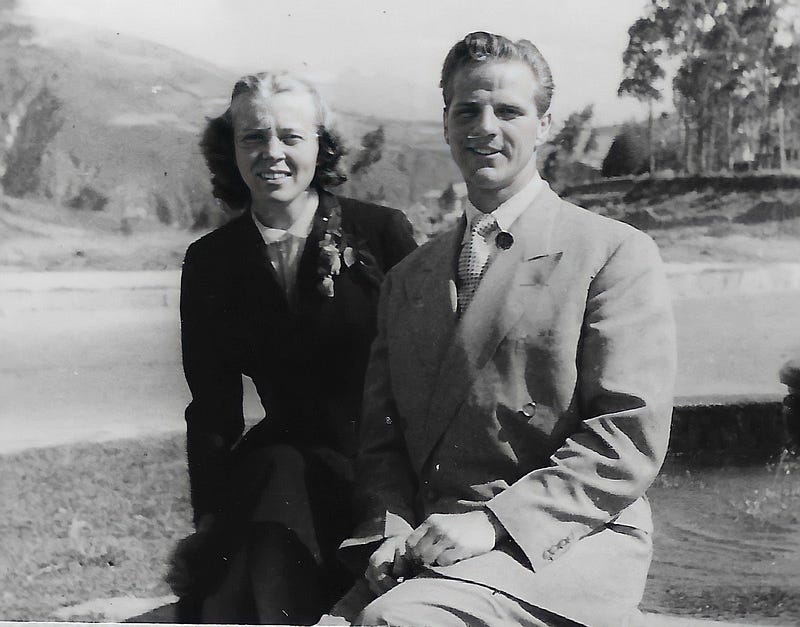
I disclosed his long-suppressed final journal entry, where he sits in the jungle of Ecuador, ruminating on a failed marriage.
“Betty thinks I have been angry with her, when really I have simply had to steel myself to sex life so as not to explode. How can I ever make her understand this kind of thing — she apparently feels no passion ever except for me? And my unworthiness of her love beats me down.”
He had a problem, “this kind of thing” he calls it, as he’d previously called it his “vice” or “monster.” I think it was just Jim.
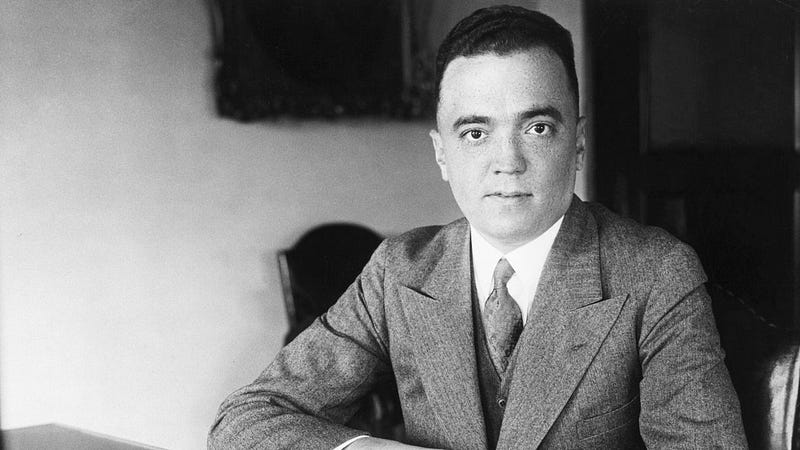
7. J. Edgar Hoover (1895–1972)
The legendary director of the FBI was a hysterical public prude, a racist, and also a secretly gay Black cross-dresser—and a fervent Evangelical Christian.
I’ve been reading the new book The Gospel of J. Edgar Hoover by Lerone A. Martin, which starts out with the provocative question:
“Why was Hoover deemed the aspirational model of white Christian manhood and the foremost protector of family values when he never married, but for more than three decades enjoyed a domestic partnership with the FBI’s second in charge, Special Agent Clyde Tolson? And, perhaps most important, what does this glorification of J. Edgar Hoover tell us about the FBI and modern white evangelicalism?”
Probably a lot.
8. Walter Hooper (1931–2020)
If you know the name of Christian hero C.S. Lewis, it’s not because of the religion. When Lewis died, everyone around him saw him as a period writer who’d quickly fade out.
But a young scholar from America had a dream of Lewis being a major figure in Christianity. After being kicked out out of an Episcopal seminary, not allowed to be ordained after a check of his sexuality, Walter Hooper worked for Lewis briefly as a secretary—later suggesting there’d been a romantic hint to their time together.
For the rest of his life, Hooper devoted himself to collecting Lewis’ writings and re-presenting him to the public as a Christian sage.
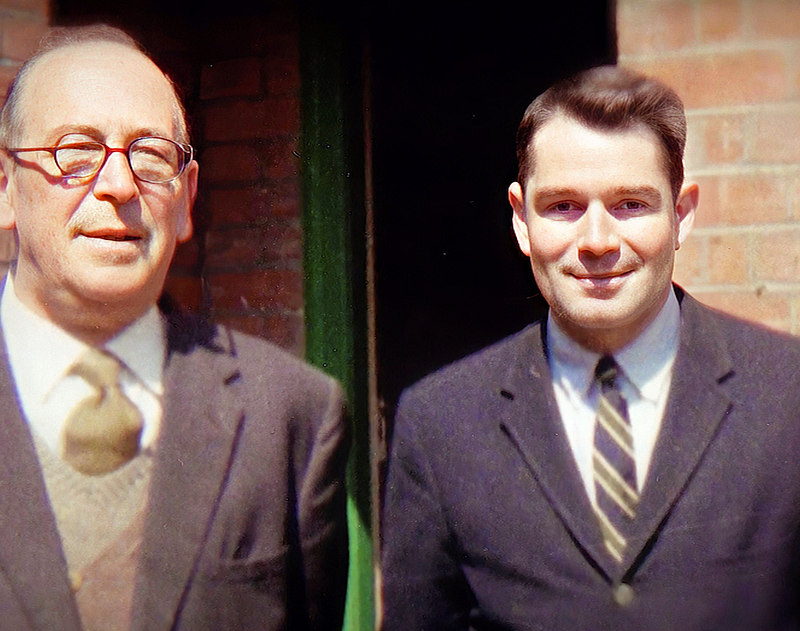
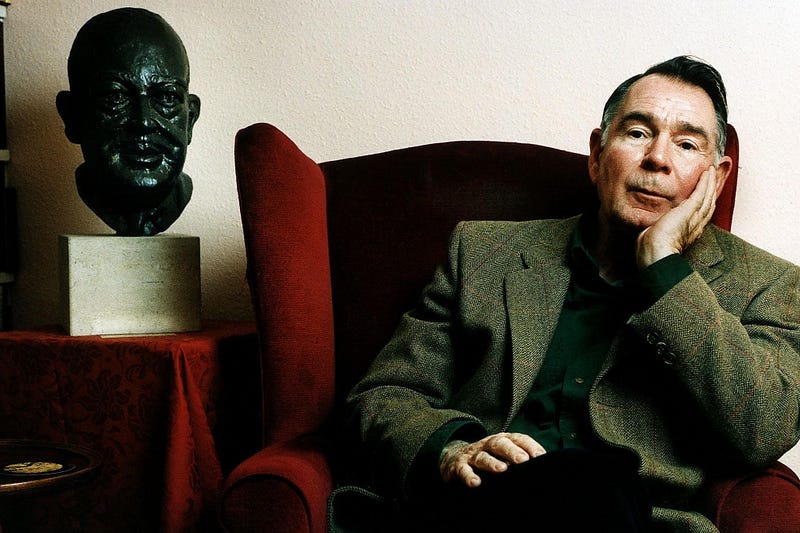
Hooper died in 2020, to be widely credited with launching the Lewis phenomenon. As I detailed in my post “Was C.S. Lewis…heterosexual?” Hooper reads to me as gay, very clearly so, and was described as gay by his great antagonist, Kathryn Lindskoog, in her masterpiece of Evangelical gay panic, the 2001 book Sleuthing C.S. Lewis.
No one else would breathe a word of it.
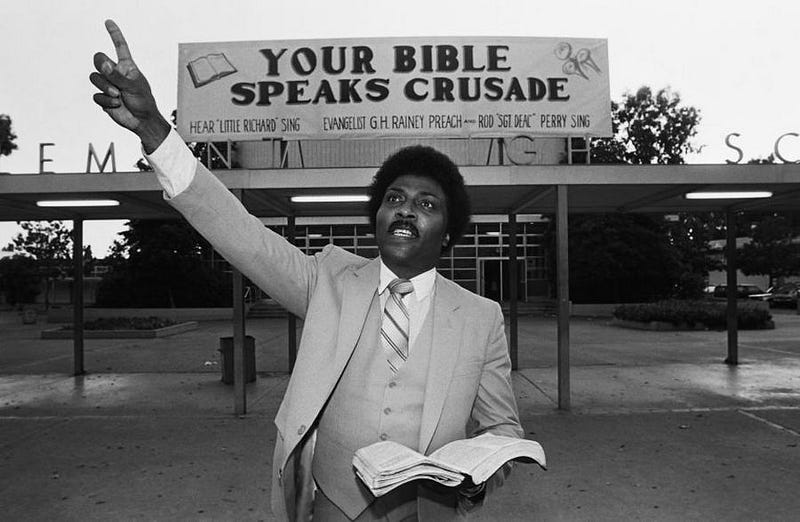
9. Little Richard (1932–2020)
A Southern Baptist boy would be known as everything from Richard Penniman to Princess LaVonne, though mostly as ‘Little Richard’. His 1955 queer anthem “Tutti Frutti” made him a star, and he became a world-shaping, and church-shaping force.
In saying his name I recall that ‘Paul’ — the name of the Bible’s apostle — is just the Greek word for ‘little’. As much as any Christian hero, a ferocious contention with God burned in the soul of Little Richard, who often styled himself as a preacher, with a twist and shout.
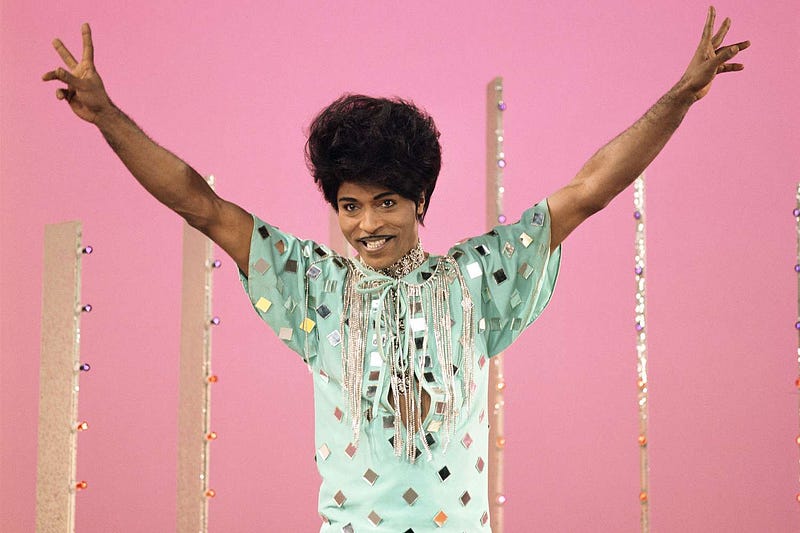
Little Richard was in permanent crisis with his diva worship and homosexuality. As he would declare himself straight and “relapse,” I take him to have created the “ex-gay” movement.
If this might seem regrettable, then one might reflect that until then, gays were not even acknowledged in Evangelicalism.
Little Richard could not leave the church, as many gay men had. The church was his home, and he shocked Christianity into recognising the existence of queer people.
10. Rich Mullins (1955–1997)
To this day, Evangelicalism has a single singer-songwriter of artistic importance, and the religion has always known Rich Mullins was gay. That’s what I’ve concluded, at the end of my epic post, “Was Rich Mullins Gay?” (now at 81k views).
Never married, calling himself a “sissy” and going on about his “secret sin”—while travelling with handsome young men—Mullins was…semi-uncloseted? “If people knew the stuff I struggled with, they would hate me,” he’d say. It passed without comment.
After my post, Mullins’ biographer told the New York Times that Mullins once told him of “dark seasons of sin” in his past. The details, apparently, are never to be disclosed. Welcome to Evangelical biography.
I do think they knew—and accepted him, on terms of secrecy, because Rich Mullins had light in his soul and it came out in his music. He was divine, and for some reason, he chose to be among them. 🔶