
Top 10 Active Ransomware Gangs: Geopolitics, Origin and Targets
Discover the geopolitical alignments, target countries, and industries of the most active ransomware groups currently in operation and learn how to protect your organization from their attacks.
Introduction:
Ransomware is a type of malicious software that encrypts a victim’s files and demands payment in exchange for the decryption key. Ransomware attacks have been on the rise in recent years, with large organizations and individuals alike falling victim to these types of attacks. The purpose of this article is to provide a detailed overview of the top 10 ransomware gangs currently active, including information on their geopolitical alignment, target countries, and target industries.
Factors for Alignment:
Geopolitical alignment of ransomware gangs can be determined by a number of factors, including the language used by the hackers, the location of their command and control servers, and the location of their target victims. Additionally, the tactics, techniques, and procedures used by the ransomware gangs can also provide clues as to their origin and alignment.
Top 10 Ransomwares:
Lockbit Ransomware:
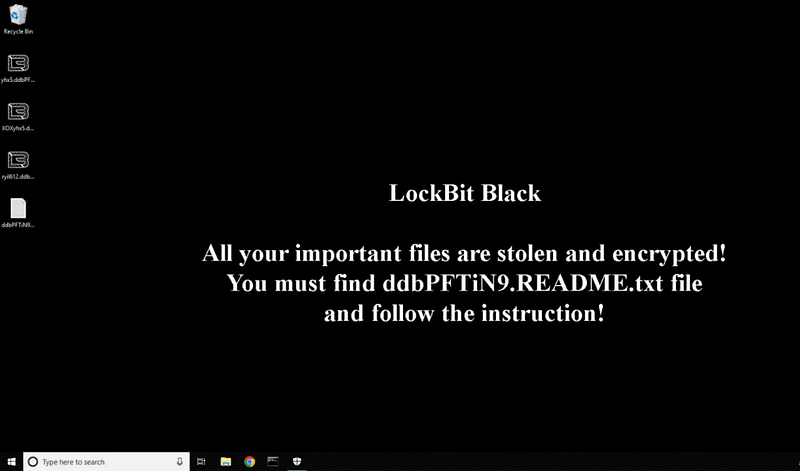
This ransomware is believed to have been developed by a group of Russian-speaking hackers and is known for its targeted attacks on large organizations, particularly in the healthcare sector. The group behind Lockbit is known for its ability to spread laterally within a network and for its use of a sophisticated command and control infrastructure. The group has been active since at least 2020.
Conti Ransomware:
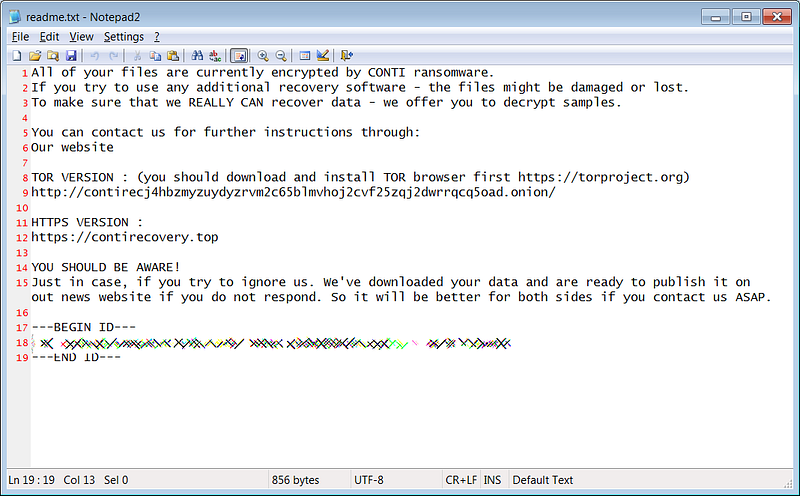
This ransomware is believed to have been developed by a group of Russian-speaking hackers and is known for its targeted attacks on large organizations, particularly in the healthcare sector. The group behind Conti is known for its use of a double extortion technique, similar to Maze and Egregor. The group has been active since at least 2020 and is believed to have ties to the Russian-speaking cybercrime group known as Wizard Spider.
Vice Society Ransomware:
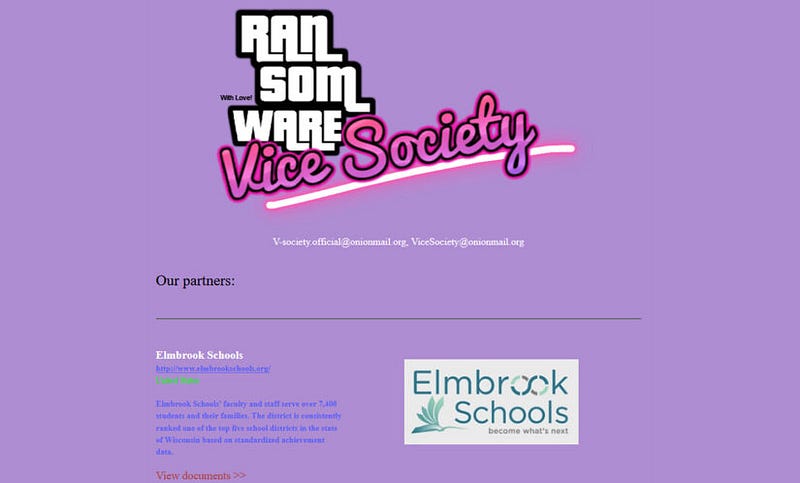
This ransomware is believed to have been developed by a group of Russian-speaking hackers and is known for its targeted attacks on large organizations, particularly in the healthcare sector. The group behind Vice Society is known for its use of a sophisticated malware loader to evade detection and for its use of a custom encryption algorithm. The group has been active since at least 2020.
BlackBasta Ransomware:
This ransomware is believed to have been developed by a group of Arabic-speaking hackers and is known for its targeted attacks on large organizations, particularly in the energy sector. The group behind Blackbasta is known for its use of a sophisticated malware loader to evade detection and for its use of a custom encryption algorithm. The group has been active since at least 2019.

Blackbyte Ransomware:
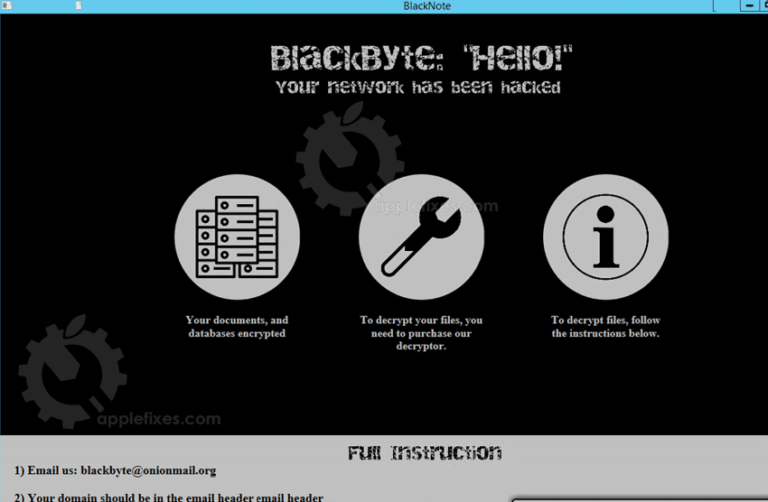
This ransomware is believed to have been developed by a group of Russian-speaking hackers and is known for its targeted attacks on large organizations in various industries. The group behind Blackbyte is known for its ability to encrypt files and steal sensitive information from infected systems. The group has been active since at least 2020.
Sodinokibi (also known as REvil) Ransomware:
This ransomware is believed to have been developed by a group of Russian-speaking hackers and has been used in attacks on both individuals and large organizations. The group behind Sodinokibi is known for its use of a sophisticated affiliate model, where other criminal groups can purchase and use the ransomware in their own attacks. The group has been active since at least 2019 and is believed to have ties to the Russian-speaking cybercrime group known as the Golem Group.
Ryuk Ransomware:
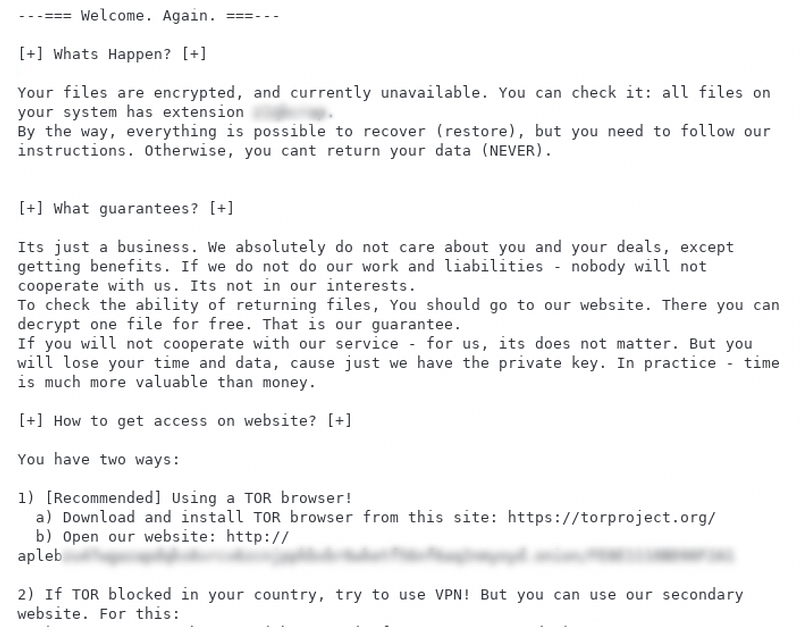
This ransomware is believed to have been developed by a group of Russian-speaking hackers and is known for its targeted attacks on large organizations, often in the healthcare and financial sectors. The group behind Ryuk is believed to have ties to the North Korean state-sponsored hacking group Lazarus, and has been active since at least 2018.
Maze Ransomware:
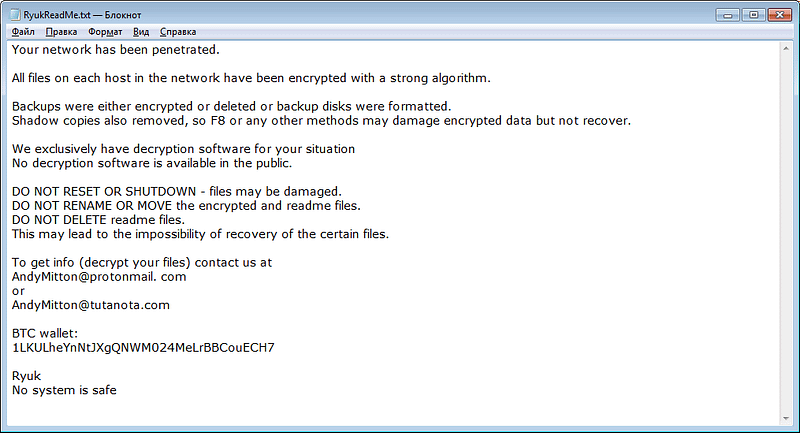
This ransomware is also believed to have been developed by a Russian-speaking group and is known for its use of double extortion, where the attackers threaten to release stolen data in addition to encrypting it. The Maze group is known for its thorough reconnaissance of target networks and its use of custom tools to move laterally within a network. The group has been active since at least 2019 and is believed to have ties to the Russian cybercrime group known as Wizard Spider.
Egregor Ransomware:
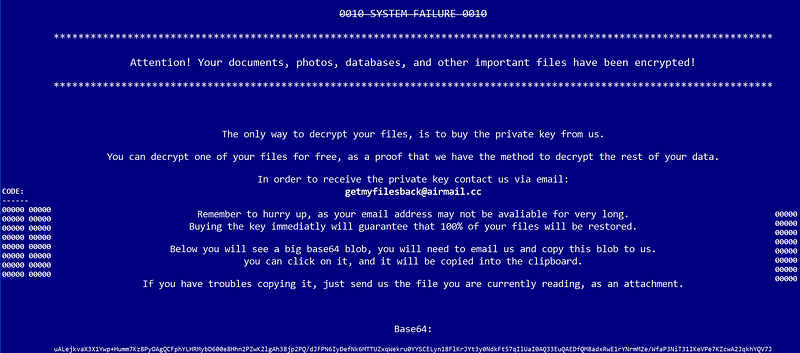
This ransomware is believed to have been developed by a group of French-speaking hackers and is known for its use of a double extortion technique, similar to Maze. The group behind Egregor is known for its targeted attacks on large organizations and its use of a custom malware loader to evade detection. The group has been active since at least 2020 and is believed to have ties to the Russian-speaking cybercrime group known as the Sednit group.
Royal Ransomware:
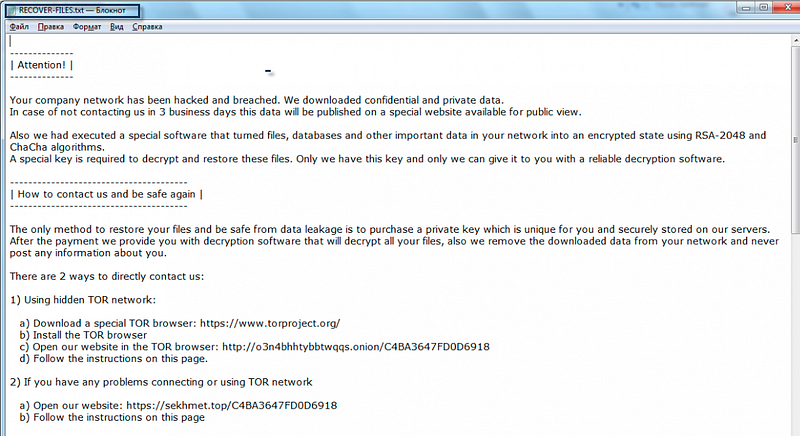
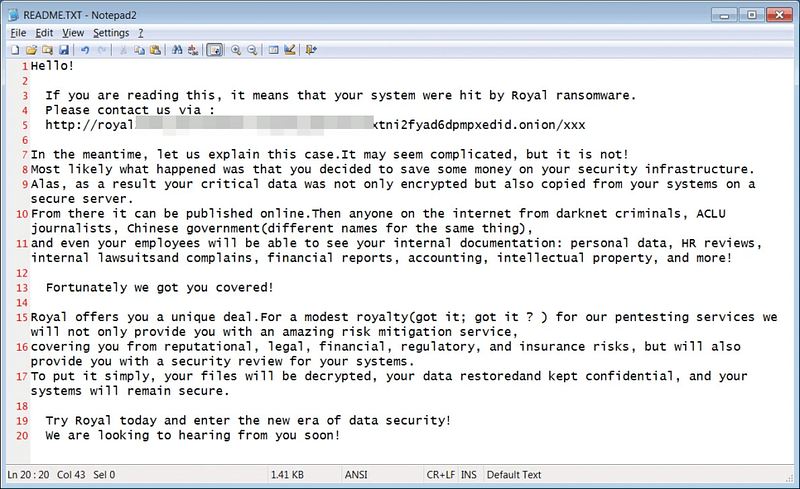
Royal Ransomware is a type of malicious software that encrypts a victim’s files and demands payment in exchange for the decryption key. This ransomware is believed to have been developed by a group of Russian-speaking hackers and is known for its targeted attacks on large organizations, particularly in the healthcare and financial sectors. The group behind Royal Ransomware is known for its use of a sophisticated malware loader to evade detection and for its use of a custom encryption algorithm. The group has been active since at least 2020.
Conclusion:
Ransomware attacks have become a major threat to organizations and individuals alike. The top 10 ransomware gangs discussed in this article represent some of the most active and sophisticated groups currently operating in the cybercrime landscape. It’s important for organizations to be aware of these groups and to implement effective security measures to protect against these types of attacks. Additionally, organizations should have a good incident response plan in place, and be prepared to act quickly in case of an infection.
Like My Work? Then Why Don’t You Support Me:
Buy Me A Coffee!
Also From Author:
- How My Article Ranked on Google #1 Page With SEO
- Creating Darkweb Crawler using Python and Tor
- Using ChatGPT to Create DarkWeb Monitoring Tool
- How to Find Compromised Credentials on Darkweb?
- Can TOR Keep You Anonymous? See How FBI Arrested An Illegal TOR User
- Explore Darkweb With These Surface Web Resources: A Large Collection of Darkweb Onion Links
- Don’t Get Arrested! Should You Use VPN for Bug Bounty Hunting?
- Hidden Secrets of LockBit Ransomware Revealed!!!
- Cyber Threat Intelligence is Not Just Indicators of Compromise. Fact Check!
- The Art of Assessing Cyber Threats: How to Identify and Mitigate Real Risks as a Pro
- Top 10 Active Ransomware Gangs: Geopolitics, Origin and Targets
- Beyond Dark Web: Telegram Emerges as the New Hub for Threat Actors
- You won’t believe how this AI tool can build a website in minutes!
- The ChatGPT Addiction: 3 Reasons Why ChatGPT Will Make You Obsessed!
- Know Your Adversary: Cuba Ransomware
- Ransomware Negotiations: Do’s and Don’ts
- How I Earned My First Bug Bounty Reward of $1000
- How to Succeed in Bug Bounty?
- Top 7 Tips to Succeed in Bug Bounty Programs
- How to Get a Job in Cybersecurity?
New to trading? Try crypto trading bots or copy trading on best crypto exchanges


