
To My Fellow Avid eBook Lovers
Why I prefer e-book format to print novels

In 2015, I read a book review online. Afterwards, I purchased the Amazon Kindle version. Today, I needed to refer to the contents of the book while discussing with a friend on a subject of common interest. Both the book review (clipped to Microsoft OneNote) and the Amazon Kindle version of the e-book are still resident and synchronized to my laptop and other devices.
The insights I gained from a book I read 5 years ago are just a few clicks away from my reach and reuse. This is the reason I prefer e-book formats to hard copies. Often, I also buy e-versions of my hard copy books. But no hard copy book comes with the ease of such speedy recall and reuse. My book might have gone missing, torn or out on a loan mission to a friend or relation I can no longer remember.
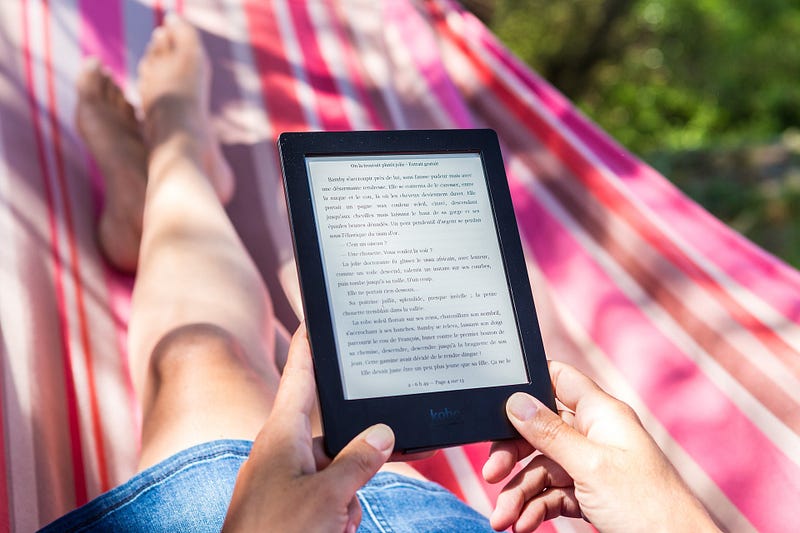
One other thing I like most about e-books is their portability and the ability to haul a mini-library in your mobile phone or any e-book reader. However, the advent and increasing popularity of e-books has not diminished the number of printed books released each year.
In 2010, Amazon was reported as having sold 100 print books for every 114 electronic books sold on its Kindle e-reader device. Also as reported, the number of ebooks sold made up 18% of the total number of books sold in 2019. Physical books still raked in about 80% of all the money earned from all published book formats in 2019. There are advantages and disadvantages to using either of these two formats in preference to the other publishing or reading format. "Hardcore" book lovers and readers prefer their favorite books in print. Though often regressing, I consider myself an avid reader. However, I prefer electronic versions of my novels, memoirs and non-fictions. This is not to imply that electronic reading devices can completely replace publications in engineering, medicine and many other fields. Printed books still reigns supreme.
Audio books have also risen to compliment electronic and printed formats. And just as it is impossible to replicate drawings and illustrations in audio formats, it is equally impractical to represent some real life media in electronic formats.
One of the major disadvantages of reading from our portable shiny devices is long-term damage to eyesight from the glare received from our shiny rectangular gadgets. In order to mitigate this setback, other technologies like e-ink that offer users better reading experiences have come to the rescue of e-book lovers. E-books also have the advantage of easier storage and reference. On my Amazon Kindle app, I can turn all my highlighted texts into flash cards after every reading. Also, I can easily transfer all my highlighted notes and bookmarks into personal study notes in Microsoft Word and OneNote. (Spoiler: Amazon Kindle makes this process very bumpy).
On my Android devices, I use Moon Reader Pro. With it, I can easily transfer my highlighted notes and bookmarks into OneNote, JotterPad or other note taking apps for personal study and reviews.
Here are some handy tips for reading on mobile ebook gadgets and apps. You already know some or all of them.
- If you read on your phone or on other electronic devices, ensure the screen is very dim or better still, use your e-reader night mode.
- Do not read on your device in total darkness! When reading at night, ensure that there is an external source of light nearby. This will help you to avoid excessive eyestrain and fatigue. Your eyesight is your priceless treasure. Protect them.
- Lenses are not for poor-sight correction only. They also screen off excessive glare and brightness of the screens. Get some and use them if you really need them. You and your eyesight will be healthier and happier for this.
- All alone, reading is not everything. There are more important things to do and attend to in this brief life of yours. If reading prevents you from spending time with your family or assisting your kids in their school homework, then the best advice is, “STOP” until you reform your ways.
- It is not how far you have read, but how well you have put into practise the ever newer insights gained from all your reading.
Remember, people don’t care how much you have written or read until you show them how much you care.
Parting words
E-book readers and apps make it possible to have a large collection of books at hand. They all come with the advantage of easy access, archival, and retrieval of most of the useful information we gained during our reading times. Always ensure you follow safe reading practises by protecting your eyes from their unavoidable glare.


