avatar0xAnn

Free AI web copilot to create summaries, insights and extended knowledge, download it at here

3677

Abstract

p to be the main players in the industry. Notable examples include boomer DeFi like UniSwap, Syntetix, and Maker. They are pretty Ethereum centric, focusing on Ethereum scalability and layer 2 solutions like Starkware and <a href="https://readmedium.com/ethereum-layer-2-i-actually-like-2d90730a8b69">Aztec</a>.</p><p id="fa2c">In short, Paradigm-supported projects are worth watching. Even they’re fun to dig the tech if you can’t invest yet. What they Paradigm si funding often shows a glimpse of the next tech trends in crypto.</p><p id="e900"><b>A16Z</b>: spray and pray VCs coming from the ‘old world’ Silicon Valley. They seems to throw at everything without much deliberating. Chain agnostic, which can be translated as opportunistic (just go where the money goes.) A16Z recently<a href="https://techcrunch.com/2022/08/16/how-a16zs-investment-into-adam-neumann-further-solidifies-the-concrete-ceiling/"> threw 350 million for the scammer grifter WeWork founder</a>, kinda explain how they don’t have much principle to begin with.</p><p id="f5f2">Since they’re practically invest in everything, from genuinely good to gibberish project, it’s better to take their portfolio as a grain as salt. The name A16Z doesn’t mean much except the projects probably is equipped with a lot of money.</p><figure id="164a"><img src="https://cdn-images-1.readmedium.com/v2/resize:fit:800/1*NEn_dW7HmW3Nvti2lzYbkw.png"><figcaption>Golden, a decentralized platform for knowledge, seems ‘shallow’ by crypto standard, also sounds gibberishly web3. Other investor list includes the founder of Solana also doesn’t sit well in me.</figcaption></figure><p id="1a82"><b>FTX/Alameda</b>: what’s so sure about FTX-led rounds is typically they will pump. As for when, nobody knows, but eventually they’d pump it in many ways. Past examples include Solana (plus a bunch of Solana projects) and Stargate’s STG.</p><p id="3df1">When a project is led by FTX/Alameda, it’s worth following if you want to ride the hype. A lot of people have this belief, so the ‘pumpability’ will be nothing but increasing.</p><figure id="c3c4"><img src="https://cdn-images-1.readmedium.com/v2/resize:fit:800/1*ScnGA7HbwLKwvjJfESVaLw.png"><figcaption>A project like this that’s led by Paradigm and has FTX among the investors, means it’s not to miss on your research. Both tech and pumpability might be exceptional.</figcaption></figure><p id="363c"><b>Smaller VCs</b>: Smaller VCs are typically where the hidden gems are with. But you need to research who is exactly this particular small-time VC fund. Sometimes it is comprised by veteran of the industry, which is a green light for the projects,</p><figure id="0f99"><img src="https://cdn-images-1.readmedium.com/v2/resize:fit:800/1*GLC4_nRAHUXyvUetzLC1vw.png"><figcaption>I’m already intrigued by this MEV infrastructure project backed by Bain Crypto, which you can say is as veteran as Paradigm.</figcaption></figure><p id="20f5">but often, more influencers VCs flood this category.</p><p id="24b0">Influencers VCs are<b> a</b>re kinda hit or miss. They lack the technical deeper understanding, nor seriousness to bring it long-term. Opportunistic, most influencers typically want to cash out quickly. Even the founders often know this and take advantage of their cluelessness. I gotta say it’s better to receive money from A16Z than from angel influencers. Sysiphus and <a href="https://finance.yahoo.com/news/anubis-dao-descends-underworld-60m-184027324.html?guccounter=1&amp;guce_referrer=aHR0cHM6Ly93d3cuZ29vZ2xlLmNvbS8&amp;guce_referrer_sig=AQAAAMo_GkugTmjShgTyirZiNSKmfTfozve-7nJYk1vWLdqeavOzVWvqf45VHBNBnCEmSYRQCch0yEVP-mEL_-mWRZuduZOPgusHtX8ZPamjcEGfn7xTMs7M

Options

IHA0qvUFgpOOOeqFL52TTzj14DQQG6EMoQvNEoyxJpiKbIjfcFpU9a8T">Anubis DAO rug</a> is an example. Influencers’ projects are typically copy pasta, nothing exceptionally groundbreaking.</p><p id="7aef"><b>Web3 VCs:</b> They are the A16Z-wannabe. Comes from the web2 crowds, shallow understanding of native crypto, and opportunistic. Typically they invest in something that’s more users facing, i.e NFT platform, rather than backend projects (i.e. modularity.) Also, they invest in something like “The X of Web3” (Uber for web3, anyone?)</p><p id="cced">Variant Fund is the example that comes to mind. They like to hype things up, and their crowds are more ‘normie’ than seasoned crypto communities.</p><p id="028c">So far I haven’t seen groundbreaking projects coming from this folk. Mirror — a decentralized blogging platform — is a pretty good project, but nothing remarkable.</p><p id="8c48"><b>Traditional Investment Funds: </b>Names that comes from TradFi, such as Goldman Sachs or Morgan Creek, are….</p><p id="2fbc">For some projects (native, decentralization-heavy), often it doesn’t make sense why founder decide to partner with boomer institutions.</p><p id="38e7">However in few cases, For example is the following partnership between Morgan Creek and Ubisoft. Ubisoft is a dominant player in the game industry. Perhaps it’s going to be interesting watching their venture to the crypto space.</p><figure id="be4b"><img src="https://cdn-images-1.readmedium.com/v2/resize:fit:800/1*1-UcZxxmfZV7uQCwQh3Vzg.png"><figcaption></figcaption></figure><h2 id="48f2">#2 Pay attention to what the projects offer</h2><p id="83a6">Enough with the VCs, it’s time to assess the projects purely from the tech standpoint. Perhaps that makes the due diligence more fair as we are not seeing which VCs are behind the raises.</p><p id="824f">On DeFillama Raises, the ‘sector’ column is the way we get the hint of the project’s tech in a glimpse.</p><figure id="c0b7"><img src="https://cdn-images-1.readmedium.com/v2/resize:fit:800/1*hs0s1g20tygqkyhBXo9HRg.png"><figcaption></figcaption></figure><p id="a7d2">From there you can see what the project is about. It’s different each person on how to assess based on this information. For me, I would skip NFTs and Gaming because this sector, aside from personal disinterest, is also oversaturated at the moment. Too many VCs funding this type of projects while the market share is dwindling.</p><p id="530f">Instead, my favorites are the ones related to backend infrastructures, or MEV tools.</p><p id="ebac">To conclude, the way you pick a project based on tech is influenced by the <a href="https://readmedium.com/alpha-from-the-giga-brains-3-crypto-tech-trends-of-the-future-994e8a17663c">core major theses</a> you believe about crypto (for example, the appchain thesis, or rollups future, Modular endgame, etc). Where is the industry is heading, and what will be popular in the future.</p><p id="727a">After picking based on sector, you can then click the link provided to do deeper research of the project.</p><h2 id="0d87">#3 #4 #5 To be continued….</h2><p id="9bc2">I’m horrified to find out that I exceeded 1000 words babling around by myself like this. So for the sake of things not getting boring too quickly, I’ll continue in another article (Part 2.)</p><p id="cef2">For updates, you can either click follow or email subscribe, or simply through <a href="https://twitter.com/anninwt">Twitter</a>. Please be patient.</p><p id="749a">I promise to publish as soon as possible because this topic is even exciting to me to write!</p><p id="284e">Update: <a href="https://link.medium.com/JUCWe47i5tb">The part 2 is here.</a></p></article></body>

This DeFiLlama New Feature Discovers The Next 100x Projects

How to use DeFillama Raises for your crypto research

My favorite DeFi analytic platform DeFiLlama aggressively ship lately. Their latest product is DeFillama Raises, and in my opinion, it will be among the most helpful tool to find alpha for me personally.

Why take advantage of raises info?

DeFillama Raises aggregate investment rounds — when VCs and other investors throw money for a crypto project (In other words, funding teams and helping their vision become reality.)

Keeping updated with capital raises helps investors to spot the next big/popular thing in the industry. Typically, it will take months or even years for the projects to release tokens. But it’s worth it to know that project early. In the crypto space, being early is an edge.

I think one particular latest example I remember is Layer Zero Labs. They raised funds as early as Q4 2021. Around 6 months later, the team released $STG token for their product Stargate. It was hyped due to Alameda involvement, which sent the token 5x soon after their launch.

How Defillama Raises can be helpful?

As always with rounds, raises are public information. It’s always covered by media. However, like Layer Zero labs which I missed its launch in 2021, many of us often had a hard time following rounds and raises closely.

Even during the bear market. Projects keep raising capital and VC money seems to never run out. It’s hard to keep track unless you dedicate time and research.

Prior, my way to tracking raises is through the special ”raises” section on Defillama Daily Round-Up (the platform's daily update). However, even with that I typically skip, as often I got distracted by more interesting news that day.

Meanwhile, for people who are willing to pay usually used walled services like the ones from Nansen or Messari. So something that’s free is going to be much more appreciated.

How to use the feature

Defillama Raises is nothing but a godsend. It aggravates data in one place. You can check it anytime without having to track things yourself on daily basis.

However, take notes that it’s still in beta, so some functions are there yet, such as the ability to advanced sort and filter data.
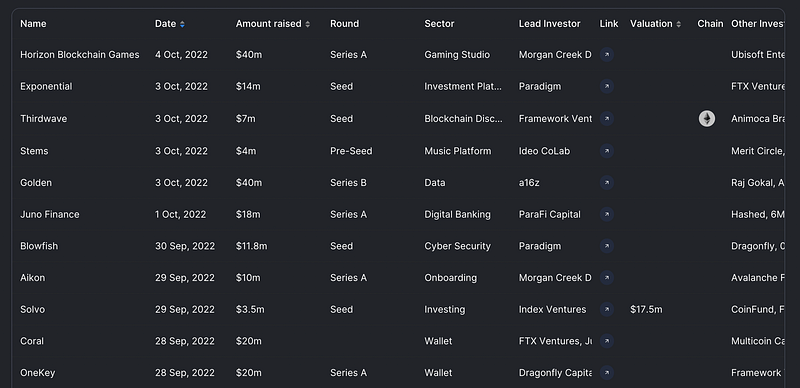
But even without anything fancy, the data presented is comprehensive enough. Here’s how to interpret the data to your advantage.

#1 Pay attention to who’s the lead investor (and the other investors.)

Rule number 1: The more famous the lead investor is, it doesn’t correlate to the quality of the project.

To me, VCs with name on a project indicates the possibility of the project getting marketed, ‘shilled’, and pumped by the said VCs. It’s good for betting, but never an indicator the project would be a crucial part of the industry in the future. (Often, great projects are ignored by famous VCs.)

VCs, each with their own reputation and notoriety, speaks for itself for the projects they support.

Here’s the overview of them from my CT native viewm which means it comes with (often necessary) prejudice.

Paradigm: The guys there know the tech. Paradigm is known to back exceptionally techie projects which often ended up to be the main players in the industry. Notable examples include boomer DeFi like UniSwap, Syntetix, and Maker. They are pretty Ethereum centric, focusing on Ethereum scalability and layer 2 solutions like Starkware and Aztec.

In short, Paradigm-supported projects are worth watching. Even they’re fun to dig the tech if you can’t invest yet. What they Paradigm si funding often shows a glimpse of the next tech trends in crypto.

A16Z: spray and pray VCs coming from the ‘old world’ Silicon Valley. They seems to throw at everything without much deliberating. Chain agnostic, which can be translated as opportunistic (just go where the money goes.) A16Z recently threw $350 million for the scammer grifter WeWork founder, kinda explain how they don’t have much principle to begin with.

Since they’re practically invest in everything, from genuinely good to gibberish project, it’s better to take their portfolio as a grain as salt. The name A16Z doesn’t mean much except the projects probably is equipped with a lot of money.

Golden, a decentralized platform for knowledge, seems ‘shallow’ by crypto standard, also sounds gibberishly web3. Other investor list includes the founder of Solana also doesn’t sit well in me.

FTX/Alameda: what’s so sure about FTX-led rounds is typically they will pump. As for when, nobody knows, but eventually they’d pump it in many ways. Past examples include Solana (plus a bunch of Solana projects) and Stargate’s $STG.

When a project is led by FTX/Alameda, it’s worth following if you want to ride the hype. A lot of people have this belief, so the ‘pumpability’ will be nothing but increasing.

A project like this that’s led by Paradigm and has FTX among the investors, means it’s not to miss on your research. Both tech and pumpability might be exceptional.

Smaller VCs: Smaller VCs are typically where the hidden gems are with. But you need to research who is exactly this particular small-time VC fund. Sometimes it is comprised by veteran of the industry, which is a green light for the projects,

I’m already intrigued by this MEV infrastructure project backed by Bain Crypto, which you can say is as veteran as Paradigm.

but often, more influencers VCs flood this category.

Influencers VCs are are kinda hit or miss. They lack the technical deeper understanding, nor seriousness to bring it long-term. Opportunistic, most influencers typically want to cash out quickly. Even the founders often know this and take advantage of their cluelessness. I gotta say it’s better to receive money from A16Z than from angel influencers. Sysiphus and Anubis DAO rug is an example. Influencers’ projects are typically copy pasta, nothing exceptionally groundbreaking.

Web3 VCs: They are the A16Z-wannabe. Comes from the web2 crowds, shallow understanding of native crypto, and opportunistic. Typically they invest in something that’s more users facing, i.e NFT platform, rather than backend projects (i.e. modularity.) Also, they invest in something like “The X of Web3” (Uber for web3, anyone?)

Variant Fund is the example that comes to mind. They like to hype things up, and their crowds are more ‘normie’ than seasoned crypto communities.

So far I haven’t seen groundbreaking projects coming from this folk. Mirror — a decentralized blogging platform — is a pretty good project, but nothing remarkable.

Traditional Investment Funds: Names that comes from TradFi, such as Goldman Sachs or Morgan Creek, are….

For some projects (native, decentralization-heavy), often it doesn’t make sense why founder decide to partner with boomer institutions.

However in few cases, For example is the following partnership between Morgan Creek and Ubisoft. Ubisoft is a dominant player in the game industry. Perhaps it’s going to be interesting watching their venture to the crypto space.

#2 Pay attention to what the projects offer

Enough with the VCs, it’s time to assess the projects purely from the tech standpoint. Perhaps that makes the due diligence more fair as we are not seeing which VCs are behind the raises.

On DeFillama Raises, the ‘sector’ column is the way we get the hint of the project’s tech in a glimpse.
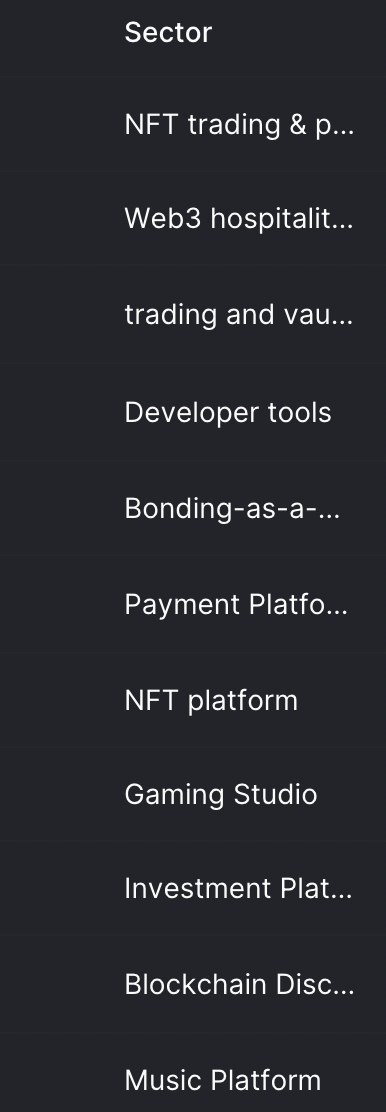
From there you can see what the project is about. It’s different each person on how to assess based on this information. For me, I would skip NFTs and Gaming because this sector, aside from personal disinterest, is also oversaturated at the moment. Too many VCs funding this type of projects while the market share is dwindling.

Instead, my favorites are the ones related to backend infrastructures, or MEV tools.

To conclude, the way you pick a project based on tech is influenced by the core major theses you believe about crypto (for example, the appchain thesis, or rollups future, Modular endgame, etc). Where is the industry is heading, and what will be popular in the future.

After picking based on sector, you can then click the link provided to do deeper research of the project.

#3 #4 #5 To be continued….

I’m horrified to find out that I exceeded 1000 words babling around by myself like this. So for the sake of things not getting boring too quickly, I’ll continue in another article (Part 2.)

For updates, you can either click follow or email subscribe, or simply through Twitter. Please be patient.

I promise to publish as soon as possible because this topic is even exciting to me to write!

Update: The part 2 is here.

Cryptocurrency
Blockchain Technology
Decentralized Finance
Venture Capital
Crypto
Recommended from ReadMedium