avatarRuss W

Free AI web copilot to create summaries, insights and extended knowledge, download it at here

4668

Abstract

We turn to cocaine. We turn to opiates, We turn to anonymous sex. We hit the Strip in Vegas. We binge on unhealthy food. We play video games all night. We zone out to Netflix. We turn to almost anything that will temporarily soothe the emotional pain that we are trying to lock away inside.</p><p id="70bd"><i>Or</i> we project our anger onto those around us. We become <a href="https://en.wikipedia.org/wiki/Rageaholic">rage-aholics</a> constantly fighting the world, externalizing our anger and reaching for relief behind the outstretched index finger of blame.</p><p id="cd35">Repression and poor coping choices don’t work for long. Denying the existence of our emotions does not make them disappear; they turn into addictions, other maladaptive behavior and mental health problems, ultimately causing much worse damage.</p><p id="e03b">Think about it this way: emotions are like the gas and magma trapped below the surface of the earth. As time goes on, you face different daily stressors, traumatic experiences and worsening addictions. Little by little the pressure silently builds (baseline stress rate). Eventually, it’s too much, and a single earthquake (external stressor) triggers an explosion and a fiery plume of smoke, lava and volcanic ash that decimates the surrounding ecosystem.</p><p id="31da">We’ve all seen, heard or read about a public meltdown. They can leave collateral damage on all sides. When someone spins off the road the road doing 90 mph in a blackout, the damage spreads well beyond the crash site. Perhaps another person is injured. Perhaps we learn the driver is an alcoholic, and his life is exposed as an elaborate web of lies in a trial. Perhaps a marriage and family are ruined by a jail sentence.</p><p id="b248">The point is that repression of emotions and attempts to soothe the stress through poor coping mechanisms can have massive repercussions. In many cases, dire consequences could have been avoided if we had instead been willing to process and work through our emotions along the way.</p><figure id="7b1b"><img src="https://cdn-images-1.readmedium.com/v2/resize:fit:800/0*Jj3kfDanrO5tca_g"><figcaption>Photo by <a href="https://unsplash.com/@alienowicz?utm_source=medium&amp;utm_medium=referral">Artur Rutkowski</a> on <a href="https://unsplash.com?utm_source=medium&amp;utm_medium=referral">Unsplash</a></figcaption></figure><h2 id="d88e">Why We Hide our Feelings</h2><p id="3bcd">So the question then remains: If the outcomes of repressing our emotions and feelings can lead to epic meltdowns that reverberate far beyond ourselves, why do some of us cling to the “men are strong” stereotype and stubbornly refuse mental health treatment?</p><p id="1b12">I have the answer. It’s not as complicated as you might think. It drives much of our behavior. It’s one word.</p><blockquote id="8bf6"><p><b><i>Fear</i></b></p></blockquote><p id="3e58">If we been conditioned all of our lives to avoid emotion and dismiss feelings, then there must be a lot of raw pain and tender insecurity built up right below the surface. In a sense, the willingness to open up is an uprooting of the way we understand the world.</p><p id="908f">It took a near nervous breakdown and a friend dragging me into his own appointment for me to finally submit to seeing a therapist. Over the last year, I’ve probably grown more than in the previous decade. It was not easy to take a cold, hard look in the mirror, but I’ve <a href="https://readmedium.com/can-coronavirus-cure-what-ails-america-d33d1ed1b79e">transformed</a> my entire life.</p><p id="669a">Acknowledging our feelings can be the great unknown. Even when we are sitting alone in a room with a therapist, it’s hard to resist the temptation to hide these feelings if deep down we are ashamed of them in the first place. And opening up is risky because it makes us feel vulnerable and exposed to attack, criticism or, worse, having your feelings dismissed.</p><p id="6360">We are scared about what will happen when others (including women) see us weak. What will our children think when they see us broken and vulnerable? Will we lose the respect of our colleagues and bosses when we admit to failure? Will our parents look down their nose at us in disapproval?</p><p id="ca6f">“We ask them to be vulnerable, we beg them to let us in, and we plead with them to tell us when they’re afraid, but the truth is that most women can’t stomach it,” writes Brown. “In those moments when real vulnerability happens in men, most of us recoil with fear, and that fear manifests as everything from disappointment to disgust.”</p><p id="5875">In “Daring Greatly,” she notes that it was very much a sur

Options

prise to her to uncover this complex dynamic in her research. I’ve experienced this dynamic myself, and I can tell you it’s a very precarious balance to be emotionally available and come across as weak.</p><figure id="e83b"><img src="https://cdn-images-1.readmedium.com/v2/resize:fit:800/0*K1ZV1wecert5cd5J"><figcaption>Photo by <a href="https://unsplash.com/@jackcohen?utm_source=medium&amp;utm_medium=referral">Jack Cohen</a> on <a href="https://unsplash.com?utm_source=medium&amp;utm_medium=referral">Unsplash</a></figcaption></figure><h2 id="59f1">How Do We Change?</h2><p id="ec83">Don’t take the path that I took. Meltdowns are only epic for the rubbernecking onlookers.</p><p id="c4f0">Some men will continue to be fearful. Some will continue to be in denial. Some will bury their heads in addictive behavior. Some will insist on fixing their heads themselves. We don’t like to ask for directions after all.</p><p id="6ea8">We can all try to remember that the Hollywood storyline is full of crap. Everyone hurts sometimes. Everyone fails every now and then. Everyone feels pain. Each of us is insecure until we admit to our weaknesses and endure the growing pains.</p><p id="589e">And that’s just the way it’s supposed to be. We’re all only human.</p><p id="2e34">If you’re a friend, family member or lover, you can flip the script. You can try cultivate caring and open relationships that foster feelings of security as opposed to judgment, compassion rather than disgust and empathy instead of shame. Patient communication is key as well. You can’t turn a cruise ship on a dime.</p><p id="75c6">Ultimately, it’s up to each of us men to decide on our own when we’re ready to bring our feelings out of the darkness. For some of us, it might take severe stressors. You can’t force a man to feel feelings, just like you can’t force an alcoholic to stop drinking. Change only happens when we decide to change for ourselves.</p><p id="3dbb">When we do, we need to cultivate resilience to shame by accepting who are are on the inside as enough. We need to have the honesty to acknowledge when things are not okay, the strength to seek out help when we are struggling and the vulnerability to expose our feelings to the light so we can slowly start to heal and recover.</p><p id="f161">There are no easy solutions. This is a long-term cultural change. All we can do is to continue the conversation about gender roles and be mindful as we move through our daily lives.</p><p id="7037">“We have to be about to talk about how we feel, what we need and desire, and we have to be able to listen with an open heart and an open mind,” writes Brown. “There is no intimacy without vulnerability. Yet another powerful example of vulnerability as courage.”</p><p id="b870">I told you therapy takes some stones.</p><p id="5cbf">###</p><div id="340e" class="link-block"> <a href="https://readmedium.com/finger-pointing-will-stunt-career-growth-4e94602084f3"> <div> <div> <h2>Finger Pointing Will Stunt Your Growth</h2> <div><h3>Four Reasons To Take It on the Chin at Work</h3></div> <div><p>medium.com</p></div> </div> <div> <div style="background-image: url(https://miro.readmedium.com/v2/resize:fit:320/0*weCRXhmggqmtcI0H)"></div> </div> </div> </a> </div><div id="ec08" class="link-block"> <a href="https://readmedium.com/six-steps-to-become-super-famous-on-medium-ee69be66e50f"> <div> <div> <h2>Six Steps to Become Super Famous on Medium</h2> <div><h3>#3 Sip Daiquiris in Coconuts</h3></div> <div><p>medium.com</p></div> </div> <div> <div style="background-image: url(https://miro.readmedium.com/v2/resize:fit:320/0*X2E3Zdz798Q-AXeZ)"></div> </div> </div> </a> </div><div id="8daa" class="link-block"> <a href="https://readmedium.com/three-ways-were-hardwired-to-believe-our-own-bullsh-t-1454c291c66a"> <div> <div> <h2>Three Ways We’re Hardwired to Believe our own Bull</h2> <div><h3>And how to use the psychology behind cognitive bias to call yourself out</h3></div> <div><p>medium.com</p></div> </div> <div> <div style="background-image: url(https://miro.readmedium.com/v2/resize:fit:320/0*tCV4YIhrLtH71Ovy)"></div> </div> </div> </a> </div></article></body>

Mental Health and Male Stigma

The Real Reason Men Won’t Open Up
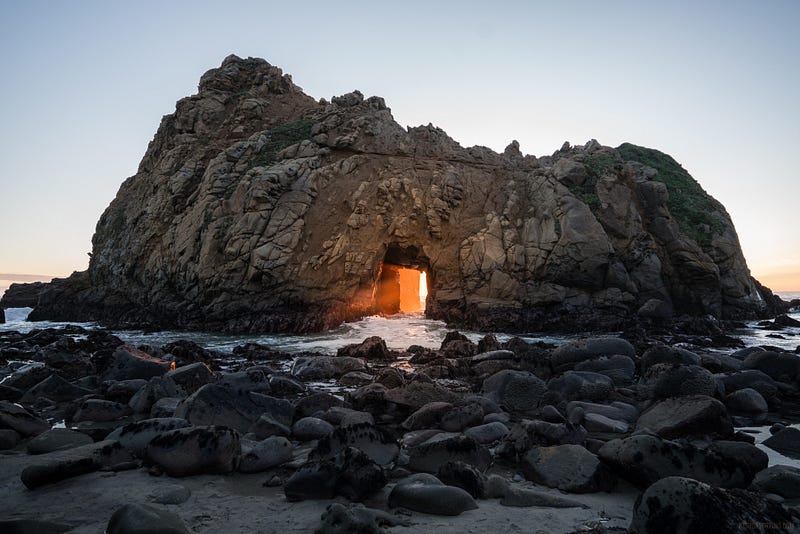
Photo by Joshua Sortino on Unsplash

Man up! Big boys don’t cry. What do you want me to do, kiss it for you? You going to sit there and lick your wounds all day? Brush yourself off and pick yourself up. Grow a pair. Come on. Pull yourself together. Be a man!

Ever heard these before?

Of course you have. They’re layered through all of our cultural references. Movies, sitcoms, books, magazines, headlines, Facebook posts, Tweets. Not to mention the myriad times we heard them directly growing up.

The traditional male stigma for seeking mental healthcare has been softening for some time now, but we’ve still got a long way to go.

And there’s one very specific reason why.

It’s a convenient one, and I’ll tell you in a little bit. This real reason has made the stigma is so stubborn — so difficult to wash off. It’s why men everywhere still refuse to bring their feelings out of the darkness and into the light.

I know plenty of people who view going to a therapist as a sign of weakness — a failure to be a man. I was one of them for a long time.

But it’s not a sign of weakness at all. In fact, quite the opposite. It’s a show of strength.
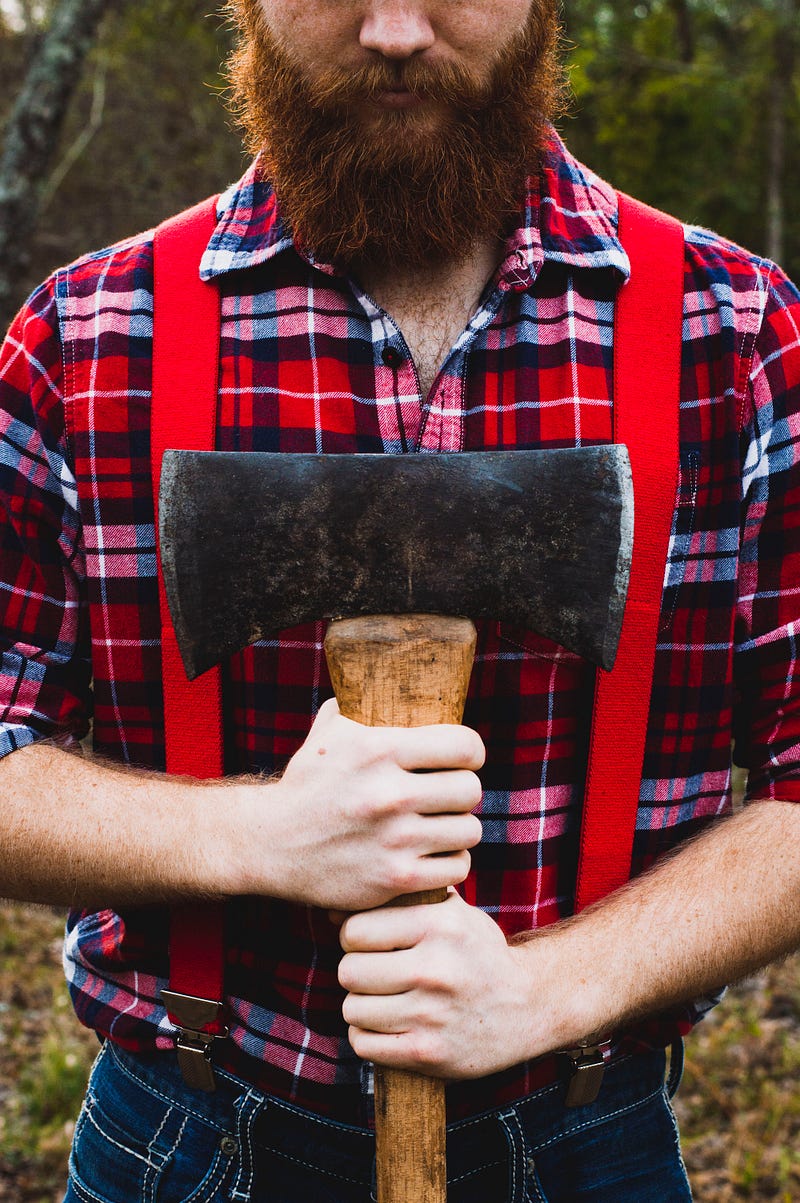
Photo by Abby Savage on Unsplash

The Manly Way

It’s easy to “shake off” the major issues in life and “wash them down” with a Jameson neat. It’s easy to say that “real men” don’t show emotion. It’s easy to say that “guy’s guys” aren’t vulnerable and don’t get hurt.

The traditional “tough guy” storyline is part of male gender narratives around the world. The idea that real men tackle pain and traumatic situations like hardened steely eyed craftsmen, channeling these experiences to build more backbone, sand themselves down to a well-worn finished, brush off the sawdust and kick back with a cold one.

There’s a problem though. This storyline only exists in the imagination. Everyone gets hurt, and “brushing it off” is called denial and repression.

“The greatest trick the devil ever pulled was convincing the world he didn’t exist.” — Kevin Spacey in “The Usual Suspects”

This is a perfect quote for what happens to many men when we buy into the male gender stereotype. We attempt to perform that trick. We shut off our feelings and push down our emotions — convinced any show of weakness is bad, wrong, shameful and unacceptable — and attempt to automate our reactions to stressors.

Many men actually overcorrect in the other direction by showing off. Manly shows of testosterone, boasts of superiority, displays of wealth and other forms of peacocking are often no more than overcompensation for deep-seated insecurities.

Social Researcher/Storyteller Dr. Brené Brown highlighted some of her research on male shame in “Daring Greatly.”

“Basically, men live under the pressure of one unrelenting message: Do not be perceived as weak.”
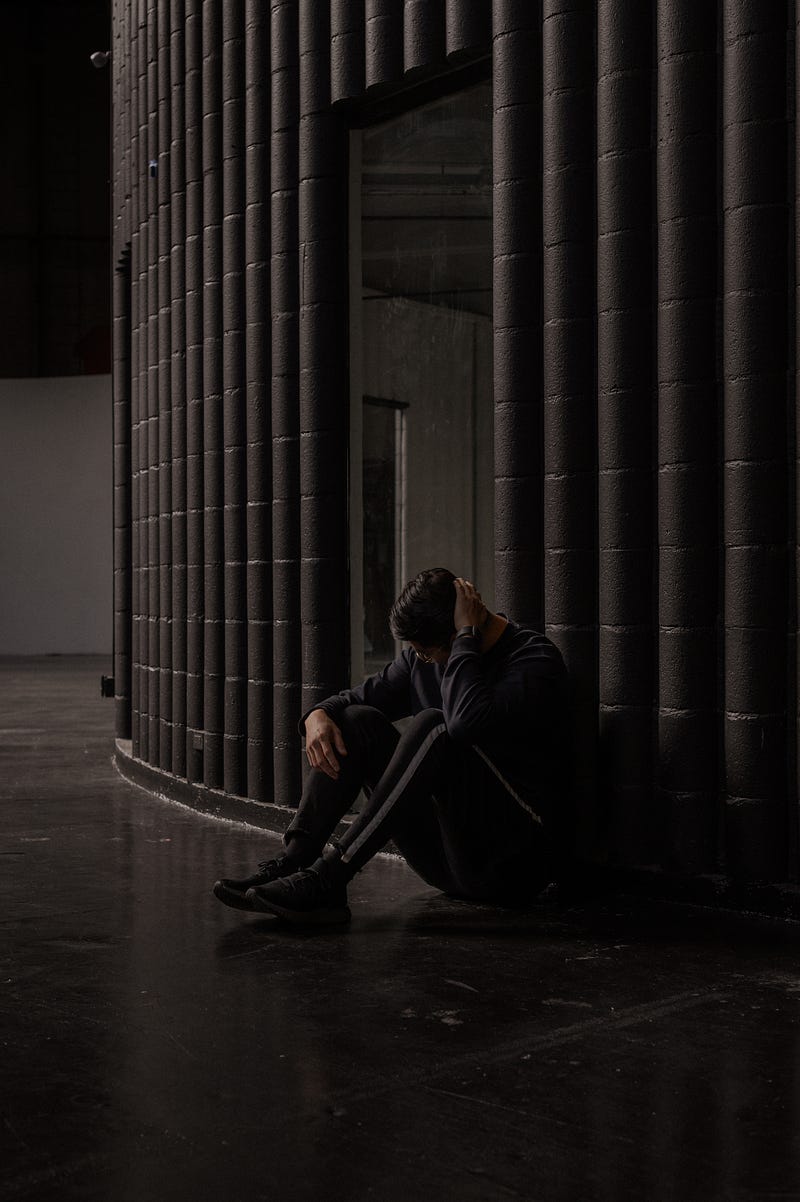
Photo by Daniel Mingook Kim on Unsplash

What Do We Do When We Are Weak?

Well, we aren’t robots. It’s inevitable that we will fail, be criticized, face ridicule, get hurt, feel pain, become scared. So what do we do instead of sharing how we feel?

We turn to alcohol. We turn to cocaine. We turn to opiates, We turn to anonymous sex. We hit the Strip in Vegas. We binge on unhealthy food. We play video games all night. We zone out to Netflix. We turn to almost anything that will temporarily soothe the emotional pain that we are trying to lock away inside.

Or we project our anger onto those around us. We become rage-aholics constantly fighting the world, externalizing our anger and reaching for relief behind the outstretched index finger of blame.

Repression and poor coping choices don’t work for long. Denying the existence of our emotions does not make them disappear; they turn into addictions, other maladaptive behavior and mental health problems, ultimately causing much worse damage.

Think about it this way: emotions are like the gas and magma trapped below the surface of the earth. As time goes on, you face different daily stressors, traumatic experiences and worsening addictions. Little by little the pressure silently builds (baseline stress rate). Eventually, it’s too much, and a single earthquake (external stressor) triggers an explosion and a fiery plume of smoke, lava and volcanic ash that decimates the surrounding ecosystem.

We’ve all seen, heard or read about a public meltdown. They can leave collateral damage on all sides. When someone spins off the road the road doing 90 mph in a blackout, the damage spreads well beyond the crash site. Perhaps another person is injured. Perhaps we learn the driver is an alcoholic, and his life is exposed as an elaborate web of lies in a trial. Perhaps a marriage and family are ruined by a jail sentence.

The point is that repression of emotions and attempts to soothe the stress through poor coping mechanisms can have massive repercussions. In many cases, dire consequences could have been avoided if we had instead been willing to process and work through our emotions along the way.

Photo by Artur Rutkowski on Unsplash

Why We Hide our Feelings

So the question then remains: If the outcomes of repressing our emotions and feelings can lead to epic meltdowns that reverberate far beyond ourselves, why do some of us cling to the “men are strong” stereotype and stubbornly refuse mental health treatment?

I have the answer. It’s not as complicated as you might think. It drives much of our behavior. It’s one word.

Fear

If we been conditioned all of our lives to avoid emotion and dismiss feelings, then there must be a lot of raw pain and tender insecurity built up right below the surface. In a sense, the willingness to open up is an uprooting of the way we understand the world.

It took a near nervous breakdown and a friend dragging me into his own appointment for me to finally submit to seeing a therapist. Over the last year, I’ve probably grown more than in the previous decade. It was not easy to take a cold, hard look in the mirror, but I’ve transformed my entire life.

Acknowledging our feelings can be the great unknown. Even when we are sitting alone in a room with a therapist, it’s hard to resist the temptation to hide these feelings if deep down we are ashamed of them in the first place. And opening up is risky because it makes us feel vulnerable and exposed to attack, criticism or, worse, having your feelings dismissed.

We are scared about what will happen when others (including women) see us weak. What will our children think when they see us broken and vulnerable? Will we lose the respect of our colleagues and bosses when we admit to failure? Will our parents look down their nose at us in disapproval?

“We ask them to be vulnerable, we beg them to let us in, and we plead with them to tell us when they’re afraid, but the truth is that most women can’t stomach it,” writes Brown. “In those moments when real vulnerability happens in men, most of us recoil with fear, and that fear manifests as everything from disappointment to disgust.”

In “Daring Greatly,” she notes that it was very much a surprise to her to uncover this complex dynamic in her research. I’ve experienced this dynamic myself, and I can tell you it’s a very precarious balance to be emotionally available and come across as weak.

Photo by Jack Cohen on Unsplash

How Do We Change?

Don’t take the path that I took. Meltdowns are only epic for the rubbernecking onlookers.

Some men will continue to be fearful. Some will continue to be in denial. Some will bury their heads in addictive behavior. Some will insist on fixing their heads themselves. We don’t like to ask for directions after all.

We can all try to remember that the Hollywood storyline is full of crap. Everyone hurts sometimes. Everyone fails every now and then. Everyone feels pain. Each of us is insecure until we admit to our weaknesses and endure the growing pains.

And that’s just the way it’s supposed to be. We’re all only human.

If you’re a friend, family member or lover, you can flip the script. You can try cultivate caring and open relationships that foster feelings of security as opposed to judgment, compassion rather than disgust and empathy instead of shame. Patient communication is key as well. You can’t turn a cruise ship on a dime.

Ultimately, it’s up to each of us men to decide on our own when we’re ready to bring our feelings out of the darkness. For some of us, it might take severe stressors. You can’t force a man to feel feelings, just like you can’t force an alcoholic to stop drinking. Change only happens when we decide to change for ourselves.

When we do, we need to cultivate resilience to shame by accepting who are are on the inside as enough. We need to have the honesty to acknowledge when things are not okay, the strength to seek out help when we are struggling and the vulnerability to expose our feelings to the light so we can slowly start to heal and recover.

There are no easy solutions. This is a long-term cultural change. All we can do is to continue the conversation about gender roles and be mindful as we move through our daily lives.

“We have to be about to talk about how we feel, what we need and desire, and we have to be able to listen with an open heart and an open mind,” writes Brown. “There is no intimacy without vulnerability. Yet another powerful example of vulnerability as courage.”

I told you therapy takes some stones.

###

Self
Self Improvement
Therapy
Mental Health
Growth
Recommended from ReadMedium