
Mental Health
Therapeutic Value of Self-Conversations
Creative ways of benefiting from recorded self-conversations
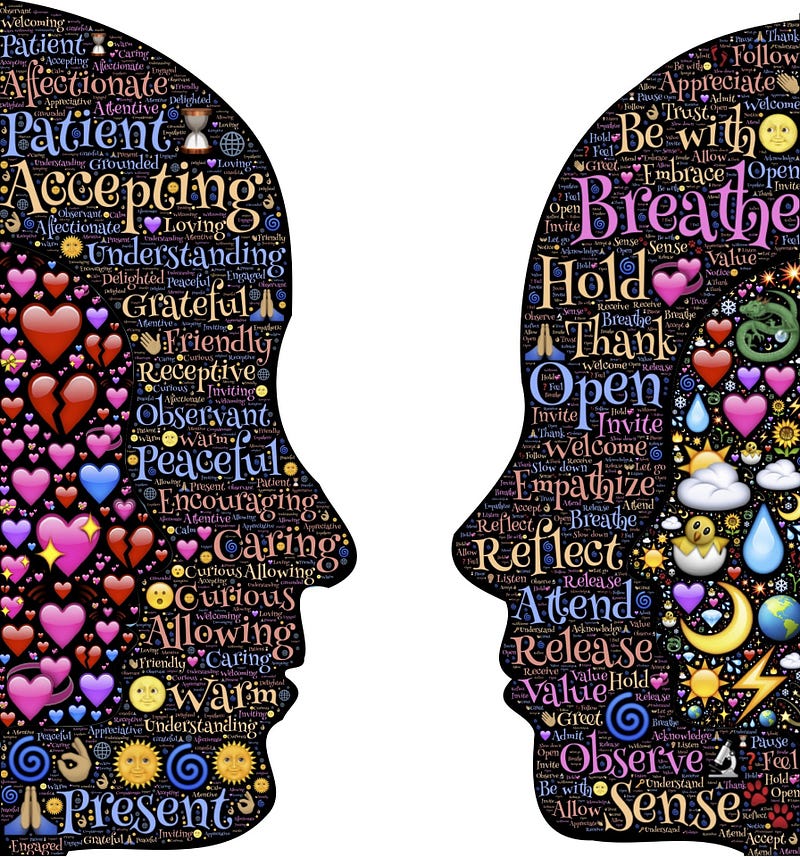
I enjoy talking to myself about a specific point requiring personal insights. I learned how to accept and love my own voice. Self-conversations have been therapeutic and creative activities for me.
They are not as crazy as they might sound.
The constant self conversations approach for many years helped me to be more creative, produce innovative solutions at work, and consequently become an inventor.
Sometimes I record my conversations using a smartphone or laptop voice recording application. For example, Google document is a free tool I use for this purpose on my PC.
In addition, as an added value, this free word-processing software from Google converts my recorded voice to text. Then I can insert the converted text into my daily journal.
Listening to my recorded conversations later gives me clues about my mood and overall psychological state reflected during the recording moments. This valuable information about my inner world helps me recognize important patterns about my feelings and thoughts.
By recording my self-conversations and analyzing them daily, I act like my own therapist who can monitor himself and make necessary therapeutic adjustments as required.
This healing activity can be beneficial to save money on therapy expenses.
In my opinion, being in control of one’s mental and emotional health is a fascinating privilege. Self-awareness, self-control, and self-discipline can open many healing doors when we are in search.
As a by-product of recorded conversations, I had the tremendous benefit of improving my conversational language skills.
It has been useful to listen to my own voice, detect my own mistakes based on my grammar knowledge, and correct them for better usage and improved conversational fluency.
This activity also contributed to improving my writing skills by adding more conversational content to my articles. Recording conversations for writers can be productive.
As another by-product, these lingual activities contributed to my cognitive reserves as a prevention for inevitable mental decay due to aging.
Maintaining cognitive reserves is a broad topic beyond the scope of this short article. I plan to share this unique cognitive experience in another article from my cognitive studies and personal experiments.
I documented my method of self-conversations to give you an idea.
Further Insights on our Voice from a TED Talk
“Rébecca Kleinberger studies how we use and understand our voices and the voices of others. She explains why you may not like the sound of your own voice on recordings, the differences between your outward, inward, and inner voices — and the extraordinary things you communicate without being aware of it.”
Thank you for reading my perspectives. I wish you a healthy and happy life.
Thank you for reading my perspectives. I wish you a healthy and happy life.
I aim to educate, create awareness, and empower my readers to take control of their health and well-being. To raise awareness about health issues, I have written around 2000 articles that present holistic health from my research, personal observations, and unique experiences.
I publish my lifestyle, health, and well-being stories on EUPHORIA. My focus is on metabolic, cellular, mitochondrial, and mental health. Here is my collection of Insightful Life Lessons from Personal Stories.
Disclaimer: Please note that my posts do not include professional or health advice. I document my reviews, observations, experience, and perspectives only to provide information and create awareness.
You might join my six publications on Medium as a writer by sending a request via this link. 17K+ writers contribute to my publications. You might find more information about my professional background. You may join Medium with my referral link.


