The Wildlife and Scenic Beauty of the Black Hills
Introduction to the Black Hills
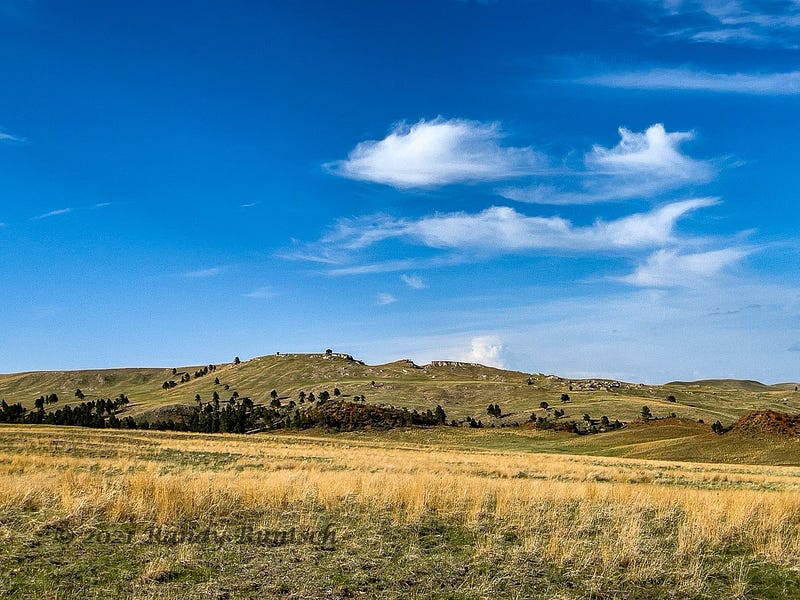
The Black Hills is a small mountain range that rises out of the Great Plains of North America. It occupies a western section of South Dakota and extends into Wyoming.
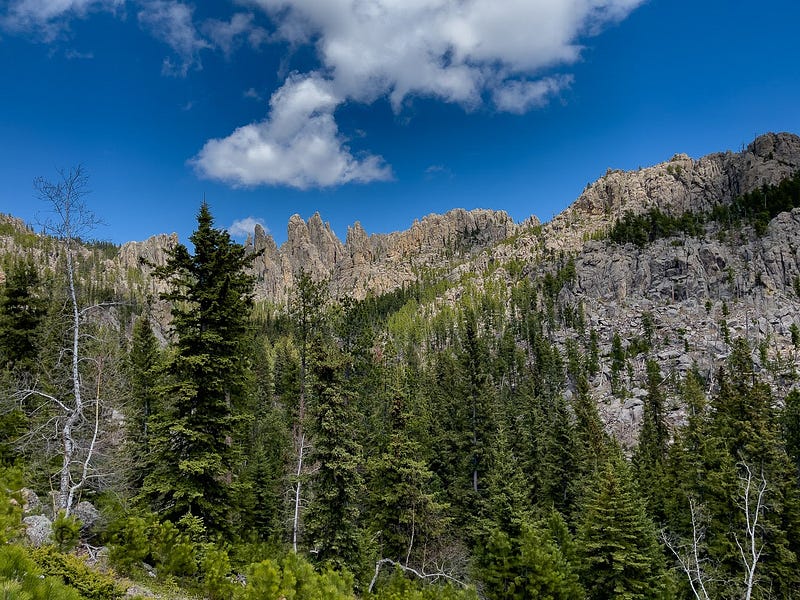
Travelers to the Black Hills named them for their evergreen trees that appear black when viewed from a distance. Black Elk Peak (Harney Peak until 2016) is the range’s highest mountain at 7,244 feet (2,208 m). It is the highest point in the United States east of the Rocky Mountains.
Last week, I ventured to the Black Hills to camp, hike, and view and photograph wildlife. I have explored the region many times over five decades. But this visit focused on Custer State Park and Wind Cave National Park in its southern reaches.
Like much of the American West, the Black Hills has a turbulent and deceit-filled history. The Lakota Sioux Indians took the Black Hills after they conquered the Cheyenne in 1776. The U.S. government signed the Fort Laramie Treaty in 1868 to establish the Great Sioux Indian Reservation west of the Missouri River. The treaty forever exempted the Black Hills from white settlement. Still, settlers discovered gold there in 1874. George Armstrong Custer’s Black Hills Expedition paved the way for a gold rush.
Following the gold rush, the U.S. government took the Black Hills. It moved the Lakota Indians to five reservations in South Dakota in 1889. Then it sold off 9 million acres of land that had belonged to the Native Americans.
In the past, the economy of the Black Hills depended on its natural resources. Today, recreation and tourism are its primary sources of income.
The Black Hills region contains many local, state, and national park sites. Here are some areas and parks of scenic, geological, or historical significance:
- Badlands National Park
- Black Butte State Park
- Crazy Horse Memorial
- Custer State Park
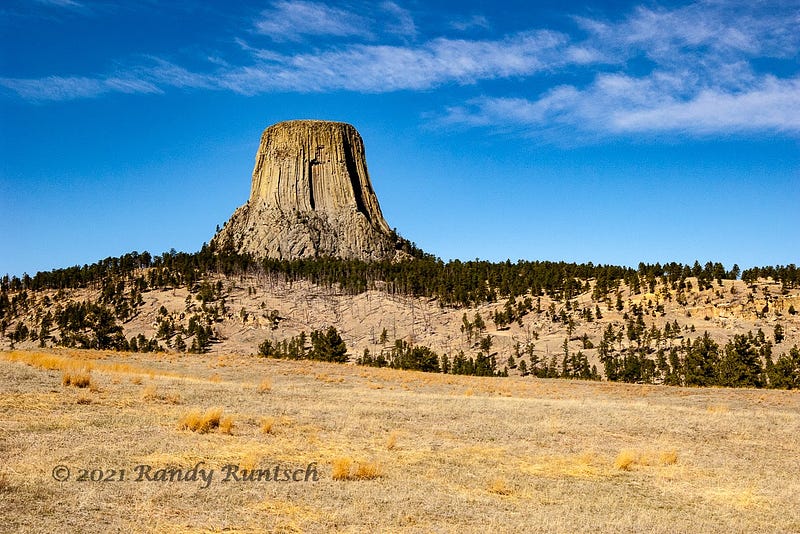
- Devil’s Tower National Monument
- Jewel Cave National Monument
- Mammoth Site in Hot Springs
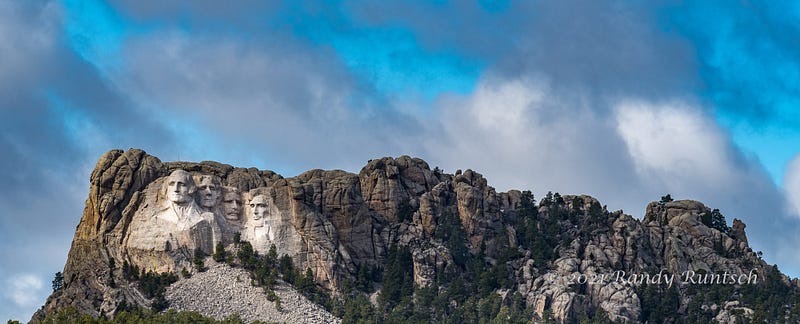
- Mount Rushmore National Memorial
- Spearfish Canyon
- Wind Cave National Park
Here are some of the cities and towns in the Black Hills region:
- Custer
- Deadwood
- Hill City
- Hot Springs
- Keystone
- Newcastle (Wyoming)
- Rapid City
- Spearfish
- Sturgis
- Wall
The Black Hills hosts the Sturgis Motorcycle Rally in August each year. Hundreds of thousands of motorcyclists descend on the region for the rally.
Black Hills Legends
You may have heard of some of the colorful and legendary people associated with the Black Hills. Here are a few:
Custer State Park
As mentioned earlier, this trip focused on hiking and viewing, and photographing wildlife. My main destinations were Custer State Park and Wind Cave National Park.
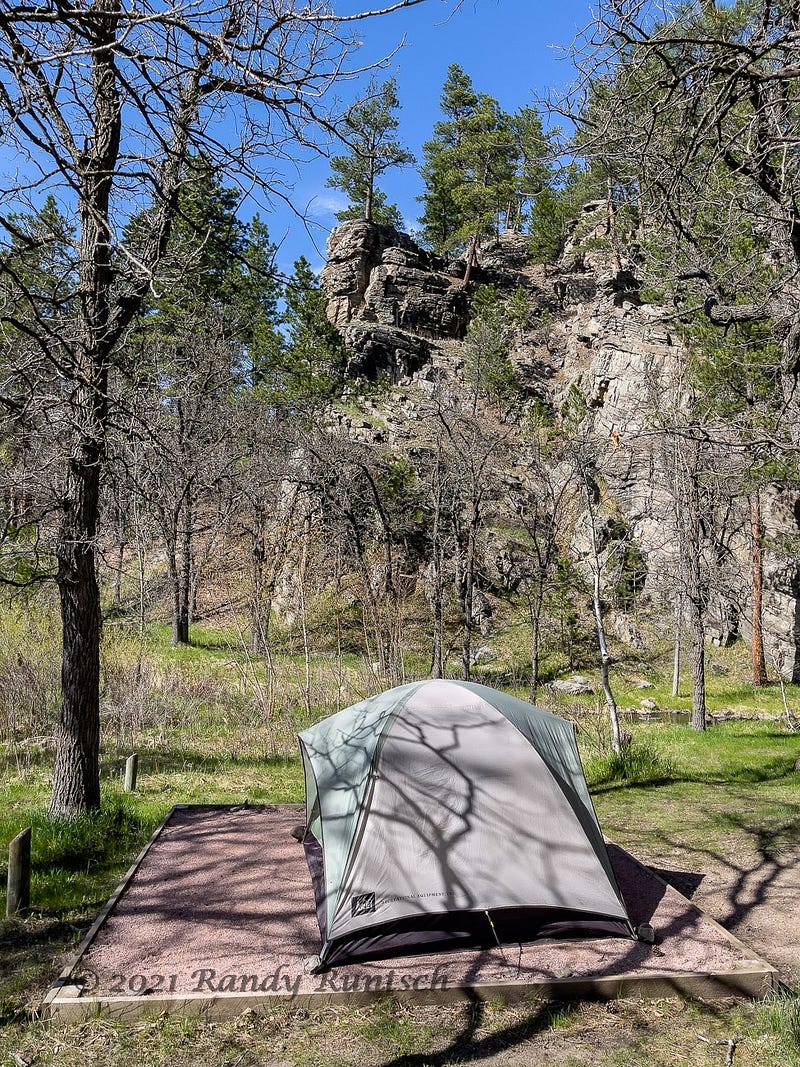
I made my base camp at the Grace Coolidge Campground in Custer State Park. From there, I toured the park by car and on foot.
Custer State Park features many campgrounds, hiking trails, scenic roads, and beautiful sites. But wildlife is my favorite part of the park.
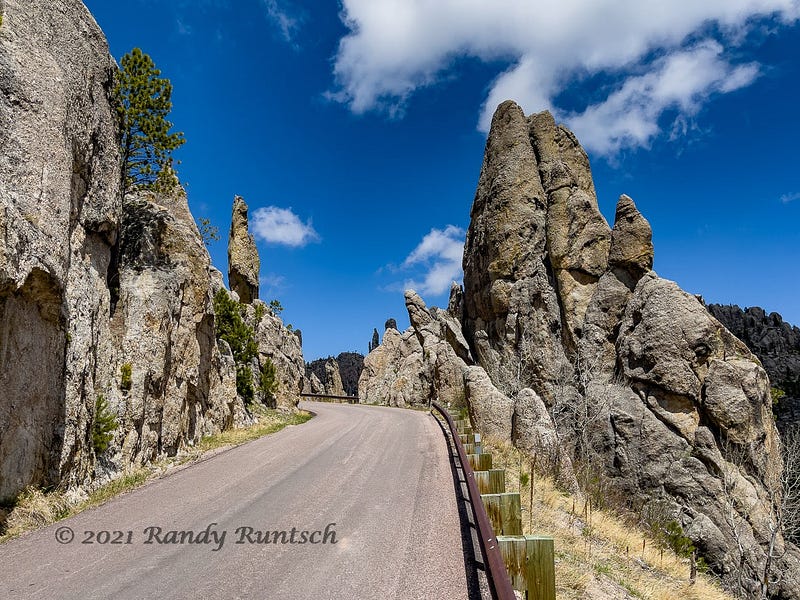
The Wildlife Loop Road is an 18-mile drive through prairies, rolling hills, and forests in the park’s southern half. The main road features pavement. Several gravel roads intersect the wildlife loop. Some lead to more rugged terrain.
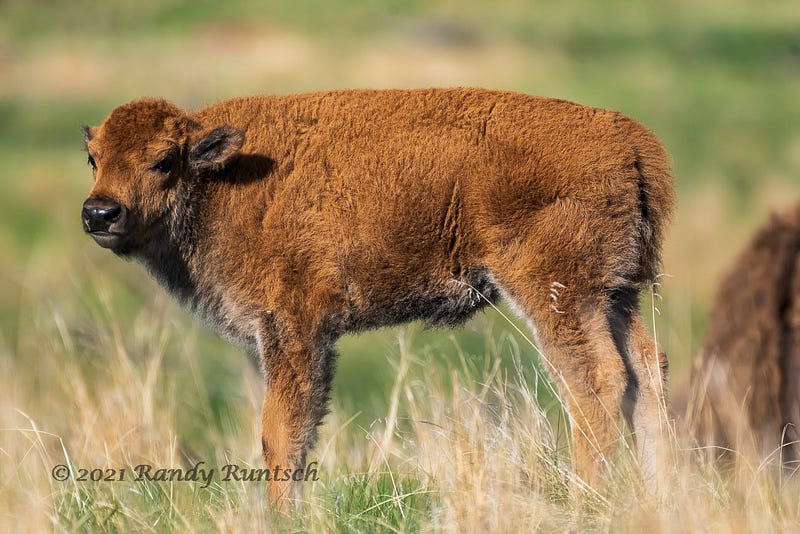
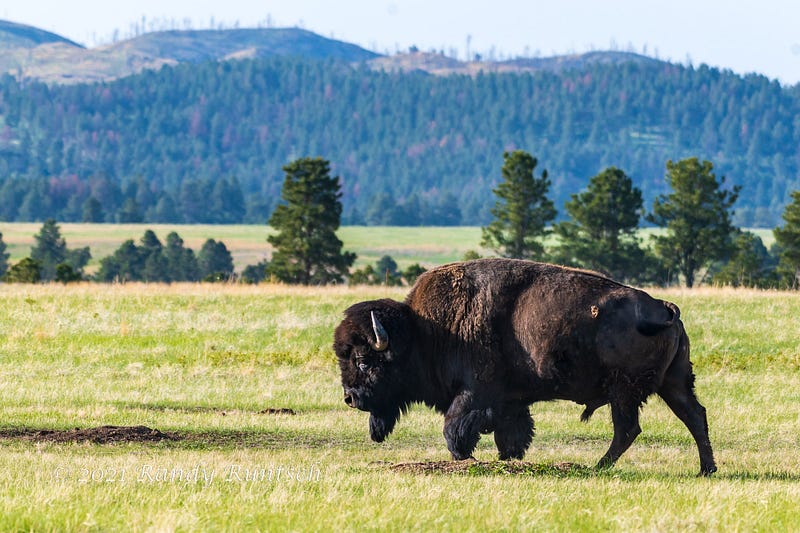
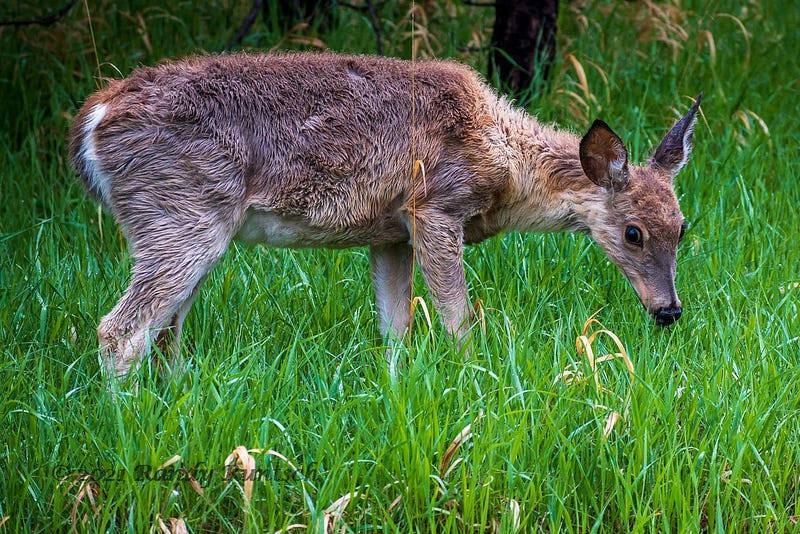
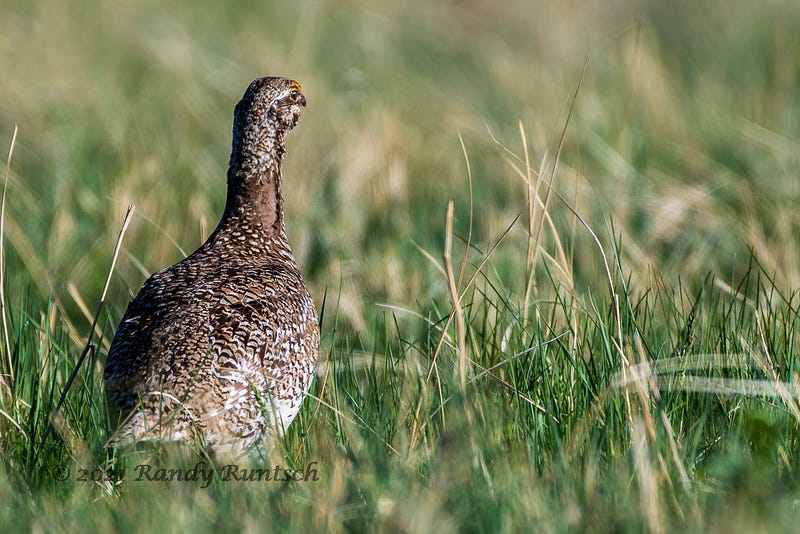
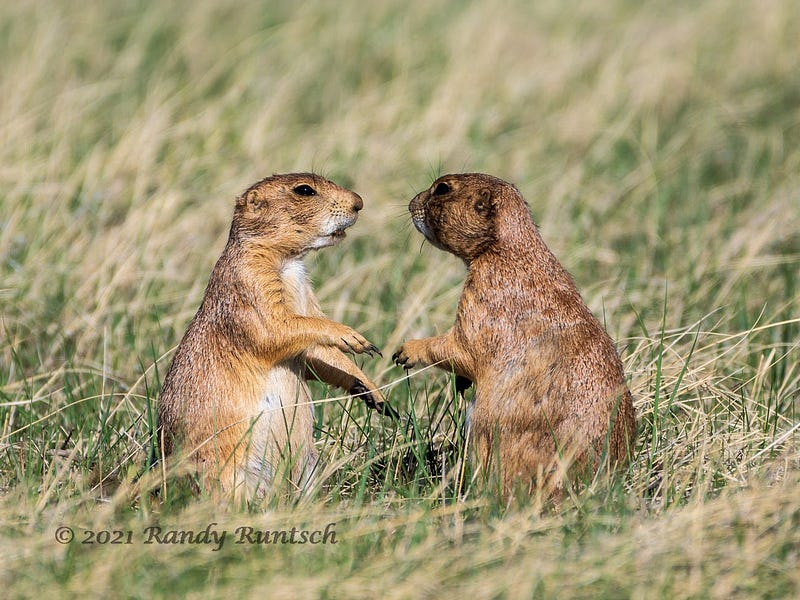
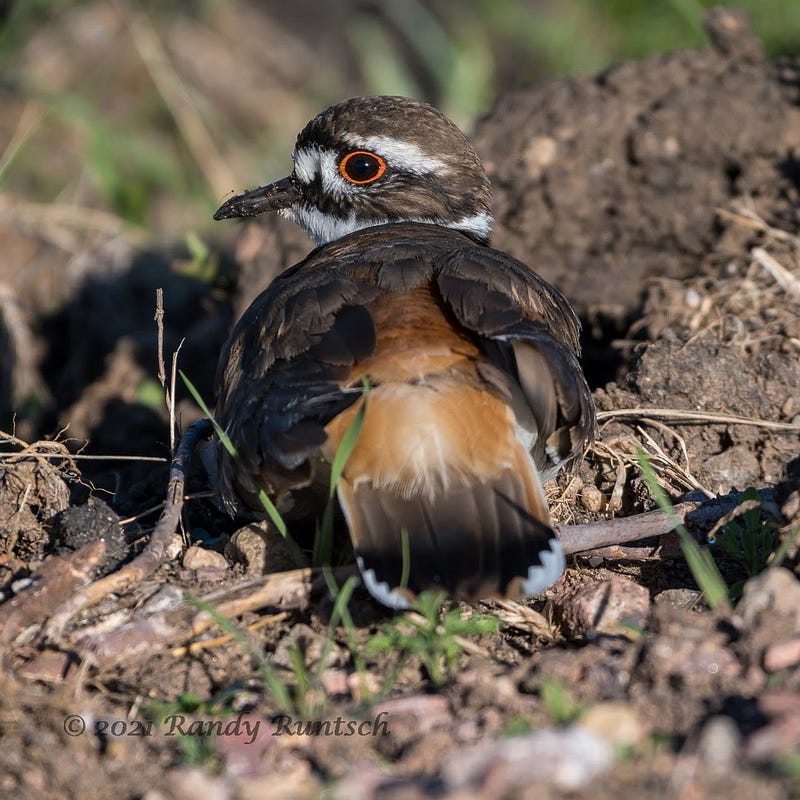
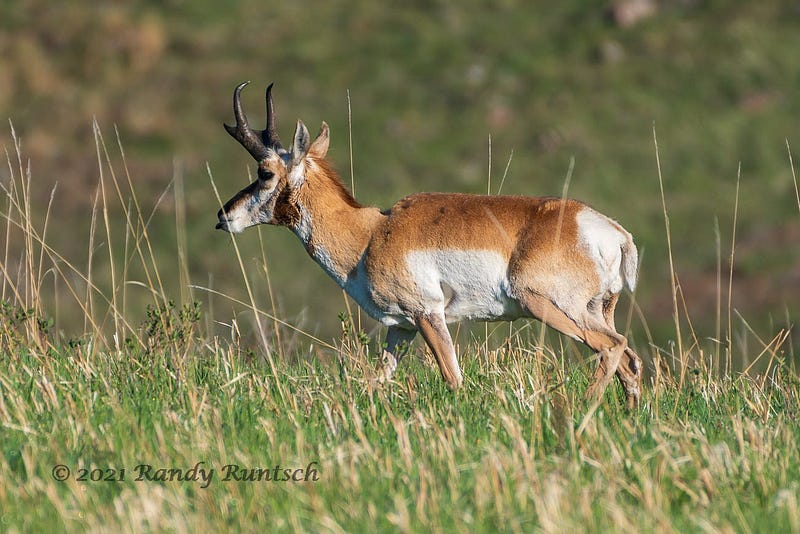
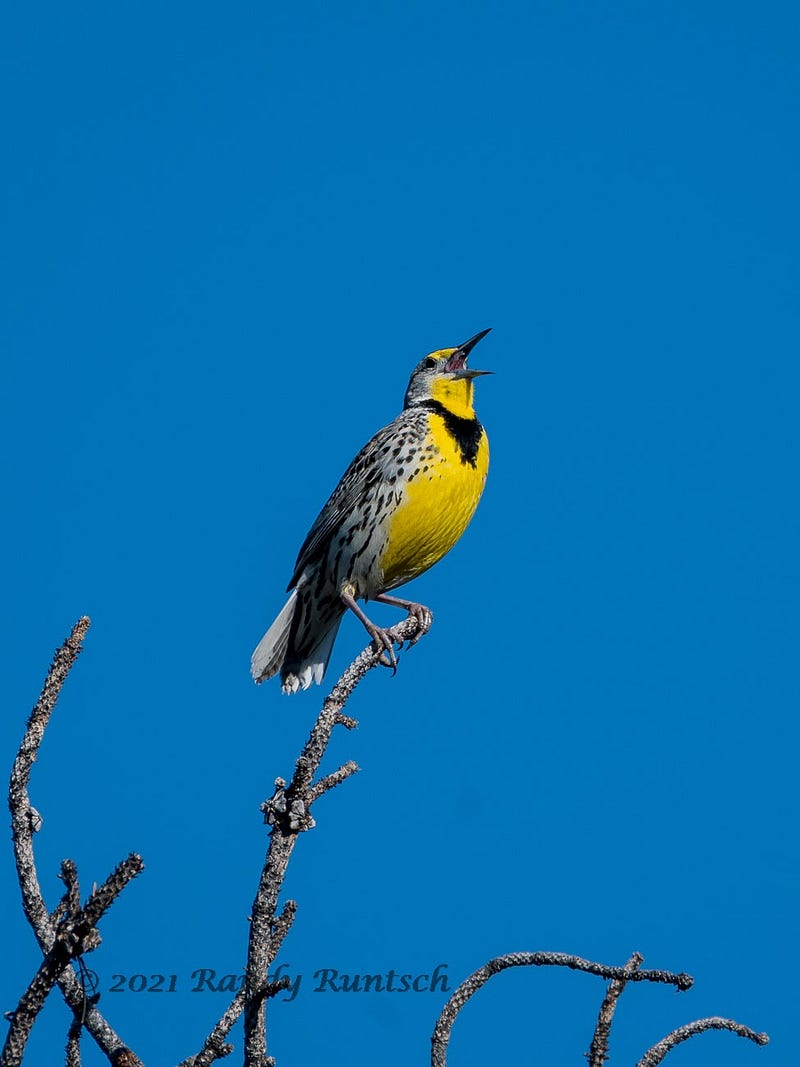
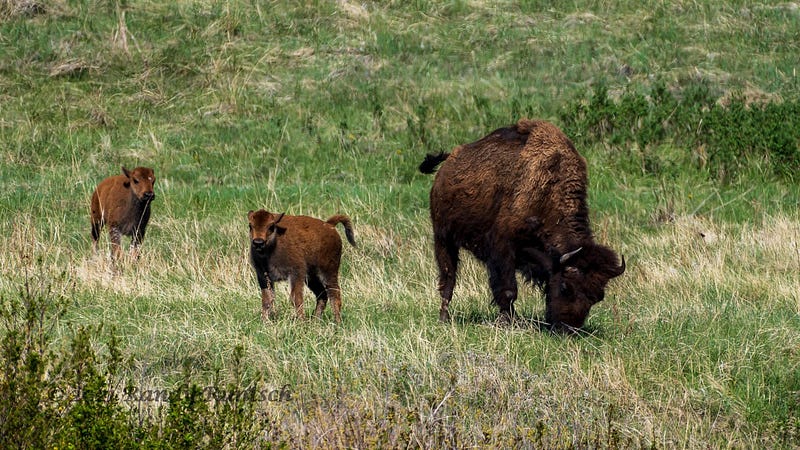
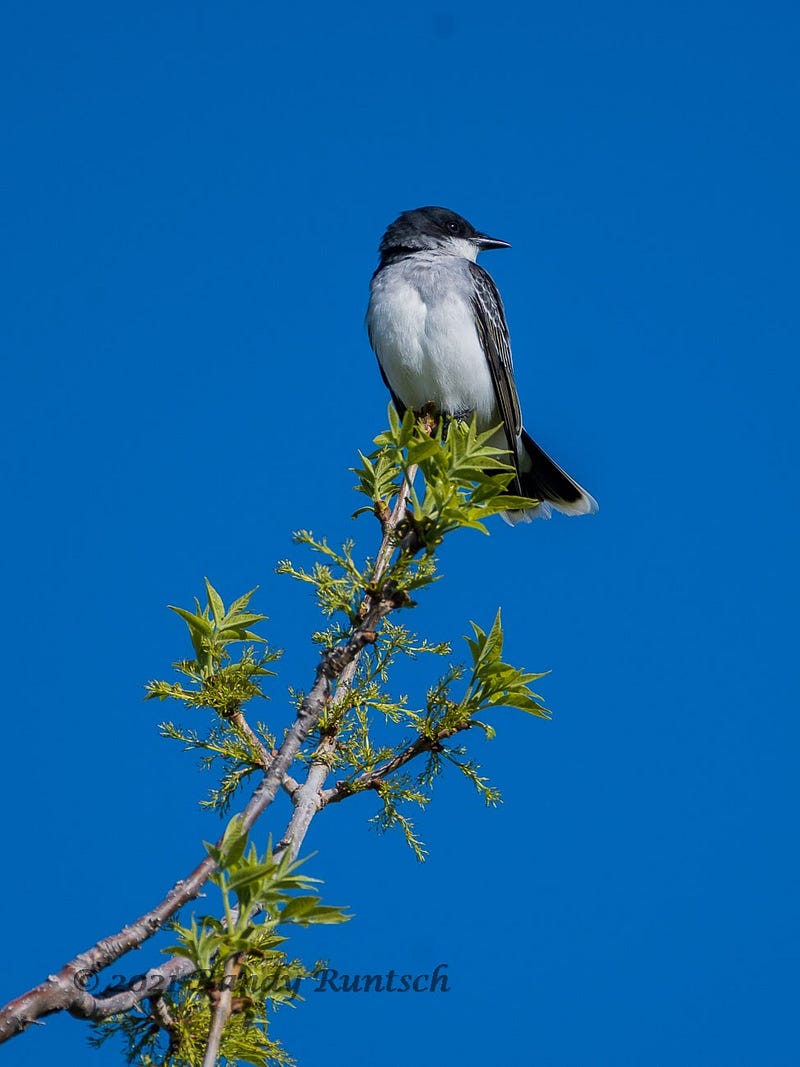
You can view wildlife along the entire Wildlife Loop Road and throughout the park. Mammals that I saw on this trip included bison, pronghorn, deer, elk, bighorn sheep, prairie dogs, and rabbits. Birds included western meadowlarks, wild turkeys, killdeer, black-billed magpies, eastern kingbirds, and sharp-tailed grouse.
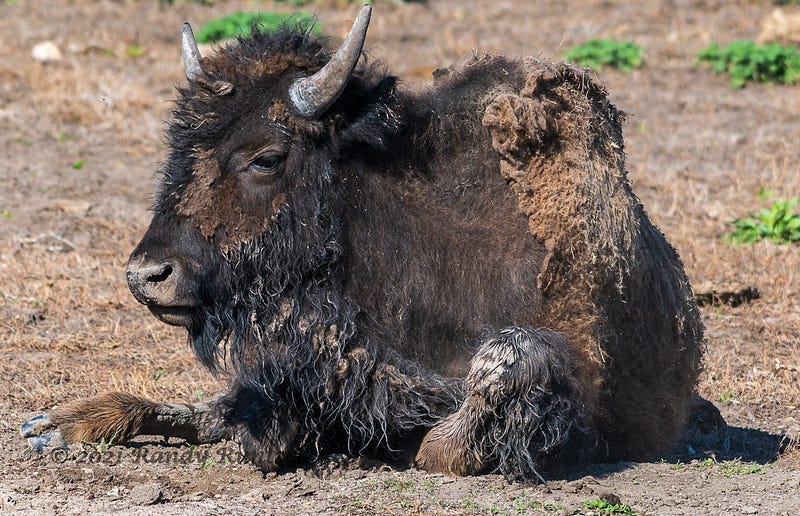
Custer’s bison herd is 1,400 animals strong. You should see many of these magnificent creatures, also called buffalo, on any tour of the park. The park operates a roundup each September to sell off some animals and maintain the herd’s health. It invites tourists to watch the event.
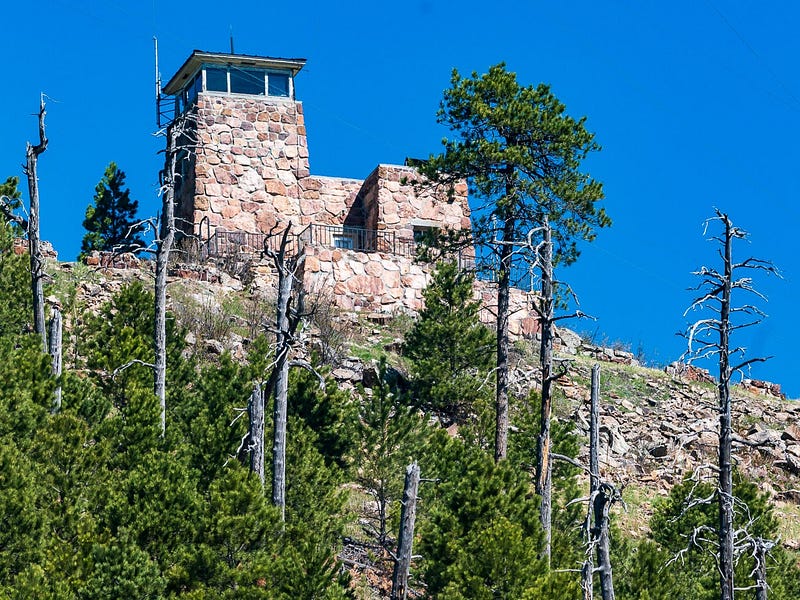
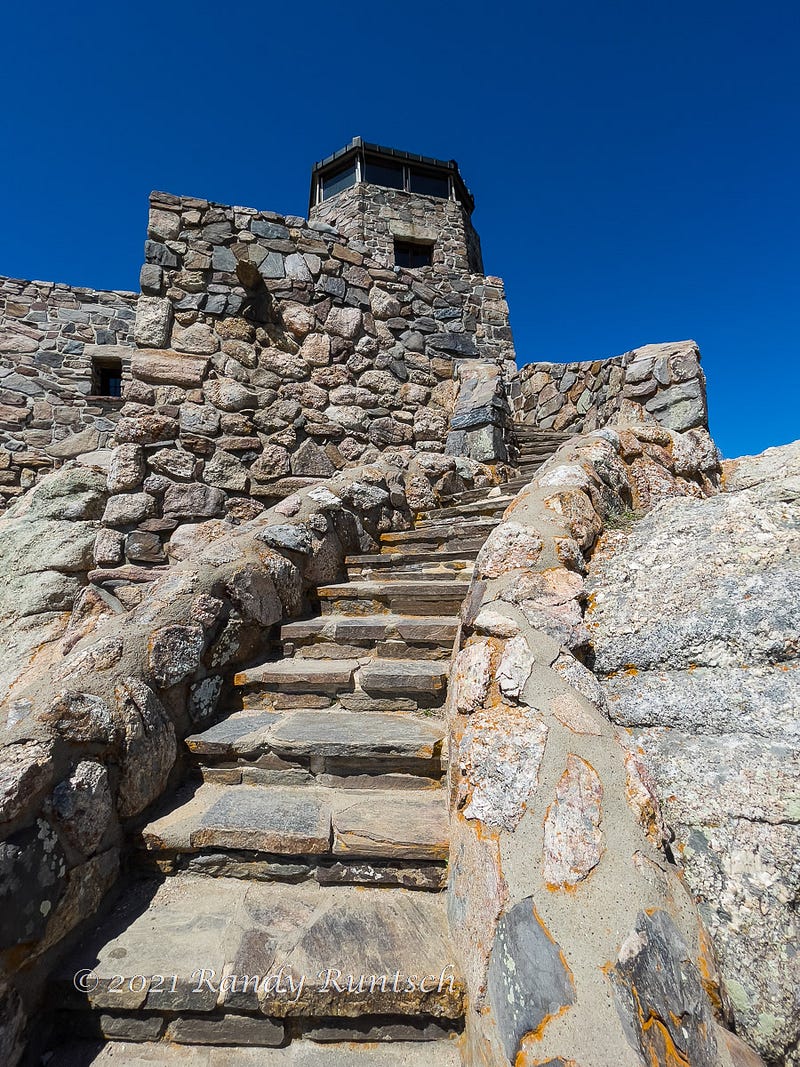
On this trip, I hiked seven miles (11.26 kilometers) from Sylvan Lake to the summit of Black Elk Peak and back. A 1930’s stone lookout tower caps the mountaintop.
Wind Cave National Park
The main highlight of Wind Cave National Park is its cave system. It is one of the largest in the world and features delicate boxwork structures.
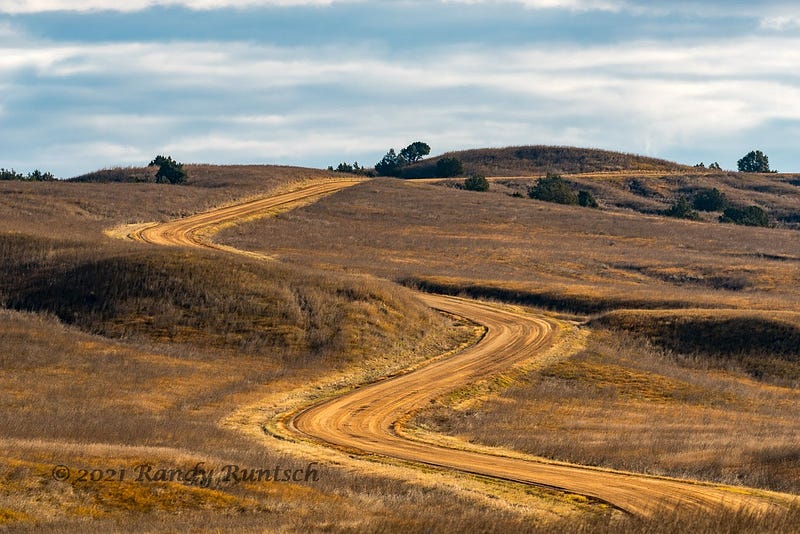
Several gravel roads meander through the park’s grassland prairie. Like Custer State Park, the park has a bison herd and the same collection of other mammals and birds.
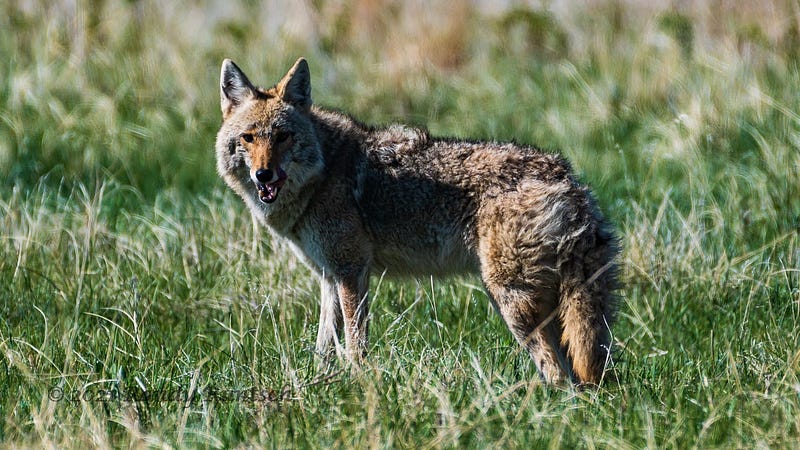
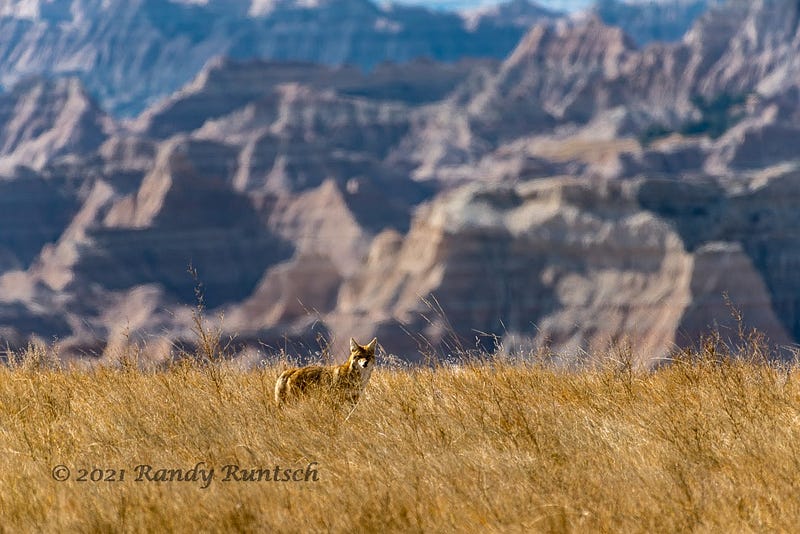
When I visit Custer, I usually drive through Wind Cave as well. Its roads are more rugged and narrower than in Custer State Park. I often see one or two coyotes wait as they spy prairie dogs for a meal.
Summary
The Black Hills region has a lot to offer tourists, adventurers, and hikers. While the scenery is beautiful, I return because of the abundant and vibrant wildlife.