
The Weird Reason I’m at Risk for COVID-19
I look perfectly healthy, but anyone can have an underlying condition
I’m 31 years old, and I’m at risk for COVID-19.
A few years ago, I discovered I have an unusual lung disease. Actually, it’s pretty common in most of the U.S. It’s unusual because many people have it and don’t know about it.
I look perfectly healthy. Anyone around you might have an underlying condition. Please wear a mask.
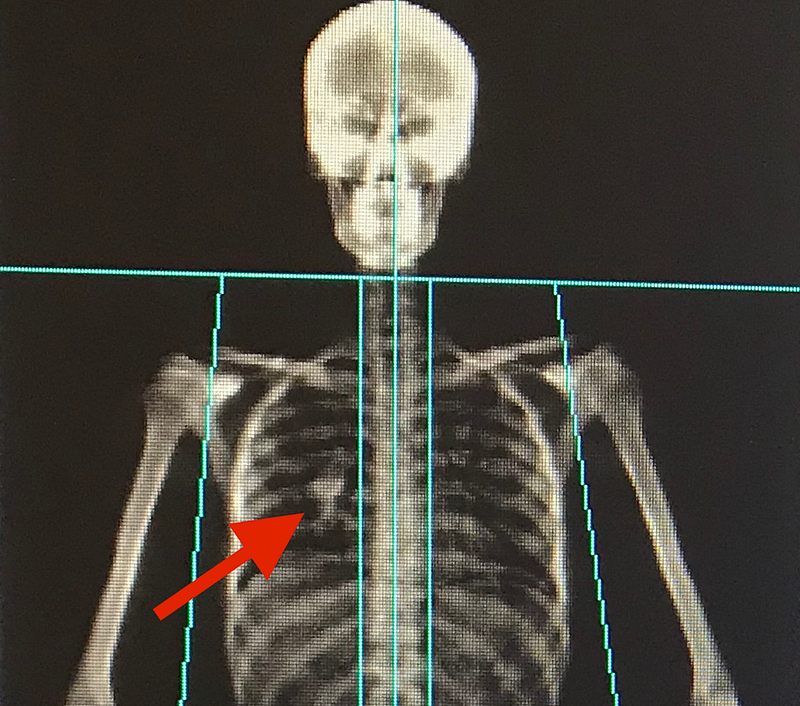
I happened to find out I have this disease because I work in a body imaging lab. On a routine scan of myself, I noticed a strange bright spot. I was concerned, so I went to the doctor, where they gave me a chest X-ray and CT scan. I was worried it was cancer.
It wasn’t cancer, thankfully.
The doctor told me I have Histoplasmosis.
I have WHAT?
It turns out, most of the time, it’s not that big of a deal. Most of the time, though, we’re not in a global pandemic of a respiratory virus.
I’m 31 years old, and I’m at risk for COVID-19. I look perfectly healthy. Anyone around you might have an underlying condition. Please wear a mask.
Histoplasmosis is caused by a fungus called Histoplasma. It lives in animal droppings, especially from birds and bats. It’s often found in caves, dirt, and can be made airborne in construction or digging projects. When we breathe it in, it can cause a lung infection. Our bodies fight the fungal infection by surrounding it with calcium deposits in the lungs.
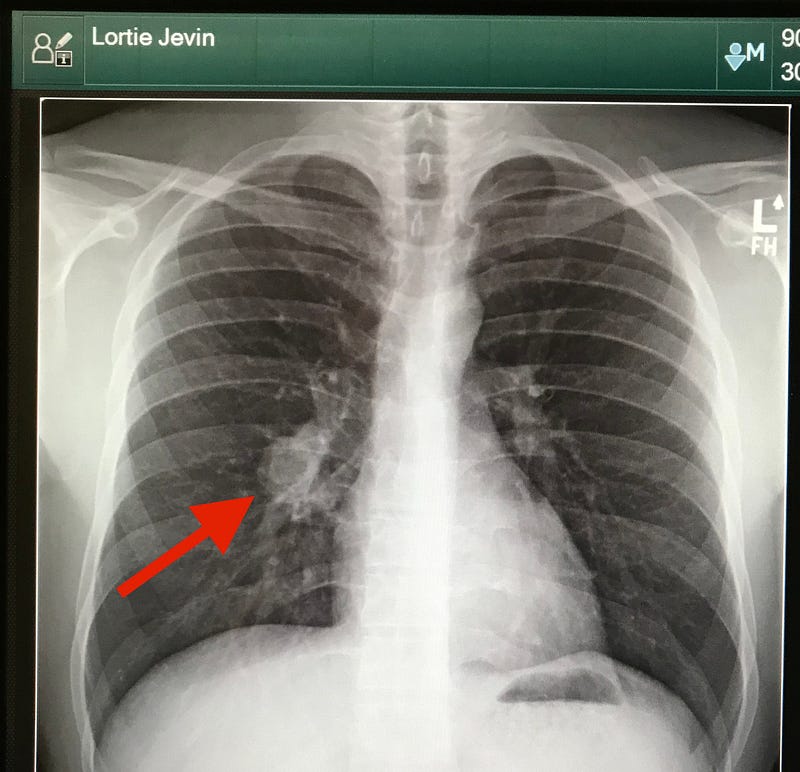
While I can live my life normally, the calcium scarring caused by Histoplasmosis slightly impedes my airways. It’s not enough to make it hard to breathe, but it is harder for my lungs to clear out irritants when they need to.
This manifests as being prone to pneumonia. It’s not uncommon for me to get pneumonia or bronchitis once a year during the cold Wisconsin winters.
Since my lungs are prone to pneumonia, they might have a harder time clearing the fluid caused by a COVID-19 infection. Additionally, a pneumonia infection caused by COVID-19 might be more severe given my Histoplasmosis scarring.
COVID-19 causes inflammation in the lungs, leading to fluid accumulation which can impair breathing. If fluid is not able to get out of the lungs it can cause a secondary infection–COVID-19 pneumonia. The World Health Organization states that the most common diagnosis for severe COVID-19 cases is by also having severe pneumonia.
The current known risk factors for COVID-19, as listed by the CDC are:
- Chronic kidney disease
- COPD (chronic obstructive pulmonary disease)
- Immunocompromised individuals
- Obesity
- Heart conditions
- Sickle cell disease
- Type 2 diabetes
However, the CDC lists conditions which might put people at increased risk as well:
- Asthma
- Cerebrovascular disease
- Cystic fibrosis
- Hypertension or high blood pressure
- Immunocompromised state
- Neurologic conditions, such as dementia
- Liver disease
- Pregnancy
- Pulmonary fibrosis (having damaged or scarred lung tissues)
- Smoking
- Thalassemia (a type of blood disorder)
- Type 1 diabetes mellitus
Although Histoplasmosis isn’t specifically listed, it is a form of pulmonary fibrosis. The calcium scarring is fibrotic tissue that does not function as effectively as healthy lung tissue.
Anyone with any of the conditions on either of these lists should be extra-careful about their exposure to COVID-19. Everyone should practice social distancing, use a mask, and stay up to date with CDC guidelines.
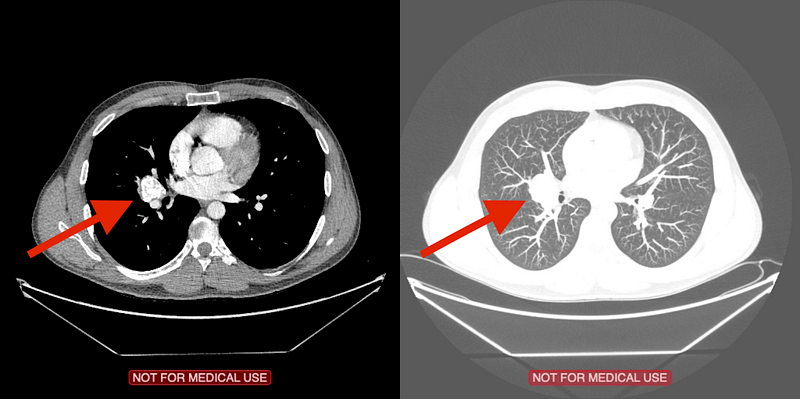
The CDC estimates that 60 to 90 percent of people that live in places where Histoplasma lives have been exposed to it, judging by antibody tests. Where I live in the Midwest, only about 6 people in 100,000 see a doctor for Histoplasmosis. My doctor told me that most people don’t know they have the disease, and it’s often found in autopsies without the person having a record of it.
The Histoplasma fungus infects the lungs and initially causes symptoms that one might mistake for the cold or flu: cough, fever, and aches. Some people can have more severe symptoms, particularly those that are immunologically compromised. Most people fight it off on their own, and simply assume they had the flu.
Our body seals off the fungus and kills it by building calcium walls around it, like a knot on a tree. This is what I was seeing in my image–the leftover calcium scarring from the war my body waged on this fungus. The many clusters of calcium look kind of like bunches of grapes. The largest one, that I was able to see on my rough X-ray in lab, is about 4cm in diameter. That’s roughly the size of a golf ball in my lungs!
If you liked this article, you might also like:


