
The Theme of Winter In The Mixtape Of Taliesin
The Mixtape of Taliesin of course covers all the seasons, although the main seasons seem to be autumn and summer, with Spring and Winter bearing less weight.
But Winter does have some important parts.
First off is Christmas — in the important war poem THE SPOILS OF TALIESIN which starts off the suit of clubs.
The poem itself covers the seasons, starting interestingly in Winter with the following
Long, Long this infinite life
Still small my memories of pleasure
Treasured in my few reflective moments:
I saw Christmastide afloat with artificial lights
So many poor relations on a pilgrimage
To supplicate the stars.
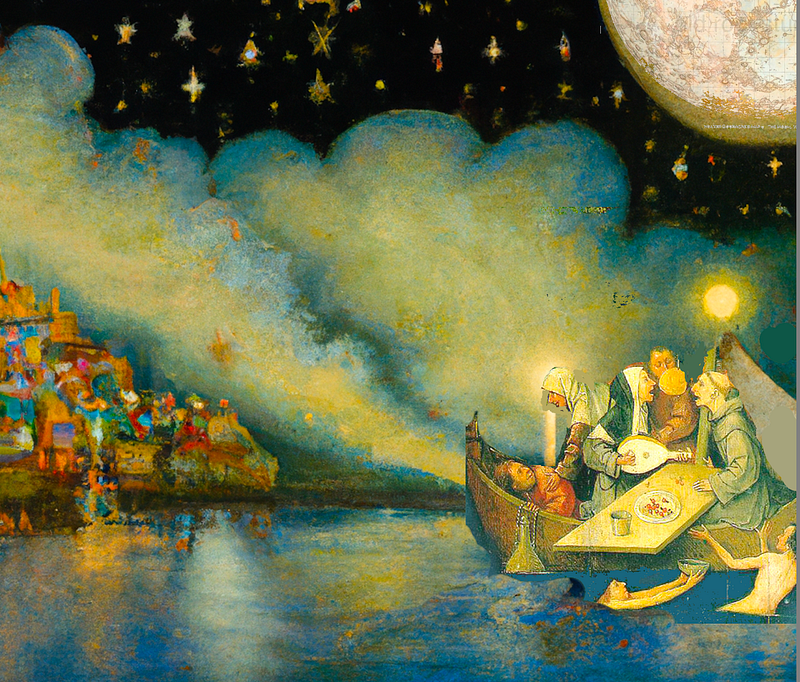
The poet seems to celebrate Christmas as a thing, although feeling excluded from it, he does not think it should be denied those he proclaims his ‘enemies’
Also myriad flowers smartly arranged
In homebody windows I glimpsed
Chwim Chyrnells of Holly & Pine
Whirled thru my eyes on wheels of time
At these sights let no one say I should grieve
For I shall always love my enemy’s joy
It is only the bitter & weak who do otherwise
It was noted that in an earlier version the line Chwim Chyrnells of Holly and Pine was
Torchau nadolig a thaffis
Christmas wreaths and toffees, followed by
And the tinsel refective on the tree
I asked Agent 18 as to why the change and he replied (email)
It’s embarrassing now to admit it but I had an onomatopoeic vision, I was thinking on the poem and going it over, which is about all I ever did in those days, sitting in the library and starving and stood up to do a walk around in the cold outside and I saw a sort of Catherine wheel vision (which was probably just me nearly fainting) and I swear I heard a deep voice “Chim, Chim Churnells.”
And I thought, what the hell does that mean. Sort of, it was like I knew what it meant which is generally the case with all onomatopoeic expressions. And I knew it was there, and really reading it now it exists as a talisman reminding me of that vision, and hopefully when others read it they feel a bit of what I felt when I heard and what I still feel when reading it, even though it is only wondrous nonsense in the end.
which reminds me of my previous article A Theory as to Why Art is Created where I said
The Benefit of the Created Work to the Creator
The Primary benefit (aside from any financial one) is that the creation exists afterwards, and is thus available as a form of mnemonic for the creator. They can revisit and re-experience that sensation of creation that would otherwise have been transitory.
You can relive having the thoughts as visions, although not as strong as revelatory as the original, but as time goes on the mnemonic is affected by that passage, new interpretations to the originating idea can be mixed in and strengthen the work. The artifact that is produced by the experience of creation offers a powerful benefit to the artist, and also to others who are able to experience second-hand what the artist experienced much closer.
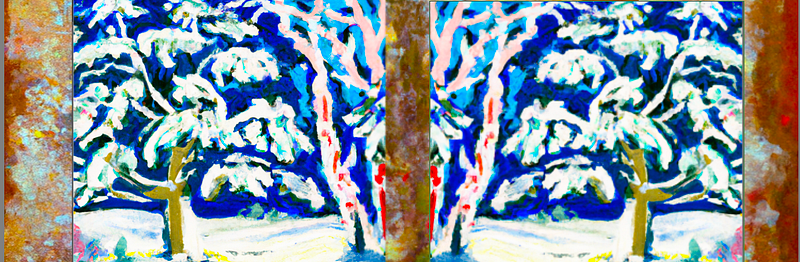
The poem of course transitions from Winter into Spring at this point
There’s a beauty to the bristling spears of Dawn
Flung true onto a frozen field
& beautiful the new-born spear of grass
Whose Chwyth breaks thru to morning breeze
Along the Dyfwy’s banks I’ve watched
The waters thaw & flow
Chwyth means breath or blast of air in Welsh. The line suggests the blade of grass breaking through the earth but here it literally means the breath of the grass is breaking through to meet the breeze that stirs it.
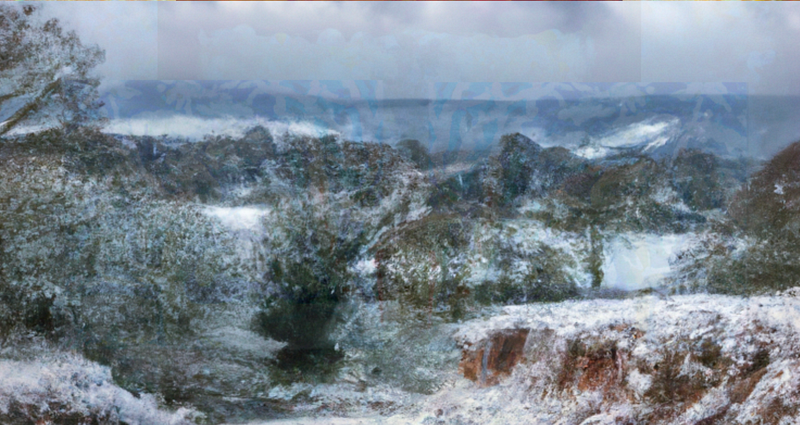
The poem then moves quickly through spring and I think ends in a season that feels much like Fall with the rains, and the mud, and the bloodshed and strife.
The Most Winter
The most winter poem, where the winter and Christmas symbolism is turned up to 11 is Taliesin Errant — the first poem of the Suit of Hearts
I definitely feel a tendency to read it and think “How much more winter could this be?” and the answer is none, none more winter.
Although really only parts of the poem mention winter in passing
Complaining of a winter journey
With hands cupped over burning coals
They scatter to the murky woods
the feeling is wintry enough. I asked Agent 27 about her illustrations, as they are all very winter settings themselves and she said she had thought the poem was supposed to be set in winter, not just for the part above but also references throughout the poem to “…sable collars, scalding cold & frozen fire, and Spiderwebs & early frost” so it seems that this feeling is not just on my part.
I think the interesting part about the poem Taliesin Errant is it is the part where the overarching subject of Taliesin is most pushed towards the faery interpretations. The subject of Taliesin has many layers of potential meaning, but certainly one part is the as a magical personage, and this poem with
Calling your name, calling the wind
The youngest wizard to have spun
From scalding cold & frozen fire
Along his sleeve a pendragon scrawls
as well as
The table is spread, the guests assumed
Salamanders keep the candles lit -
Stags bearing candelabras of horn
Cast shadows onto the intricate chairs
seems to play most into these tropes of otherworld and the fantastical that faery represents, with both the feast set in a forest setting
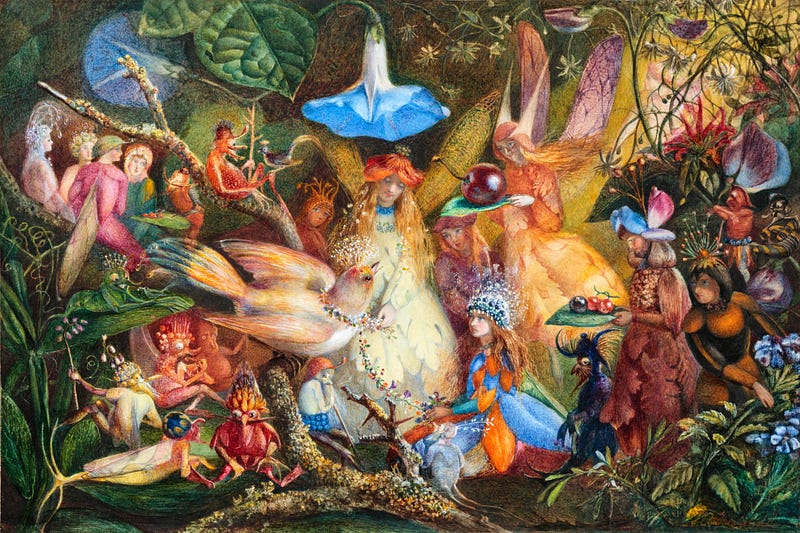
and the magical visitors — in this case dreams — that appear and then scatter to the woods
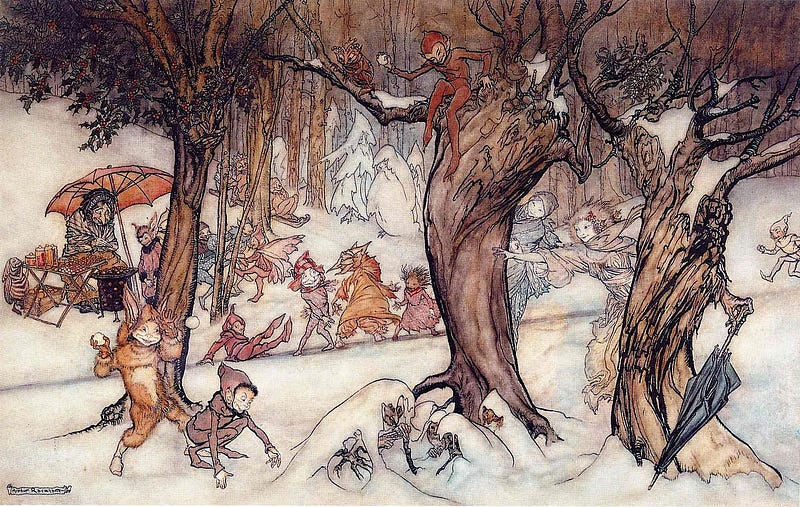
this is interesting in the context of Winter because Winter is imaginatively, in the modern world, the season now most connected to the concept of Faery, first connected via that jolly old elf, St. Nick, and then also by all his magical helpers — the Krampus, gnomes, elves, magical reindeer, and all the many fantasy creatures in movies about this time.
Winter, and Christmas, are the last real holdouts in the Western Mind of fairytale creatures and all that they bring with them.
The point is then also that the last bit of the Utah Quartets is the most fantastical, with the world of cats ages hence, after humans have presumably died off, and this last fantastical poem is immediately followed by the most fantastical in the fairy-tale sense of the word.

There are other minor winter images throughout the book, references to snow and winter but these are the major seasonal parts.
This article was written by IG Agent 13, dealing with critical issues related to the book The Mixtape of Taliesin by IG Agent 18, available on Amazon Kindle Direct or on sale as an ebook for 99 cents at Amazon — Affiliate Link Below.