
The Solstices and Equinoxes
Historic markers of change
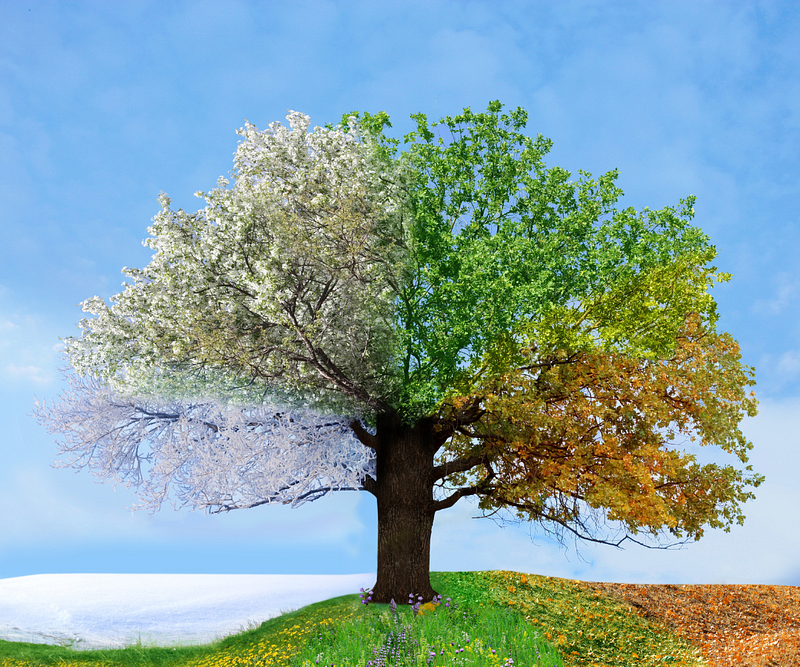
The Solstices
Because the planet is tilted on its axis, different points on earth receive more or less sunlight at different times of the year.
If the earth was balanced, then the sun would be directly above the equator and the amount of light the earth receives would be fixed. But if that were the case, there would be no seasons and no need to mark equinoxes or solstices.
Because the earth is tilted and different points receive more or less sunlight at different times of the year, we have seasonal changes.
There are four important times of the year that mark the seasons: The two solstices (summer and winter) and the two equinoxes ( spring and autumn)
The solstices are either of the two times in the year when the sun reaches its highest or lowest point in the sky. They are the days when the sun’s path in the sky is the farthest north or south from the Equator.
The summer solstice is when the light (day) is at its maximum peak. It is the longest day of the year and the beginning of summer. It happens on or around June 21.
The winter solstice is when the dark (night) is at its maximum peak. It is the shortest day of the year and the beginning of winter. It happen on or around December 21.
And in between the solstice, we have the equinox.
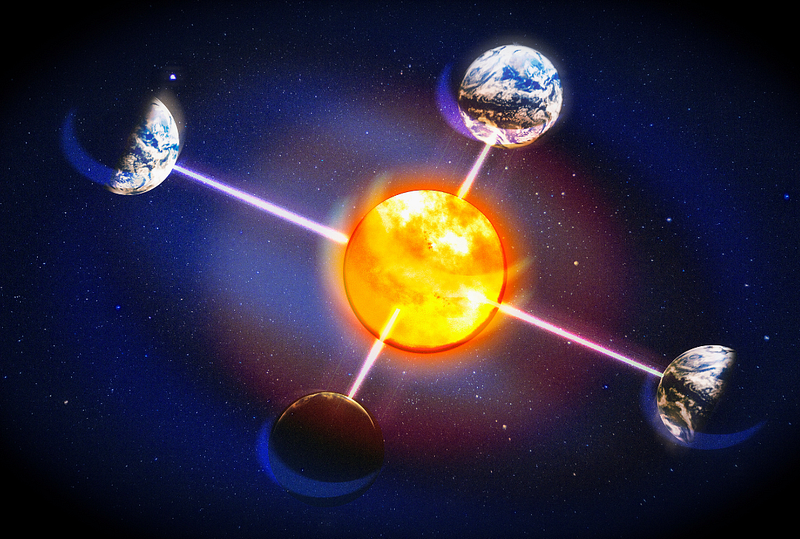
The Equinoxes
The equinoxes are the only time when both the northern and southern hemispheres experience roughly equal amounts of daytime and nighttime. They are the days when the sun is exactly above the equator making day and night equal in length.
Equinox is the day of equal light and dark, night and day. There are two equinoxes: the spring or vernal equinox and the autumnal equinox.
The vernal equinox (spring) marks the start of the spring season and is spiritually and traditionally observed as a time of planting seeds and taking action. It happens every year, on or around March 21.
Vernal means new or fresh. For this reason, many cultures have celebrated the March equinox as the first day of the new year. Vernal Equinox Day is a national holiday in Japan. Passover begins the night of a full moon after the March equinox. The date of Easter, one of the most important holidays in the Christian calendar, is calculated using the March equinox.
The autumnal equinox marks the start of the fall season and is observed as a time when the trees shed their leaves and it’s time for harvest. It happens each year on or around September 21. Thanksgiving holiday is celebrated around this time of the year.
Significance of Equinox
The equinox is a day of equal day and night, light and darkness, marking the beginning of spring and autumn. This time brings the light and darkness to the front together, neither one preceding nor following the other.
Spiritual guidance can be taken from this rhythm of nature.
During the equinox, there is a certain symmetry present, a deep-rooted balance that is emerging which offers guidance and direction for those who are attuned to natural and celestial currents.
The spring equinox offers an opportunity to tune your mind, body, and heart. It is the perfect time to bring balance to yourself by maintaining all four levels of the self — the physical, mental, emotional, and spiritual bodies.
It is the perfect time to renew and transform your mind to experience new mental clarity for the next stage of your life. You must give your mind a rest from the chatter and chaos of the world. Meditation can help to bring equilibrium and balance to the mental body during this time. When you meditate, allow your breath to become deep, easy, and full. Bring your awareness to your center, acknowledging the balance between the light and the darkness within you. Find the stillness within and remain there for a while.
The equinox is also a great time to balance your emotional body by learning to calm the waves of emotion moving through you and lead them to stabilization. It is a time to clean your outside environment and detox your physical body.
The equinoxes and this upright and balanced posture of the earth require that we stand and sit upright. It is a great time to work on your standing and also your seating posture.
When the earth is at a point of equanimity during the equinox, it is a time to bring the body into equilibrium. It’s a time for a system reset. Hold your head high when you walk and plant your feet firmly on the ground. Feel your spine straighten and increase in length. Stretch yourself upright without effort and let your shoulders drop away from your ears and slow down throughout the day.
The autumnal equinox is a time of slowing down and enjoying the fruits of your harvest. It is a time of thanksgiving for all that you’ve been able to reap.
When we make a conscious effort to do these things, all of nature works to support us in achieving equilibrium within ourselves.
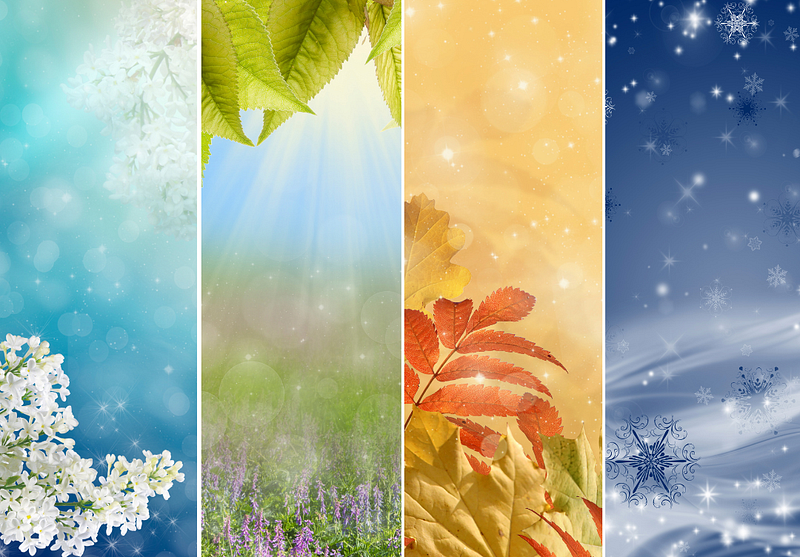
Significance of Solstice
The solstices encourage us to embrace the light and the dark that are in the world seen through nature and that is also in each one of us.
During the summer solstice, the sun reaches its highest point in the sky and gives us our longest day of the year. This reminds us to appreciate the light of the sun and the light within each of us. The daylight will start increasing, so we will experience more light illuminating the shadows in the darkness. Allow the light to shine on the shadows so that you can see and integrate them.
The summer solstice is tied to warmth, fertility, and the preparation for harvest. It signifies a time to nourish and water the seeds planted in the spring.
During the winter solstice, the sun reaches its lowest point in the sky bringing the earth the shortest day of the year. The winter solstice reminds us to acknowledge the dark of the moon and the darkness within us.
The winter solstice is a time for setting intentions. It is a time for goal setting, planning, and preparing seeds to be planted.
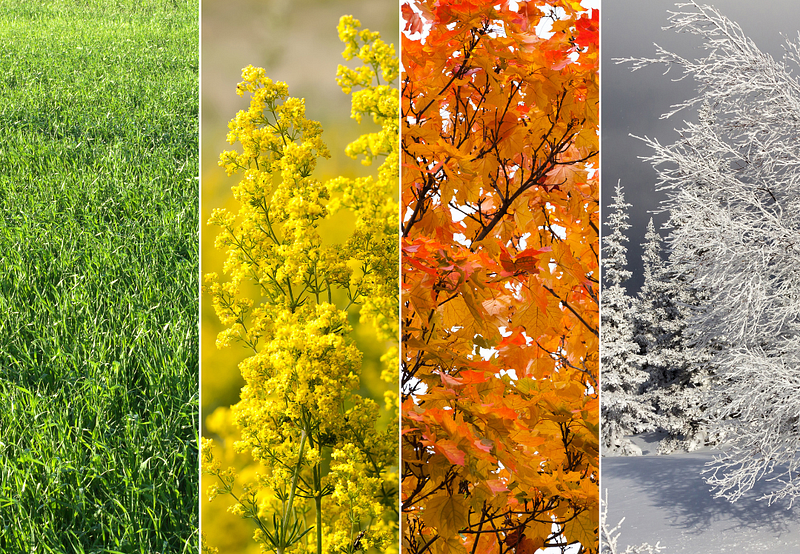
Summary
- The Spring/Vernal Equinox (March 21): Equal day and night, light and darkness, marking the beginning of spring.
- The Summer Solstice (June 21): The longest day of the year, marking the beginning of summer.
- The Autumnal Equinox (September 21): Day and night of equal length, marking the beginning of autumn.
- The Winter Solstice( December 21): The shortest day of the year, marking the beginning of winter.
If the spring equinox represents action, the summer solstice represents patience. If autumn represents harvesting, the winter represents inaction.
While the spring equinox represents new beginnings and sowing seeds, the summer solstice represents the next step of watering seeds and waiting for them to grow.
While the autumn equinox marks a time to harvest and celebrate a great harvest, the winter solstice represents the next step of rest and rejuvenation in preparation for the next cycle.
For centuries, people have recognized the power in aligning with the phases of the sun by honoring the equinoxes and the solstices which mark the changing seasons. The changing of seasons also represents the corresponding changes that must occur within you.
The most important thing to remember during the changing seasons is that everything starts as a seed. That’s the first law of the harvest.
To reap a great harvest, you must plant your seeds generously.
There’s a time to plant your seeds and a time to wait for them to grow. There’s a time to harvest your crops and a time to rest.
During the spring equinox, keep on sowing your seeds, for you never know which of them will grow. Perhaps they all will and you’ll harvest in an abundance.
When you have to wait, wait and wait patiently because there’s a purpose in the wait. Seeds grow while you wait. You also grow when you find yourself in a waiting season.
When you reap a great harvest, give thanks to nature for teaching you about the cycles of life and when the darkness comes again and it’s time to stop work and rest, don’t fight it. Listen to nature and to your body and find rest.
These four cycles of the sun represent the cycle of our lives that brings balance and order to the world and also to ourselves.