
The Secret Ingredient to Friendship
Spoiler: There is no secret ingredient!

Friendship is a curious beast. People come and go throughout your life, some staying a long time, others making a fleeting appearance. The impact they have on you and your life can also vary.
I have made and lost many friends throughout my nearly five decades on the planet. I’ve made friends in all my life stages and lost friends to illness and tragedy, others through distance and changes in life.
There are several key factors that influence our friendships, either making or breaking them.
Common Interests
Work Work is a place where many of us make good friends, myself included. If you have moved jobs often it can make it hard to maintain these friendships. Workplace culture and even the culture of the country you live in can influence this.
Work friends who I maintained a friendship with despite moving country are people who share my interests. We love books, or travel, or cooking and food, and love seeing what is happening via Facebook and other social media. It helps maintain those friendships when distance means we don’t see each other so often anymore.
Hobbies Making friends through your hobbies makes sense and time is a factor in developing them. If you happen to have kids, you tend to make friends through their hobbies just because they take up time you might otherwise spend on doing your own thing.
I’ve made friends through my kids’ sport and hobbies, but also my own sport and other hobbies I now have time to develop now my kids are older. I sing in a rock band and the guys in the band (and their significant others) are people I hang out with and travel with. My writing friends are spread out all over the world thanks to the internet. Maybe one day I might even meet some of them in real life? For now, they are words on a page, a message, a photo.
I know other people who are gamers who have friends they meet with almost daily, connecting via their love for whatever online game it is they’re playing but rarely meeting in real life.
Stage of Life
The friends you make at school, university, work, through your children if you have them, through family, can all vary in length and intensity.
I recently read a story by Jenny Bravo suggesting she might not be good at friendship because she didn’t have a ‘lifelong’ friend. I think she’s being too hard on herself! All the culprits she names that have interfered with her maintaining friendships throughout her life are all normal life stages. I would suggest that her sister’s lifelong, intense friendship is less common than her own changeable friendship experience.
The fact is, the stage of life you are in will influence the friendships you maintain and develop.
If you are at school, there is a fairly small pool of people to become friends with. As children, we are exploring and developing our interests and friendships can be made and broken because of it. Throw in moving town, city or school, and friendships become harder to maintain.
My own experience saw me move country, city, and schools in my primary (or elementary) school experience. In high school, I stayed in the same place for five years. It’s no wonder that I have maintained more friendships from my later schooling than the earlier stage.
University friends can also come and go. It will depend on your own experiences of life there, the course you take, your interests, the job you start after studying. I have one friend who keeps in touch with tens of university friends. I have him. He’s the only one I have kept in regular contact with over the past three decades.
When or if you choose to start a family is also a factor in who you might be friends with. I was the first of my school friends to have a baby. This meant I had to make new friends who also had babies because there was no way my non-baby friends were going to regularly hang out with me with a little one in tow! I had to find people who understood how important the color of a baby’s poop is, and to share ‘lack of sleep’ experiences. My pre-having-their-own-family friends all of a sudden had exotic lives, working, drinking wine in bars, and seeing movies whenever they wanted.
Romantic relationships can have an impact on friendships. Hopefully, it’s building friendship networks rather than dismantling them, but both happen. Your partner’s friends can become yours and vice versa. Breakups in your intimate relationships can cause friendship rifts. Sometimes you find out just who your friends really are.
Wider family can also be a place where friendships can blossom. Your cousin’s wife or husband, your step-nephew or niece, your second-cousin; the mix of family relationships can produce friendships that can even withstand relationship breakups. I have developed great friendships this way, mostly with the partners of cousins, all in different life stages — even post-break-up with one of my family members has seen one friendship remain and develop sans cousin.
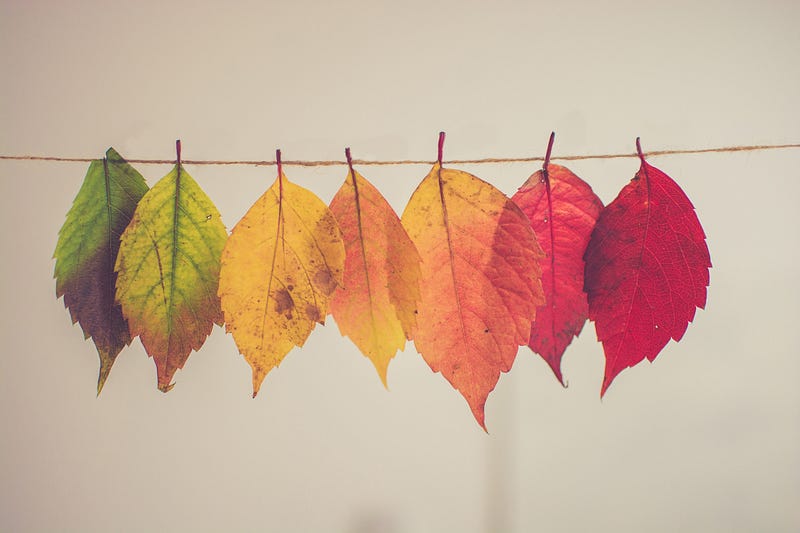
Changes in your life result in changes in your friendships.
My Observations:
The interesting thing that I’ve observed over my time on this planet is that if you have a diverse range of people in your life in all stages of life, you will always have friendships.
Distance and time just don’t matter in some friendships — it can feel like you saw each other yesterday when it was a decade. You keep the same connections and interests, share wonderful memories, still have an interest in each other despite not having regular contact. Sometimes it’s the distance that keeps you from having regular contact — continents in between! But it’s never been easier to touch base with friends in far-flung places. And perhaps catching up with a friend once a decade is regular for that relationship.
You can’t control how a friend reacts — sometimes things will happen in your life, you will make life choices and decisions that may have an impact on your friends. Hopefully, they will support you, but sometimes they won’t and you may not even know why. You have no control whatsoever over a friend’s reaction to changes in your life or decisions you make. Accepting this is important for your future friendships.
Not everyone we are friends with will stay in our lives — some people are just not ‘forever-friends.’ School, study, work, life stage will see people enter our lives, enrich them perhaps, then leave. Sometimes they can scar us, sometimes we learn about ourselves, then they move on and so we should. This is completely normal. Realizing that not everyone will be in your life forever, makes it easier to let them go without bitterness. You might feel grief, a normal response to loss, but holding on to anger at your friend doesn’t help you and your future. Let them go.
Look after yourself — don’t run yourself ragged trying to maintain every friend you’ve ever had. Avoid putting all your energy into just one friend. Being friends with yourself is important. Having time with yourself, to nurture yourself will ultimately mean you’ll be a stronger, more caring friend. I’ve witnessed a friend run all over the place for lots of different friends, putting off close friends to catch up with new ones, maintaining hundreds of friendships at the expense of themselves. Adversity in my friend’s life saw feelings of loneliness and vulnerability emerge when none of the friends put in the energy my friend was.
If you have a diverse range of friends in all stages of life, you will always have friendships.
I have a wide range of friends, from different life stages, workplaces, interests, and places I’ve lived. I have friends with no children, small children, children my age, grandchildren. I have friends in relationships and friends who are single. I have friends I have never met in person, meeting via interest groups on Facebook, writing collaborations on Instagram, the magical Medium world. Technology has allowed friendships to develop that wouldn’t have been imagined even thirty years ago.
All of these friendships require time, care, consideration, interest, trust, and love — in varying quantities. Kind of like house plants, some require more careful tending, others just water every now and then and leave them, they’ll survive!
Either way, there is no magic ingredient!
~thanks for reading~
Other interesting reads on friendship:
Lisa lives and writes from her home in Finland. She has had poems published in several anthologies and is currently working on a photo-poetry collection. If you’d like to keep in touch, Northern Notes is her newsletter.


