The Power of Micro Habits Lead To Big Success
Many dream of taking a giant leap, but they underestimate the power of the small step. Why do you think many give up on their New Year’s resolutions at about this time? They kept thinking about the bigger goal and failed to execute with daily consistent habits.
The Game-Changing Humble Step
The small steps can be a game changer because each helps build momentum. Your confidence will grow; you’ll notice the difference over time and be inspired to shift gears. Before leaping into the deep end, focus on setting the right intention from the outside.
Inside-out vs Outside In
When you know your objective and end goal and stick to it. The rest starts falling into place when you know your ‘what’ and ‘why’. When you begin to understand this, you’ll be able to appreciate the self-awareness which goes with the territory of taking back control.
For example, some get put off by executing dreams for fear of other people’s ‘Why?’ because they start questioning their judgment. Don’t. Of course, you never need to explain or justify your actions, but if you ever find yourself questioned, your self-awareness and clarity will help you handle the questions from people in your world.
Imagine The Following
In the significant glass buildings of Canary Wharf, Cornelia Richards stood in her office, looking out at the green Jubilee Gardens below. She paused momentarily to appreciate how hard she’d worked to become a Principal at a top consulting firm.
However, she felt like she needed to change something. She wasn’t having a career crisis but believed that making small daily changes could significantly improve her life.
Cornelia decided to look closely at how she spent her day. She found out she was wasting a lot of time on things that didn’t matter. So, she started making tiny changes to her daily routine.
She began her mornings with a quiet time to think and plan her day, ensuring she started right. She took short breaks to rest her mind and returned to work feeling refreshed.
Cornelia also focused hard on her work at certain times during the day without any distractions. This involved blocking time in her diary, closing her door or going to another office down the core to work. These small changes made a big difference.
Cornelia got more done and felt better about her work-life balance. Her coworkers noticed how well she did in her job and how happy and balanced she seemed.
Cornelia showed that making tiny, everyday changes can lead to big successes and a happier life right in the busy world of Canary Wharf.
Moving Forward
Moving forward, Cornelia planned to take even more practical steps to keep improving. She wrote down her top three priorities daily to stay focused on what mattered. She also wanted to learn something new daily to keep her mind sharp and curious, even if it was just a small fact or a new word.
Cornelia considered limiting her time on social media and emails and setting specific times to check them so she wouldn’t get distracted during the day. She also planned to end her day by writing down three things she was grateful for, helping her stay positive and mindful of the good things in her life.
These simple but effective habits were Cornelia’s way of ensuring she kept growing and staying on track with her goals while maintaining a healthy balance in her busy life.
I believe five things prevent individuals from reaching their goals.
Watch Out For The Following
- Procrastination
Procrastination is no friend. It’s known as the ‘thief of time’ for the right reason because tasks are unnecessarily delayed. Guess what happens if you leave it for another day? Days turn into weeks, weeks into months, and another year passes.

Overcoming procrastination requires a mix of self-awareness, discipline, and actionable steps. Start with setting specific deadlines, breaking down large tasks into manageable chunks, and utilising productivity techniques like the Pomodoro Technique. Remember, the best way to get something done is to begin.
2. Limiting Beliefs
Limiting beliefs are those nagging thoughts that tell us we’re not good enough, smart enough, or worthy of success. They are deeply ingrained, often stemming from childhood or past experiences, and can cripple our potential.
Addressing these beliefs starts with self-awareness. Recognise and challenge these thoughts when they arise. Seek out positive affirmations, visualise your success, and consider seeking a mentor or coach who can offer an external perspective and guide you in reshaping these beliefs.
3. Mindset
A fixed mindset, as coined by psychologist Carol Dweck, is the belief that our abilities are static and unchangeable. With this mindset, failures become personal inadequacies rather than opportunities to learn and grow.
Cultivate a growth mindset by viewing challenges as opportunities and understanding that with effort and perseverance, abilities can be developed. It’s important to celebrate small wins, accept failures as learning experiences, and constantly seek feedback to improve.
4. Blame
It’s easy to point fingers when things don’t go our way. By blaming external factors, we relinquish control, rendering ourselves powerless in adversity.
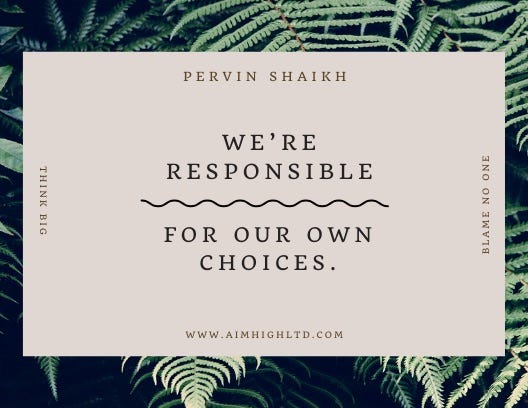
Adopt an internal locus of control. This means believing that you have the power to influence events and their outcomes. When faced with setbacks, instead of placing blame, ask, “What could I have done differently?” This proactive mindset not only boosts self-accountability but also fosters resilience.
5. Excuses
Excuses are self-imposed roadblocks. They range from “I don’t have enough time” to “I’m not experienced enough.” While these statements might have a grain of truth, they often mask underlying fears or insecurities.

Learn to differentiate between legitimate reasons and excuses. Where there’s a will, there’s often away. Instead of focusing on what you can’t do, pivot your perspective to what you CAN do. Start small, seek help when needed, and always prioritise learning and growth over perfection.
Call To Action
Are you ready to take your goals to the next level? Here’s a straightforward check-in exercise to help you achieve your micro habit goals.
5-Minute Daily Journaling Exercise
- Morning Reflection (2 minutes). Start your day by writing down one small, achievable goal you want to accomplish today that aligns with your larger objectives. It could be as simple as dedicating 15 minutes to reading, learning a new word, or taking a short walk during lunch.
- Midday Check-In (1 minute). Take a brief moment to note down any progress towards your goal. If you haven’t started yet, jot down a quick plan for when and how you’ll tackle it in the remainder of the day.
- Evening Reflection (2 minutes). Reflect on the goal you set in the morning. Did you accomplish it? Write down what went well and what could be improved. Then, acknowledge one thing you were grateful for in your day.
I like this simple exercise because it encourages daily self-reflection, goal-setting, and gratitude, keeping you steadfast with your micro habits and helping you achieve long-term success.
Parting Comments
I believe we have more control than we give ourselves credit, and we have the power to shift from one state to another. Get in the daily habit of working towards your goal. A little each day is better than one big blast once in a while
Ask yourself, what do you want? Keep asking this question if you don’t know. If you do know, what’s the first step you need to take to make it happen?
Whatever you decide to do, be kind to yourself because your choice of words makes a big difference.
Thank you for your attention.
Follow me for more valuable tips.
Pervin
linktr.ee/AimHighLtd