
COMPASSION | RELATIONSHIPS | DAILY DOABLE
The Power of a Kind Gesture
How to heal the deep wounds of a hurting friend.

Today’s topic is something that has really frustrated me in the past.
Have you ever had a friend going through difficult times? We all have. Maybe they have health issues. Maybe they’ve had a death in the family and you want to comfort them.
When you do reach out, the conversation usually goes something like this. “Let me know if I can do anything.”
I’ve said that before and I’ve had it said to me. And more times than not, that’s where it ends. Nothing happens. The person I’ve said it to has not come back and said, “Can you do this for me,” or when it’s been said to me, I haven’t reached out to someone else and said, “You know, I really could use some help with this.”
Why is it that? It’s not because we don’t have the best intentions when we say something like this. Because we do.
I think too many times we don’t know what to say, and too many times we don’t want to impose on someone. I know when it’s been said to me, I don’t want to take up someone’s time.
Consider this. The truth is, people really want to help. I know I want to help and I’m confident you do too.
I love the quote in the graphic below.
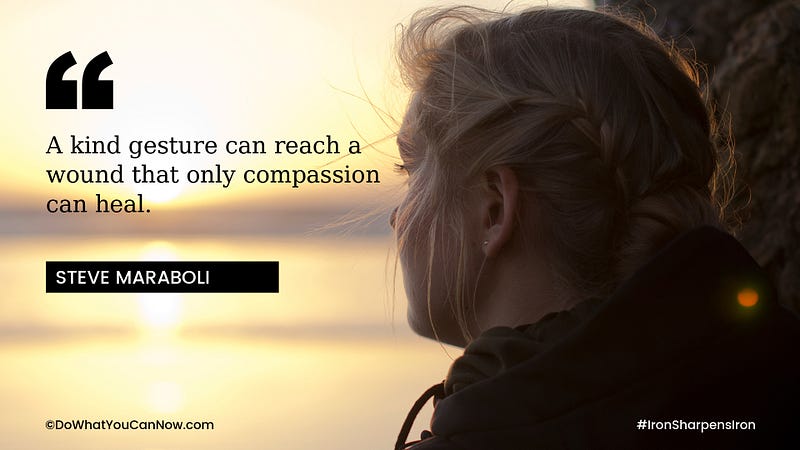
Daily Doable: What kind gesture can you do to heal the wounds of a hurting friend? When you know there’s a friend going through some hard times. Think of something you could do for them. Remember, it doesn’t have to be anything big. It could be something simple.
Chances are, something simple is going to be a big deal to them.
Present the idea to them, and then do it. Let’s consider an example.
Say you have a friend who has some health issues, who has recently had surgery, and you know that friend could use some help with meals.
Think about a meal you could prepare for them, and then say, “What time could I bring supper over to you?” You might get some resistance at first but say, “No, no, no. I really want to help.” Chances are when you insist, they’re going to say yes, and agree to it.
Use some common sense. If a person needs some time and space to be left alone, that’s fine. You’ve made the offer. That’s the important thing.

I know when I’ve been on the receiving end of someone doing this for me, it makes me feel special. It makes me realize that someone cares. It’s going to make the bond of friendship even stronger.
It’s a simple thing to do, and it’s a simple way to change the phrasing of how we end a conversation, but if you do it, it can make a big difference.
Bonus Daily Doable: If someone says to you, “Tell me what I can do for you,” the best thing you can do for them is to tell them what they can do.
Say you’re busy with other things and you need your yard mowed. Tell them, “I could really use my yard mowed right now.”
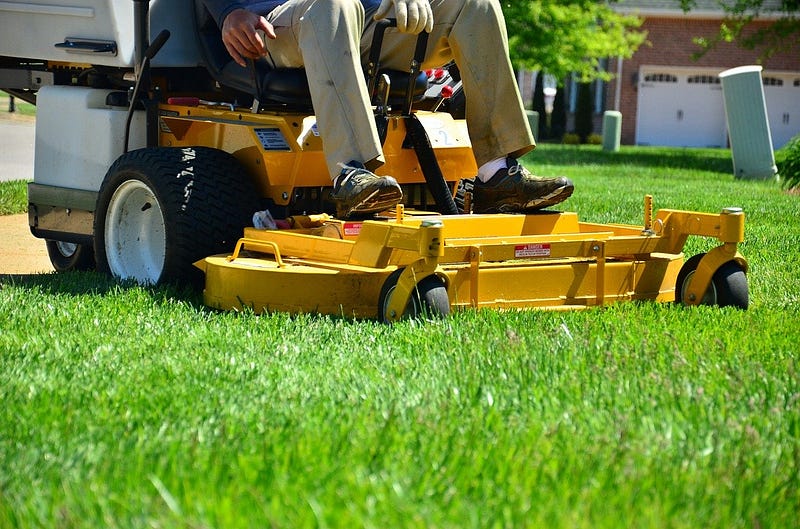
I guarantee you they’ll come over and mow your yard. If you need a meal, they’ll bring you meals. You will make their day and it will make your day too. #DoWhatYouCanNow
If you enjoyed this Inspire Point, I would like to invite you to read this story about simple solutions to comfort a friend.
This Inspire Point and Daily Doable were brought to you by Tim Maudlin. Please allow me to introduce myself.
This story was originally published on my site at DoWhatYouCanNow.com


