
The One Aspect of Travel That Makes Me Question Humanity
How NOT to be an arsehole abroad.
Travel to me is complex. An act of duality, where you can see the best the world has to offer, and oftentimes the worst too.
In my opinion, as a traveller, I seek adventures both meaningful and rich, looking past the glamourous veil put up by a nation’s tourism board. An explorer who wants to understand a country/region to its very core, through its food, people and history. Unfortunately, this can bring you to some very dark places.
These dark places show the true brutality of humanity, places that even the Devil himself would hang his head in disgust. Acts that are so evil and despicable that the very thought of them causes a feeling of disbelief, with the physical proof being the only anchor to reality.
During my travels, I have noticed a startling trend. One that has brought me to a boiling point on several occasions.
Why do I visit dark travel locations?
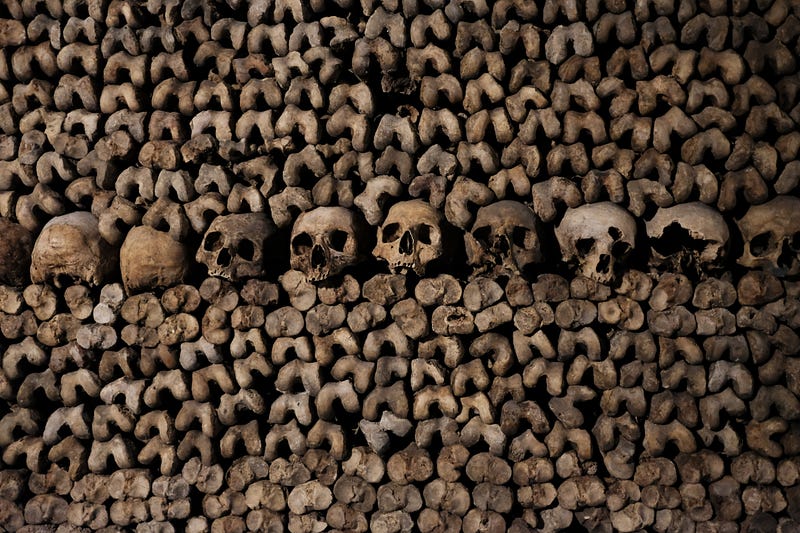
First and foremost, I visit these locations to pay my respects to those affected by atrocities. The cruelty inflicted should never be forgotten, nor should the victims.
We must not shy away from the brutality, but look to learn from our history. Using it as a precursory tale to recognise the political shifts towards radicalisation and to hear the murmurings of hate, before it is too late.
It is a warning against humankind’s tendency towards utter destruction and annihilation. However, I fear these harrowing lessons may fall on deaf ears.
A Case Study of an Arsehole Tourist: Auschwitz-Birkenau
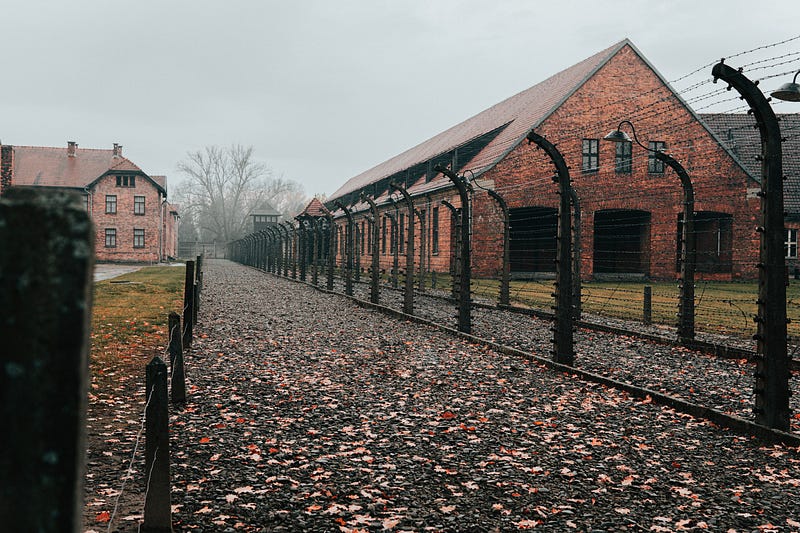
In 2019 my girlfriend and I visited the infamous concentration camp, Auschwitz-Birkenau, located near Krakow, Poland. The lead-up to the excursion was weird. The thought of visiting this factory of death, had me feeling a huge amount of dread, but also a level of intrigue.
Not the kind of intrigue I would associate with morbid curiosity, but rather a historical curiosity. A chance to pay my respects to those murdered in this hellacious place.
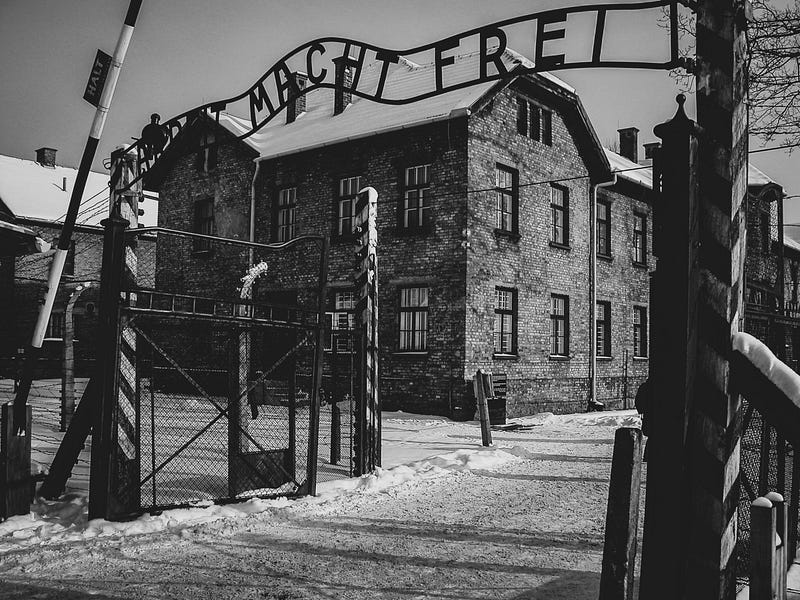
As we entered under the infamous “Arbeit Macht Frei” (work will free you) sign, my sense of dread dialed up to a 100. The thought of those cold, emaciated people being herded underneath those mocking words, never to be free again made my blood run cold.
However, my feelings of sorrow switched to feelings of rage.
We were saddled with a group of six morons, each too brainless to control their own laughter. They walked around with rage-inducing grins plastered across their faces, as they whispered and laughed among themselves. You’d have thought they were at Disney World, not a former death camp.
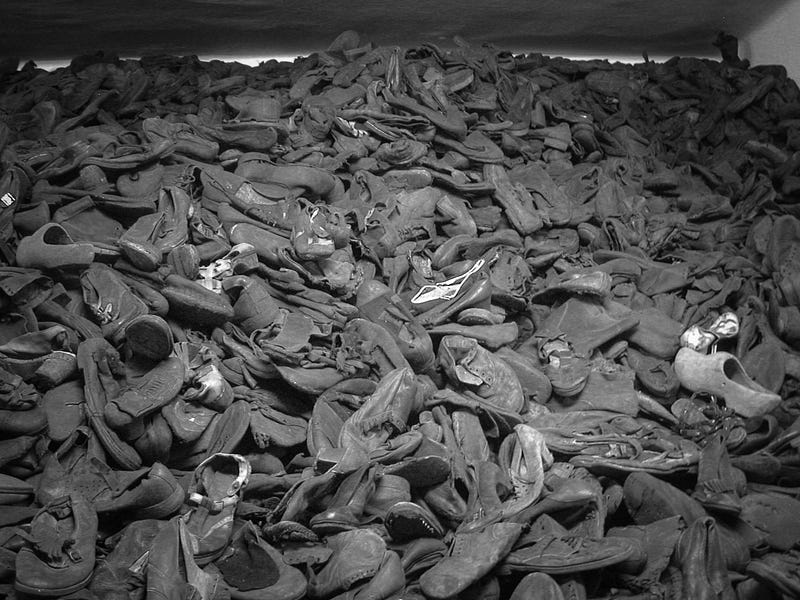
Their insensitive, overly jolly demeanour knew no bounds, as they pranced and joked at every exhibit. This included the massive pile of human hair harvested from the imprisoned Jews, communists and various other groups the Nazis viewed as undesirable.
You’d think they’d at least show some sensitivity inside the gas chambers, right?… Wrong! They instead pulled out their phones and took selfies instead. Only stopping when they sensed a drop in the atmosphere.
A Case Study of an Arsehole Tourist: The Shoes on the Danube
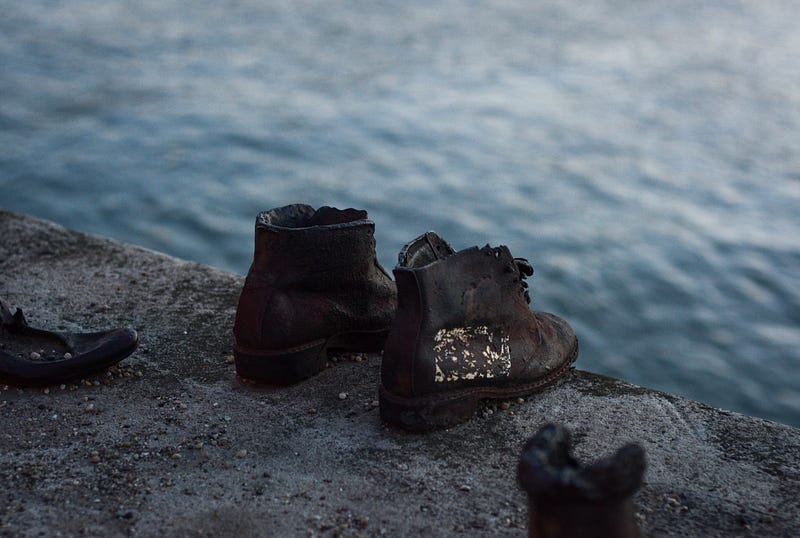
During our most recent trip away to Budapest, Hungary. We were taking a walk along the Danube River towards the beautiful Parliament Building. We happened upon a very moving art piece in honour of the Jews who were massacred by the fascist Hungarian militia, the Arrow Cross Party.
The shoes represent the last place these people had planted their feet, before being shot into the Danube. The water was stained red with the blood of those who once called Budapest home.
The art piece was swarming with visitors, with roughly half of them taking selfies next to it as if they didn’t know why the shoes were there in the first place.
But there was one selfie-taker that really pissed me off. There she stood, bent at the back in order to accentuate certain body parts, with the mandatory duck face to complete the picture. What an arse.
Maybe I’m too uptight, but taking ‘sexy’ selfies next to the sight of a massacre is a little distasteful in my humble opinion.
Are Tourists Getting Worse?
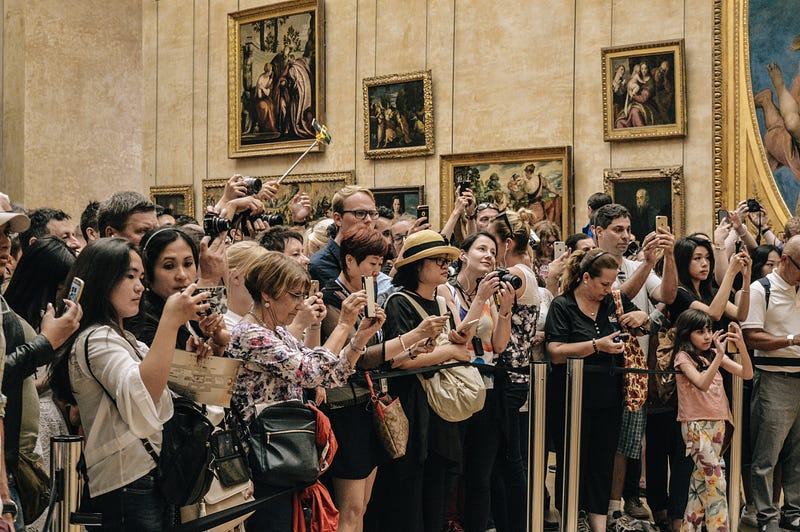
Yes and no. I think travel has become much more accessible, leading to a lot more tourists, both good and bad.
We also live in a social media-obsessed world, where the hunt for a selfie takes priority no matter how insensitive or distasteful. While I don’t mind people taking photos to document their experience, I have a real problem with people using places like Auschwitz-Birkenau as a fun day out and selfie opportunity.
So what are your thoughts? Are tourists getting worse? Thanks for reading!
For some slightly less moany stories on travel, here are a few recent ones:


