avatarAdam Skali

Free AI web copilot to create summaries, insights and extended knowledge, download it at here

6037

Abstract

nt calendar, you can write all the keywords you might want to target for your niche. This way, you can get a cheat sheet where you have all the keywords by volume (how many searches per month), cost per click, paid difficulty, and SEO difficulty.</p><p id="780f">In the case of Medium, it can also help you to think about all the tags you can add. <a href="undefined">Casey Botticello</a> has a few articles on the different terms that editors curate for, so you can find the topics that relate to your niche and add them to your content calendar.</p><p id="0022">This way, you don’t have to search for them each time and you can track how you perform for each one of them.</p><h2 id="b171">High-level view</h2><p id="7275">A content calendar forces you to sit down and decide which goals you want to achieve. It can serve as an ‘’excuse’’ to face your situation, assess where you are and where you want to be, and plan the necessary steps to actually get there.</p><p id="51b1">Creating a content calendar can be a great exercise even if you don’t follow it later (that would be a huge shame). With it, you can assess the present and get rid of that haze (sorry for lying, it never goes away) we face whenever we want to do something. It helps get you more practical and craft the steps to achieve what you need to achieve.</p><p id="45bc"><b>So which kind of questions can you ask yourself?</b></p><h1 id="1392">How Far Are You From Where You Want to Be?</h1><figure id="a22a"><img src="https://cdn-images-1.readmedium.com/v2/resize:fit:800/0*DsVIjk-u050B3fzh"><figcaption>Photo by <a href="https://unsplash.com/@aleksandraboguslawska?utm_source=unsplash&amp;utm_medium=referral&amp;utm_content=creditCopyText">Aleksandra Boguslawska</a> on <a href="https://unsplash.com/s/photos/mountain-path?utm_source=unsplash&amp;utm_medium=referral&amp;utm_content=creditCopyText">Unsplash</a></figcaption></figure><p id="f625">If, for example, you want to get to a number of reads per month on Medium that’s high enough to sustain you, a good way of getting a grasp on what you need is to find writers who are doing well. See if they wrote any articles on how they’re doing it. <a href="https://readmedium.com/bb18b13c5ef4">Michael Thompson</a> and <a href="https://readmedium.com/b6d641be1066">Tim Denning</a> are great examples if this is your goal.</p><p id="21a3">Understand the numbers they are achieving, the channels they use, and their timeframes. This can help you get a roadmap to know what exactly you need to do in order to reach that stage.</p><p id="7fc0">The number you want to achieve can be anything. It can be the number of followers on Instagram, the number of views on your blog, the number of people subscribed to your email list, etc.</p><p id="13b5">Find what you need and find someone who has done it, and once you have done this, the next step is to see how they did it and learn from the experts.</p><p id="d54d">Once you know the numbers and the techniques they used, create a breakdown of what you need to do each day in order to get to those numbers.</p><h1 id="ec47">Defining Deadlines and Actual Planning</h1><figure id="32e5"><img src="https://cdn-images-1.readmedium.com/v2/resize:fit:800/0*UfCrUKFLyp06BZD2"><figcaption>Photo by <a href="https://unsplash.com/@esteejanssens?utm_source=unsplash&amp;utm_medium=referral&amp;utm_content=creditCopyText">Estée Janssens</a> on <a href="https://unsplash.com/s/photos/planning?utm_source=unsplash&amp;utm_medium=referral&amp;utm_content=creditCopyText">Unsplash</a></figcaption></figure><p id="8dae">Having a calendar can help you<b> </b>create deadlines. When you create deadlines, you can make use of the stress they produce to kick you into high gear<b> </b>and get more work done.</p><p id="a75e">If you stick to the deadlines, then you can be sure that whenever you need it, you’ll have content. So the calendar is really a way to force us to face the excuses we create.</p><p id="5253"><b>This can apply when you work alone or in teams. </b>A calendar can help create accountability for team members. With it, you can use social pressure to make it harder to slack off. Using accountability is a great choice if you’re prone to procrastination.</p><p id="bb73">In the case of writers without a team and solopreneurs, I would recommend sharing the calendar on social media (most likely no one is going to steal your ideas).</p><p id="9903">Or, find a few other writers and create a group where you share your calendar and hold each other accountable.</p><p id="f4a6">Personally, I like the second method more as having people from your craft will help you stay sharper, and they are more likely to check in with you.</p><h1 id="6994">Which Platforms Are You Going to Use?</h1><figure id="c4a7"><img src="https://cdn-images-1.readmedium.com/v2/resize:fit:800/0*jUideSaq2mhspTEp"><figcaption>Photo by <a href="https://unsplash.com/@jakobowens1?utm_source=unsplash&amp;utm_medium=referral&amp;utm_content=creditCopyText">Jakob Owens</a> on <a href="https://unsplash.com/s/photos/social-media?utm_source=unsplash&amp;utm_medium=referral&amp;utm_content=creditCopyText">Unsplash</a></figcaption></figure><p id="7953">What are the social media platforms that you’re going to focus on? This is quite important since depending on this you’ll be “expected’’ to publish a certain amount of posts each day.</p><p id="091f">For example, on Twitter, some people say that you should go for between five and 10 tweets to get enough reach. But it also depends on how much engagement you get based on this reach. Because without engagement there isn’t much point (I think the best form of engagement are comments, so any comments on the topic?).</p><p id="f57b">On the other side of the spectrum, you have LinkedIn where people tell you that you should post between one post a day and a few a week.</p><h2 id="1a54">The second element is the topics you want to discuss on social media</h2><figure id="eb19"><img src="https://cdn-images-1.readmedium.com/v2/resize:fit:800/0*Fhyqn48

Options

TuqaFcfAc"><figcaption>Photo by <a href="https://unsplash.com/@dsmacinnes?utm_source=unsplash&amp;utm_medium=referral&amp;utm_content=creditCopyText">Danielle MacInnes</a> on <a href="https://unsplash.com/s/photos/begin?utm_source=unsplash&amp;utm_medium=referral&amp;utm_content=creditCopyText">Unsplash</a></figcaption></figure><p id="58c2">What kind of message do you want to give and who are the people you want to reach. What are they interested in?</p><p id="ecc5">What are the worries they might have, and what are their problems and challenges? What is the image they have of themselves or the image they want to have?</p><p id="46ab">How can you relate to that image? How can you get them closer to where they want to be? How can you show that you care with your actions?</p><p id="1d89">So long as you know the answer to this (it’s a trick question, there’s never a right or wrong answer), you can find the platform that fits you best.</p><p id="75e4">And remember, <b>don’t expect to be perfect when you start</b>.</p><p id="f8fb">Just adapt as you go. Try a variety of different formats and then choose the ones that<b> </b>work best. But never stop experimenting and always be ready to change. <i>Be water, my friend</i>.</p><p id="ad85">The other elements that we have to take into account when working with different social media channels are the tone and the context.</p><p id="e65a">It isn’t the same to post something on Instagram as it is to post it on Linkedin. On Instagram, it’s better to go with something that speaks more into the fun or surprising — and of course, aesthetically appealing — part of your brand. On LinkedIn, you’re expected to go more with a professional outlook.</p><p id="db35">Although, of course, you can always try new things and find people that will like it, and so experiment if you’d like. In the end, if we all do the same thing, it’s not as fun for the users.</p><h1 id="b831">Quality</h1><figure id="a5e5"><img src="https://cdn-images-1.readmedium.com/v2/resize:fit:800/0*Cey1N0OBGX_nCird"><figcaption>Photo by <a href="https://unsplash.com/@anko_?utm_source=unsplash&amp;utm_medium=referral&amp;utm_content=creditCopyText">Anna Kolosyuk</a> on <a href="https://unsplash.com/s/photos/art?utm_source=unsplash&amp;utm_medium=referral&amp;utm_content=creditCopyText">Unsplash</a></figcaption></figure><p id="e834">An argument that I can’t agree with completely is that nowadays you can’t just post anything on social media. This argument speaks about how we need to plan what we’re going to post and make it so that it’s good curated content.</p><p id="b0b3">We can up the quality of the writing and visuals. But this comes from assuming that we know what’s going to be good. And we really can’t be completely sure about this.</p><p id="caca">It may come with experience, but many times, what we think is great doesn’t do that well and what we weren’t expecting to do that well actually does better. And this happens because, as <a href="https://readmedium.com/c4ec9163657c">Gary Vaynerchuk</a> says, quality is in the eyes of the readers.</p><p id="b4b5">So a content calendar can indeed be used to create great quality posts, especially if you work with a team and you can get feedback. But don’t let the trap of quality stop you from posting when you have to.</p><p id="894d">Gary recommends posting things as they are and going for quantity with a minimum of quality while respecting deadlines. Writing is a process, and with each piece we write, our craft grows and evolves.</p><p id="9689">With each piece, we improve, and so don’t think too much and hit the publish button.</p><h1 id="1ec2">Maintaining a Consistent Message and Voice Across Your Digital Marketing Campaigns</h1><figure id="e837"><img src="https://cdn-images-1.readmedium.com/v2/resize:fit:800/0*bh-JngOdRS8v272b"><figcaption>Photo by <a href="https://unsplash.com/@clarktibbs?utm_source=unsplash&amp;utm_medium=referral&amp;utm_content=creditCopyText">Clark Tibbs</a> on <a href="https://unsplash.com/s/photos/message?utm_source=unsplash&amp;utm_medium=referral&amp;utm_content=creditCopyText">Unsplash</a></figcaption></figure><p id="6cad">With a content calendar, all of your content can be coordinated far more easily.</p><p id="e747">With it, you can get a high-level view not only of the path to come, but also of the path you have walked. With it, you can also track how each of your posts has performed so that you can see which ones work best for you.</p><p id="7174">If you enjoyed this article, please share it with someone who might like it. I leave the friend link below</p><p id="3fed">( <a href="https://readmedium.com/the-number-one-planning-tool-for-new-writers-is-a-content-calendar-611fe0707286">https://readmedium.com/the-number-one-planning-tool-for-new-writers-is-a-content-calendar-611fe0707286</a>)</p><div id="20a2" class="link-block"> <a href="https://readmedium.com/personal-branding-for-writers-a-short-guide-68f779e44da5"> <div> <div> <h2>Personal Branding for Writers: A Short Guide</h2> <div><h3>It all starts and ends in the same place — inside yourself</h3></div> <div><p>medium.com</p></div> </div> <div> <div style="background-image: url(https://miro.readmedium.com/v2/resize:fit:320/0*Pg-HNRg4EFEi_JKw)"></div> </div> </div> </a> </div><div id="7412" class="link-block"> <a href="https://readmedium.com/real-marketing-2d021239f6bc"> <div> <div> <h2>How I Managed to Get 11.6k Views on Twitter in 2 Weeks</h2> <div><h3>undefined</h3></div> <div><p>undefined</p></div> </div> <div> <div style="background-image: url(https://miro.readmedium.com/v2/resize:fit:320/0*q735jENMDa-JxqB5.jpg)"></div> </div> </div> </a> </div></article></body>

The Number One Planning Tool for New Writers Is a Content Calendar

Here’s how they work and how to create your own

Photo by Roman Bozhko on Unsplash

How many weeks have you been postponing the articles you wanted to write? How many ideas do you have stored that you know you’ll never touch? How long do you want to keep this going?

Weeks? Months?

If you struggle with these questions, a content calendar could help you reduce these problems.

The first time I heard of content calendars was a few weeks ago when I was speaking with a mentor from the incubator I’m working at. My mentor told me that it was important to have a content calendar, and he always used one when he was working.

Of course, the first thing that came to my mind was skepticism. I mean, I’d heard of content calendars before, but I didn’t see the point. I know I can write and I can always find topics to write about. What’s more, there are more topics to write about than the time I have.

But still, even with these doubts, I decided to try to understand what a content calendar is.

So follow me on this journey to find a possible answer to our problems. Let’s see what a content calendar is and why it’s important. I’m still not completely convinced, and so let’s see if by the end of this article both of us are convinced about why we need it.

The Content Calendar Starts Before We Create It

As with any other topic that deals with offering something, it all starts with understanding who we’re offering it to.

We have to understand when and what content is best for our readers.

For example: The reason why there are so many articles about goal setting and how to achieve your goals at the start of the year is because that’s when people struggle with it the most.

How to Understand Your Readers

If you have no followers

If this is your situation, then Medium is a great place to start because you have a huge amount of popular writers that also write about your topics.

Follow the writers that are the most popular in your niche and find their most popular articles. Which parts were highlighted? Which parts did people mention the most in the comments? Which questions did you end up with after reading their articles?

These are things that give you an insight into the needs and worries that those interested in the topic have.

Claps system

Another approach that could work here on Medium is based on the claps system.

Through it, you can search and find people interested in your niche. Find a popular article, and once there you just have to go to the claps.

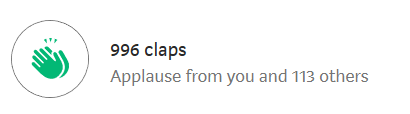
Take a look at the list of people who clapped, and then go through a few of their profiles. Start with only a few and increase the number with time so that you don’t get burned out. Take a look at the kinds of articles they clapped for and if they wrote any articles.
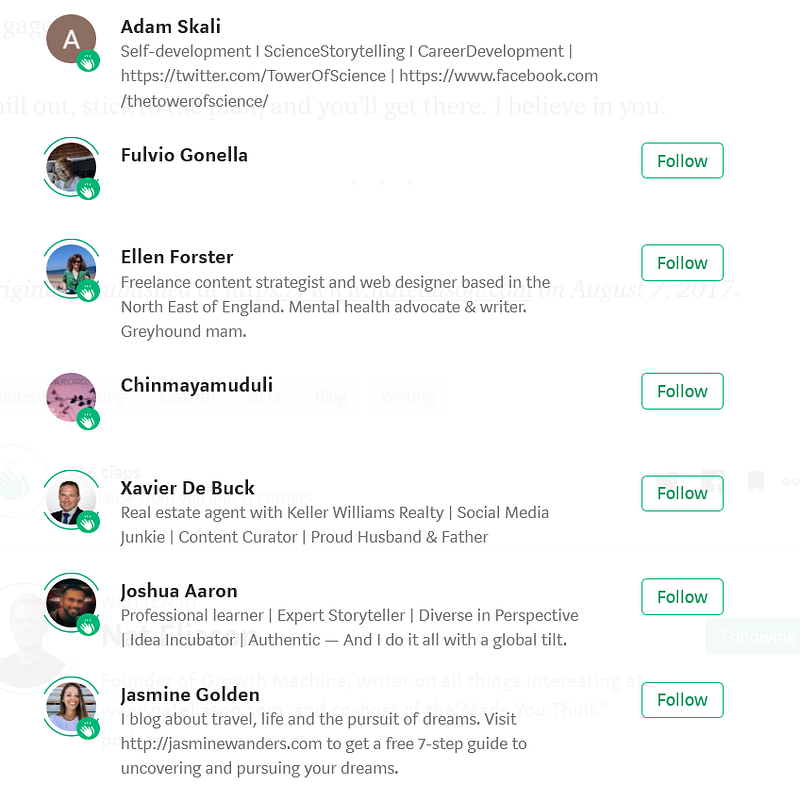
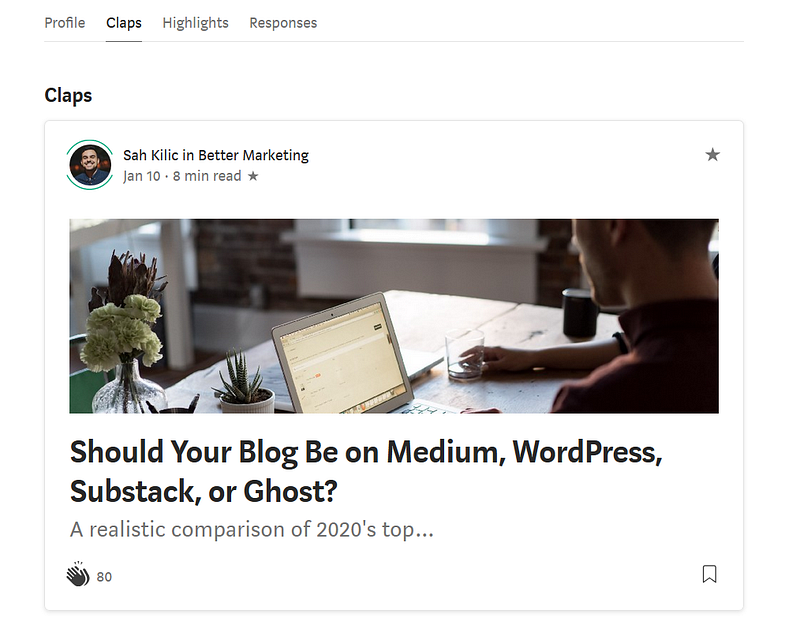
With this, you’ll be able to get an idea of what it is that they enjoy and what problems they could be facing. Through this, you can create your Medium personas, and with those, you’ll have an idea of what they want or need.

If you find articles, then read them and interact, even if only for the sake of being nice. Being nice is always a good thing, and that way, you can even ask the writers about what they’re worried about and what problems they might have.

In the end, the articles we write are a way of providing a solution to a problem and trying to help make things better.

Through this, you should be able to get a better idea of how to tailor your content to different people. And start building your own personal brand.

Now that we know that the content calendar has to be polished even before we start, the next question is: Why is a content calendar the answer?

Benefits of Using a Content Calendar

Using a content calendar can be helpful for a lot of reasons. Some of the main ones:

Optimizing your content

Use Google and search for the most common questions on the topic you want to write about. What are the questions that aren’t being answered or are hard to find? Answer them and make those questions useful for your reader.

For example, nowadays social media marketing is becoming more and more important. So an article on how to grow your brand as a writer while spending zero dollars could be interesting for people who want to be writers.
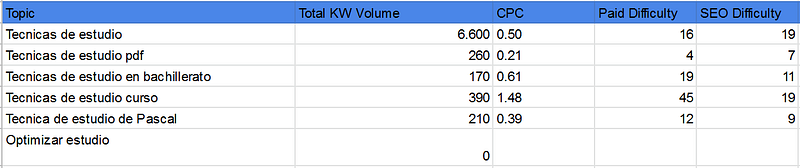
In the content calendar, you can write all the keywords you might want to target for your niche. This way, you can get a cheat sheet where you have all the keywords by volume (how many searches per month), cost per click, paid difficulty, and SEO difficulty.

In the case of Medium, it can also help you to think about all the tags you can add. Casey Botticello has a few articles on the different terms that editors curate for, so you can find the topics that relate to your niche and add them to your content calendar.

This way, you don’t have to search for them each time and you can track how you perform for each one of them.

High-level view

A content calendar forces you to sit down and decide which goals you want to achieve. It can serve as an ‘’excuse’’ to face your situation, assess where you are and where you want to be, and plan the necessary steps to actually get there.

Creating a content calendar can be a great exercise even if you don’t follow it later (that would be a huge shame). With it, you can assess the present and get rid of that haze (sorry for lying, it never goes away) we face whenever we want to do something. It helps get you more practical and craft the steps to achieve what you need to achieve.

So which kind of questions can you ask yourself?

How Far Are You From Where You Want to Be?

Photo by Aleksandra Boguslawska on Unsplash

If, for example, you want to get to a number of reads per month on Medium that’s high enough to sustain you, a good way of getting a grasp on what you need is to find writers who are doing well. See if they wrote any articles on how they’re doing it. Michael Thompson and Tim Denning are great examples if this is your goal.

Understand the numbers they are achieving, the channels they use, and their timeframes. This can help you get a roadmap to know what exactly you need to do in order to reach that stage.

The number you want to achieve can be anything. It can be the number of followers on Instagram, the number of views on your blog, the number of people subscribed to your email list, etc.

Find what you need and find someone who has done it, and once you have done this, the next step is to see how they did it and learn from the experts.

Once you know the numbers and the techniques they used, create a breakdown of what you need to do each day in order to get to those numbers.

Defining Deadlines and Actual Planning
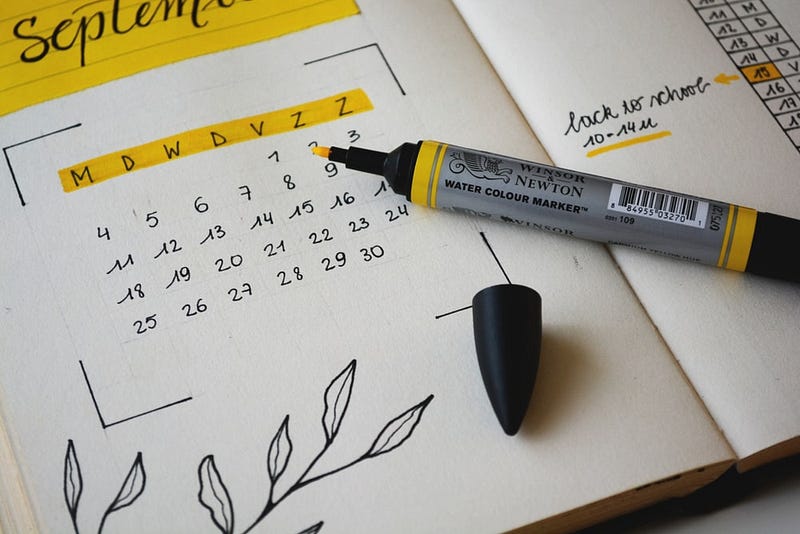
Photo by Estée Janssens on Unsplash

Having a calendar can help you create deadlines. When you create deadlines, you can make use of the stress they produce to kick you into high gear and get more work done.

If you stick to the deadlines, then you can be sure that whenever you need it, you’ll have content. So the calendar is really a way to force us to face the excuses we create.

This can apply when you work alone or in teams. A calendar can help create accountability for team members. With it, you can use social pressure to make it harder to slack off. Using accountability is a great choice if you’re prone to procrastination.

In the case of writers without a team and solopreneurs, I would recommend sharing the calendar on social media (most likely no one is going to steal your ideas).

Or, find a few other writers and create a group where you share your calendar and hold each other accountable.

Personally, I like the second method more as having people from your craft will help you stay sharper, and they are more likely to check in with you.

Which Platforms Are You Going to Use?

Photo by Jakob Owens on Unsplash

What are the social media platforms that you’re going to focus on? This is quite important since depending on this you’ll be “expected’’ to publish a certain amount of posts each day.

For example, on Twitter, some people say that you should go for between five and 10 tweets to get enough reach. But it also depends on how much engagement you get based on this reach. Because without engagement there isn’t much point (I think the best form of engagement are comments, so any comments on the topic?).

On the other side of the spectrum, you have LinkedIn where people tell you that you should post between one post a day and a few a week.

The second element is the topics you want to discuss on social media

Photo by Danielle MacInnes on Unsplash

What kind of message do you want to give and who are the people you want to reach. What are they interested in?

What are the worries they might have, and what are their problems and challenges? What is the image they have of themselves or the image they want to have?

How can you relate to that image? How can you get them closer to where they want to be? How can you show that you care with your actions?

So long as you know the answer to this (it’s a trick question, there’s never a right or wrong answer), you can find the platform that fits you best.

And remember, don’t expect to be perfect when you start.

Just adapt as you go. Try a variety of different formats and then choose the ones that work best. But never stop experimenting and always be ready to change. Be water, my friend.

The other elements that we have to take into account when working with different social media channels are the tone and the context.

It isn’t the same to post something on Instagram as it is to post it on Linkedin. On Instagram, it’s better to go with something that speaks more into the fun or surprising — and of course, aesthetically appealing — part of your brand. On LinkedIn, you’re expected to go more with a professional outlook.

Although, of course, you can always try new things and find people that will like it, and so experiment if you’d like. In the end, if we all do the same thing, it’s not as fun for the users.

Quality

Photo by Anna Kolosyuk on Unsplash

An argument that I can’t agree with completely is that nowadays you can’t just post anything on social media. This argument speaks about how we need to plan what we’re going to post and make it so that it’s good curated content.

We can up the quality of the writing and visuals. But this comes from assuming that we know what’s going to be good. And we really can’t be completely sure about this.

It may come with experience, but many times, what we think is great doesn’t do that well and what we weren’t expecting to do that well actually does better. And this happens because, as Gary Vaynerchuk says, quality is in the eyes of the readers.

So a content calendar can indeed be used to create great quality posts, especially if you work with a team and you can get feedback. But don’t let the trap of quality stop you from posting when you have to.

Gary recommends posting things as they are and going for quantity with a minimum of quality while respecting deadlines. Writing is a process, and with each piece we write, our craft grows and evolves.

With each piece, we improve, and so don’t think too much and hit the publish button.

Maintaining a Consistent Message and Voice Across Your Digital Marketing Campaigns
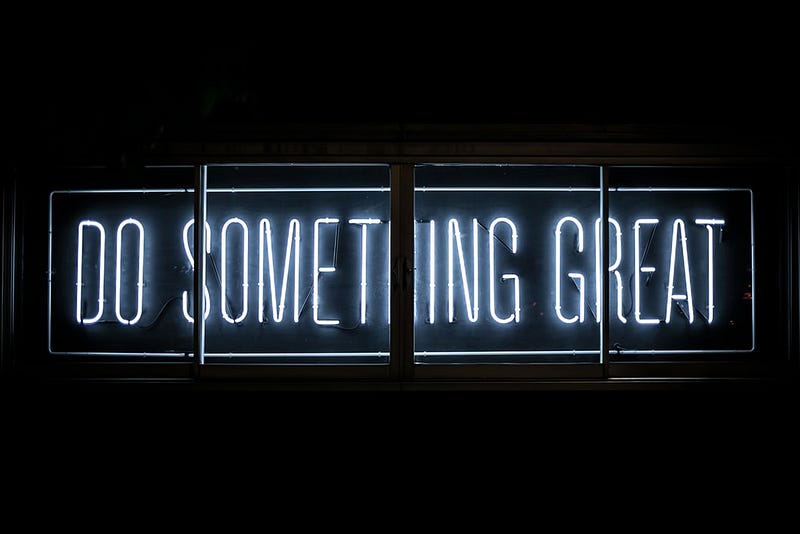
Photo by Clark Tibbs on Unsplash

With a content calendar, all of your content can be coordinated far more easily.

With it, you can get a high-level view not only of the path to come, but also of the path you have walked. With it, you can also track how each of your posts has performed so that you can see which ones work best for you.

If you enjoyed this article, please share it with someone who might like it. I leave the friend link below

( https://readmedium.com/the-number-one-planning-tool-for-new-writers-is-a-content-calendar-611fe0707286)

Social Media
Marketing
Writing
Productivity
Freelancing
Recommended from ReadMedium