
Personal Branding for Writers: A Short Guide
It all starts and ends in the same place — inside yourself
We all have a hazy idea of what a personal brand is supposed to be. But do we, really? Or is it just one of those terms we throw around without really understanding? How can we actually start building our personal brand? How do we become thought leaders?
Since I was unable to answer those questions, I went on a rabbit hole to try to answer them and here is what I learned.
It starts earlier than we think and ends coming back full circle.

Start From Within
The first step is to understand what it is that you want to share.
Which kind of personal brand do you want to create? Why do you want people to know you? What do you want to offer?
I don’t mean only what it is that you know how to do, but rather, what is your objective? What is it that you wish to accomplish, the goal you have?
How can you get closer to it? Which kind of people do you want to reach? Where do your attention and energy go in your free time?
Which kind of information are you always researching? Which are the things you consider won’t help you in creating your brand?
Once you have a clearer goal by answering these questions, the next step is to find your niche, and brainstorming can help you with it.

Brainstorm Ideas
Find some friends who are interested in the topics you want to get into and sit with them for some time.
Get some paper and write the first ideas that pop up and the questions that come with it. Let each one write at their leisure; the goal is getting as many ideas as possible.
Once they have written their solutions, take turns writing ideas that supplement the first ones, adding something to the original. By the end, you should get something more attractive.
With this technique, you will be able to find branches to the core of your personal brand. As you start building on another person’s idea, it gets easier because you already have a foothold. It will also help you get an idea of what image your friends associate with you
This could help you in finding your voice by listening to people who know different facets of your life.
If you can’t find an opportunity to get all your friends together, you can try to schedule a Skype call.

Grow
Once you start finding your voice — what it is that you want to share — the next step is to take action.
What are the sites where people in your community are? Where do they go whenever they want to speak on the topics they care about?
Find the media where they express themselves, and start interacting with them there. Find them and find the niche you want to contribute to.
Focus on a certain niche, because it is hard to distinguish your content from others. There are many people trying to create their own brands.
But by focusing on a specific niche, we can be more useful. We can answer questions that others aren’t, and by doing this we can contribute more to our community.
But don’t choose a niche because it’s empty. Find something that motivates you. Find something that you enjoy doing. Because the process is a long one. A really really long one — it’s only by showing up consistently every day that you can get closer to your goals.
You don’t have to be as hardcore as Gary Vaynerchuk, who produces around 100 pieces of content a day. But that doesn’t mean that you shouldn’t try to create as much quality content as possible.
Strive for a balance between quality and quantity. Because while we need a minimum amount of quality, in the end, the ones who decide if it is good or not are the eyes that see it and not us.

Understand Your Community
Now that you know where your community is growing and communicating, find ways to interact with them and understand them better.
Choose a platform or two and dive deep into them. In my case, I chose Quora and Medium for this month.
Quora
In the case of Quora, find all the questions that relate to the topics you want to write about. Try to see what people answer, and which are the topics within that question that resonate with them.
Find the ways in which they want to read and access that information. For example, in Quora, if you use images you have a higher chance of getting more views; and the same goes for using bold text in the important parts.
Our most important asset nowadays is time, and people don’t want to read everything to get the concept. So make it as easy as possible by highlighting the parts that give the most value or that show the idea you want to explain in that paragraph.
By using this approach, I was able to get around 27k views in one month on Quora, and 29 followers starting from 0 in January.
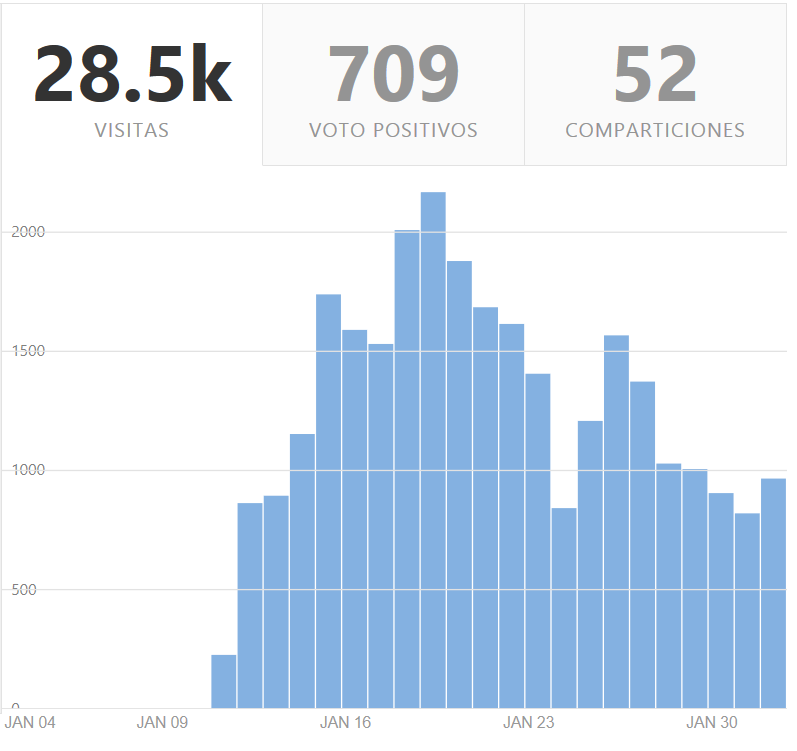
Luck is, of course, a part of it, but if you don’t start, there’s no way you can get anywhere.
Medium
How to understand your readers
Medium is a great place to start because you have a huge amount of popular writers that also write about your topics.
Follow the writers that are the most popular in your niche and find their most popular articles. Which parts were highlighted? Which parts did people mention the most in the comments? Which questions did you end up with after reading their articles?
These are things that give you an insight into the needs and worries that those interested in the topic have.
Claps system
Another approach that could work here on Medium is based on the claps system.
Through it, you can search and find people interested in your niche. Find a popular article, and once there, you just have to go to the claps.
Take a look at the list of people who clapped, and then go through a few of their profiles. Start with only a few and increase the number with time so that you don’t get burned out. Take a look at the kinds of articles they clapped for, and if they wrote any articles.
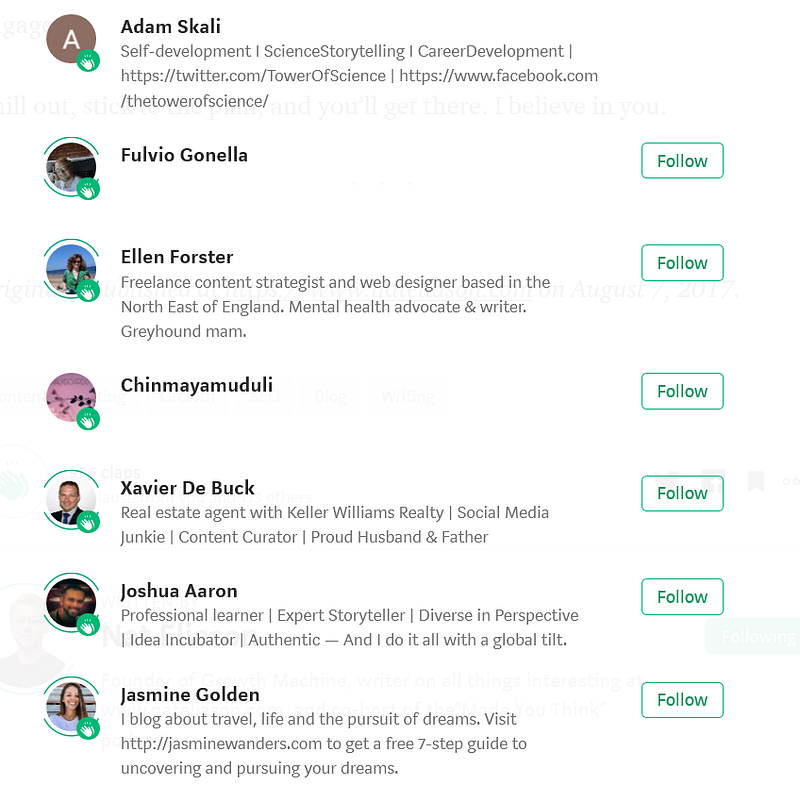

With this, you’ll be able to get an idea of what it is that they enjoy and what problems they could be facing. Through this, you can create your Medium personas, and with those, you’ll have an idea of what they want or need.
If you find articles, read them and interact, even if only for the sake of being nice. Being nice is always a good thing, and that way, you can even ask the writers about what they’re worried about and what problems they might have.
Luck is, of course, a part of the results you get, but if you don’t start, there is no way you can get anywhere. Find the things that work and keep building on them.

Define Deadlines and Actual Planning
Use what you learn to decide on the topics you will write about in the future. Decide which topics you want to expand and their priority; a content calendar can help you with this. Assess where you are and where you want to be, and plan the necessary steps to actually get there.
With it, you can assess the present and get rid of that haze (sorry for lying, it never goes away) we face whenever we want to do something. It helps get you more practical and craft the steps to achieve what you need to achieve.
Create deadlines. When you create deadlines, you can make use of the stress they produce to kick you into high gear and get more work done.
If you stick to them, then you can be sure that whenever you need it, you’ll have content. So the calendar is really a way to force us to face the excuses we create.
This can apply when you work alone or in teams. A calendar can help create accountability for team members. With it, you can use social pressure to make it harder to slack off. Using accountability is a great choice if you’re prone to procrastination.
In the case of writers without a team and with solopreneurs, I would recommend sharing the calendar on social media (most likely, no one is going to steal your ideas).
Or, find a few other writers and create a group where you share your calendar and hold each other accountable.
Personally, I like the second method more as having people from your craft will help you stay sharper, and they are more likely to check in with you.
With the calendar, you will have a guideline to know what you have to do and when you should do it. This will help keep you grounded and moving forward towards your goal, but always be ready to change it depending on your goals.

Redefine Your Brand
Your personal brand isn’t static.
There is no reason why it has to be, since it is yours, and as a human (I’m omitting Google bot from my considerations), you will change.
There is no way we can remain static, especially if there is an objective we want to reach. So be ready to incorporate everything you learn to make your brand stronger.
Use what you learned from your community to refine your voice. Find the voice that resonates with them and with yourself. Find the ways in which your goals, and the goals of people who follow, you can take you to your respective goals.
Don’t hesitate to change your goals if they change, but be sure to use everything you learned. Building a personal brand is like building a product.
Always be ready to iterate — and the faster you do it, the better.