
The Most Important Skill Nobody Taught You

From the ping of a new text to the allure of endless streaming entertainment, our devices seem intentionally designed to fragment our attention. While such ubiquitous connectivity has obvious benefits, it comes at a subtler cost — the lost art of solitude.
I don’t mean physical solitude per se, like wandering the woods alone. I mean the ability to sit with oneself, undistracted, and truly connect inward. Silence those screaming internal voices for a spell and just be. Allow the mind to meander where it wishes without judgment.
This skill once considered a hallmark of wisdom, seems quaint or even terrifying to many today. Why sit alone with our thoughts when we could be doing almost anything else? Let’s watch the new season of that show instead! Or scroll social media! Or busy ourselves with work, chores, errands — anything to avoid that spooky silence.
Our aversion is understandable. After all, letting one’s mind wander freely can quickly turn unpleasant. Anxiety, regrets, existential angst — the silence seems to dredge up all we’d rather ignore. Why open that can of worms? Out of sight, out of mind, we tell ourselves.
Besides, sitting quietly sounds excruciatingly boring. With so many dopamine hits a click away, who needs navel-gazing? Solitude is for hermits and eccentrics, not well-adjusted members of society. There are cat videos to watch! No time for such self-indulgent nonsense.
Or so we tell ourselves. Yet in avoidance, we rob ourselves of life’s richest gifts — self-awareness, perspective, and emotional intelligence. Our repulsion toward solitude, however logical it may seem, could be among the greatest blind spots of our age.
The Human Condition
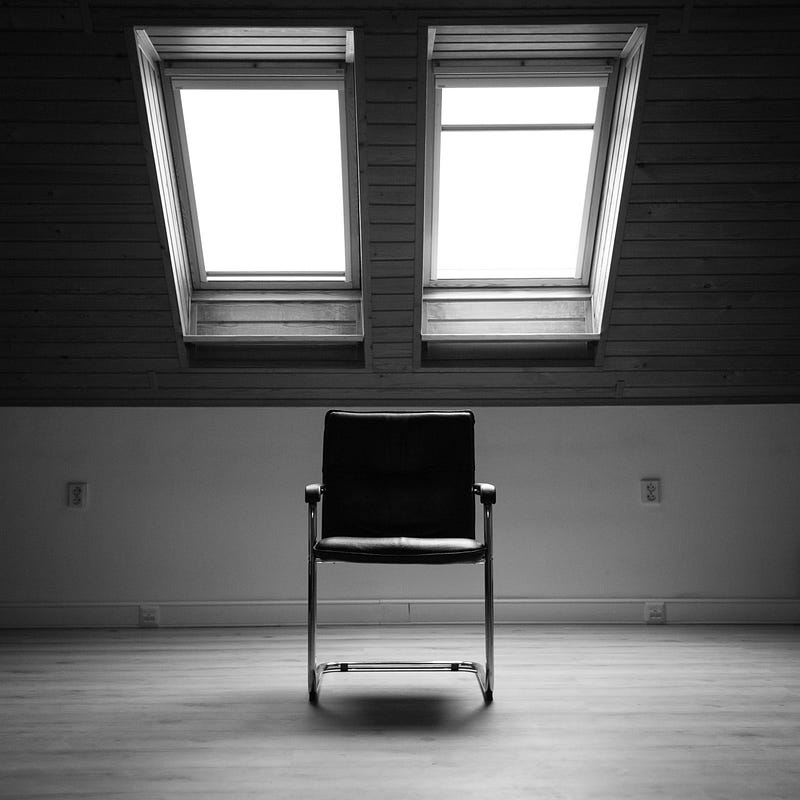
Why is the idea of simply sitting alone so viscerally unappealing?
This tendency appears deeply ingrained in the human condition. We are social creatures at our core, hungry for stimulus and connection. Silence equals death, or so our primal brains assume. With nothing external to react to, our monkey minds quickly grow anxious, desperate for something — anything — to cling to. A text, an email, a video, a person — we crave input like plants crave the sun.
Not that there’s anything wrong with seeking stimulation and relationships. These provide meaning and fulfillment essential to life. There are even studies suggesting too much isolation can be detrimental, especially in elderly populations.
So where lies the balance? How much alone time is healthy versus hazardous?
While science can’t precisely prescribe an ideal, most experts agree some solitude rejuvenates the spirit. Just as we need rest between periods of activity, minds, and emotions benefit from resting as well.
And by rest I don’t just mean vegging out on the couch, lost in distraction. I mean slowing down, putting space around our thoughts, and giving the chatter a break. Meditation provides one possible structure, but even casual mindfulness while sipping tea may suffice.
The Boredom Barrier
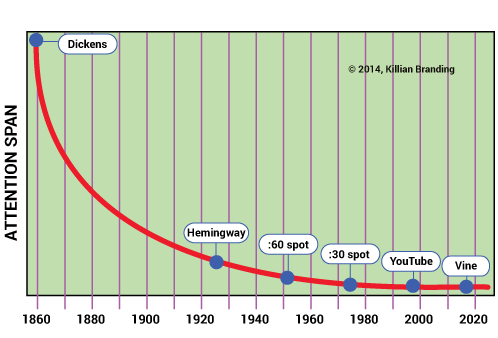
Alas, for many today such stillness sounds excruciating. We’ve lost tolerance for silence of any kind. The moment a pang of boredom arises, quick! Check Facebook! Fire up Netflix! Do anything to avoid that burdensome void!
Why such dread toward simply being? Could boredom be the true nemesis here? Are we avoiding solitude purely because we loathe that directionless feeling? In running from boredom, do we deny ourselves the seeds of creativity and inspiration?
Consider children at play — their unstructured curiosity and rich imaginations. They can turn cardboard boxes into rocket ships, having adventures with boredom as their muse. As we age, we seem to close ourselves off to such open-ended experiences. We seek outside entertainment rather than looking inward for nourishment.
Perhaps such avoidance is inevitable in a world of infinite amusements. Why conjure your fun when so much ready-made stimulation beckons? Can we rekindle that childlike wonder while also honoring the reflective mind adult solitude affords?
The Courage to Be
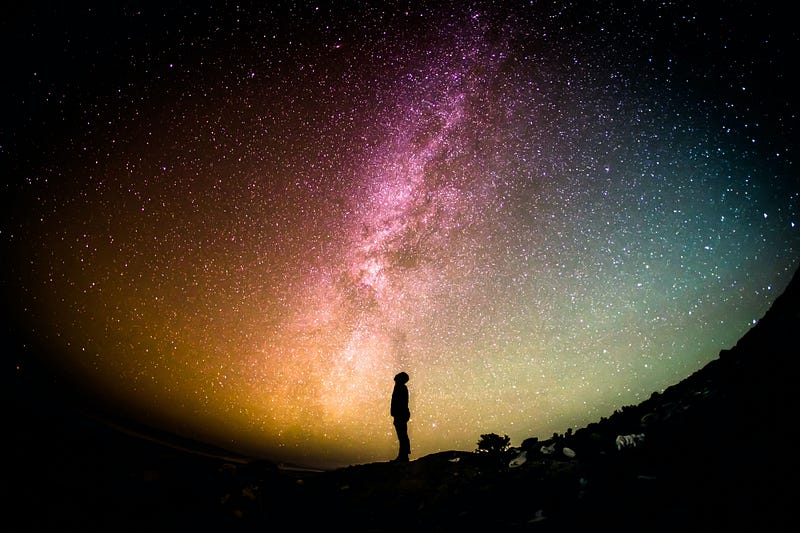
Developing one’s solitary self requires courage — both to withstand the initial discomfort and to confront what such stillness reveals. Creating a habit of aloneness takes practice when so much conditioning pulls us the other way.
Start small, wherever seems most appealing. Maybe it’s ten minutes of listening to music in the garden. Or people watching from a park bench. Dribble a basketball alone and clear your head between shots. Cloud gaze from a hilltop, allowing thoughts to drift of their own accord.
The alone time need not be complicated or rigidly structured. The goal is simply to put space around the endless busyness and give that analytical mind a rest. Resist the urge to instantly distract or numb yourself the moment you feel antsy. Instead, get curious about the sensations.
Notice how thoughts and feelings flit in and out like passing clouds. Don’t grab onto them, just watch them roam by. No need to direct the flow, just witness it. Each moment is fresh if we release expectations and meet them openly.
When we stop trying to orchestrate every minute, truth often arises unforced. Problems once seeming so daunting become manageable. Creative inspirations bubble up. We gain perspective on what matters most when the noise recedes.
The Path Inward
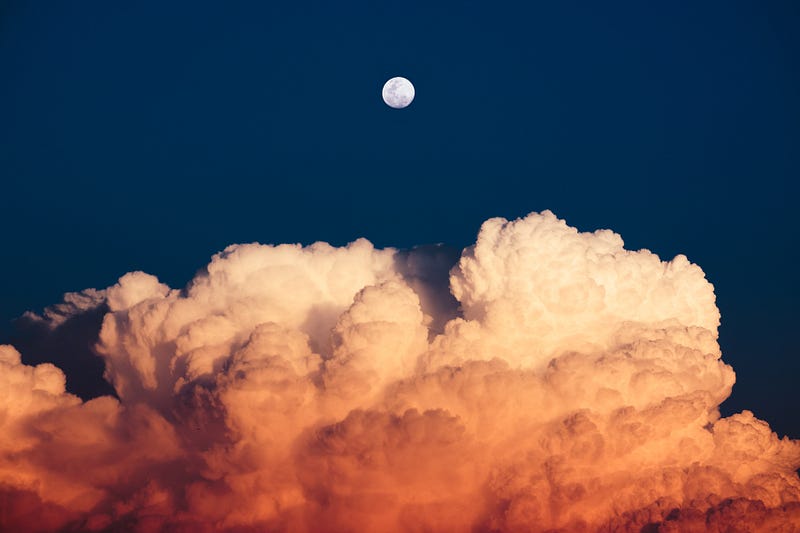
Does spending time alone somehow make us self-centered or too indulgent? Shouldn’t we keep busy with more important matters? I’d argue cultivating a rich inner life benefits not just ourselves but all we interact with. How can we hope to understand others if we barely know ourselves?
Yes, some MBTI-obsessed folks take solitude to an extreme, navel-gazing ad nauseam. But occasional aloneness provides a balance against the outward focus of daily life. Time for self-reflection makes us more conscious, more whole. The path inward expands our capacity for wisdom and compassion.
If everyone set aside even 30 minutes for solitude each day, imagine how society might shift. Without those distractions, what vital truths would we suddenly see? What latent creativity might be awakened? How much more empathy and connection might we feel once we’ve sat alone with the totality of our inner selves?
Could formerly adversarial groups gain mutual understanding once they’ve each looked inward, examined their shadows, and opened their perspectives just a crack? Maybe Utopia is only 30 minutes of solitude away for each of us.
An Age of Disconnection
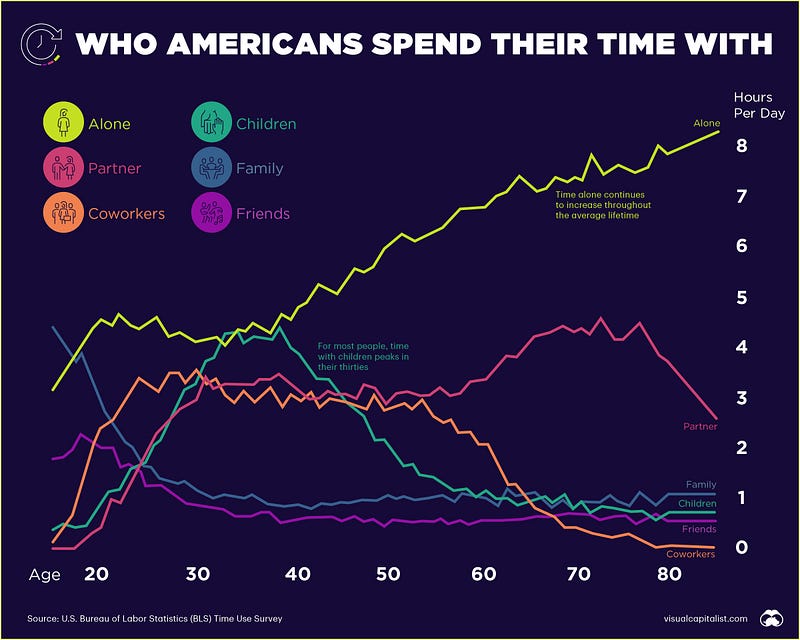
For all the talk of living in an age of hyper-connection, we are in many ways more disconnected than ever — from nature, from community, from meaning, and most critically, from ourselves. The answers we seek reside behind some interface, always tantalizingly out of reach.
So we crave novelty, chasing the next meme, video, game, or person who can provide that dopamine rush. Never pausing to ask — who’s doing the chasing? When do we stop to meet this self-making so many demands? Is it any less fleeting than these distractions it craves?
Perhaps solitude seems so intimidating precisely because it introduces us to this stranger within. Forced to sit with our undisguised selves, weaknesses feel glaring, and insecurities amplified. No wonder we prefer memes and cat videos to that discomforting encounter!
But only in facing our shadows can we integrate them rather than be ruled by their unconscious sway over our lives. If we continually avoid this introduction, we live but half alive, separated from our being.
The Gift of Presence
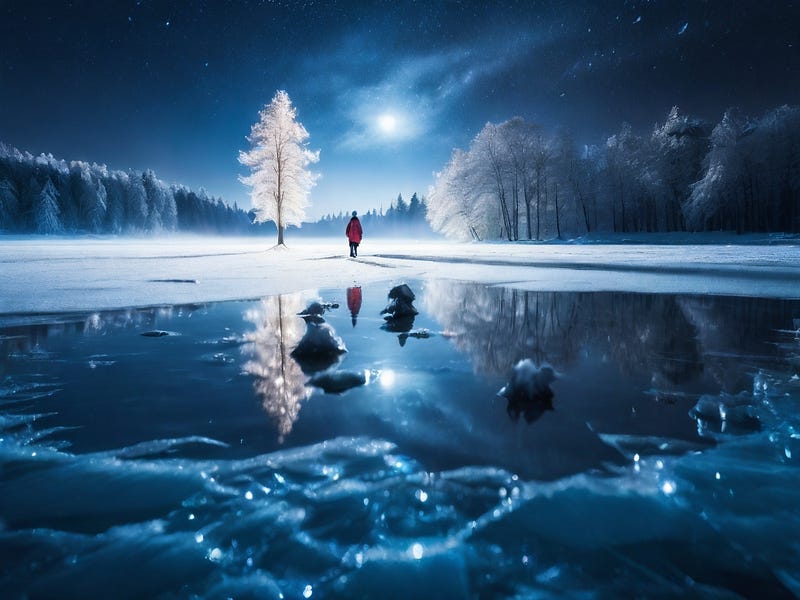
Have you ever sat with someone fully present, giving them your undivided attention?
What you may not realize is the invaluable gift of such presence is self-awareness. Only once you’ve taken that journey inward, facing your demons and coming out the other side, can you sit with such grounded, compassionate attention.
You cannot fake presence. Those who exude calm and listen deeply are those who’ve spent time alone, comfortable in their skin. They’ve learned to stop seeking distraction and to just be — with themselves and with others.
While some mistake the guru seated silently atop a mountain as self-absorbed, the opposite is true. Only by turning one's gaze inward can one then give oneself fully. Separation dissolves as compassion takes root.
Balance in Paradox
So is spending time alone selfish or selfless?
As with most false dichotomies, the truth involves a bit of both. We need solitude to reconnect inwardly, but also require community to grow. Too much time alone can be isolating, and too little stunts self-awareness.
Ideally, we learn to move fluidly between both realms, allowing each experience to nourish the other. In solitude, we empty ourselves and regain perspective. In the company, we ground our insights in lived reality. Alone we contact inspiration, together we manifest it.
If solitude and relationship represent two wings, both must be equally exercised to maintain flight.
What joy is insight if not shared? What use is communion if you’ve nothing authentic to give?
The Courage to Unplug

Reclaiming solitude in this age may require swimming against the cultural current. With the siren song of devices constantly beckoning, shutting off can feel inconvenient, even radical. You may fear missing out on whatever everyone else is tuned into.
But is endless distraction truly connecting us? Or merely keeping us placated and pacified, blind to truths inconvenient for corporate profits and social control? The most radical act today may be refusing to conform to the logic of consumption and fragmentation. Reclaiming agency over our attention itself.
Each small choice to unplug replenishes your deeper reserves.
The more you turn off and tune in to yourself, the less you’ll feel you’re “missing out” on yet another temporal thrill destined to leave you hungry.
You’ll uncover new passions not dependent on chasing external validation.
The beginning is the hardest, but the momentum builds. Each moment you courageously meet yourself opens you more to the next. Before you know it, you’ll have rekindled that natural childhood curiosity. And regained the confidence to think for yourself, no longer so swayed by the whims of mass manipulation.
Questions Unresolved
In closing, I don’t wish to propose mandatory solitude or imply it magically solves all ills. Like any elixir, alone time has optimal dosages and diminishing returns if taken to extremes. Nor is it a panacea. Many societal challenges require collective action.
I suspect what renews our sense of togetherness is making space to reconnect with ourselves.
I hope pondering life’s little paradoxes proved as nourishing for you to read as it was for me to write. In peaceful silence, may we both discover the enriching gifts.
Scrolled this far? You deserve more!
Hit that follow button for juicy content like this delivered straight to your feed.
Plus, Grab my free Substack newsletter for bonus goodies. You won’t regret it! ✨