
The Lust Killer Of Japan
He went from pick-up artist to rapist to serial killer.
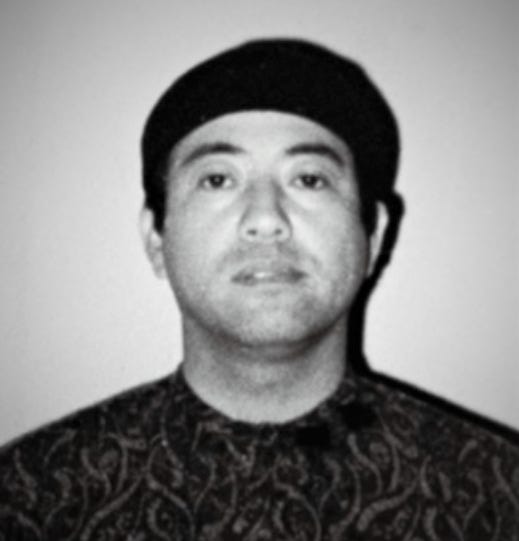
He was well off, charming and knowledgeable in a variety of topics such as art, culture, poetry, history, and literature. But rather than use this knowledge to better his life or to teach others, he used it to pick up young women. He liked young, beautiful and vulnerable women. Not because he loved them but because he wanted something to take his anger and frustration out on.
This is the story of a man named Kiyoshi Okubo, who from a young age always blamed others for his lack of success. Whether it was school, work, or life, Okubo always raged against society, the police, and those in power by preying on the weak and vulnerable.
In his life he would end up assaulting over 150 women, raping a dozen, and killing eight. This serial killer who was violent and enraged often satisfied his anger by hunting young women. He would change his name, lie about his job, and lure women to their deaths. He was also known as the Lust Killer as he had an extreme sexual predatory history from a young age.
What made him attack and rape girls? How did he get away with so many crimes without being stopped? Who were his victims? How was he finally caught and what happened to him?
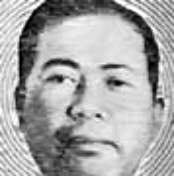
Early struggles of Kiyoshi Okubo
According to Japanese Wikipedia, Kiyoshi Okubo was born in the Gunma Prefecture of Japan on March 17, 1935. Born into a family of 8 children, he was a child of mixed heritage. His father was Japanese, but his mother was half Japanese and half Russian.
Mixed race children were still rare in Japan at this time and it was reported that he was often teased and bullied as a child for having different features from typical Japanese people. Especially after the attack on Pearl Harbor and with World War II, looking “American” was seen as loathsome.
A detailed report on Okubo explains how Okubo’s childhood was filled with both privilege from his parents as well as strife from his behavior at a young age. Although Okubo’s father was an engineer for the Japanese National Railways and was supporting a family with 8 children, he was also known to have mistresses as well as sometimes partake in sexual intercourse in front of his children. Okubo’s father was also known to have raped one of his son’s wives, causing the son to move away.
With a sexualized father, Okubo would often act out in school and was often heard using curse words and talking about things children his age often did not know about. According to an article by Michael Newton, his teachers were concerned about his lack of motivation for learning and bad behavior saying,
“He engages in unseemly acts toward his superiors” and is showing signs of maturity too early for his age.”
Looking at a Japanese report on Okubo’s history, in sixth grade, he took a 4-year-old girl to a wheat field and stuffed stones into her genitals. After the girl’s parents found out and confronted him, he told them it wasn’t him. But the girl confirmed Okubo’s identity and told her parents he told her he was playing doctor and not to tell anyone. Okubo’s parents defended him and refused to apologize saying it was just a game of doctor.
In junior high school, things did not improve. Instead, he seemed to be more disruptive, unstable, erratic, and untrusting of others. His grades were quite poor, he usually wouldn’t participate in school activities, and often refused to study. While in school, his father was laid off and started working as a farmer.
Okubo decided to work with his father at the farm after junior high school but was often seen as lazy and ineffective at his work. His parents decided to send him to a high school part-time but he was kicked out after six months because of his absences and the tuition not being paid.
Giving up on schooling, Okubo decided to work at an electronics shop in Tokyo but was fired when he was caught peeping at naked women at the public bath in the area. He then moved to Yokohama to work at a radio repair shop that his sister’s husband helped him get. But once again he was dismissed because he got caught with a prostitute.
Failing to be able to become self-sufficient, he moved back to his parent’s home at age 19 and got money from his father to start a radio repair business out of their home. The business quickly closed down as customers complained of the inefficiency and poor workmanship.
He was also stealing electric parts for his business from 8 different electric shops and was arrested. However, Okubo’s father reimbursed the damages, and Okubo was never prosecuted.
Okubo’s New Target
Having failed various times at school, work, and business, and being rescued by his father many times, Okubo decided he would get by on an allowance provided by his parents. Instead of working, he decided to pretend to be a university student and pick up girls on the street.
At age 20, in July 1955, he called out to a 17-year-old girl and started a conversation. He was witty, charming, and was able to take the girl to a park bench where he overpowered her and sexually assaulted her. He was arrested for the rape and was given a suspended sentence and three years probation because it was his first offense.
Despite his run-in with the law, he continued to approach women. In December of the same year, he saw another 17-year-old girl and offered to give her a ride on his motorcycle. When she agreed he drove to a forested area and tried to sexually assault her but she was able to get away. He was arrested and this time sent to prison for 3 years and 6 months.
Okubo’s Second Chance
Since Okubo had been a model prisoner and seemed to have been rehabilitated, he was released 6 months early for good behavior. Unfortunately, his good behavior did not last once out of prison.
Just months after being released, in April of 1960, Okubo pretended to be an activist who was protesting anti-war efforts, was able to convince a 20-year-old college student who was also protesting to come to his home. Once in his room, he pinned her down and attempted to rape her but his parents intervened and she escaped. His father paid her off and she agreed to not press charges and the matter was settled out of court.
In 1961, he met a girl named Hiroko (pseudonym) and asked her out. At first, she refused but they began dating. They were never physical and the dates were always at her home. Sometimes her friends were present for their dates. During their year of dating, Okubo had given a fake name, fake history, and told her he was a fourth-year university student.
In 1962 at the age of 27, Okubo married Hiroko and became a father to a son. He also self-published a book of poetry. By 1965, he had had his second child and was running a milk shop with the funds he received from his father.
Things seemed to be going well until a boy who worked as a delivery boy stole two empty bottles of milk. Instead of reporting him to the police, Okubo tried to blackmail the boy and his parents for money.
But they didn’t pay up and instead went to the police. Okubo was arrested and charged with attempted extortion and sent to prison for a year. It is at this time that his wife learned of his past criminal record of rape and sexual assault. Once out of prison, his milk business closed, and his secret past revealed, Okubo decided to go back to his ways of the past.
With the help of his father, Okubo was able to buy a car, nice clothes, and a new disguise. He was now pretending to be a writer. In 1966, aged 31, driving around, he offered to drive a 16-year-old girl home. Once in the car, he drove to an embankment where he parked and sexually assaulted the girl.
Then just months later, he met a 20-year-old girl that he met often and drove her to a riverbank where he also raped her. She knew him so once he let her go she told the police and he was arrested. This time he was sent to prison for 4 years and 6 months.
Okubo’s Reign Of Terror
After serving his sentence, Okubo was released in March of 1971 at the age of 36. Once again because of good behavior he was released early. He was hoping to reconcile with his wife who had filed for divorce while he was in prison but came back to find she had left him. He went to her parent’s home and was told that Okubo’s own brother had convinced Okubo’s wife to break contact and disappear.
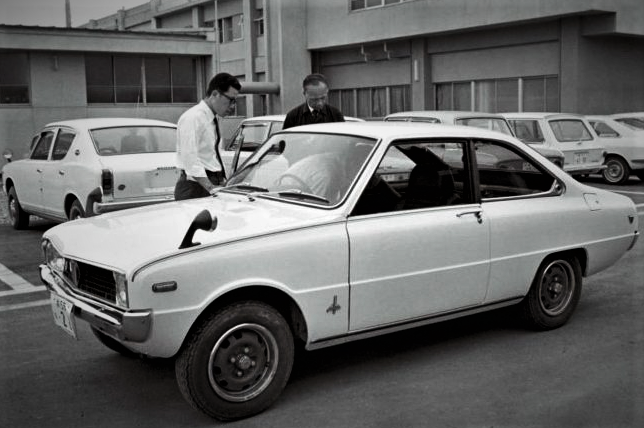
Angered and feeling jilted by his family, Okubo grew irate and resentful. He once again got money from his father and was able to buy a new Mazda car, telling his parents he was going to get into the business of furniture upholstery.
Instead, though, he bought many books, paintbrushes, accessories, and clothes that he would use to convince his victims that he was either a painter, artist, or teacher.
He was once again searching for women to prey on but this time his hatred for his family’s betrayal, the treatment from police and society, as well as his hate for women escalated his crimes from sexual assault to murder.
All the following reports of the murders were all gathered from conversations Okubo had with the police. In total, he said about 35 women rode with him in the car, more than a dozen slept with him, and he killed eight.
March 31, 1971 — Miyako Tsuda
With his car and disguise, Okubo decided to stand outside the train station and ask girls if they would model for his paintings. He would offer them a cut of the sales telling them he was quite a famous and popular painter. Unfortunately, he couldn’t find any targets. But then he ran into Miyako.
He had met and driven her before as Okubo tried to pick up and was successful many times. This time again he offered Miyako a ride and she agreed. According to court reports, Okubo first took Miyako to a local music cafe for drinks and conversations about art and music. He then drove her to a Lakefront area where they shared some soft drinks in the car.
In the car they had sex but afterward, Miyako wanted to see Okubo’s driver's license. She was persistent and Okubo told police he had no choice but to show her his license. She then realized he was lying about his name and most likely everything else so she told him her brother is a prosecutor and he should escort her to the police right away for his deception.
Panicked and angry, Okubo slapped Miyako. She tried to escape but he caught up with her and wrestled her to the ground. He strangled her and buried her in a shallow grave by the lake.
April 6, 1971 — Mieko Ogawa
Okubo met Mieko, a 17-year-old waitress at the beginning of April. They ended up going to a motel afterward. She didn’t give him her real name, told him she was 25, and only gave him her phone number.
He called her and arranged a second meeting. They met around 6 pm and headed to a motel. Afterward, when Okubo asked when he could see her again, she told him she was married and her husband was a cop. Angered by this admission, he drove her to a construction site where he beat her and strangled her to death. He then dumped her body in a hole that had been dug on the construction site.
April 11, 1971 — Ako
Ako was a 19-year-old girl who Okubo was able to pick up on the street. He was able to coerce her into his car and then attacked her. He pinned her down and threatened to kill her. He then took her to a hotel where he sexually assaulted and beat her.
But surprisingly, he didn’t kill her.
April 17, 1971 — Chieko Ida
Chieko Ida was a 19-year-old woman who worked for a government office. She had gone out with Okuba a few times before but had told him a different name and told him she was a 29-year-old teacher.
After eating dinner, they went for a drive in an area called Karuizawa. There, after having sexual relations, Chieko confessed to Okubo that she knew his real name. She knew about his past, his criminal background, about his marriage, and that he wasn’t a teacher like he had told her. She then told him to go back to his wife and take her home.
Once again, Okubo drove to the construction site, assaulted Chieko and as she tried to escape, and strangled her with her own pantyhose. He once again threw Chieko’s body into a hole that had been dug by members of the construction site. He also left behind a poem he wrote. Here is the rough translation from the website serialdispatches,
Alps valley
When rhododendron blooms
Remember
Our words
If you look at the valley
To your Cologne
Kozue’s singing voice, sad Dabi
April 18, 1971 — Seiko Kawabata
Seiko was a 17-year-old high school girl that Okubo had met a few days before. He had seen her near the station and asked her out for a drink. They then went to a hotel and had sexual intercourse. He bought her three pairs of pantyhose and took her home.
He met up with her for a second date to go to a coffee shop. They then went for a drive where they talked about music until Okubo asked about her family. She told Okubo that her father worked at the police station. She then told him that their last encounter had been rape and she could report him.
Angry, he drove near the river and then demanded that she give him her pantyhose presents back if she was going to report him to the police. She tore off the pantyhose and threw it at him. He then hit her in the face. When she tried to escape he grabbed her and strangled her with the pantyhose and buried her in a shallow grave near the river.
April 27, 1971 — Akemi Sato
Okubo first met 16-year-old Akemi at a bus stop on April 11th. He told her he was a junior high school teacher so she should talk to him whenever she was free. He then met her on April 14th, drove her to dinner and then a motel where they had sex. He then gave her 1,000 yen about $10 which would be equivalent to $30 today.
On April 27, Okubo picked up Akemi and drove her to a hotel. Afterward, he gave her another 1000 yen but told her not to buy anything too showy as it may look suspicious and the police may stop him. She then told him that her father was part of the police force.
Okubo drove to the construction site where he had killed and buried the other girls and told Akemi that he was not a teacher. He told her he hated the police and he was a criminal. She then told him she was lying about her father being a police officer but he beat her then strangled her from behind with a towel. And like he had done with the others, he dropped her into a hole that was at the construction site.
May 3, 1971- Kazuyo Kawaho
Kazuyo was 18 years old and worked for NTT, the Japanese telephone company as an operator. Okubo had met her at a coffee shop and hit off talking about culture, music, and literature. They then had gone to a hotel together.
On May 3rd, they met up, had some noodles near the station, and decided to go to a hotel. After leaving the hotel, on the drive home, Kazuyo mentioned that she knew Okubo was lying about the school he worked at and thought he was just fooling around with her. She had also found a picture of Okubo’s other victim Chieko in the car.
Realizing she may be able to link him with the other girl, he drove to his usual construction site, pulled her out of the car, beat her then strangled her with vinyl string before dumping her in a hole at the construction site.
May 9 — Rieko Takemura
Rieko was a 21-year-old office worker who Okuba had approached and had agreed to model for his painting. This was his second time meeting up with her. He took her to a cafe this time and they had a conversation on various topics. Enjoying the date, she agreed to go for a drive with Okubo.
They drove to a farm area where Okubo tried to kiss Rieko. But she refused and slapped him. She then threatened him with the fact that her father was a detective so Okubo grew angry and struck her.
She ran from his car but he caught up with her. She started screaming so Okubo used her underwear and strangled her. He then buried her near a mulberry bush along the farm road.
May 10 — Naoko Takanohashi
Naoko was a 21-year-old woman with who Okubo had gone on several dates prior to May 10th. But on this, her 7th date, it would be her last. While driving, Okubo and Naoko were playfully talking and Naoko asked about Okubo’s criminal history. Okubo parked the car and despite his anger, the two had sex in his car.
After, while driving, Naoko asked about his criminal record again at which point Okubo sped and parked at a vacant lot. Possibly worried that she was in danger, she told Okubo that people had seen her in the car with him. This outraged Okubo even more and he beat her then strangled her with her pantyhose. He then buried her in a shallow grave near the vacant lot.
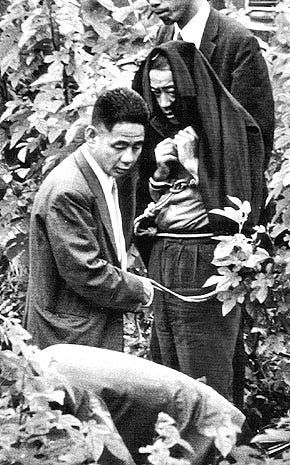
Okubo’s Capture
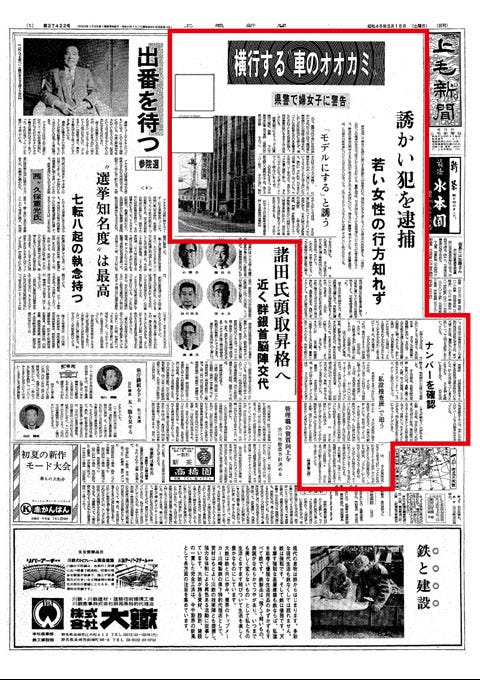
Despite a series of murders taking place within a month in the general area, police were not close to finding Okubo. There had been people who reported to police about a guy in a cream-colored Mazda picking up women but the police had not been able to link the car to anyone.
Finally, on May 10, 1971, the same day that Naoko was killed, the brother of Rieko who had died the day before called the police. He told them she was missing and gave them her description. The police at first thought she must have run away from home. They searched for a couple of hours then gave up.
But Rieko’s brother refused to wait for the police and started his own investigation and found out from Rieko’s friends that she had told them about going to meet a painter who she was going to model for.
Searching the town and the area she was last seen in, her brother found her abandoned bicycle. He watched from afar until a man in a Mazda, drove up to the bike, put on gloves, and wiped down the bike for fingerprints.
Rieko’s brother approached the man but the man quickly mumbled something, got in his car, and drove away. Rieko’s brother got his license plate and called the police. Police searched the plate and found the car belonged to Okubo.
They went to his home but he was not there. They talked to his parents but were given no information about his whereabouts. The police also visited his ex-wife but she also had not seen him for many days.
On May 12th, friends, coworkers, and acquaintances of Rieko and her brother formed a search party and drove around the city looking for the Mazda. They were able to track him down on the 13th and informed the police.
When the police found him, he was with a girl in the car. Murderpedia reported that when seeing the police, he gave the girl some money and said, “You’d better take a taxi home.”
On May 14, 1971Okubo was arrested and detained for the kidnapping of Rieko.
“I’m a cold-blooded animal with no blood or tears.”
-Okubo Kiyoshi
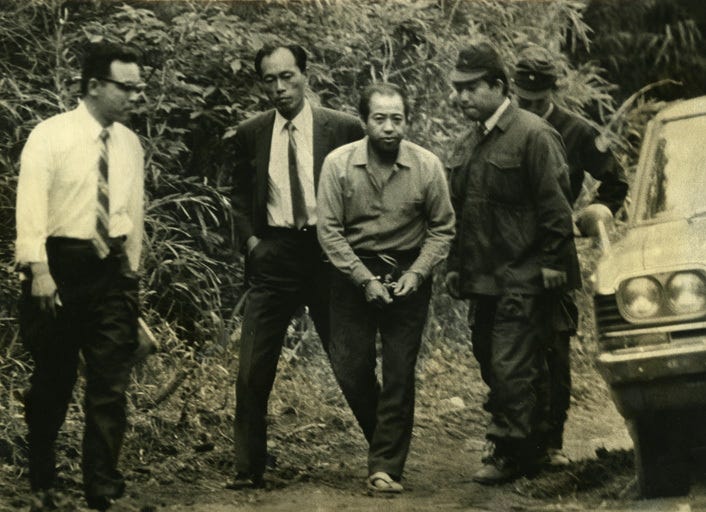
Arrest & Sentencing
In the beginning, Okubo refused to cooperate with the police. It took 80 days of interrogations and interviews with Okubo for him to confess to his murders and draw maps, go on-site visits and give directions to the locations of all the bodies of the women he had killed.
Forensic experts were also able to find over 200 hairs in Okubo’s car and on his clothes. They also collected hair samples from all the missing women’s homes and were able to match the hairs found in Okubo’s car to his victims.
Okubo’s trial began at Maebashi District Court on October 25, 1971, and he pled guilty on all eight counts of abduction, murder, and abandonment of a corpse. He told the court,
“I became the brute that I am because of the police. During their investigation of the previous two cases in which I was involved, they treated me very badly. Their punishment was dealt out in a way that completely destroyed my humanity. It made me rebel against authority.”
The trial ended on February 22, 1973 with Okubo being found guilty and being sentenced to death. He spent three years at the Tokyo Detention Center and tried to appeal his sentence but it was rejected. He was executed on January 22, 1976, just before his 41st birthday.
It seems that there were many factors that made this case so frustrating. Okubo’s family life and especially his parents always protecting him and buying his freedom really felt like they were enabling him to continue down a path of recklessness.
The police seemed to always be a step behind and never really were able to put the pieces together until it was too late. Had the brother of Rieko not stepped up and found Okubo, more women would definitely have died at the hands of Okubo.
The leniency of the courts and Okubo’s short sentences for rape and sexual assault were also shocking. I could understand being lenient for his first offense, but after repeat offenses and an obvious streak of crimes related to rape and sexual assault, there should have been stricter penalties.
Had Okubo’s acquaintances, family, girlfriends, ex-girlfriends, or those who knew him and his deviant methods of picking up girls told someone, maybe he would have gotten caught much sooner.
Unfortunately, Okubo was able to coerce hundreds of young and vulnerable girls into believing he was a rich, successful, and talented member of society. He targeted young women and played on their fantasies of luxurious or glamorous life and instead killed them and dumped them like garbage. The lust killer will always be infamous in Japan as one of the cruelest and deadliest killers of young women.
If you liked this article, here are some more stories of true crime: