
The Hormonal Dance: How PMS Affects My Mental Wellness
In the same boat? The good news is that you can learn to predict it
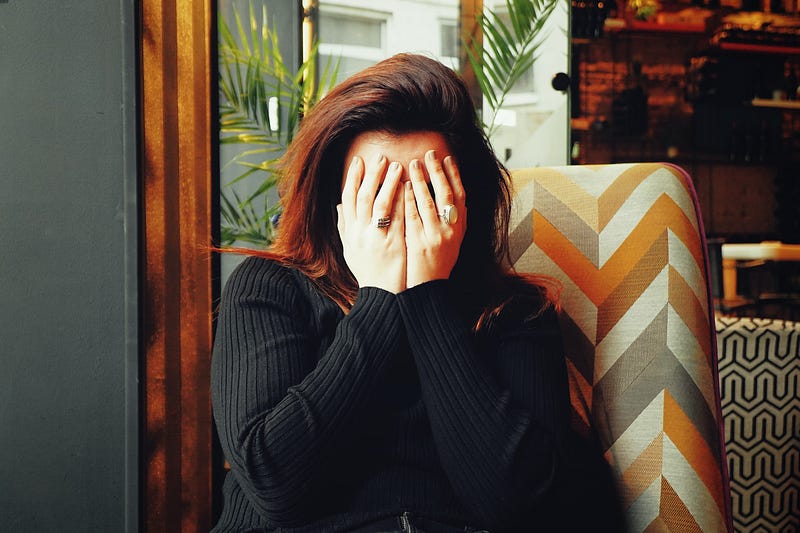
For the best part of eight months, I was either numb or living in a constant, low-level state of anxiety. Nothing felt good or bad, and some days I didn’t feel anything at all. But then I came off the pill and started to feel the full force of emotions associated with the menstrual cycle. I had forgotten what I was like when artificial hormones were out of my system. I had forgotten the sense of rage felt during the lead-up to my period, and the pit of anxiety and depression I would often find myself in a week before.
I couldn’t work out what was better or worse. Being on the pill and feeling numb and detached from life, or being free from it and chained by PMS (premenstural syndrone) like clockwork every month.
The physical side effects of having periods are often given the most attention. A person curled up on a sofa clutching a hot water bottle with a bar of chocolate on the side has become the pinnacle symbol of being someone who menstruates in the wider cultural discourse. However, debilitating anxiety and extreme depression associated with pre-menstrual symptoms or PMDD (premenstrual dysphoric disorder) are barely spoken about.
These symptoms can make it incredibly hard for people to focus, work and maintain an ordinary life and they don’t just occur a week before our periods. For a lot of people, these symptoms also occur during ovulation (the middle of a menstrual cycle) as well as a week before the start of a period. So that’s two weeks out of every four a month that people who menstruate, are susceptible to debilitating anxiety or depression.
And nobody talks about it. Doctors, friends and family often brush it away as ‘just PMS’ or ‘being hormonal’ without the consideration of what it’s truly like to experience it. But we need to give more attention to these experiences so we can learn about them. So here we go. I’m going to tell you about my recent experience with extreme PMS and what those who suffer from it can do about it.
A failed trip to London and a wasted week off work
I should have been happy. I had a week off work with no plans in sight. I was going to write, read and do all the things that made me happy. It was going to be my week of freedom and relaxation and I’d been looking forward to it for months. But pretty soon I realised I wouldn’t have too much to be happy about. It was the week before my period, and my mood was at an all-time low. But it would take me a long time to connect the dots.
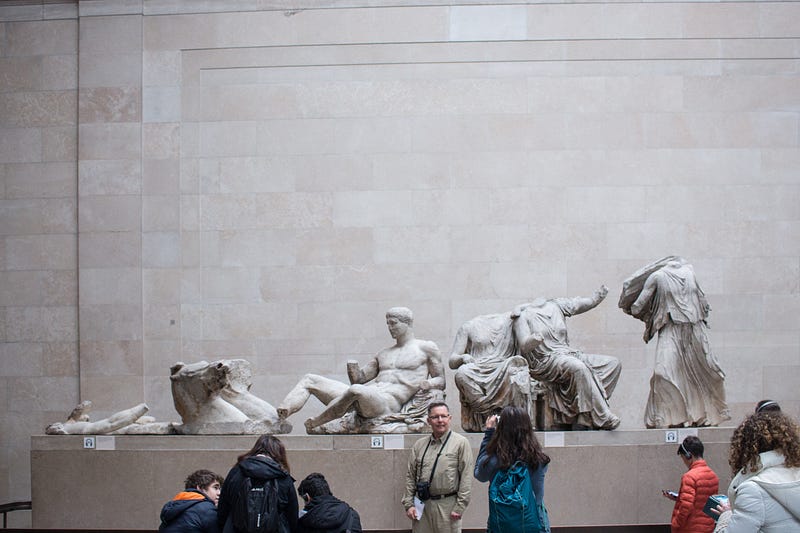
With my newfound freedom, I decided to take myself to London. I was going to wander around the parks and go into the British Museum, and do a little of whatever took my fancy. But as soon as I got on that train, I felt the familiar thrum of anxiety in the pit of my stomach, and I already felt the temptation to go home before I even made it to the city.
Based on my sketchy maths, I knew I was due on my period that day. But a part of my brain had convinced myself because it hadn’t arrived that I was pregnant and I had started to panic. My body wasn’t showing any of the typical physical signs of getting a period (sore boobs, headache, cramps, etc.) and what I did have I convinced myself were early pregnancy symptoms. As someone who is pretty certain they never want children, the idea of being pregnant is enough to scare the sh*t out of me.
Despite arriving in London and being sucked in by all the hustle and bustle of the city, I couldn’t stop thinking about the idea I could be pregnant. Instead of going into the museum or people watching in Russel Square Park, I went in and out of shops, frantically looking for a pregnancy test. I couldn’t find one anywhere. But my mind was all consumed by this anxiety and wanting to know the truth. I couldn’t focus on anything. I forced myself to stop and have a coffee to get my bearings and have a word with myself. It didn’t last for long.
As I walked to the entrance of the British Museum and was faced with queue after queue, I was filled with a type of anxiety bordering on panic. The endless lines, faces, bodies and chaos were overwhelming. On top of this, I knew I wouldn’t be able to focus on anything in the museum regardless of how interesting it was because all I could think about was being pregnant. So I turned around, tears streaming down my face, and went home. Everything felt impossible. Normal, everyday tasks felt like climbing a mountain.
I had spent under an hour in London and hadn’t done anything but hunt the city for pregnancy tests I didn’t even need. I then proceeded to spend the hour train journey home searching on early pregnancy symptoms and further convincing myself I was pregnant. My mind was in a frenzy, latching onto anything and everything that could vaguely link to the physical symptoms I had been experiencing recently.
I got home and continued Googling. I couldn’t stop. I eventually took a negative pregnancy test. I then took another, and another. All were negative but I didn’t believe them. I convinced myself they were faulty, I did the test at the wrong time, or it just wasn’t being detected. I didn’t believe I wasn’t pregnant until the second or third day of my period.
That whole week I was riddled with anxiety, a force so consuming I could barely do anything. I struggled to focus, get out of the house or resemble any kind of normality. It’s only now, with the benefit of hindsight do I recognise this as a mental side effect of PMS, one that is so rarely talked about amongst wider society. I’d suffered with it before, but due to being on the pill for so long, I’d forgotten how it could make me feel and how it could stop the normal rhythms of my life.
Anxiety and PMS, or is it PMDD?
In my head, this type of anxiety is related to PMS as I have never been to see a medical professional or got a formal diagnosis for PMDD. It rears its head in the week before my period and starts to dissipate as it arrives, hence why I’ve concluded that it is related to my hormones, but of course, it could also be PMDD.
Anxiety is sometimes a listed symptom of PMS, or it is linked with the result of hormonal changes occurring which can exacerbate existing mental health conditions. It can affect between 30–80% of people who have periods but is not talked about with the seriousness it deserves.
The extent to which we talk about it in society is usually under the bracket of mood swings, ‘that time of the month’ or brushed off as simply ‘PMSing.’ Although these are tongue-in-cheek terms, we need to remember that anxiety can be a very severe and debilitating symptom of PMS or PMDD for those who get periods.
In many ways, I was thankful to have that week off work, but in many ways, I was annoyed it was wasted by my hormones convincing me of the impossible and distracting me from doing anything else with my time. I physically couldn’t bring myself to step foot in the museum, even though I’ve done so much by myself this year and conquered that particular anxiety I used to have.
As I said, I don’t know if this is PMDD or a ‘normal’ level of anxiety people are expected to feel in the lead-up to their period, but I do know that it felt debilitating and there need to be more conversations had about it.
PMDD is a severe condition that causes symptoms similar to PMS, at present, there’s been no research into why some people get it more than others, but there are indications that those who experience PMDD also experience depression or anxiety.
The symptoms may include:
- Feeling overwhelmed
- An increased depressed mood
- Severe mood swings
- Sensitivity to rejection
- More severe irritability and anger
- Social withdrawal
- Sudden tearfulness or sadness
With this recent particular incident, almost all of those can apply to me, and when I look back over the years, they frequently do too. I’ve never been to a doctor partly because I’m afraid my concerns will just be dismissed at PMS, but also, because I know they’ll try to put me on some kind of medication to regulate these hormones which I don’t want to be on.
Recently, I’ve realised all I can do is accept my emotions around this time can be volatile, and learn to predict when they can happen. With the London incident, because I was almost certain that I should be on my period, it hadn’t even crossed my mind that the extreme anxiety I was feeling was anything related to PMS. But I wish I had been able to connect the dots.
The path to acceptance (through cycle tracking)
That week taught me a lot about myself. It taught me that I become a different person during the lead-up to my period and the anxiety I can feel has the complete power to overwhelm and control my life. I also learnt that during PMS, my mind can convince itself of things that cannot possibly be true. But it also taught me there’s a reason that for at least one week every month, I want to hide from the world and hate everything in it.
The symptoms of PMS and PMDD can be debilitating and should be treated as serious mental health conditions in their own right. Instead of being dismissed often by medical professionals as just ‘PMS’ and something normal that people who have periods just have to go through, it should be given the attention it deserves.
Although I hesitate about going to the doctor because of these reasons, the only way I’m now getting through it is by acceptance and tracking my cycle obsessively. I’m also educating myself on the different stages of the menstrual cycle and how each one can impact my mood through the book Moody: A 21st Century Hormone Guide by Amy Thompson, which I would highly recommend. It makes everything make more sense.
By using the app, Clue, I can now predict when my mood is going to be at an all-time low, or I am more likely to be susceptible to bouts of extreme anxiety. This information is useful because a) I can cut myself some slack and b) it can be an explanation for the severity of emotions I feel.
Now that I’m using this regularly, I can help myself rationalise the emotions I feel during the lead-up to my period. Of course, it doesn’t make them go away, but it can help to process them and become more self-aware.
Tracking helps me know when to expect to feel particularly anxious or socially withdrawn and reassures me that everything I feel in that week is likely to be exuberated because of my oncoming period. I still hate that it happens and that it’s a thing, but having that knowledge gives me a bit more power.
Period health going forward
I believe that anyone who has periods should be entitled to sick leave from their workplace. In February, Spain became the first country in Europe to approve the creation of sick leave for people suffering with their periods.
The new bill enables people to call in sick, “in case of incapacitating menstruation.” Although this is a huge step forward in recognising the severity of periods and how they can impact your ability to work, this particular legislation is only valid for three days and focuses on the physical aspects of a period.
Often, people will experience both mental and physical side effects that will begin anywhere between 1–2 weeks before their period arrives.
Currently, it’s the norm to phone in sick for physical illnesses, but there’s still a stigma to phone in sick if you’re having a particularly bad mental health day. Most of us will cover it up by not wanting to come to work because of anxiety or depression with a stomach bug or cold.
But it shouldn’t have to be like this. People should be able to say to their employer they are not coming to work that day because PMDD is making them feel like they can’t move from the sofa, or that their anxiety is making it hard for them to concentrate on anything.
It shouldn’t be a source of shame or social stigma but the norm. Companies and sectors should make adequate provision for people to have the days off they need so that nobody feels guilty for taking sick leave. And, that nobody is penalised for having too much time off work and it’s used against them in the future.
Nobody should have to defend the sick days they’ve taken off work or lie about why they are having them off in the first place. Once we get comfortable with this, sick leave for PMS or PMDD should be considered the norm.
Every month, my hormones do their little dance. With it, comes one week where I feel on top of the world and like nothing can ever touch me. This is soon followed by a bang average week of emotions which then plummets into the lowest of the low. It all correlates perfectly with the different stages of my menstural cycle.
I know for sure I suffer with PMS, and my already existing anxiety becomes even worse during that allocated week. By tracking my cycle and educating myself on the different stages and what emotions can come with it, I am gradually moving towards a path of acceptance.
Subscribe to never miss a story from me.


