
The End Is Nigh — What To Do In The Face Of Collapse?
Part 6: The Prepper, The Activist, And The Hedonist
Life as we know it is set to change irreversibly. The cause is a multitude of factors that by themselves are solvable, but together they are not. Chief among these challenges is climate change, which acts as an amplifying and synchronizing force.
The consequence is the collapse of modern civilization. It might be slow, it might be fast, but as I discussed in part 5, there’s little hope for avoiding a major reduction in quality of life for most people. What’s certain is that the best years are behind us.
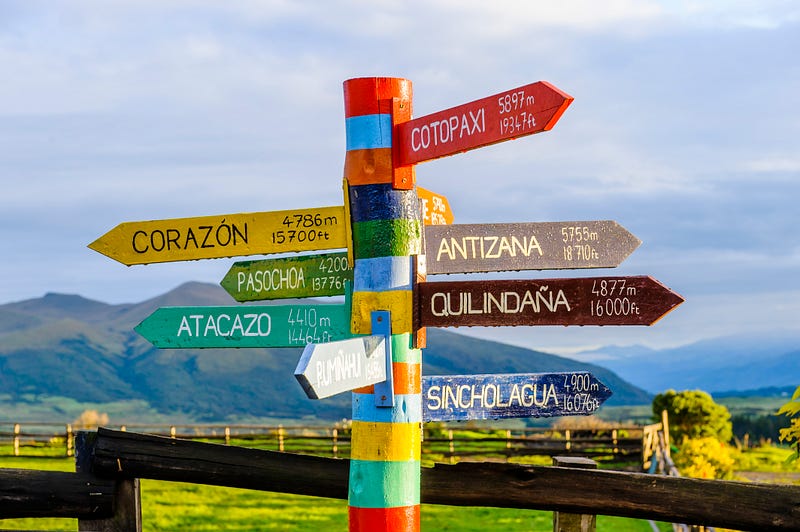
One last question remains to be answered. What is one to do in the face of collapse?
In this series, I explore the collapse of modern civilization. - What is collapse? - Why collapse is inevitable - When will society collapse? - How society will collapse - Can collapse be avoided? - What to do in the face of collapse? [you are here] - Summary - Appendix: Bonus content and links
Collapse now, and avoid the rush John Micheal Greer
Some enter an existential crisis and deep depression once they learn about collapse. However, once the “shock” has worn off, one might want to do something about it. Or rather, not do something about it.
First and foremost, it’s important to understand how collapse will probably affect you and the world.
As discussed in earlier posts of this series, prices will increase all over the board, services and infrastructure will crumble, and some products will disappear completely. Inflation has already reared its head in most countries of the world after we went straight back to “normal” following the pandemic. Supply lines couldn’t keep up, not enough workers, rising gas prices, lower production, and so on.
The current crunch is not a sign of the end coming, but an example of how brittle our global industrial society is. The current disruptions, however, are nothing compared to what is ahead. When climate change destroys more and more crops, when gas and oil get too expensive (or paradoxically too cheap), when certain resources grow scarce, along with decreasing fertility levels in most industrialized countries, we’re looking at a real supply crunch.
Hence the above quote “collapse now, and avoid the rush” (also a book) from John Micheal Greer: make changes now so that changes are not forced upon you along with everyone else. Any adaptation will be a hundred times more difficult when a million people rush the same way.
Take, for example, dependencies. If you need a certain medicine, stock up in case there’s a temporary shortage. If there’s a health issue bugging you, get it looked at now rather than later down the road when healthcare resources are likely limited or gone completely. Got an addiction? Kick it if you can. And so on.
Collapsing now also means to downscale. That mansion will be very expensive to maintain once electricity, paint, tools, wood, and the like, rise in price. And if you don’t know how to cook or preserve food or know which foods have the nutrients you need, time to learn.
In other words, if collapse is a drastic and persistent reduction in societal complexity, then reducing the complexity of your everyday life will make any sudden changes (like the current price increases in natural gas, electricity, gasoline, food, etc.) more manageable.
But increasing prices are only one aspect. There are also various disasters to consider. For example, the Colorado river, of which 40 million depends upon, and how it’s about to dry out. Should you stay in a city or state that needs that water? Or should you live along the coast when there will be higher storm-surges and floods in the future?
The general prediction is that hot places will become hotter, dry areas drier, and wet areas wetter. And what’s uncommon now, like a hundred year storm (once per hundred years), will become common. Whatever your local weather, more and more extreme is the mantra.
On the other hand, perhaps you don’t want to adapt? Or perhaps you want to do something more active?
Here are three broad categories of behavior to choose from.
The Prepper
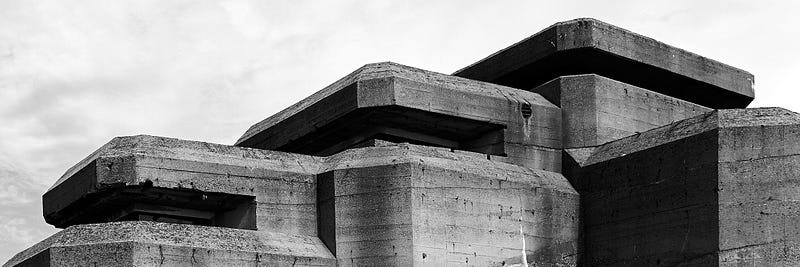
One common response is to prepare. For everything. Hoard hermetically sealed food, water treatment tablets, solar panels, dig a bunker, get a gun (or ten), install an air purification system, and so on. While the rugged individualist response might seem tempting, it’s not a wise way to prep. Stocking up a survival shelter is extremely costly and unlikely to last you more than a year until your stocks run out. Barring a black swan event, like an asteroid impact or nuclear war, a bunker won’t do you much good in the long run. Same goes for scavenging leftovers from society and foraging from nature. However, no matter how well preserved, food and water have a shelf life. And others might strip clean that forest you have scouted out, or it might be a wildfire or other natural disaster.
More fruitful is to find a rural plot of land, in a region projected to be stable in a future ravaged by extreme weather, such as New Zealand, where all the rich are setting up their fail-safes. With deep adaptation techniques based on modern scientific understanding of evaporation, heat dispersion, insulation, and so on, one can in principle build a homestead that is minimally reliant on technological gadgets that will eventually break, yet resistant to most storms. Learn regenerative farming, moisture trapping, food preservation, and so on, and you can expect at least a somewhat stable life, at least if no one comes knocking. The trick, of course, is to figure out where you should move to, and when. However, a long enough drought, or heavy enough a downpour, and even the most well-managed garden won’t produce any food.
But you can’t go at it alone, no matter how resilient and rugged you think you might be. Plenty of people have tried the solo route, and failed. The amount of work is simply staggering. Thus, of major importance is to build a strong community wherever you are or decide to settle. When times are tough, you’ll have a wide skill set to fall back on, and perhaps you won’t miss a harvest because you fell ill for a few weeks.
The prepper mentality seems on the surface very geared towards the apocalypse. But it’s all about being prepared for whatever might happen. We might experience a slow decline, a loss of jobs, a crashing economy, and so on, but that society at large remains. Prepping in these cases requires learning skills that will be relevant for others no matter how tough things become. Skills like farming, medicine, smithing, food preservation, electronics, machinery, and so on. Or, it could include getting rich or important enough to ensure that you are one of those included in whatever gated arks that humanity might create, as seen in countless science fiction stories.
The Activist
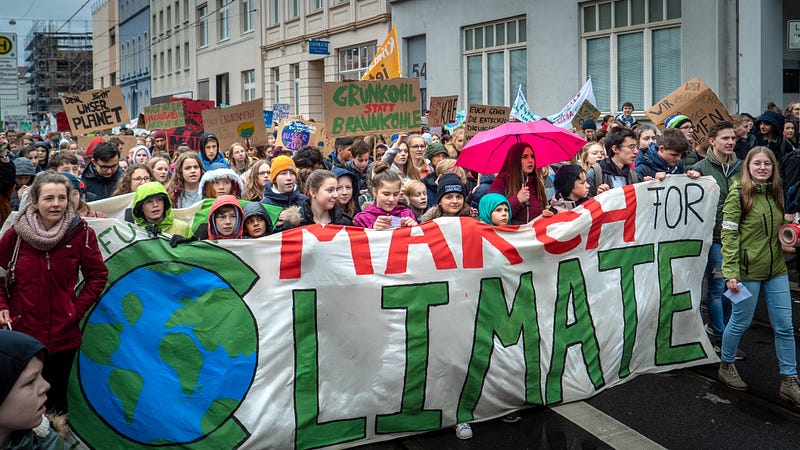
If you, like me (at times), think that there still is hope, that things can be done, then get out there. Join Extinction Rebellion, Greenpeace, Avaaz, or any number of organizations dedicated to heal the planet. Vote for politicians that understand the gravity of our situation. Hell, become a politician yourself. Pick garbage, demonstrate, invest in renewable energy companies, buy land and rewild it, disseminate knowledge, raise the issue at political debates, send a letter to your representative.
The options are endless, and only how much time, energy, and resources you have that dictate how much you can do. Expect a thankless job, but new friends along the way. It’s tempting to resign, but how can one really given what’s at stake? Perhaps you have just the idea that can fix everything?
Among the activists, I’ll count the army. This might seem weird, but when situations deter, there’s always a power vacuum to fill. Local “warlords” or militias or religious sects or other extremists might see their chance to grab a piece of land and implement their notion of utopia. Being combat experienced will for sure be a resource that is valued and we can avoid mass suffering if people help defend against tyranny. If history is any guide, harsh times will produce unrest which can lead to rivers of blood. Well tended regenerative farms will be a tempting target then.
The point to remember is that as the regional power structures weaken, control becomes more important. Normally, if one person decides to quit the system, that’s no problem. The government might even help, or at least ignore it. But when a group does it, the powers that be might respond with force as seen with homeless encampments, occupy movements, and other mutual aid organizations. In a concept termed ‘dual power’, an organized group might set up a state within a state, like how worker cooperatives or unions can gain a lot of power over the elites. As things crumble, being an activist also means setting up social structures that can help people. But it won’t come for free, and will be challenged by other movements or the government.

The Hedonist
If you have no interest in living the simple life or fight against the inevitable, the hedonistic path is for you. Find yourself a penthouse, stock up on all that is good in this world, and watch the decline.
Like with the bunker approach of the prepper, the hedonistic approach isn’t one to last. I deem it unlikely that society will collapse as depicted by Hollywood. But, you might want to simply kick back, prep a bit, and then muddle through for as long as you feel like. Enjoy the moment and all that. While it is a form of resignation, perhaps it all will work out somehow, and all the prepping or fighting would have been for naught.
Or perhaps we’re headed for a hothouse Earth scenario, in which case no amount of prep can stave off the inevitable. Either way, the hedonist doesn’t offer short-term stress for long-term stability.
But if you choose this route, once again, I can only recommend finding a community of like-minded people. The end of the world is, after all, more enjoyable in good company.
Solarpunk, cottagecore, and cybernoir
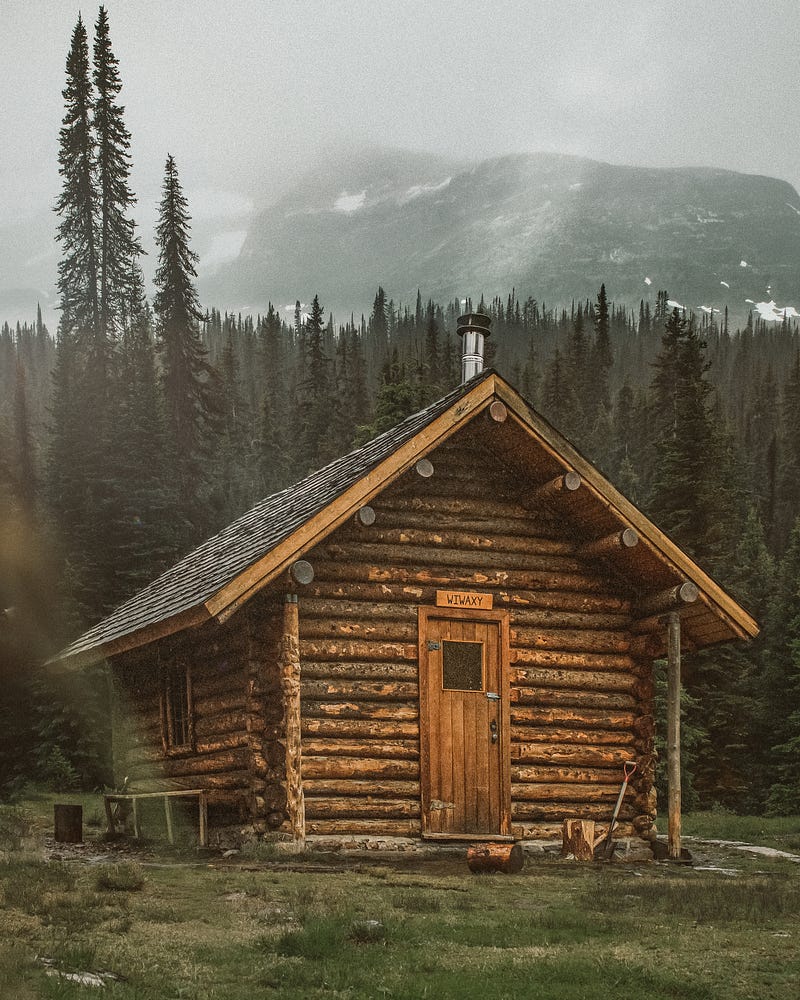
Which of the above paths you want to walk, or variations of, depends largely on the likely future we’re facing. Some believe that the grand crumbling of society will eek out room for idyllic homesteads nestled cozily between forests and rivers, with flowers growing along the cabin walls and deer grazing lazily outside the window.
Others believe we’ll become travelling nomads like so many a people before us, back to a sort of pre-civilization idyllic life in harmony with our brains.
And some believe we can tech our way out of collapse by transforming our cities into solar driven greenhouses with gardens and even forests along the facades of majestic skyscrapers.
All such scenarios reek of idealism and hopium, a view that collapse will somehow be good for us. They forget that now vanquished diseases plagued the continents prior to modern medicine, that climate change will make the weather more crazy, and that a life on the prairie is harsh. On the other end, those who bet on a better future ignore the immense cost a transformation of our global (and local) society will face, if we are to wholeheartedly aim for some sort of utopia.
If society doesn’t buckle completely from the coming stressors, it’s also likely that transnational corporations will become massive behemoths rivaling that of countries today. With private capital buying up what they can, and governmental regulation and oversight shrinking in lockstep, a future of private police, private healthcare, private armies, even privately controlled cities, isn’t that unthinkable. In this kind of cyber-noir future, we’re all slaves to the corporate elite. How to prepare for that?
Summary
When the end is nigh, gather your friends. Then, depending on which endgame looks most likely, position yourself accordingly. Or, if you still have hope, push for change. The alternative is to kick back, open a beer, and watch as society devours itself.
But if you want a shortlist of actionable steps you can take along the prepper route, here are a few points. - Get a bugout bag for emergencies - Learn food preservation techniques - Learn how to purify water - Stock up on a month or two of food - Make a list of places you can go to when your area gets hit by a disaster - Follow the news so you can be ahead of the game - Hoard the medications you need, or better yet, cure what can get cured - Save up money - Learn some essential survival and wilderness skills - Move to a more future proof place, like New Zealand - Beef up your house so that it can better withstand heatwaves, floods, high winds, and so on - Start a regenerative farm - Build a community - Learn how to organize mutual aid, or join an existing organization
If you got this far, I applaud you. This is by no means easy reading (on many levels). I suggest taking a little time-out to consider what you’ve just read. In the next and final post (Summary), I’ll summarize this series, and in the appendix (Bonus content) I’ll provide a list of further resources. In the future, this also where you’ll find additional collapse related stories.
If you have suggestions for future topics to explore a bit more in depth, questions, or want to discuss aspects of what I’ve presented here, feel free to leave a comment.


