
The 'Diet' Tips That Helped Me Stay in Relatively Good Health Despite All the Ups and Downs.
So far, I've found only ONE thing that truly works.
The other tips stem from it.
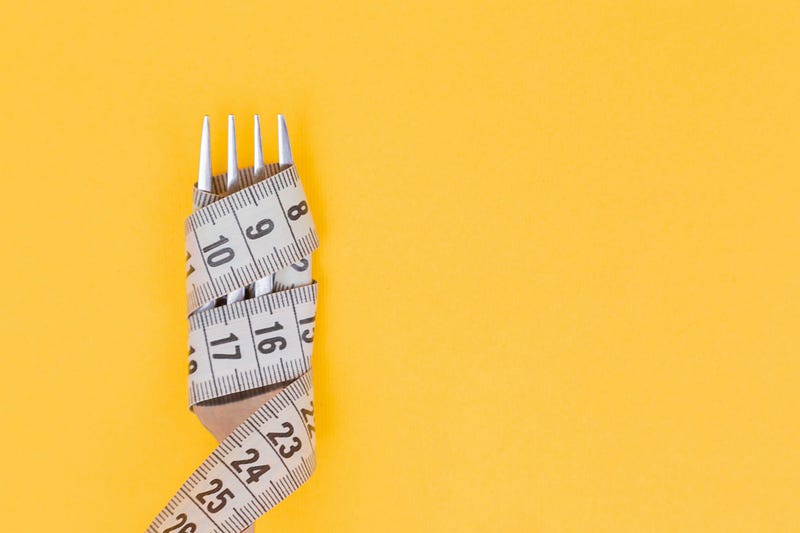
It's no secret that I've had digestion problems, but I'm happy to say they are finally under control!
It took years to get to this point. I'll admit it wasn't terrible most of the time.
I managed my symptoms for years, and now that I'm almost healed, I can say with certainty I was headed in the right direction.
I just needed additional support and guidance from an expert, a.k.a; my holistic doctor.
Without further ado, here is a tip, or tips, that has helped me stay in relatively good health, despite all the different internal and external changes through the years.
Eating mostly whole foods.
There's one thing that the 'eating clean' bro-science community got right.
Eating whole foods or minimally processed foods is best for your health.
How do I know this? This is the first thing my holistic doctor instructed me to do.
I've been eating mostly organic, minimally processed foods for the past two months, and the results are amazing.
My sleep quality has significantly improved, my energy levels are the best they've been in a while, I rarely get digestive upsets, I'm going to the bathroom regularly, my skin looks radiant, etc.
I've also lost about five pounds without changing much of my routine — besides my nutrition.
I follow the 90/10 rule. Whatever is on your plate, make sure that 90% of it comes from (minimally processed) or is whole foods.
For the remaining 10%, you can have whatever you want.
I still ensure that 10% is healthier, for example, having 60% chocolate instead of regular milk chocolate.
This leads to my next point.
If it comes in a bag, make sure you know and understand what's on the ingredients list.
Unfortunately, we can't avoid all processed foods.
That's why it's good to read the ingredient list and ensure that whatever you eat is made of whole foods.
There are plenty of options out there.
This is when food influencers on social media come in super handy.
I follow two accounts — @lilsipper and @realfoodology on Instagram.
These two ladies have made it easy for me to find brands and products I can consume confidently, knowing they will not cause havoc in my digestive system.
I also use an app called Yuka to scan items at the grocery store — it tells me if there are any concerning ingredients or synthetic additives that can cause digestive problems.
There's another app called TrashedPanda. I haven't tried it. I have heard good things about it, so this may be a good option for some of you.
*If any of you currently use this app, let me know what you think.*
And lastly, here's the key to keeping these positive results.
I've lived firsthand the consequences of going 100% into a new nutrition plan or diet, and let me tell you, that's the easiest way to set yourself up to fail.
You want these changes to become part of your lifestyle; otherwise, you won't keep the results you're getting from eating healthier.
Wean yourself out of ultra-processed foods slowly and as much as you can.
Find replacements for the things you love.
Here's a good example. I love Nutella; who doesn't? Those with nut allergies, but that's beside the point.
Although Nutella is delicious, it contains a lot of sugar and other not-so-great ingredients. Fortunately, I found a replacement.
Artisana Organics has a Cashew Cacao Spread that tastes a lot like Nutella.
Making these kinds of swaps and weaning out of the super sugary stuff over time has helped these changes stick.
Don't give up the foods you like overnight. That's not what this is about; it's about finding a healthier and more nutritious alternative.
I still eat cheese, but instead of buying generic well-known brands, I do my homework and find ones from pasture-raised cows.
This is another important point.
You'll need to do homework and educate yourself to find better products.
It's not convenient, but it's worth it.
I haven't felt this much relief from my digestive upsets in years.
I know it's because, finally, I've stopped being stubborn and accepted that my body has changed, and I can't force it to go back to how it was.
I wish I didn't have these digestive sensitivities, but I do. The only way I will make it better is by listening to my holistic doctor and following the nutritional plan she gave me.
The only way I will maintain these results is by continuing to do all the things I just mentioned.
There's no easy, convenient solution. But there is a solution, and that's all that matters.
It's okay to mourn your body changing and not being able to eat the way you used to. But after that, pick yourself up and do what you know needs to be done to improve your health.
Have grace with yourself — the process takes time.
As I mentioned, I've been dealing with digestive upsets for years.
The truth is, I wasn't eating the way I knew I should have.
Now that I'm finally doing it, I'm getting the results I've been looking for.
Don't beat yourself up if you fall off the wagon. Instead, take it as an opportunity to learn why you fell off and come up with a plan so it happens less over time.
Most importantly, don't give up.
I found a solution after six years. SIX YEARS. You will find yours too.
I hope these tips will help you on the journey to becoming the healthiest version of yourself.


