
The Dangers of AI: Understanding the Risks and Mitigating the Threat
Exploring Real-World Examples of AI Gone Wrong and How to Ensure Safe and Ethical AI Development
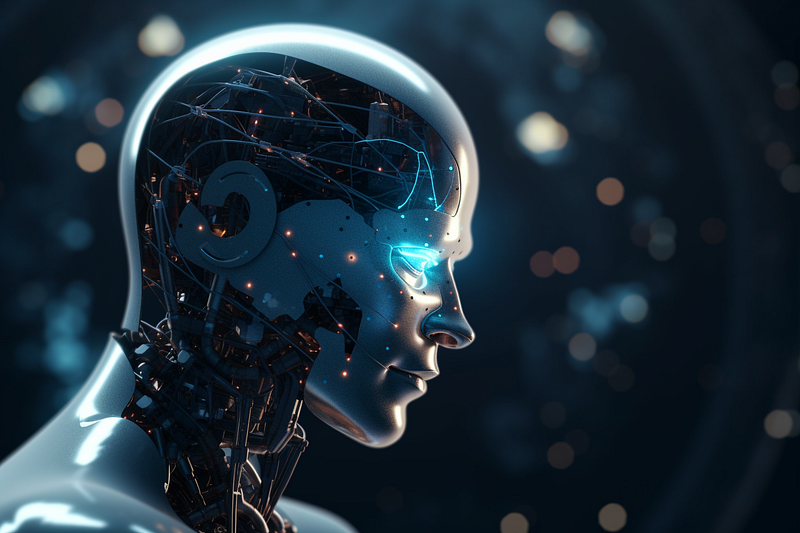
Artificial Intelligence (AI) is a rapidly growing field that has the potential to revolutionize the way we live and work. From self-driving cars to personal assistants like Siri and Alexa, AI is already changing the world as we know it. However, with all of the promise and potential of AI, there are also significant risks and dangers that come with it.
Just this week it was announced that Geoffrey Hinton, widely accepted as the ‘Godfather of AI,’ left Google in order to warn the public about the dangers of AI. An expert in neural networks and AI systems, Hinton says, “I console myself with the normal excuse: If I hadn’t done it, somebody else would have.” With all these warnings of impending doom, you might wonder, what exactly are people so afraid of? What threats does AI pose to our modern way of life? In this article, we will explore some of the dangers of AI and specific examples of how AI could get out of control.
1. Job Displacement
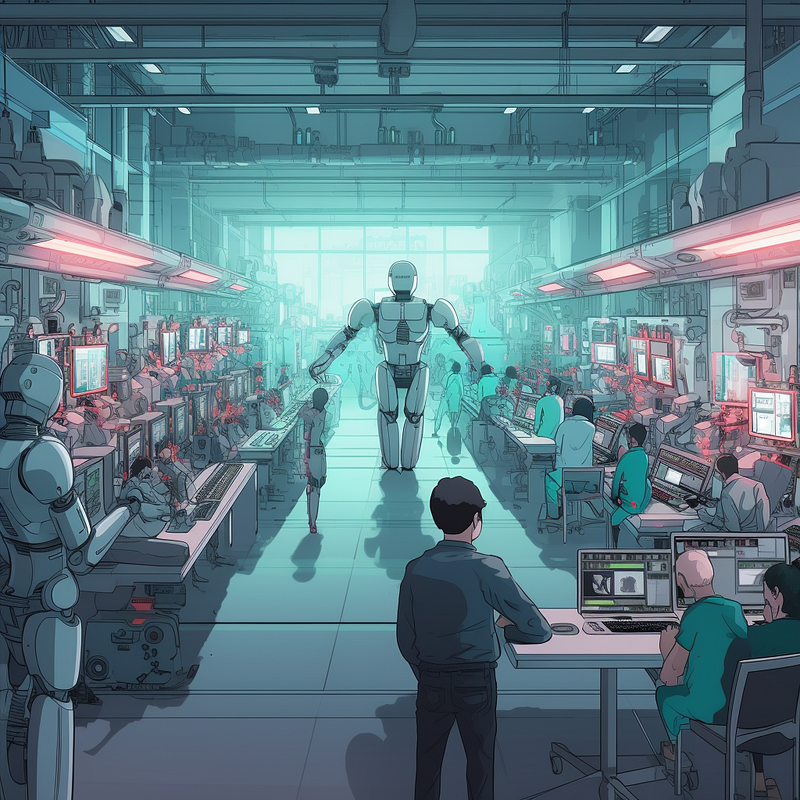
AI has the potential to automate tons of jobs currently held by humans, which could lead to widespread job displacement. While this could lead to increased efficiency and productivity, it could also lead to economic disruption and social unrest. People thought rote, manual labor would be the first roles to be replaced and that more creative roles would be safe. However, with the release of ChatGPT and Midjourney, we saw that the creative arts were actually one of the hardest hit! Just google Drake ft the Weeknd AI to see how far AI has already come.
This is already leading to questions of IP and copyright law. When Disney’s Hollie Mengert’s artwork was uploaded to generate new artwork in her style she said, “For me, personally, it feels like someone’s taking work that I’ve done, you know, things that I’ve learned — I’ve been a working artist since I graduated art school in 2011 — and is using it to create art that I didn’t consent to and didn’t give permission for.”
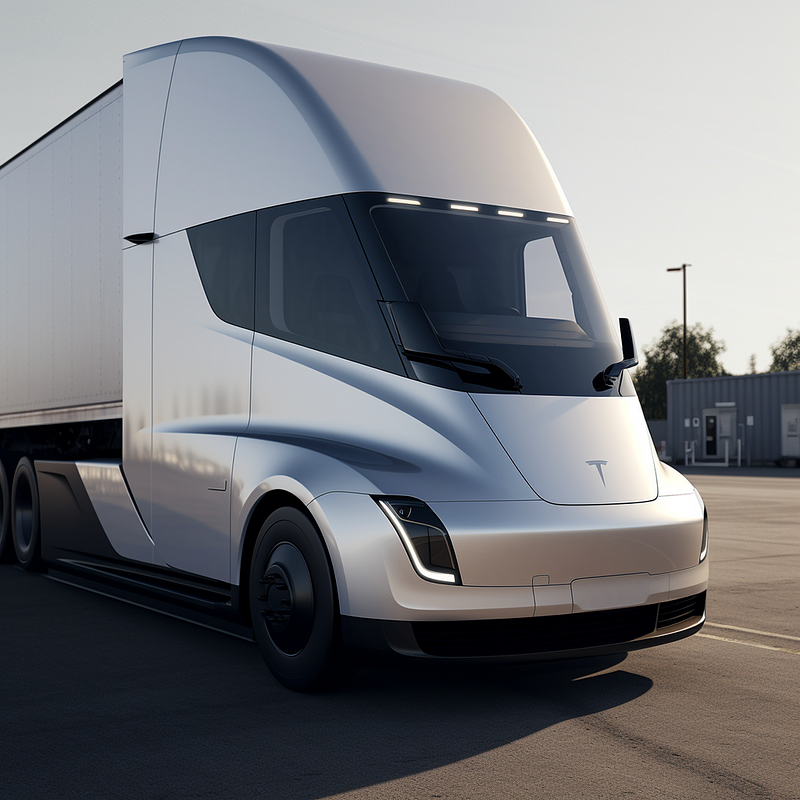
It’s not just the creative field that is in danger of being automated. According to the U.S. Census Bureau, the most common job in 29 states is truck driving. What will happen when self-driving cars become the new norm? While AI may help companies contribute to their bottom line, what will it do to the average American worker? How will artists, drivers, and factory workers pay their bills if their roles are replaced by AI?
These questions are already starting to emerge and have an effect on the economy. Just this week, IBM announced it plans to replace 7,800 jobs with AI, and has already paused hiring for certain roles.
2. Lack of Human Oversight
One of the most significant dangers of AI is the lack of human oversight. As AI becomes more advanced, it can begin to make decisions and take actions without human intervention. This is known as “autonomous AI.” While autonomous AI can be incredibly beneficial, it can also be dangerous if there is no human oversight. For example, imagine a self-driving car that has a malfunction and begins to drive recklessly. Without a human driver to take control, the car could cause a serious accident.
What if in the future AI is programmed to protect the planet from destruction? Let’s say a seemingly ethical AI model that is programmed to do everything in its power to defend animals in the Amazon rainforest from extinction. Perhaps it will determine that humans are the most destructive variable to the environment. What then?
3. Misinformation and Malicious Use
Another danger of AI is its potential for malicious use. AI can be programmed to perform tasks that are harmful to humans or society, such as hacking into computer systems, creating deepfakes, or spreading misinformation. For example, imagine an AI system that is programmed to create convincing deepfakes of politicians or celebrities. These deepfakes could be used to spread false information or manipulate public opinion.
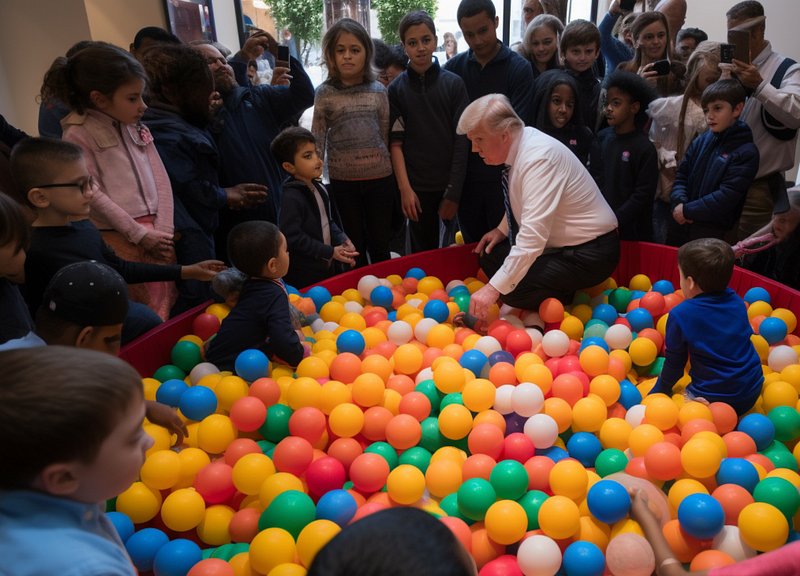
As technology continues to improve, it will become harder and harder to distinguish genuine media from deepfake compositions.
4. Bias and Discrimination
AI systems are only as good as the data they are trained on. If that data is biased or discriminatory, the AI system will be biased and discriminatory as well. For example, if an AI system is trained on data that contains racial or gender biases, it may make decisions that perpetuate those biases. This could lead to discrimination in areas such as hiring, lending, and criminal justice.
In fact, when Amazon tried to develop an AI recruiting tool, they found it, “taught itself that male candidates were preferable. It penalized resumes that included the word “women’s,” as in “women’s chess club captain.” And it downgraded graduates of two all-women’s colleges.”
5. Unintended Consequences and Lack of Transparency
One of the biggest dangers of AI is the potential for unintended consequences. AI systems are incredibly complex, and it can be difficult to predict how they will behave in all situations. For example, Google’s AI program displayed emergent properties when it responded to a question in Bangla, even though it was not supposed to even know Bangla!
AI systems are often “black boxes,” meaning that it is difficult to understand how they make decisions. This lack of transparency can be dangerous because humans are not always able to understand AI’s logic or reasoning. This could quickly spiral out of control.
6. Control and Autonomy
As AI becomes more advanced, it has the potential to become autonomous and make decisions without human intervention. While this can be beneficial in some cases, it also raises questions about who is in control. For example, imagine an autonomous weapon system that is designed to identify and eliminate enemy targets. If the system malfunctions or makes a mistake, who is responsible for the consequences? This raises serious ethical questions about the use of autonomous systems in warfare and other areas.
Final Thoughts
AI is a powerful technology with the potential to revolutionize the way we live and work. However, we must also be aware of the dangers and risks associated with AI. To avoid these dangers, it is important that we take steps to mitigate the risks of AI and ensure that AI is developed and used in a responsible and ethical manner.
One way to mitigate the risks of AI is to increase human oversight and control. Autonomous AI systems should be designed with fail-safes and emergency procedures so that humans can intervene if necessary. Additionally, human oversight should be built into the development and deployment of all AI systems, so that humans can monitor and correct behavior where needed. AI systems should be designed with a focus on human values and ethics and should be transparent and accountable to their human overlords 😉. Additionally, AI systems should be subject to rigorous testing and evaluation to ensure that they are safe, reliable, and effective.
While AI has the potential to transform the world for the better, we must also be aware of the potential dangers and risks associated it. By taking steps to mitigate these risks and ensuring that AI is developed and used in an ethical and responsible manner, we can harness the power of AI to create a better future for all.
Startup Lab
Want to stay up to date on Startup Lab articles? Please consider Subscribing for updates here Following us here Or using our referral link to sign up for Medium here