
The 5 Stages of Burnout
Trying to Overcome Potential Chaos
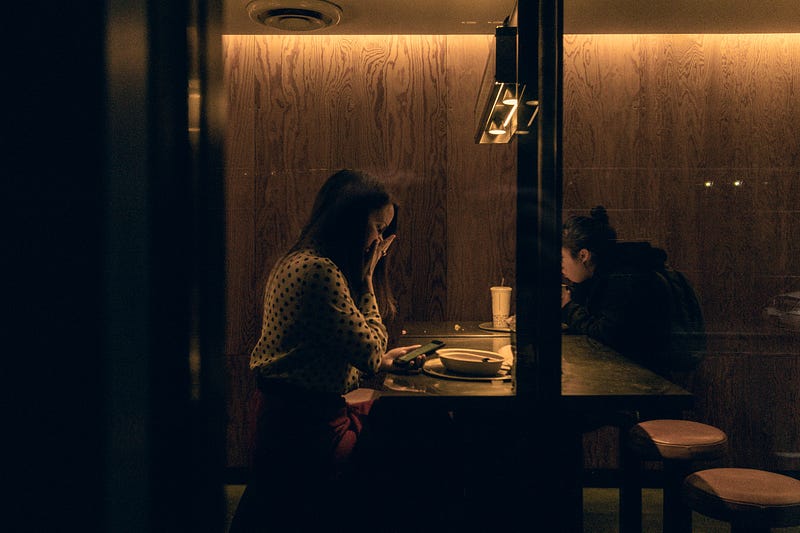
I currently have a fleeting bout of underlying sadness that I don’t usually feel. I’m generally optimistic, and I’m pretty goal-oriented, working my butt off across many commitments and projects while keeping some interpersonal relationships intact.
I’m working towards becoming a therapist, so I have a suspicion that I might be falling into the earliest traces of burnout, particularly of the educational variety.
I’m not particularly surprised — I have worked and studied full-time for a considerable number of years, without taking major breaks. The one year where I wanted to take a break, the year 2020, was the same year where a lot of crazy stuff happened.
As well now, this year has been particularly taxing for many of us, myself included.
From time to time, we find ourselves feeling incredibly fatigued, through no real fault of our own.
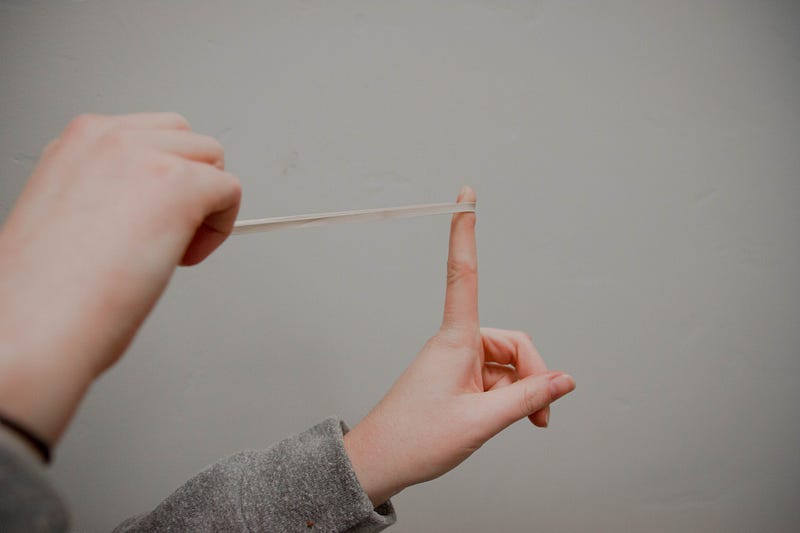
In an ideal landscape, no one would ever feel burnout. The reality is that we are not limitless. We are like elastic bands, who can eventually snap under pressure.
Burnout is not a physical feeling, but also, a state of mind. With it, you might be facing an underlying sense of stress over a long period of time, where one day you, just crack and have little time to recover, if at all.
Burnout can affect just about anyone across any age or demographic, whether it is your lucrative business manager or even that well-intentioned and perfect university student.
Either way, greater awareness of burnout can reduce the severity of those crashes and possibly prevent burnout from arising in the first place.
Let’s examine some critical stages associated with burnout.
1. The Honeymooning High
Just like any other pursuit, you might find yourself riding an initial high. Perhaps you were promoted or hired into a promising career, where you find yourself committed and excited to participate in a noble cause.
Keeping up the momentum can take a toll, especially if you don’t take time to implement a variety of coping strategies and mechanisms. In the future, third-party variables, like an unexpected expense, might throw you off-centre.
2. The Initial Realization
At some point, you might begin to become increasingly aware that some days are harder than others. For example, maybe your optimism peaks during the mornings and almost trails off by the time Wednesday rolls around.
At the camel’s hump, you wish to get off your ride and settle into the sweet embraces of slumber instead. Maybe you’re riding that high during the day, where you crash and burn as soon as you hit home, face-first into the bed.
Either way, the initial awareness of burnout is something to be cautious about, and taking steps to document it might help you realize it ahead of time.

3. The Gradual Loss of Control
As you become increasingly aware of the effect that burnout has had on you, perhaps there is a subtle change in your overall demeanour. Perhaps you feel something is off, something that is in the way of your motivation.
For example, perhaps you’re stressed most of the time, and nothing you do is easing these feelings away. You feel the darkness spiralling, and you’ve developed a bit of a cynical attitude.

4. The Crashing Wave
You’re at a critical junction, where the signs of burnout are increasingly obvious, and you need to pace yourself, right now. Perhaps you’re in denial that anything is wrong.
At this point, you might start seeing physical manifestations of the stress, like chronic pain, and more obvious behavioural changes, like anger, where others respond to you much differently than usual.
You plan, obsess, and debate over the situation, conjuring up escapist fantasies, and wanting to spend more time alone. Others don’t seem to understand — they’ve started to resent you or treat you more differently.

5. Habituation and Acceptance
The final stage is chronic habituation. Burn-out is now such a big part of your life that you’ve learned to co-exist with it. This is usually a bad thing, as reaching this stage would suggest that you’ve lost all sense of control.
It’s no good to feel tired all the time. Just like everyone else, we deserve the respect of being treated kindly, with the opportunity to take breaks just like everyone else.

Burnout Prevention
To prevent or reduce the various stages of burnout, one could:
- Take a serious break, like having the week off
- Pace yourself, like taking casual naps or doing occasional stretches
- Allocate one day of the week where you don’t do as much work
- Re-organize your schedule so that free-time is accounted for
- Set aside the opportunity to train yourself to think in the present
- Unplug from items that are causing you great stress, like your computer
- Change your immediate working space or environment
- Discover new hobbies and coping mechanisms to pad your stresses
While these are not the only strategies that one can fall back on, as Jonathan Lockwood Huie once wisely wrote,
Say NO to the demands of the world. Say YES to the longings of your own heart.
For more articles from the author, please read:


