avatarYuko Tamura

Free AI web copilot to create summaries, insights and extended knowledge, download it at here

5210

Abstract

m/en/spot/10051">Tōkamachi City</a>.</p><figure id="4ae1"><img src="https://cdn-images-1.readmedium.com/v2/resize:fit:800/0*qHNz3rWZM2XyFrSP.jpg"><figcaption>星峠の棚田 (Hoshitouge Terraced Rice Field) from <a href="https://xn--upload-9d4ex463awnr.wikimedia.org/wikipedia/commons/f/fa/Hoshitoge_no_Tanada_%2814287999165%29.jpg">Wikimedia Commons</a>.</figcaption></figure><p id="0019">In the north area of Niigata, Murakami City transports us back to the Heian Era, approximately 1,000 years ago. The castle town of Murakami is known for 鮭, 酒, 人情 (<i>sake, sake, nasake) — </i>salmon, Japanese sake, and compassion.</p><p id="316a">In the Heian Era, people in Murakami sent salmon to Kyoto as a tax payment. Today, you can see hundreds of salmon drying from the rafters and taste one, appreciating the traditional method still used today at one of those factories.</p><figure id="3465"><img src="https://cdn-images-1.readmedium.com/v2/resize:fit:800/1*GbzpxObg1xo8cb-918b9SA.jpeg"><figcaption>Salmons at 千年鮭きっかわ (Sennenzake Kikkawa). Photo by Author.</figcaption></figure><figure id="f9be"><img src="https://cdn-images-1.readmedium.com/v2/resize:fit:800/1*pVMvy2pCdF4BpQwtPWA_Dw.jpeg"><figcaption>千年鮭きっかわ (Sennenzake Kikkawa). Photo by Author.</figcaption></figure><p id="f90f">And of course, you can enjoy skiing in winter. Yuzawa is the most touristy place when it comes to ski mountains, but Niigata has <a href="https://skiski.jp/snowcomi/2017001.html#:~:text=3%E4%BD%8D%EF%BC%9A%E6%96%B0%E6%BD%9F%E7%9C%8C%2048%E3%83%B6%E6%89%80&amp;text=%E6%96%B0%E6%BD%9F%E7%9C%8C%E3%81%AB%E3%82%82%E3%83%AD%E3%83%BC%E3%82%AB%E3%83%AB,%E3%82%B9%E3%82%AD%E3%83%BC%E5%A0%B4%E3%81%AA%E3%81%A9%E3%81%8C%E3%81%82%E3%82%8A%E3%81%BE%E3%81%99%E3%80%82">48 ski resorts</a>, which is the third-largest number in Japan.</p><figure id="f769"><img src="https://cdn-images-1.readmedium.com/v2/resize:fit:800/0*EgkwoqOOquJYJara.jpg"><figcaption>大源太山 (Mt. Daigenta, aka Oriental Matterhorn). Photo from <a href="https://commons.wikimedia.org/wiki/File:%E5%A4%A7%E6%BA%90%E5%A4%AA%E5%B1%B1_(%E6%96%B0%E6%BD%9F%E7%9C%8C).jpg">Wikimedia Commons</a>.</figcaption></figure><figure id="b950"><img src="https://cdn-images-1.readmedium.com/v2/resize:fit:800/1*qKaSUFAni7Bsgkj34ljw9w.jpeg"><figcaption>Tsunan Sunflower Festival. Photo by Author.</figcaption></figure><h1 id="132f">3. Everything You Want to Drink Is Here</h1><p id="3449">There are countless breweries and distilleries of all kinds of alcohol in Niigata—<a href="https://tanoshiiosake.jp/2828">91</a> breweries only for sake, which is the greatest number in Japan! You can even visit wineries here. It earned the name the Niigata Wine Coast due to the area’s sandy, well-drained soils, and new wineries.</p><p id="c287">I cannot emphasize enough the quality of Japanese sake breweries, just as <a href="undefined">DC Palter</a> recommended <a href="https://readmedium.com/why-junmai-sake-isnt-better-sake-7804040815a6">a tour of them</a>. But since I’m not a sake snob like him, I would recommend エチゴビール (Echigo Beer).</p><p id="840a"><a href="https://echigobeer.com/products.php">Echigo Beer</a> is the first microbrewery of Japanese craft beer. The founder has been producing various products, including pilsner, IPA, Koshihikari Echigo Beer, and Raspberry Chocolate Cake Stout! You can find them at local supermarkets in Niigata, and luxury stores like Seijo-Isii in other areas.</p><figure id="1518"><img src="https://cdn-images-1.readmedium.com/v2/resize:fit:800/1*hcDiu4Eddlocz-XT6os7Rg.jpeg"><figcaption></figcaption></figure><figure id="d4c3"><img src="https://cdn-images-1.readmedium.com/v2/resize:fit:800/1*51HVGHGjgYMCRkZwnYjT3w.jpeg"><figcaption>Sake or beer? Photo by Author.</figcaption></figure><h1 id="c5a9">4. Everything You Want to Eat Is Here</h1><p id="b01f">Now what to eat with your beer? If you stay in Nagaoka for fireworks, you have to head next to the Teradomari Fish Market where they sell a bounty of fresh seafood every day.</p><figure id="b72e"><img src="https://cdn-images-1.readmedium.com/v2/resize:fit:800/0*rpiJhHR1hiO07kKV"><figcaption></figcaption></figure><figure id="d584"><img src="https://cdn-images-1.readmedium.com/v2/resize:fit:800/1*OLbICVpsH6Pzo2vebga2lQ.jpeg"><figcaption>Teradomari Fish Market. Photo from <a href="https://commons.wikimedia.org/wiki/File:Teradomari_Fish_Market_Street_2015.jpg">Wikimedia Commons</a> (Left). My father used to cook crabs that he bought from a fishmonger (right).</figcaption></figure><p id="c7ec">Again, my suggestion is the salmon town Murakami because はらこ(<i>harako,</i> salmon roe), which is usually called <i>ikura,</i> is totally different from what you find in Tokyo. It has a much fresher texture, and you can eat it forever with Niigata Koshihikari rice. Also, Murakami Beef is popular with tourists in this city.</p><figure id="07e0"><img src="https://cdn-images-1.readmedium.com/v2/resize:fit:800/1*P8OAx6NauPDo3-kKYP2XVg.jpeg"><figcaption>Salmon and Harako at 割烹 千渡里 (Kappo Chidori) in Murakami. Photo by Author.</figcaption></figure><p id="5571">Other popular dishes in Niigata are へぎそば (<i>hegi-soba</i>, buckwheat noodles made with <i>funori</i> seaweed), タレカツ丼 (<i>tare-katsu-don</i>, deep

Options

-fried pork marinated with sweet soy sauce), イタリアン (<i>itarian</i>, not general Italian food, <i>yakisoba</i> with Bolognese sauce)—and everything is worth trying!</p><figure id="0ae3"><img src="https://cdn-images-1.readmedium.com/v2/resize:fit:800/1*ma4q-hpbHzCakJYi4ELedQ.jpeg"><figcaption>Want to try ‘Italian’? Photo by Author.</figcaption></figure><p id="8895">You might have realized that eating up Niigata takes at least a week. Maybe a month. Or a year. Also, you can’t leave here without eating <a href="https://readmedium.com/travel-across-japan-with-3-enchanting-mochi-51b94a03aa84">笹団子</a> (<i>sasa-dango</i>, rice dumpling flavored with mugwort, which covers sweetened red bean paste inside), and if it’s summer, you should try <i>dango</i> with soft serve at a traditional cafe before marching to the fireworks!</p><figure id="2936"><img src="https://cdn-images-1.readmedium.com/v2/resize:fit:800/1*7DJDTsNHwv1xvL2CrAYmVg.jpeg"><figcaption></figcaption></figure><figure id="c8fc"><img src="https://cdn-images-1.readmedium.com/v2/resize:fit:800/1*8mhTBE3BaMQ_-pLmBdsakw.jpeg"><figcaption>江口だんご本店 (Eguchi Dango honten). Photo by the author.</figcaption></figure><h1 id="e5ab">5. Amazing Craftsmanship</h1><p id="e732">Finally, it’s time to buy souvenirs that upgrade your life and make you feel proud of Niigata. 燕三条 (Tsubame-Sanjō) area is the best place to purchase high-end tableware crafted through artisan traditions that date back to the Edo Period.</p><p id="7a6c">Tsubame’s market share of western-style cutlery in Japan is astonishingly high at <a href="https://www.tsjiba.or.jp/michi/english/store/index.html">90%</a>. Their cutlery has even been used for the Nobel Prize ceremony dinner in Stockholm.</p> <figure id="43c6"> <div> <div> <img class="ratio" src="http://placehold.it/16x9"> <iframe class="" src="https://cdn.embedly.com/widgets/media.html?type=text%2Fhtml&amp;key=a19fcc184b9711e1b4764040d3dc5c07&amp;schema=twitter&amp;url=https%3A//twitter.com/niigatakurashi/status/1235089924979707904&amp;image=https%3A//i.embed.ly/1/image%3Furl%3Dhttps%253A%252F%252Fabs.twimg.com%252Ferrors%252Flogo46x38.png%26key%3Da19fcc184b9711e1b4764040d3dc5c07" allowfullscreen="" frameborder="0" height="281" width="500"> </div> </div> </figure></iframe></div></div></figure><p id="404b">At Tsubame Sanjo Regional Products Center, you can find metalwork from super-expensive <i>bonsai </i>scissors to kitchenware and nail clippers. If you’re lucky, <a href="http://www.tsjiba.or.jp/kankou/rec_name/index.html">the master blacksmith</a> might even engrave your name on a perfectly sharpened knife.</p><div id="4678" class="link-block"> <a href="https://www.tsjiba.or.jp/michi/english/index.html"> <div> <div> <h2>TSUBAMESANJO Regional Products Center</h2> <div><h3>undefined</h3></div> <div><p>undefined</p></div> </div> <div> <div style="background-image: url(https://miro.readmedium.com/v2/resize:fit:320/0*PHTN_3bEnXdfAoaU)"></div> </div> </div> </a> </div><p id="fdbc">There are so many beautiful places to visit in Japan, and I don’t want to compare them. However, it is true that Niigata represents critical aspects of this country. Rice, sake, craftsmanship, and most of all, our resilient mind as the Japanese.</p><p id="a91c">I always have to return because I haven’t seen enough of Niigata, and I’m sure you’ll come back too, to seek whatever you want. Welcome to the club!</p><figure id="5c11"><img src="https://cdn-images-1.readmedium.com/v2/resize:fit:800/1*CVqz_F9EkJ-6a80cN9Nvdw.jpeg"><figcaption>新発田城跡 (Shibata Castle Ruins Park). Photo by Author.</figcaption></figure><p id="cd91"><i>If you enjoyed this article, discover other works of the author at <a href="https://medium.com/japonica-publication">Japonica</a>.</i></p><div id="017c" class="link-block"> <a href="https://readmedium.com/why-japan-is-free-of-gun-violence-and-children-travel-to-school-by-themselves-b857ba7c5ec9"> <div> <div> <h2>Why Japan Is Free of Gun Violence and Children Travel to School by Themselves</h2> <div><h3>Here’s what you can accomplish for children if there are very few firearms</h3></div> <div><p>medium.com</p></div> </div> <div> <div style="background-image: url(https://miro.readmedium.com/v2/resize:fit:320/1*iuLmjolQ5JZGp1zklI4NIg.jpeg)"></div> </div> </div> </a> </div><p id="786e"><a href="https://medium.com/@yutranslates"><i>Follow Yuko</i></a> <i>for more stories about cross-cultural topics, travel, business, parenting, and equality. You can also subscribe from the <a href="https://medium.com/@yutranslates/membership">referral link, </a>which Medium uses a portion from followers for author support without any additional cost. Mediumの購読は、<a href="https://medium.com/@yutranslates/membership">こちらのリンク</a>からどうぞ。</i></p></article></body>

The 5 Reasons Why Traveling to Niigata Changes Your Life

Everything you need to know before stepping into the land of sake, sake, nasake.
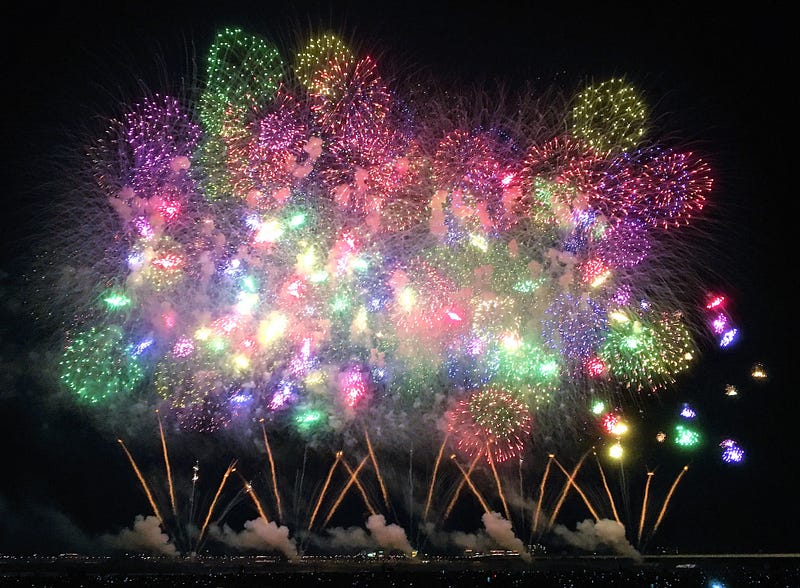
Nagaoka Fireworks Festival. Photo from Wikimedia Commons.

First and foremost, I’m writing this because Niigata is where my soul belongs. When I was little, I skied in Yuzawa and watched the spectacle of fireworks from my grandma’s riverside home in Nagaoka. My father took me everywhere if I asked, and we went fishing together in the Uono River.

I never knew how lucky I was. Even today, I visit Niigata regularly because it calls me and I just have to go, and you’ll know what I mean by the time you finish reading this article.

1. Soulful Fireworks Display in Nagaoka

Nagaoka Fireworks Festival is one of the three biggest fireworks events in Japan. It is held on August 2 and 3 every year, and some people book the following year’s hotel room even before the smoke has cleared because it’s so spectacular.

What makes this pyrotechnic display special is the scale, technical mastery, and history of the fireworks. Don’t compare these fireworks with those in Tokyo—they’re 五寸玉 (gosun-dama, outer diameter 15cm ball) at the largest and only go up 200 meters high and sparkle a lackluster 150 meters wide.

In Niigata, we go three times bigger. To be specific, you can see 三尺玉 (sanjaku-dama, outer diameter 90cm ball) that shoots 600 meters high into the night sky and blooms a 650-meter wide fireball. People will never be satisfied again with the puny fireworks in Tokyo after experiencing this showcase of gunpowder and flame.
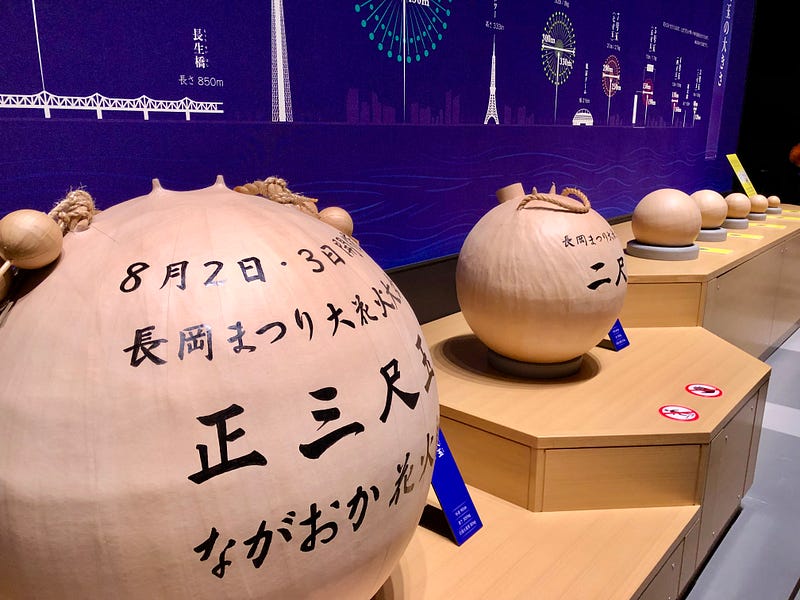
Nagaoka Fireworks Museum. Photo by Author.

The finale hits a crescendo with a display of solidarity, aptly named Phoenix, which is of particular significance to locals. The Phoenix display is dedicated to the memory of the Niigata Prefecture Chuetsu Earthquake in 2004 as a way to wish for a quick recovery and pray for departed souls.

If you see a crowd of people during the heavenly Phoenix light show, you may notice local people shedding tears not only because of the magnificence but also from their losses. Fireworks remind us of the history of Niigata and our wish for peace.

In 2020, Nagaoka Fireworks Museum opened at the 道の駅 (michi no eki, rest stop or roadside station) ながおか花火館 (Nagaoka Hanabikan). Now we can experience this magnificent spectacle at the dome-shaped theater all year round (and you can taste a variety of sake products there!)
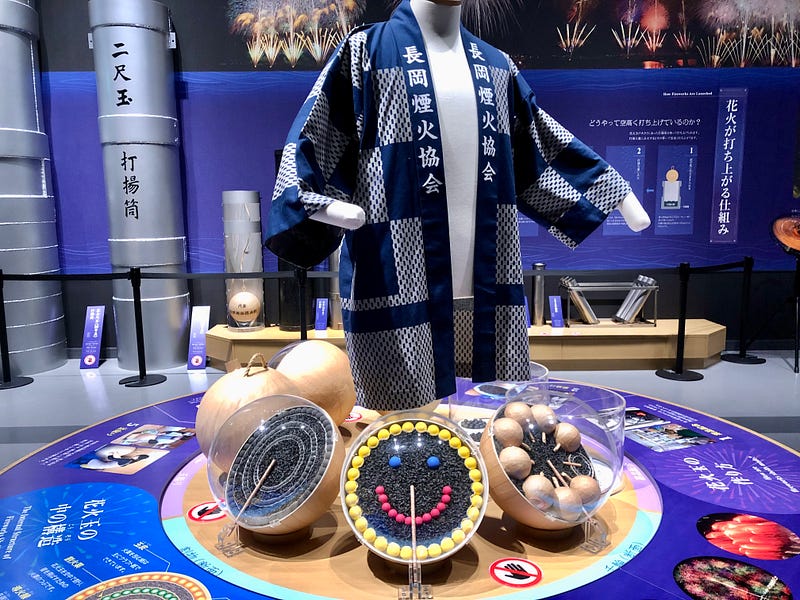
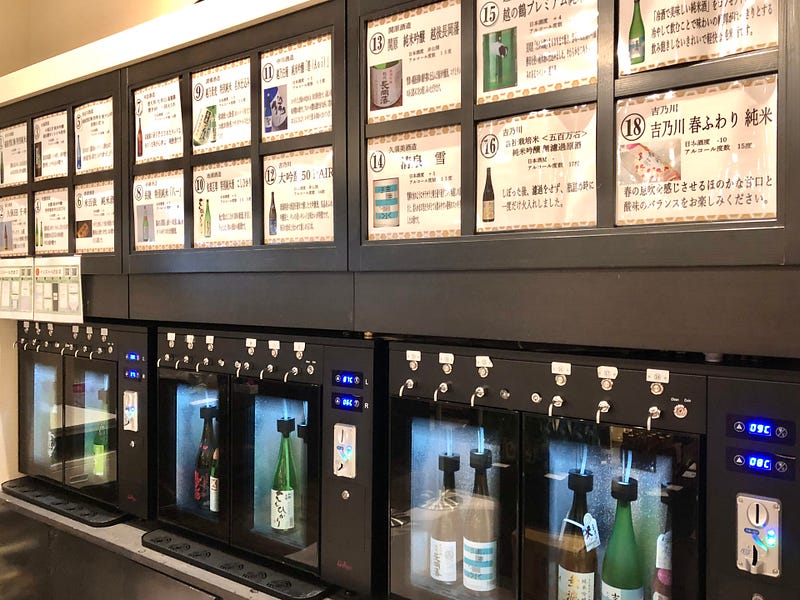
Nagaoka Fireworks Museum. Photo by Author.
Sake tasting is available at Nagaoka Hanabikan. Photo by Author.

2. Breathtaking Landscapes and Cityscapes

Niigata enables us to catch a glimpse of many aspects of Japanese culture. For instance, if you want to go off the grid, the water of terraced rice fields glistens like a mirror in the early spring and late fall in Tōkamachi City.
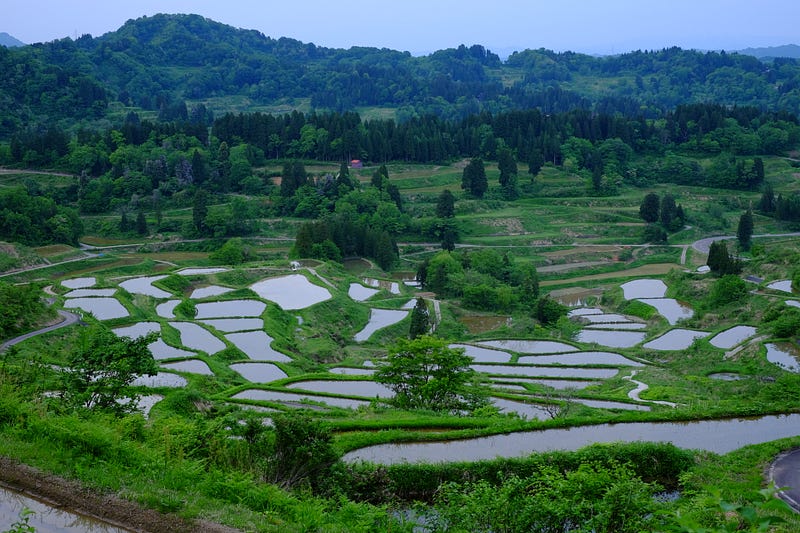
星峠の棚田 (Hoshitouge Terraced Rice Field) from Wikimedia Commons.

In the north area of Niigata, Murakami City transports us back to the Heian Era, approximately 1,000 years ago. The castle town of Murakami is known for 鮭, 酒, 人情 (sake, sake, nasake) — salmon, Japanese sake, and compassion.

In the Heian Era, people in Murakami sent salmon to Kyoto as a tax payment. Today, you can see hundreds of salmon drying from the rafters and taste one, appreciating the traditional method still used today at one of those factories.
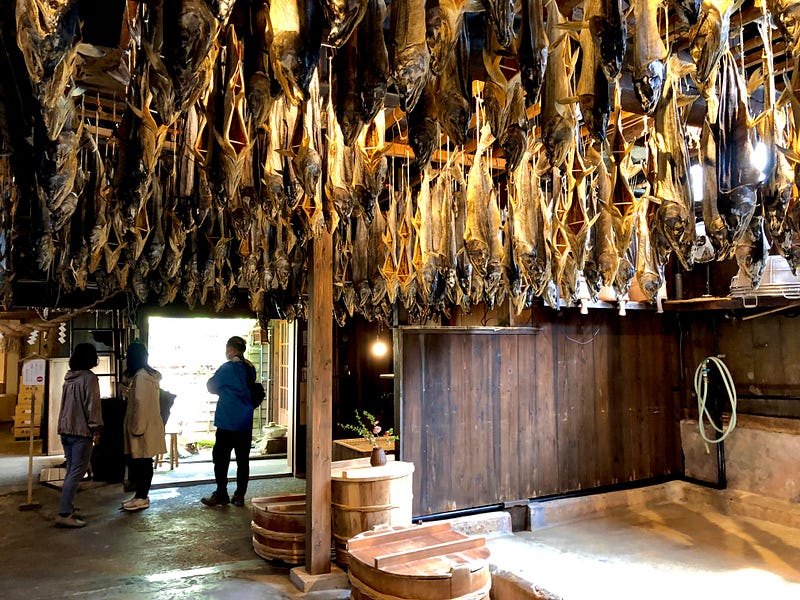
Salmons at 千年鮭きっかわ (Sennenzake Kikkawa). Photo by Author.
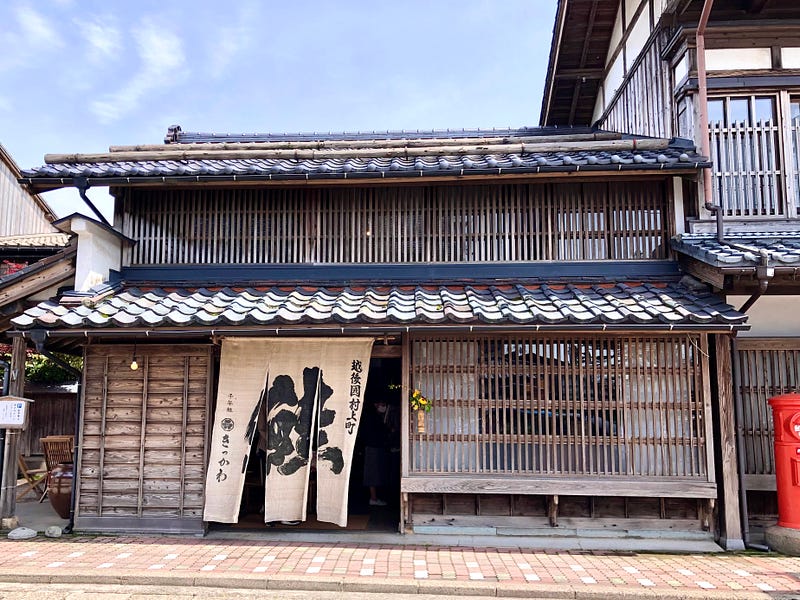
千年鮭きっかわ (Sennenzake Kikkawa). Photo by Author.

And of course, you can enjoy skiing in winter. Yuzawa is the most touristy place when it comes to ski mountains, but Niigata has 48 ski resorts, which is the third-largest number in Japan.
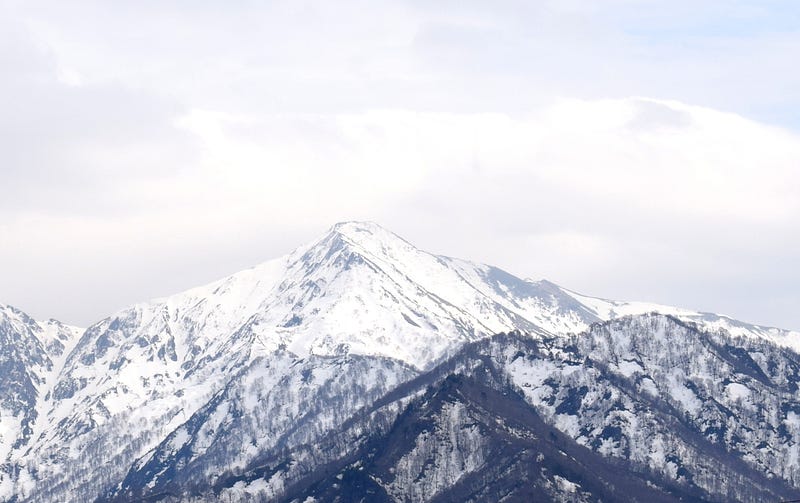
大源太山 (Mt. Daigenta, aka Oriental Matterhorn). Photo from Wikimedia Commons.
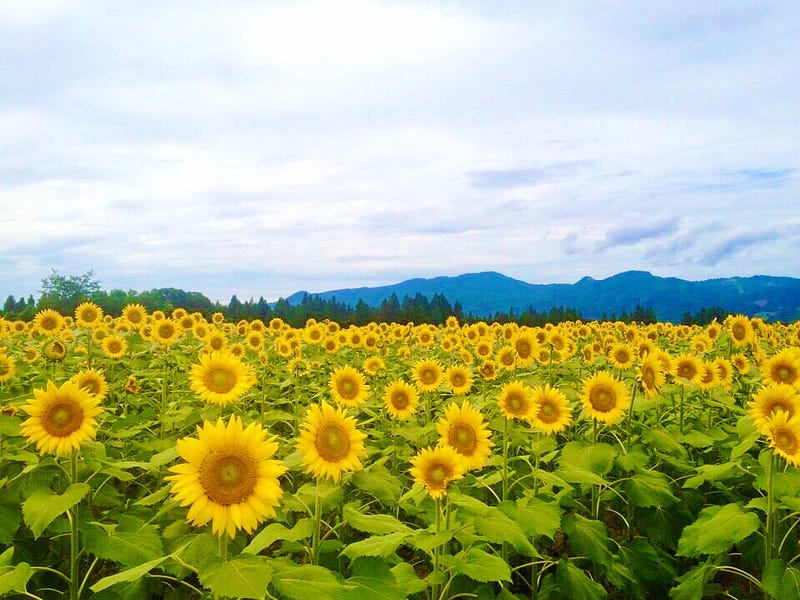
Tsunan Sunflower Festival. Photo by Author.

3. Everything You Want to Drink Is Here

There are countless breweries and distilleries of all kinds of alcohol in Niigata—91 breweries only for sake, which is the greatest number in Japan! You can even visit wineries here. It earned the name the Niigata Wine Coast due to the area’s sandy, well-drained soils, and new wineries.

I cannot emphasize enough the quality of Japanese sake breweries, just as DC Palter recommended a tour of them. But since I’m not a sake snob like him, I would recommend エチゴビール (Echigo Beer).

Echigo Beer is the first microbrewery of Japanese craft beer. The founder has been producing various products, including pilsner, IPA, Koshihikari Echigo Beer, and Raspberry Chocolate Cake Stout! You can find them at local supermarkets in Niigata, and luxury stores like Seijo-Isii in other areas.
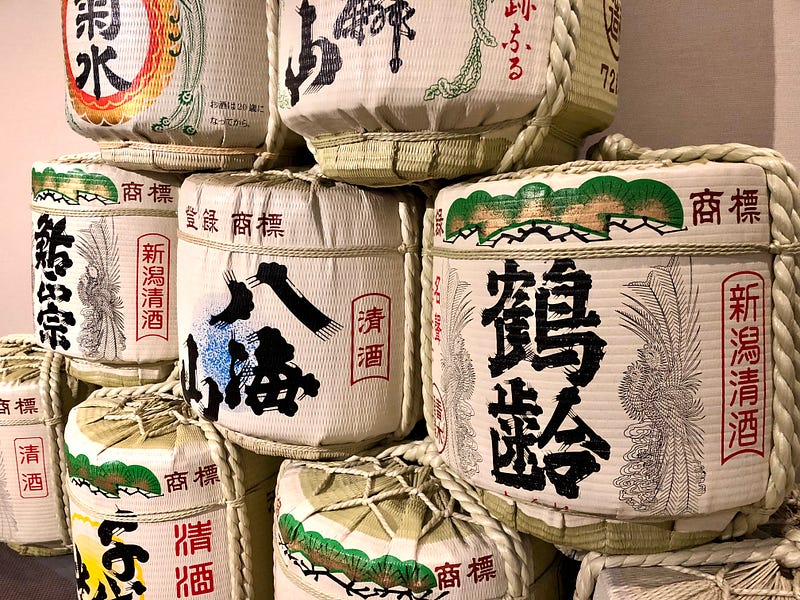
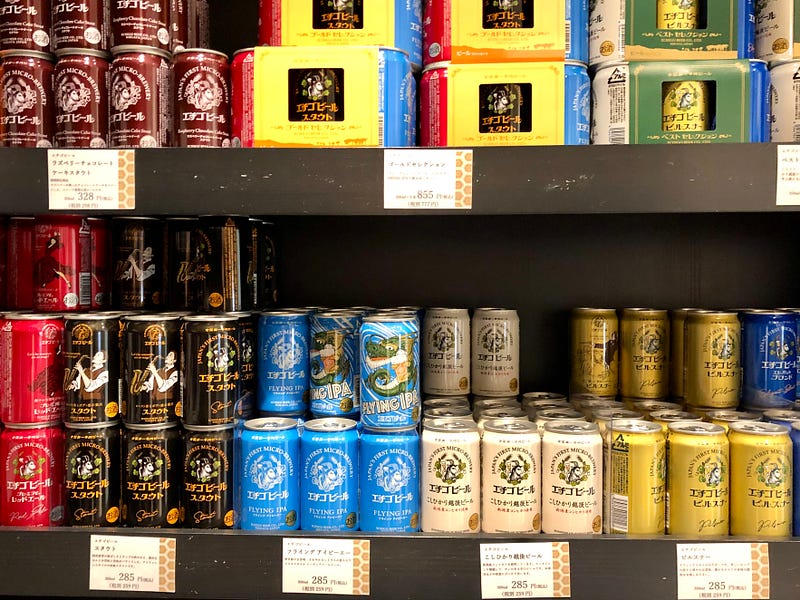
Sake or beer? Photo by Author.

4. Everything You Want to Eat Is Here

Now what to eat with your beer? If you stay in Nagaoka for fireworks, you have to head next to the Teradomari Fish Market where they sell a bounty of fresh seafood every day.
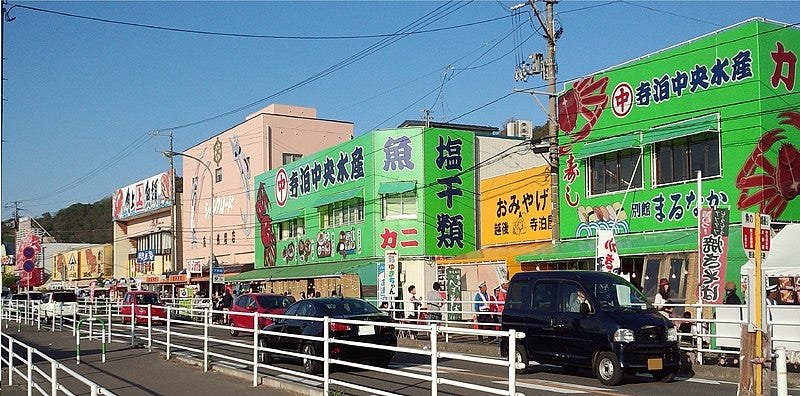
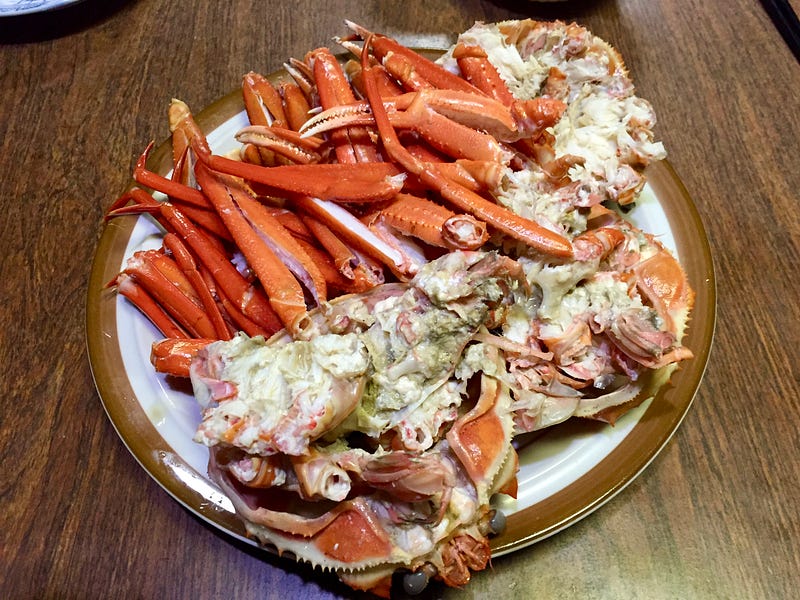
Teradomari Fish Market. Photo from Wikimedia Commons (Left). My father used to cook crabs that he bought from a fishmonger (right).

Again, my suggestion is the salmon town Murakami because はらこ(harako, salmon roe), which is usually called ikura, is totally different from what you find in Tokyo. It has a much fresher texture, and you can eat it forever with Niigata Koshihikari rice. Also, Murakami Beef is popular with tourists in this city.
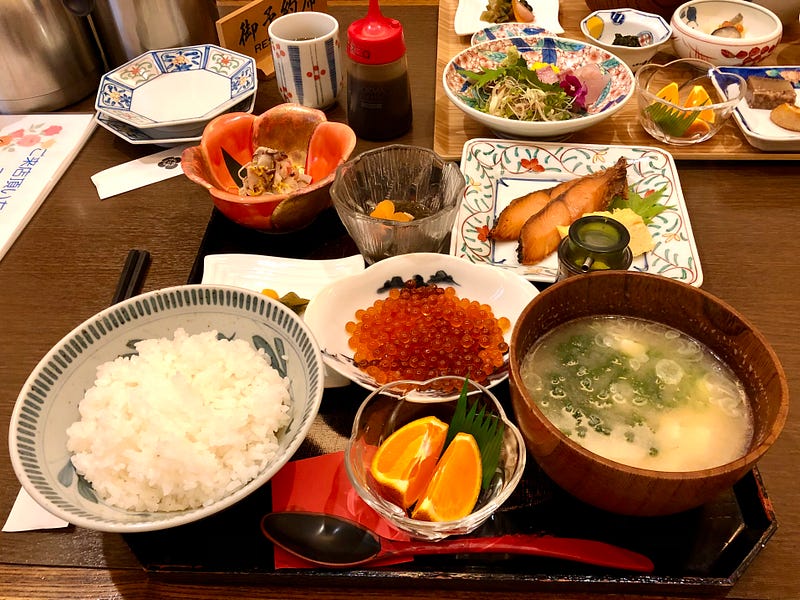
Salmon and Harako at 割烹 千渡里 (Kappo Chidori) in Murakami. Photo by Author.

Other popular dishes in Niigata are へぎそば (hegi-soba, buckwheat noodles made with funori seaweed), タレカツ丼 (tare-katsu-don, deep-fried pork marinated with sweet soy sauce), イタリアン (itarian, not general Italian food, yakisoba with Bolognese sauce)—and everything is worth trying!
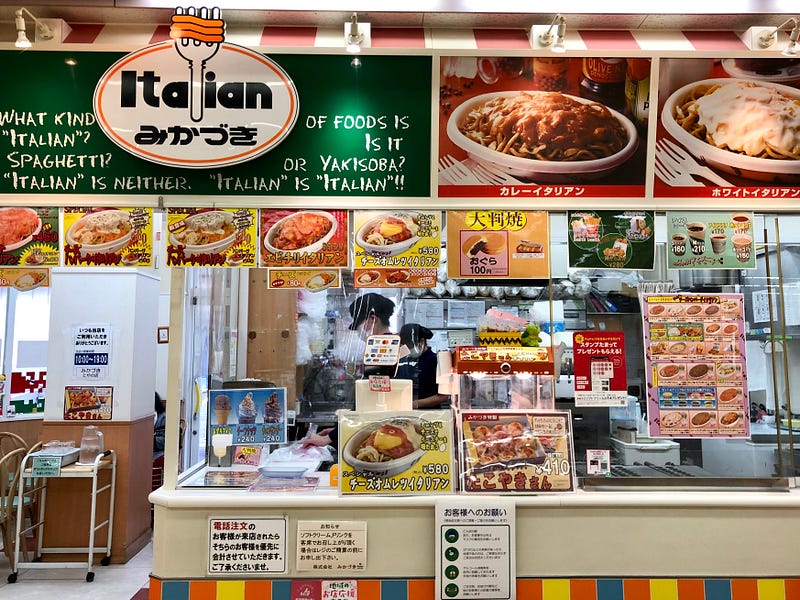
Want to try ‘Italian’? Photo by Author.

You might have realized that eating up Niigata takes at least a week. Maybe a month. Or a year. Also, you can’t leave here without eating 笹団子 (sasa-dango, rice dumpling flavored with mugwort, which covers sweetened red bean paste inside), and if it’s summer, you should try dango with soft serve at a traditional cafe before marching to the fireworks!
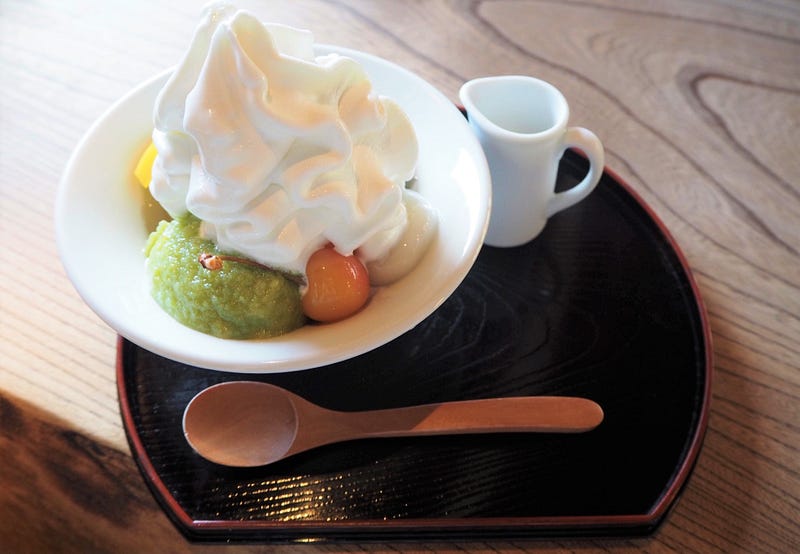
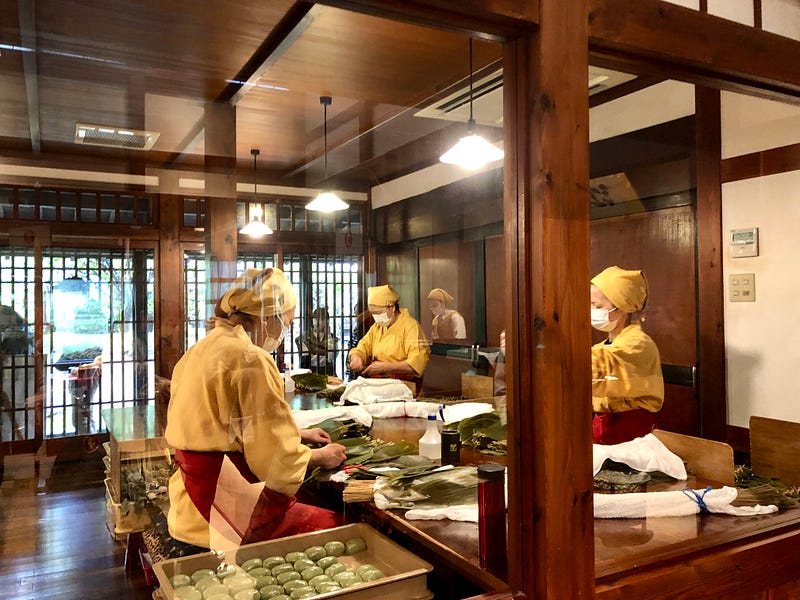
江口だんご本店 (Eguchi Dango honten). Photo by the author.

5. Amazing Craftsmanship

Finally, it’s time to buy souvenirs that upgrade your life and make you feel proud of Niigata. 燕三条 (Tsubame-Sanjō) area is the best place to purchase high-end tableware crafted through artisan traditions that date back to the Edo Period.

Tsubame’s market share of western-style cutlery in Japan is astonishingly high at 90%. Their cutlery has even been used for the Nobel Prize ceremony dinner in Stockholm.

At Tsubame Sanjo Regional Products Center, you can find metalwork from super-expensive bonsai scissors to kitchenware and nail clippers. If you’re lucky, the master blacksmith might even engrave your name on a perfectly sharpened knife.

There are so many beautiful places to visit in Japan, and I don’t want to compare them. However, it is true that Niigata represents critical aspects of this country. Rice, sake, craftsmanship, and most of all, our resilient mind as the Japanese.

I always have to return because I haven’t seen enough of Niigata, and I’m sure you’ll come back too, to seek whatever you want. Welcome to the club!
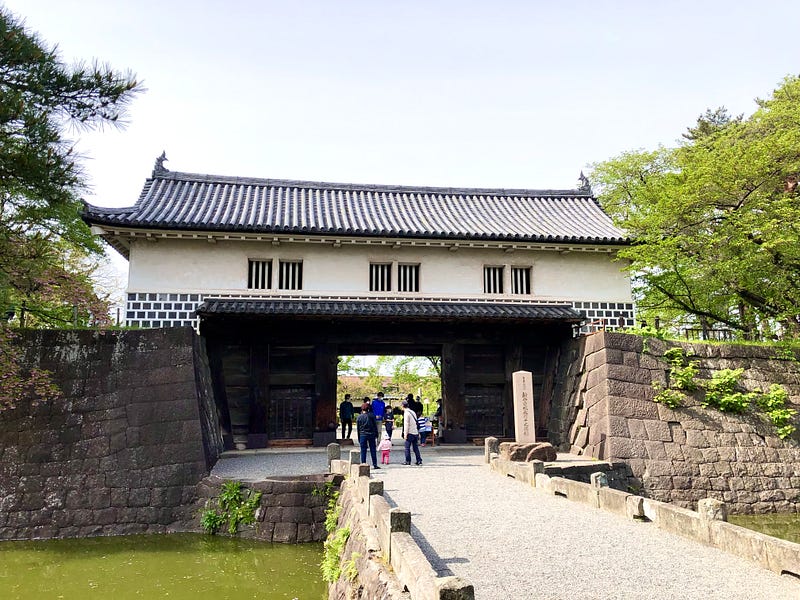
新発田城跡 (Shibata Castle Ruins Park). Photo by Author.

If you enjoyed this article, discover other works of the author at Japonica.

Follow Yuko for more stories about cross-cultural topics, travel, business, parenting, and equality. You can also subscribe from the referral link, which Medium uses a portion from followers for author support without any additional cost. Mediumの購読は、こちらのリンクからどうぞ。

Travel
Food
Japan
History
Culture
Recommended from ReadMedium