
FOOD AND TRAVEL
Travel Across Japan with 3 Enchanting Mochi
Cherry blossoms or dango? The eternal question.
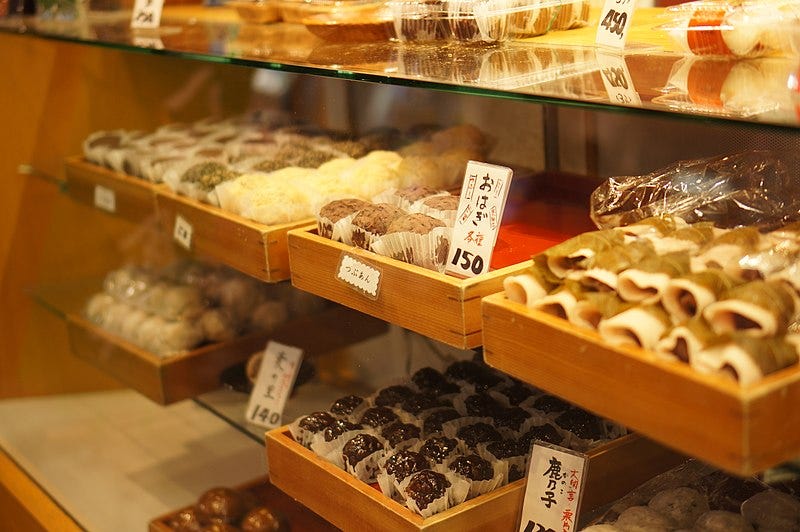
Around this time of the year, Japanese people are destined to make a critical decision: cherry blossoms or dango — sweet dumplings. The debate has never been resolved.
However, an old proverb suggests a tentative conclusion for our peaceful cherry blossom viewing:
Hana yori dango (eating sweet dumplings is better than seeing flowers)
This means people prefer practical objects to purely aesthetic things.
As you may know, we Japanese are obsessed with cherry blossoms. Everything turns into soft pink in the Spring, from Starbucks latte to shampoo bottles. But in reality, we’re equally addicted to dango.
1. Zunda-Mochi
If you haven’t traveled to local cities in Japan, you’re missing the local mochi, too. So let’s rediscover the hidden mochi and dango from the north of Japan.
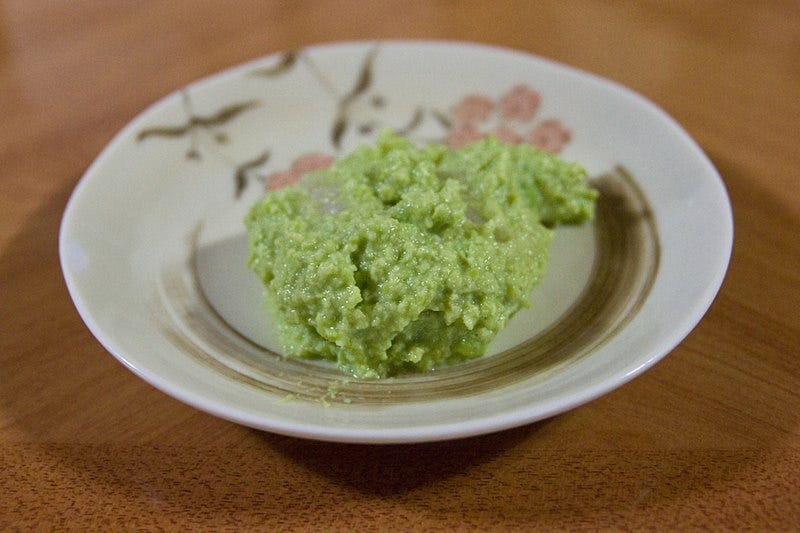
First, you should try Zunda-Mochi in the Tohoku region, specifically, Miyagi. Zunda is a paste of boiled and ground edamame. It’s usually seasoned with a pinch of salt and served with plain mochi made from sweet glutinous rice.
Since summer is the season for edamame, immature soybeans, zunda often represents the Obon Holiday in August. This slightly salty and fresh sauce goes with mochi perfectly. I promise you’ll binge eat it once you know the taste and unique texture of edamame.
2. Sasa-Dango
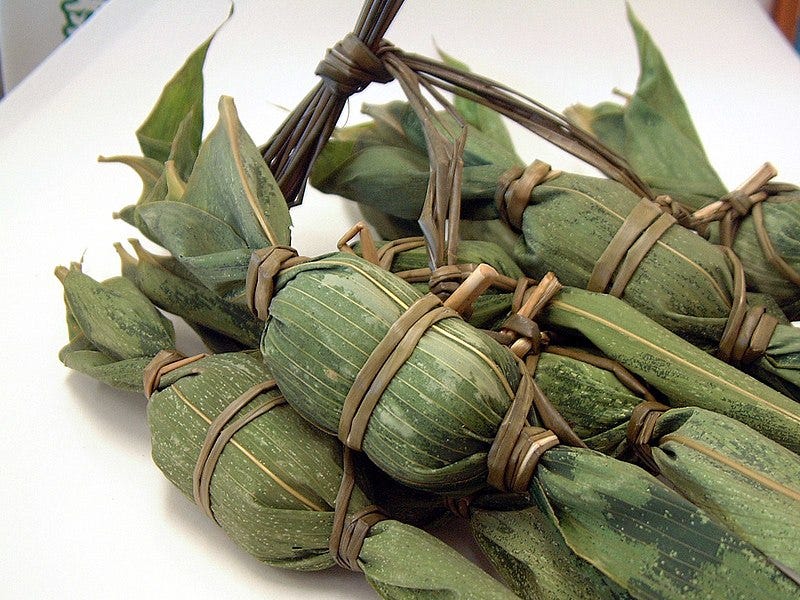
Now let’s drive down to Niigata. Here, people are crazy about Sasa-Dango. Since sasa — bamboo leaves — have a natural antibacterial effect, samurai were once said to bring this sasa-dango for their long trip to the battlefield. The most famous theory is the general of Echigo, Uesugi Kenshin, ate Sasa-Dango 400 years ago.
Today, you can meet this classic look of dango everywhere in Niigata. Don’t worry. Even if you missed buying them at local stores, almost every convenience store at major stations in Niigata sells this specialty.
Dango technically differs from mochi. Unlike mochi, dango is made from rice flour. For Sasa-Dango, the dango dough is flavored with mugwort, which covers sweetened red bean paste inside. Ever since childhood, its traditional taste has never failed to make me smile, and I’ve never left Niigata without buying some.
3. Nanjakora-Daifuku
Finally, it’s time to fly to the Kyushu region — Miyazaki. In this warm and friendly prefecture, we can meet the famous sweets called Nanjakora-Daifuku. Daifuku means filled mochi, and nanjakora is literally what you’re going to shout when you cut the daifuku in two—what the heck?! Because it has everything we wish for in the filling of daifuku: red bean paste, strawberry, chestnut, and even cream cheese!
Different from the two mochi and dango above, this is a trademarked product sold by Okashi-no-Hidaka. But don’t underestimate it. They have sold over 11.2 million Nanjakora-Daifuku at seven stores in the past 35 years.
I met this delightful daifuku during my business trip to Miyazaki. On my last day of the stay, almost every colleague asked me, “Have you bought Nanjakora-Daifuku to take home as souvenirs yet?”
At first, I thought they were just making fun of me, but they were serious. One of them actually drove me to the nearest shop only so I could buy some of that daifuku. And just as they had expected, I was surprised by its joyful fillings after getting back to my home.
Although Miyazaki is a bit far from Tokyo, you can buy it online if you live in Japan and want to try this fun dessert.
Just like Japanese people who have omotenashi—a welcoming mind—so many kinds of sweet mochi and dango are waiting for you in supermarkets and local stores throughout Japan.
Enjoy your journey with them. Dango will empower you like Momotarō, who took Kibi-Dango with him to defeat the ogres. Cherry blossoms are breathtakingly beautiful for sure, but dango is even better in this country.
If you enjoyed this article, discover other works of the author.
Please follow me for more stories about Japanese culture, travel, and parenting. You can also subscribe from the referral link, which will support me from a portion of your fee without any additional cost. Mediumの購読は、ぜひこちらのリンクからどうぞ。


.jpg)

