
Ten Things You’ll Love About France
…besides the delicious French cuisine.
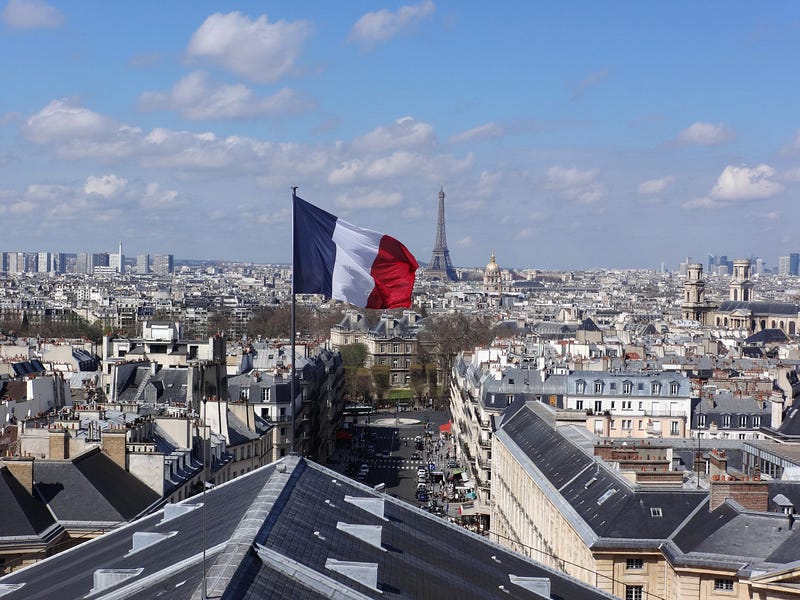
Bustling cafes, crispy baguettes, delicious red wine and a sensual language — is that how you picture France? Well, you’re not entirely wrong, but let me tell you some more convincing arguments to pack your bags and spend some time in the country that painter Claude Monet and writer Simone de Beauvoir called their home.
How I Fell in Love with France
As a German citizen, I was lucky that I could spend several family holidays and school exchanges in my neighboring country. After graduating from high school, I took a gap year to perfect my French — working for food and accommodation in a host family in Paris and then in a hotel-restaurant in Normandy (northern France). In Paris, I strolled through book shops and visited numerous museums for free, since I was a citizen from the European Union under the age of 26.
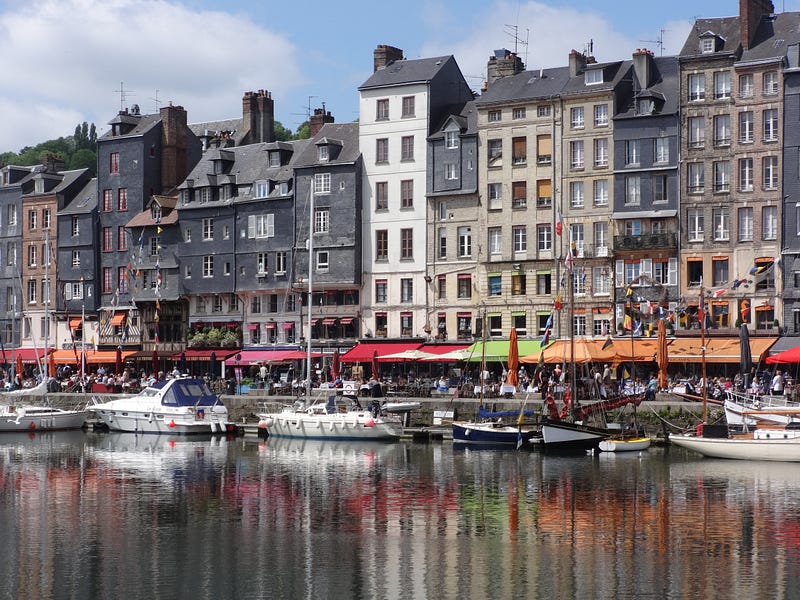
In the countryside of Normandy where I spent two months, nobody was able to convince me of the variety of local cheese specialties (veganism obligates) but the many apple trees for cider production fascinated me and I got to hitchhike to many beautiful towns.
Finally, I was particularly happy to spend one and a half years of my Bachelor’s degree in Lyon in Southern France. In the third-largest city in the State, I spent many warm evenings on the banks (sur les quais) of the two rivers. It was in Lyon that I discovered most French peculiarities I fell in love with.
Game Bars
1 A concept that I discovered during my studies in Lyon are board game cafes or bars, in French bars à jeux. These bars own countless card and board games, which visitors are allowed to use for a small fee per person or a membership card. Besides, drinks such as beer or lemonade are offered — just like in other bars. In Lyon alone, there were several bars of this type that were always filled with groups of laughing, talking, and drinking people every time I was there (…or when I tried to get in and failed).
If you feel like having a board games night now and then and don’t want to set up a home games camp for it, such a bar is an amazing place to meet friends and spend a fun, long evening.
Rental Bikes
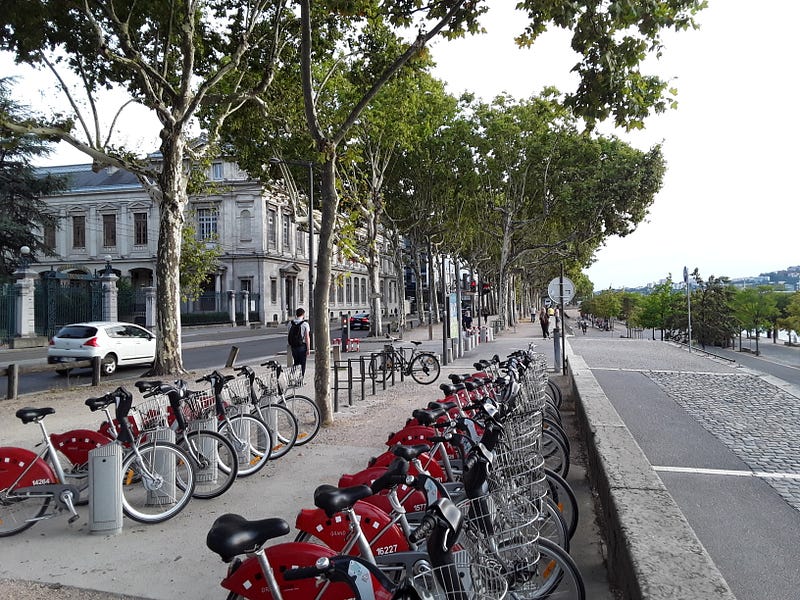
2 In the country of the famous Tour de France, the rental bike system is impressively well developed. In many large or medium-sized cities such as Paris or Lyon, you can rent a bicycle from the city’s own provider at certain stations throughout the city by activating it with a membership card or app. During my time in Lyon, I paid 15 Euros annually (around $17) as a student and was able to use a bicycle for one hour at a time before I had to return it at any station or exchange it for another one. For me, this is a much better system than in Germany, where there is a large selection of different rental bike providers and you can sometimes park your bike in the most absurd places (or it ends up in a river).
“Apéros” with Baguette and Wine
3 There is hardly anything that shapes the French way of life as much as aperitifs called apéros: those are cozy evenings spent with friends. When held at somebody’s home our outside, everyone contributes something to drink or eat and people sit together with wine, lots of baguette with dips and other snacks. In summer I was invited to an aperitif at least once a week. On warm evenings, my friends and I often sat near the river Rhône, the wider of the two rivers of Lyon — together with many other young people in their 20’s. Between April and October it was warm enough to sit outside and it got so crowded on Fridays and Saturdays that I could hardly find my own group of friends.
This is “savoir vivre”, the French way of enjoying life to the fullest!
Coolness “à la française”
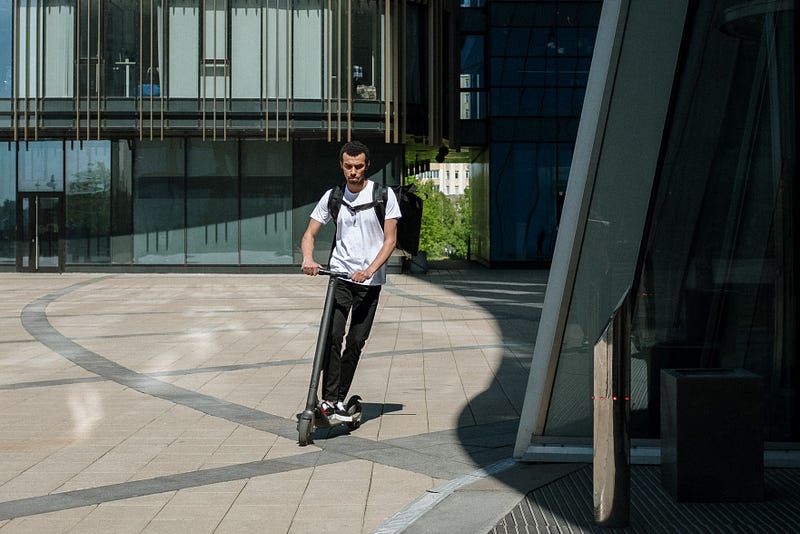
4 In France, comics (in French BD from bande dessinée) are seen as cool; adults read them too. The same goes for scooters (trottinettes): you’ll see many people in suits on scooters whizzing past you on their way to work — even before the electrically powered ones existed. Actually very practical!
Besides, my observation is that slightly uncombed hair is part of the French style. Whether men or women, it may look a bit like being blown away by the wind, or at least as if you hadn’t made much of an effort to style it. I like this nonchalance. (Note that I am only talking about European hair, although I am of course aware that there are also many French people with an Afro, for example).
Cidre and Poiré
5 My favorite alcohol in France, despite the popularity of wine, is and shall remain cidre, a French version of cider (made of apples) with an admittedly very low alcohol content of less than 3 percent. It contains carbon dioxide and therefore tastes very much like apple spritzer. It’s also available in the extremely tasty version with pears, called poiré (from poire, pear). By the way: Instead of “cheers”, the French will say “tchin-tchin” or “santé”.
The French Pride
6 You probably heard that the French are not known for their excellent English skills. Rant about that as much as you want, but I like the pride in the French language and their will to protect it from influences like English. That’s why I personally like the idea of a minimum radio quota for songs in the local language.
In 1986, a quota of at least 40 percent of French music in nationwide private radio stations was introduced, which today can be a bit higher or lower depending on the station.
Although I don’t listen to German music very much, I would like to not only hear English songs when I turn on the radio in Germany.
Protest Culture
7 In France, strikes and demonstrations are the order of the day; in all sectors, be it hospital staff, the public train company SNCF or teachers.
When French people are not okay with something, you’ll know.
These ongoing protests may have many drawbacks (such as restrictions on transport), but they allow people in France to express their dissatisfaction with existing laws or changes to laws — a right they use very regularly.
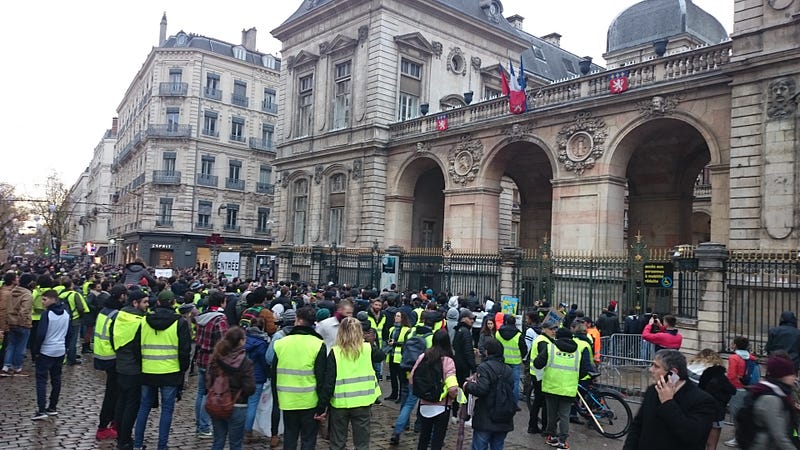
At my university in Lyon (Université Lumière Lyon II, known among students as politically left-wing), my exams had to be replaced by online essays in the summer semester 2018 because groups of students had blocked the campus for months in protest. They even stayed in lecture halls for weeks, mainly to express their dissatisfaction with the French government’s planned restrictions on admissions. In 2018/19, many yellow vest demonstrators (gilets jaunes) also showed that they publicly expressed their discontent, if necessary, for months. President Emmanuel Macron’s sweeping reforms in recent years have caused incomprehension and indignation among many French people.
Improve Your French
8 If you are planning a longer stay abroad and really want to improve the national language of that country, I can assure you that France is a great place for you. Although more and more French citizens speak English and would sometimes switch to English when talking to foreigners, French remains the most important language and is essential in many situations. During my three semesters in Lyon, I noticed one thing:
Even most international students speak French with each other — and not English!
From A to B by Public Transport
9 Even though I loved taking a rental bike to roam around the city or even to shop for groceries, I recommend public transport for the entertainment factor:
Many people in France make private phone calls on buses and trains, so you can hear often eavesdrop loud arguments.
When you get to hear one of these telephone fights and speak enough French to understand what is being said, you won’t consider the language to be the most melodic in the world anymore —French can be rough and aggressive in its own way, especially when swearwords are at play. You’ll also notice something else: You have to board the bus at the front and almost everybody will greet the driver with “Bonjour” or “Bonsoir” in the evening. That’s not the case in Germany, and I find it very sympathetic.
Extra Money for Students
10 All students in France are entitled to about 70 to 170 euros per month of housing benefit, no matter if they are French or not. The only requirements: A certificate of study and a French bank account. You can apply online for this allowance, which you don’t have to pay back, at the Caf (Caisse d’allocations familiales; the family fund). Certain criteria determine the amount of the grant: For example, those who live alone get more.
© Annika Erika 2020


