
How to Use Targeting for More Effective Marketing
Marketing to the people most likely to become profitable customers.

Often when you ask a small business owner who they are targeting as customers, their response is “Everyone”, or “Anybody interested in…”
This is why not all consumers think alike, and not everyone is going to purchase your product.
Because of this broad focus, marketing can miss the mark.
Instead of trying to market to everybody, targeted marketing makes your product or service as attractive as possible to specific groups of people. Firms focus their marketing efforts on a particular and defined audience.
This blog explores targeted marketing and how businesses use targeting to be more effective with their marketing and improve their ROI.
“Provided that sales in the target segment are higher than lost sales in the non-target segment, the firm is undoubtedly better off financially.” (Cahill, 1997)
What Is Targeting?
Targeting focuses all marketing efforts on the defined group or groups of people MOST LIKELY to become profitable customers. These people have common characteristics and interests. We want to target as many people as possible, as they are more likely than the average person to be profitable customers.
The targeted customers might also be groups of people who overlooked by the competition. If they have attractive characteristics to the business as potential customers, this then presents an opportunity.
The benefits of targeting
With targeting, marketing becomes more affordable, efficient and effective at generating customer leads. Saving money on marketing and a better return on investment are the most apparent benefits of targeted marketing — especially for small businesses with frugal marketing budgets.
Targeted marketing is far more cost-effective than mass marketing as firms are not wasting time and money marketing to people who will never be customers.
Instead, the target audience is specific consumers who are most likely to become customers.
“Firms can obtain significant benefits by targeting their promotions.” (Narayanan & Manchanda, 2009)
If we understand who our most profitable customers are, we will know which customers are not profitable. We can also overlook them with our marketing essential with paid advertising (why waste your money!?)
Targeting should begin with the customers and the marketplace. Therefore, it creates a strategic focus as the firm must take a realistic and well thought out approach to their product or service offering, their marketing and their customers. This integrated approach ensures everything is a good fit.
If you are not targeting specific groups of customers with your communication, the message can become blurred. The broader the targeted market is, the broader their preferences, needs and desires are. The more focused your message is, the more receptive the target audience will be.
What is a Target Market?
Identifying the target market/s is a crucial step for any firm when developing its strategic marketing plan.
A target market is the group/s of customers that is the focus of a businesses’ marketing efforts. It is a segment of the total market for a good or service.
The consumers who make up a target market share similar characteristics, defined by demographics such as gender, location and age, and criteria based on their consumer behaviour.
“A target market is, at its most basic, simply the market or submarket (such as a segment) at which the firm aims its marketing message(s).” (Cahill, 1997)
This target market determines other critical factors for a product or service, such as distribution and pricing, or can influence aspects of the product or service itself.
After identifying what group/s of customers you wish to target, you must learn their values and consumption habits.
Learning more about customers will help you strategise how to communicate effectively and ensure your offering best fits their requirements.
If something is not right, firms can modify aspects of the product or service itself or its marketing such as the packaging, pricing or even the brand name to help facilitate a more successful result with their target market.
Target marketing sits alongside the positioning strategy.
Positioning creates an image of a brand’s product or service in the mind of a target customer. It defines how the brand’s offering is unique and how it provides a distinct benefit to customers. Marketing communicates a brand’s positioning to consumers to influence their perception.
Your positioning must be attractive and credible to the people who require your product and are most likely to purchase it.
“This identification of target customer groups is market segmentation, where customers are aggregated into groups with similar requirements and buying characteristics.” (Dibb & Simkin, 1991)

Segmentation: defining your target market
The strategy of using targeted marketing to reach specific groups or clusters of customers is market segmentation. A firm can choose one or even numerous segmented groups as their target market, divided up based on their characteristics, based on their unique marketplace.
As customers have unique buying patterns to understand, this process helps to match customer demands with a firm’s ability to satisfy them.
Firms can follow a range of different segmentation strategies, such as concentrating on a single segment with one product or brand, concentrating on numerous segments with one brand or having many brands or products targeting a unique segment.
Market segments are specific and objective, comprised of people with similar characteristics likely to respond similarly to a marketing campaign. Segmenting the market helps businesses to optimise their branding, advertising and sales.
For example, a Gym might choose to market to fitness-minded people between 15 and 40 years old in Hamilton, New Zealand. To make this segment even more defined, they might decide to market to people with strength and performance-based goals, attend the local university, and use many social media.
The gym could further break down this market into other niches, such as performance-based goals for sport, powerlifting or CrossFit, or bodybuilding.

Target market characteristics
The process of dividing a target market into segments uses three essential categorisation techniques. They are demographics, psychographics and behavioural.
Demographics: Demographic segmentation aims to build an accurate picture of who the target market “is” using human populations' statistical characteristics to identify these people. These include:
- Age
- Location
- Gender
- Occupation
- Ethnic background
Psychographics: Psychographics segmentation looks at consumers as people (not customers), seeking a better understanding of personal characteristics on a human level, including their lifestyle, fundamental values and activities. These include:
- Personality
- Opinions, attitudes, and beliefs
- Values
- Interests/hobbies
- Lifestyles
Behavioural: Behavioural segmentation defines people based on their actions and thoughts as a consumer. This segmentation helps marketers determine who they want to attract and who they do not want to attract. These include:
- Purchase Behaviour
- Customer Loyalty
- Occasion or timing
- Benefits sought
- Usage
Understanding the consumer behaviour of your target market
Brands need to understand what their target consumers believe are the essential components of a product or service when they decide to purchase.
How will they use the product? What product are features most appealing to them?
Market research is a crucial step to get your positioning in the market right.
Before releasing a new product, it is beneficial to test it with the target market. Using focus groups are a fantastic way to test perceptions and the performance of your offering with the types of people you want to purchase it.
This constructive feedback will allow you to make improvements before it comes to the market. Analyse industry or talk to existing customers about what they want from a product to help answer important questions you may have about your marketplace or target customers.
After the product is on the market, it is beneficial to monitor sales data or use customer surveys and other actions that help monitor performance and better understand customers and what they want. Measuring customer satisfaction allows brands to improve their offering continuously.
“Each target market needs to be addressed in different ways in order for a marketing campaign to be effective.” (Geraghty & Conway, 2016)
Communicating with your target market
It is vital to market to your target market precisely. Otherwise, you waste precious time and money. Targeted advertising helps improve the efficiency of matching brands with customers.
To reach a target audience, marketers must consider how and where to communicate to reach these people and have them listen. Do they read the local paper every day? Are they browsing Facebook? They might watch a lot of television.
Once you have chosen where to advertise, what marketing message will best resonate with them? Marketing must match customers preferences and behaviours. You will only learn this through trial and error or market research.
Traditional marketing communications include television, radio or film advertising or product placements, sponsorship of events or live sport, billboards, point of purchase placement, print advertising such as flyers, business cards, newspaper, and magazine adverts.
Studies have indicated that magazines have the longest life span of any traditional marketing form (See Blakeman, 2014).
People can share magazines around with their friends, or businesses often leave them for customers to browse whilst they wait, such as in the waiting room at the Doctors, at cafés or the local fish and chips shop, left for months even years on end.
In-person events are the most successful form of lead generation for B2B businesses (See Tomas, 2015), making networking events, conferences or expos popular with salespeople.
It is much easier to convert face-to-face than with any other marketing technique; it is just very time consuming, and you do not have a massive potential audience as you do online. The vital thing to consider is, will your communication method reach your target audience.
Advances in digital marketing
Innovations in technology and software over the past quarter of a century has made it possible for any business to collect valuable data about customers and potential customers.
Digital marketing provides many targeted marketing tools such as email marketing, blogging and search engine marketing or optimisation and gives marketers a much higher capacity for in-depth analysis of consumer behaviour than was possible through traditional marketing.
Social media's growth and popularity have helped businesses create highly customised and personalised targeted advertising based on the behaviours we learn from peoples’ habits online.
“Online targeting consumers has been a great advantage to marketers as they can now see not only what a person is viewing but for how long, where and why” (Geraghty & Conway, 2016)
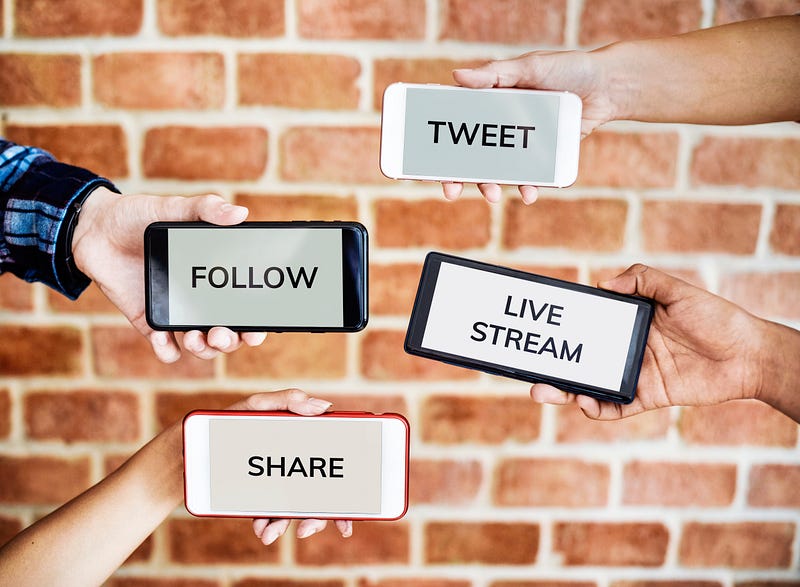
Facebook for targeted advertising
Facebook is hugely popular for creating targeted advertising. A significant strength of Facebook is the enormous audience (1.79 billion daily users) and the ability to create hyper-targeted advertising based on a vast number of attributes.
There are more than 240,000 attributes that marketers can combine to target particular groups of people based on combinations of features.
Facebook even allows you to exclude people based on specific characteristics, making your advertising even more targeted.
Because of this potential, there are over 7 million people or business advertising on Facebook. Facebook provides four powerful techniques for targeting, and users can use a combination of these methods. These are Personally Identifiable Information, Attribute targeting, Look-alike audience and retargeting.
Personally Identifiable Information targeting is when the users provide a database of people with personal information such as name, email address and phone number.
Facebook will then place adverts in front of these people browsing the platform. Create custom audiences based on liking their Facebook page, downloading an app, or visiting their website.
Attribute targeting allows advertisers to target people based on a wide range of elements. These elements include basic demographics such as age and gender, advanced demographics such as newly married, interests such as a basketball or videogames, and behaviours such as people who have recently purchased online.
Combining more attributes makes the audience more specific for an advert. Interests can be predefined and chosen from a dropdown menu or a relevant topic typed in, and the user can browse related attributes.
Look-alike audiences are another option Facebook offers to help put your advertising in front of the right people.
Users input a database of people, use a previous audience, or a basis for this audience can be people who “like” their Facebook page. The Facebook algorithm then targets other people who share similar characteristics.
“By compiling demographic data, purchasing history, and responses to past advertising messages, digital marketers can create and refine advertising messages tuned precisely to the psychographic and behavioural patterns of the individual.” (Montgomery & Chester, 2009)
Retargeting focuses on people who have already interacted with the business. Many customers need numerous interactions with a brand before deciding to purchase, so it is essential to stay relevant to these people.
People who have visited your website can be targeting through using a tracking pixel, or businesses can target other behaviours such as people who have watched previous videos or “liked” previous advertisements. Facebook is a powerful tool for retargeting.
Thank you for reading the article.
I hope you enjoyed this content about targeting.
If you are a small business owner, you should now understand some of the benefits of having a specific and refined target market.
We don’t waste our time, money and efforts on people who will never be profitable customers.
Dan
If you enjoyed the content, you might be interested in this article about brand identity.