avatarDaniel Hopper

Free AI web copilot to create summaries, insights and extended knowledge, download it at here

6579

Abstract

ndyourselfbetter.com/blog/post/98450/positioning-5-strategies-to-stand-out-from-your-competitors">positioning in the market</a>.</p><p id="73e8">Positioning communicates a brand’s value — how it’s unique and how you want customers to feel, to distinguish the brand consumers’ minds.</p><h2 id="cf65">Creating a Brand Personality</h2><p id="76f6">Every brand should reflect individual personality traits to humanise it, making it easier for customers to relate to them. Brand messaging in marketing communicates in a personal voice to establish a unique personality.</p><p id="cda7" type="7">“A brand’s personality provides a richer source of competitive advantage than any functional feature can.” (Sherrington, 2003)</p><p id="2db2">Examples of personality traits are:</p><ul><li>innovative</li><li>socially conscious</li><li>trustworthy</li><li>friendly</li><li>nostalgic</li><li>luxury</li><li>cool</li><li>socially conscious</li></ul><p id="67f1">Examples of personalities for product types are ‘tough’ for an off-road vehicle or ‘fit’ for sportswear.</p><p id="dada">The<b> brand positioning</b> should complement this personality — which is how consumers perceive the brand against its competitors.</p><div id="f3bc" class="link-block"> <a href="https://readmedium.com/positioning-5-strategies-to-stand-out-from-your-competitors-bb3ba93e4a69"> <div> <div> <h2>Positioning: 5 Strategies to Stand Out From Your Competitors</h2> <div><h3>How a brand provides value to customers in a unique way.</h3></div> <div><p>medium.com</p></div> </div> <div> <div style="background-image: url(https://miro.readmedium.com/v2/resize:fit:320/1*fvy0XslhfIkde2wJq9zULw.jpeg)"></div> </div> </div> </a> </div><p id="f3c4">The positioning includes the <b>brand promise</b> — its unique selling proposition and <b>brand values</b>, guiding a firm’s decision-making.</p><p id="bf7a" type="7">“A unique set of brand associations enable a brand to develop a rich and clear brand identity. While some customers may attach greater importance to functional benefits, emotional value helps the brand stand above others.” (Ghodeswar, 2008)</p><h2 id="8a76">Forming Brand Associations</h2><p id="ea6b">Brands create personality characteristics that they want customers to associate with their brand. However, the associations a brand creates through its brand identity are not always perceived the same way by customers.</p><p id="a498">Customer assessments and opinions of a brand become the anchor for their associations of what a brand represents. New associations are continuously made with brands, simultaneously with each interaction, evaluated against consumers’ values and lifestyles.</p><p id="f727">The content we create and share on our social media influences perceptions of our brand. It defines us.</p><p id="f536">If you share boring content and talk about yourself all the time, that is the brand people will associate with you.</p><p id="9555">Associations can be how our brand looks, feels, and speaks to people. Even how it tastes, feels, sounds, and smells.</p><p id="160e">These assessments are evaluated against a consumer’s personal and cultural values. When people have an unfavourable experience, they correlate that negative experience with everything associated with that brand.</p><h1 id="f907">Why is having a unique brand identity important?</h1><p id="23fe">A well-researched and distinct brand identity should be the foundation of any successful business.</p><p id="6f2e" type="7">“A brand tends to have a strong and attractive identity when the identity is more distinctive and more prestigious.” (He, Li, & Harris, 2012)</p><p id="ddf3">A brand identity aims to influence customer perceptions of the brand and its products or services. A strong brand identity increases the target market’s awareness of the brand.</p><p id="bfef">Brand awareness is a customer’s ability to identify a brand in a saturated market. If brand awareness is high and customers trust the brand, companies gain a competitive advantage and enhance their brand value.</p><p id="488c">Having a strong brand identity means consumers are more likely to develop an emotional connection with the brand, forming a stronger customer-brand relationship and encouraging loyalty.</p><p id="c37c" type="7">“Brand identity management should be the starting point of integrated marketing communications for the purpose of building brand loyalty.” (He, Li, & Harris, 2012)</p><h2 id="7f28">Credibility and Trust</h2><p id="d701">A strong brand establishes trust and credibility with customers and prospective customers.</p><figure id="dcd2"><img src="https://cdn-images-1.readmedium.com/v2/resize:fit:800/1*qhRD57qIbOP1GF-Ucl9ncw.jpeg"><figcaption>Photo by <a href="https://unsplash.com/@brett_jordan?utm_source=unsplash&amp;utm_medium=referral&amp;utm_content=creditCopyText">Brett Jordan</a> on <a href="https://unsplash.com/s/photos/trust?utm_source=unsplash&amp;utm_medium=referral&amp;utm_content=creditCopyText">Unsplash</a></figcaption></figure><p id="ea67">Brand identity makes a brand more memorable and increases its authority in the marketplace. Thus, having a strong identity can create new product rollouts more successful because of the trust customers have in the brand.</p><p id="4fad">Strong brand identity will attract people who resonate with what a brand offers and what it stands for, creating a brand community. Community <a href="https://brandyourselfbetter.co.nz/blog/post/51030/how-brands-can-create-their-own-communities">gives people a strong sense of belonging</a> by satisfying customers’ symbolic needs.</p><p id="32ff">However, if a brand identity does not match the brand image, it can negatively affect consumer perceptions of their brand.</p><p id="42fa">Brands must invest in themselves to live up to their promise if they want customers to trust them.</p><p id="6c95">One brand that does this well is Apple.</p><p id="9fb8">Apple’s brand identity and brand image are closely aligned. Apple is very deliberate in creating hype to release their new products to generate excitement from customers.</p><p id="74f8">They position themselves as a premium offering due to their investments in modern technologies and often bring these to the market first.</p><p id="dac1" type="7">“A strong brand identity that is well understood and experienced by the customers helps in developing trust which, in tur

Options

n, results in differentiating the brand from competition.” (Ghodeswar, 2008)</p><h1 id="02a6">How to create an identity for our brand</h1><p id="6489">Businesses should create a brand identity that represents who they are.</p><p id="0a7d">Creating a brand is more than just picking a few colours and creating a logo. Approach branding strategically — We need to stand out amongst the competition and capture our target market’s attention.</p><p id="23a8">Through creating differentiation, our brand becomes more visible, relevant, unique, distinct and memorable.</p><p id="4325">Our brand should be cohesive and translatable across communication platforms and be flexible enough to evolve with the brand and be easy for designers to apply.</p><p id="a7ab" type="7">“Building brand associations requires a company to understand its brand as well as competitors’ brands through customer research.” (Ghodeswar, 2008)</p><h2 id="229c">Analyse our firm, the market and the competition</h2><p id="362b">Creating a brand identity requires an analysis of our firm and the marketplace.</p><p id="516e">Firstly, what are the company’s vision and goals?</p><p id="e058">What makes it unique?</p><p id="7664">When a firm understands what they stand for and what they want to communicate, it can design its brand identity.</p><p id="7ec5">Through market research, firms can understand how the brand is perceived.</p><p id="47ff">Talk to customers. What do they think the brand stands for?</p><p id="08d0">Our brand identity is also informed by what customers want to engage with; our identity must resonate with them. Therefore, it is essential to <a href="https://brandyourselfbetter.co.nz/blog/post/70179/segmenting-your-target-market">understand our buyer personas.</a></p><p id="198e">Talk to customers through surveys, focus groups, and one-on-one interviews.</p><p id="0ef5">It is also essential to understand their competitive landscape or risk blending in. Find out what (if any) is the difference between our brand and the competition.</p><p id="af33" type="7">“Brand identity is based on a thorough understanding of the firm’s customers, competitors, and business environment.” (Ghodeswar, 2008)</p><h2 id="0765">Consistency</h2><p id="64c6">Consistency in marketing communications leads to consistent brand identity.</p><p id="29d2">Our brand’s appearance should always be cohesive and consistent across the business. Each piece complements the brand identity.</p><p id="37d0">Components such as:</p><ul><li>Logo</li><li>Design and Colours</li><li>Typography (fonts)</li><li>Photography, illustration and data visualisation such as infographics</li><li>Video and motion</li><li>Web design</li><li>Packaging</li><li>Tone and language</li><li>Other marketing such as social media</li><li>Employee communication and customer service</li></ul><p id="499a">Every element needs to support the overall message and business goals.</p><figure id="dad8"><img src="https://cdn-images-1.readmedium.com/v2/resize:fit:800/1*kWfCrf5CFSPxdWVCsIgc5A.jpeg"><figcaption>Photo by <a href="https://unsplash.com/@balazsketyi?utm_source=unsplash&amp;utm_medium=referral&amp;utm_content=creditCopyText">Balázs Kétyi</a> on <a href="https://unsplash.com/s/photos/branding?utm_source=unsplash&amp;utm_medium=referral&amp;utm_content=creditCopyText">Unsplash</a></figcaption></figure><h2 id="9733">Visuals</h2><p id="49cb">The brand personality, goals, and values should be translated into visual concepts to communicate. How much visual impact a brand makes can increase the likelihood of being remembered.</p><ul><li>The <b>logo</b> is the most recognisable part of a brand — it is the face of our business. A logo should become synonymous with our brand; it must be unique.</li><li>Online, any <b>marketing content is ‘the brand’. </b>Every piece of content defines it. Great content, great brand. Boring content, boring brand.</li><li>Use<b> language and a tone</b> to match the personality of our brand. For example, if our brand identity is of a premium offering, use professional language.</li><li><b>Colour </b>is a tool to <a href="https://brandyourselfbetter.co.nz/blog/post/134218/differentiation-as-a-marketing-strategy-to-stand-out-from-the-competition">differentiate our brand from the alternatives</a>, but it can also elicit strong emotions. Brands should create a unique colour palette of one main colour, two primary colours and two accent colours. It provides you with variety while remaining true to the brand identity.</li><li>A brand should use the <b>same fonts</b> as often as possible. Limit the number of font families to two or three. There is usually one primary font and then a couple of secondary brand typefaces. Use these fonts consistently across the logo, website, advertising, and any documents such as letters and emails.</li></ul><h1 id="6357">Final Words</h1><p id="2179">In summary, our brand identity is how you want to be recognised and remembered.</p><p id="f441">This article has explored how marketing creates a brand identity, influencing consumers’ perceptions of the brand.</p><p id="6382">I have discussed tactics to create a brand identity to stand out amongst the competition. Standing out means you are more likely to be remembered — hopefully attracting more customers!</p><p id="0d13"><b>Thanks for reading.</b></p><p id="1a69">If you enjoyed this article, you might enjoy this content about positioning.</p><div id="fee2" class="link-block"> <a href="https://readmedium.com/positioning-5-strategies-to-stand-out-from-your-competitors-bb3ba93e4a69"> <div> <div> <h2>Positioning: 5 Strategies to Stand Out From Your Competitors</h2> <div><h3>How a brand provides value to customers in a unique way.</h3></div> <div><p>medium.com</p></div> </div> <div> <div style="background-image: url(https://miro.readmedium.com/v2/resize:fit:320/1*fvy0XslhfIkde2wJq9zULw.jpeg)"></div> </div> </div> </a> </div><h1 id="9be8">Read More Medium Articles</h1><p id="1079"><i>Non-Medium members can only read 3 articles a month.</i></p><p id="d379"><a href="https://danielhopper.medium.com/membership"><i>Become a Medium Member</i></a><i> for unlimited access to my content and articles from thousands of other writers, for just $5 a month.</i></p><p id="98f9"><a href="https://danielhopper.medium.com/subscribe"><i>Subscribe</i></a><i> to be notified when I publish new content.</i></p></article></body>

Creating an Identity for Your Brand

A Brand Identity helps customers remember, recognise, and be attracted to a brand.

Photo by Nick Youngson CC BY-SA 3.0 ImageCreator — Via The Blue Diamond Gallery

A common mistake from beginner marketers is confusing their business's brand image with their brand identity. I get it. They sound similar and are related concepts.

But they are not the same thing.

Brand identity is what we think our brand is, and the brand image is what customers believe our brand is.

This article explores what a brand identity is, its importance to a business in creating a reputation, and marketing strategies that a business can use to create and grow its brand identity.

The brand identity influences the brand image

A brand’s identity is its intent to cultivate a specific image in consumers’ minds.

This brand identity influences how customers perceive the brand image.

Therefore, brands do not control the brand image; they can merely try and influence this perception.

Everything a potential customer associates or identifies with a business or a product from previous experiences or through advertising creates a brand perception. Brand image is the result of a firm’s branding efforts — successful or unsuccessful.

Marketing, experiences and memories associated with that brand are the basis for a brand image, and it comes in the form of a gut opinion or mental flash of recognition.

The brand identity signifies what a firm wants its brand to stand for, controlled by its marketing mix. The visible elements, such as colours, design features, and logo, communicate this brand identity to consumers.

Marketing nurtures a specific image in consumers’ minds that identify and distinguish the brand.

“Companies that present a cohesive, distinctive, and relevant brand identity can create a preference in the marketplace, add value to their products and services, and may command a price premium.” (Schmitt & Simonson, 1997).

What is a brand?

Before I get into the nitty-gritty stuff, we must define what exactly a brand is.
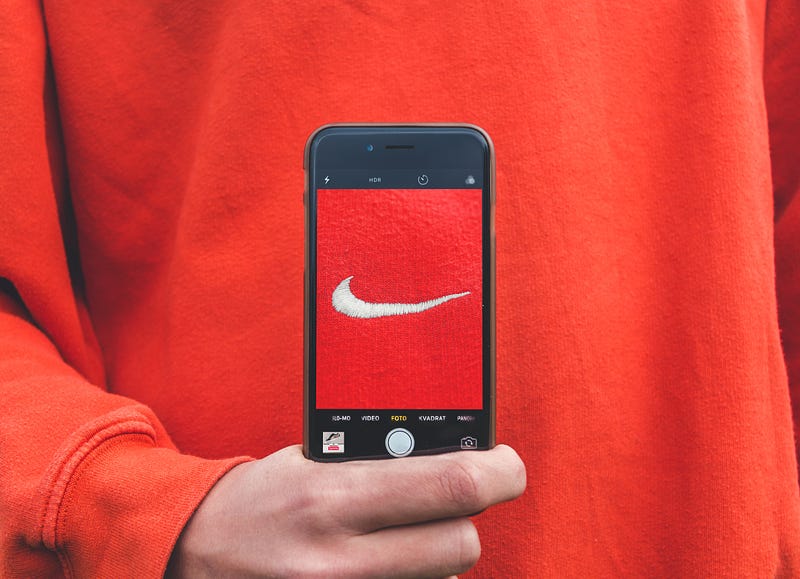
Photo by Kristian Egelund on Unsplash

Many people associate a brand with a logo or a name, but a logo is not a brand. People often use these terms interchangeably, and although the logo is often the visual symbol of a business, it is not a brand’s entirety.

‘Branding’ was initially used to describe the identifying marks burnt into the skin of livestock, slaves and criminals. Another origin of branding using Symbols such as national, religious, or guild dates back hundreds of years.

Manufacturers used modern branding dates to the industrial revolution when factories started producing goods and brands to differentiate themselves from the other manufacturers.

Simple visual branding evolved to include advertising, mascots, jingles, and other marketing techniques.

A strong brand “increases customers’ trust of invisible products, while helping them to better understand and visualise what they are buying.” (Berry, 2000)

The brand defines everything about our business.

It is the promise to consumers about our products or services. Everything contributes to customers’ opinions and feelings about our company: our reputation, how people recognise us, and what distinguishes us from competing offerings.

Everyday interactions our brand has with consumers, from the website to salespeople, to customer support to advertising. It is all the brand.

CEO of Amazon Jeff Bezos once famously said that our brand is what other people say about you when you are not in the room.

Objectives of a Brand Identity

A brand’s identity supports our marketing strategy visually to differentiate it from competitor products/services. Colours, imagery, and communication style represent who the brand is and becomes a template for the marketing’s look and feel.

This identity shapes consumers’ long-term perceptions of our brand and its positioning in the market.

Positioning communicates a brand’s value — how it’s unique and how you want customers to feel, to distinguish the brand consumers’ minds.

Creating a Brand Personality

Every brand should reflect individual personality traits to humanise it, making it easier for customers to relate to them. Brand messaging in marketing communicates in a personal voice to establish a unique personality.

“A brand’s personality provides a richer source of competitive advantage than any functional feature can.” (Sherrington, 2003)

Examples of personality traits are:

  • innovative
  • socially conscious
  • trustworthy
  • friendly
  • nostalgic
  • luxury
  • cool
  • socially conscious

Examples of personalities for product types are ‘tough’ for an off-road vehicle or ‘fit’ for sportswear.

The brand positioning should complement this personality — which is how consumers perceive the brand against its competitors.

The positioning includes the brand promise — its unique selling proposition and brand values, guiding a firm’s decision-making.

“A unique set of brand associations enable a brand to develop a rich and clear brand identity. While some customers may attach greater importance to functional benefits, emotional value helps the brand stand above others.” (Ghodeswar, 2008)

Forming Brand Associations

Brands create personality characteristics that they want customers to associate with their brand. However, the associations a brand creates through its brand identity are not always perceived the same way by customers.

Customer assessments and opinions of a brand become the anchor for their associations of what a brand represents. New associations are continuously made with brands, simultaneously with each interaction, evaluated against consumers’ values and lifestyles.

The content we create and share on our social media influences perceptions of our brand. It defines us.

If you share boring content and talk about yourself all the time, that is the brand people will associate with you.

Associations can be how our brand looks, feels, and speaks to people. Even how it tastes, feels, sounds, and smells.

These assessments are evaluated against a consumer’s personal and cultural values. When people have an unfavourable experience, they correlate that negative experience with everything associated with that brand.

Why is having a unique brand identity important?

A well-researched and distinct brand identity should be the foundation of any successful business.

“A brand tends to have a strong and attractive identity when the identity is more distinctive and more prestigious.” (He, Li, & Harris, 2012)

A brand identity aims to influence customer perceptions of the brand and its products or services. A strong brand identity increases the target market’s awareness of the brand.

Brand awareness is a customer’s ability to identify a brand in a saturated market. If brand awareness is high and customers trust the brand, companies gain a competitive advantage and enhance their brand value.

Having a strong brand identity means consumers are more likely to develop an emotional connection with the brand, forming a stronger customer-brand relationship and encouraging loyalty.

“Brand identity management should be the starting point of integrated marketing communications for the purpose of building brand loyalty.” (He, Li, & Harris, 2012)

Credibility and Trust

A strong brand establishes trust and credibility with customers and prospective customers.

Photo by Brett Jordan on Unsplash

Brand identity makes a brand more memorable and increases its authority in the marketplace. Thus, having a strong identity can create new product rollouts more successful because of the trust customers have in the brand.

Strong brand identity will attract people who resonate with what a brand offers and what it stands for, creating a brand community. Community gives people a strong sense of belonging by satisfying customers’ symbolic needs.

However, if a brand identity does not match the brand image, it can negatively affect consumer perceptions of their brand.

Brands must invest in themselves to live up to their promise if they want customers to trust them.

One brand that does this well is Apple.

Apple’s brand identity and brand image are closely aligned. Apple is very deliberate in creating hype to release their new products to generate excitement from customers.

They position themselves as a premium offering due to their investments in modern technologies and often bring these to the market first.

“A strong brand identity that is well understood and experienced by the customers helps in developing trust which, in turn, results in differentiating the brand from competition.” (Ghodeswar, 2008)

How to create an identity for our brand

Businesses should create a brand identity that represents who they are.

Creating a brand is more than just picking a few colours and creating a logo. Approach branding strategically — We need to stand out amongst the competition and capture our target market’s attention.

Through creating differentiation, our brand becomes more visible, relevant, unique, distinct and memorable.

Our brand should be cohesive and translatable across communication platforms and be flexible enough to evolve with the brand and be easy for designers to apply.

“Building brand associations requires a company to understand its brand as well as competitors’ brands through customer research.” (Ghodeswar, 2008)

Analyse our firm, the market and the competition

Creating a brand identity requires an analysis of our firm and the marketplace.

Firstly, what are the company’s vision and goals?

What makes it unique?

When a firm understands what they stand for and what they want to communicate, it can design its brand identity.

Through market research, firms can understand how the brand is perceived.

Talk to customers. What do they think the brand stands for?

Our brand identity is also informed by what customers want to engage with; our identity must resonate with them. Therefore, it is essential to understand our buyer personas.

Talk to customers through surveys, focus groups, and one-on-one interviews.

It is also essential to understand their competitive landscape or risk blending in. Find out what (if any) is the difference between our brand and the competition.

“Brand identity is based on a thorough understanding of the firm’s customers, competitors, and business environment.” (Ghodeswar, 2008)

Consistency

Consistency in marketing communications leads to consistent brand identity.

Our brand’s appearance should always be cohesive and consistent across the business. Each piece complements the brand identity.

Components such as:

  • Logo
  • Design and Colours
  • Typography (fonts)
  • Photography, illustration and data visualisation such as infographics
  • Video and motion
  • Web design
  • Packaging
  • Tone and language
  • Other marketing such as social media
  • Employee communication and customer service

Every element needs to support the overall message and business goals.

Photo by Balázs Kétyi on Unsplash

Visuals

The brand personality, goals, and values should be translated into visual concepts to communicate. How much visual impact a brand makes can increase the likelihood of being remembered.

  • The logo is the most recognisable part of a brand — it is the face of our business. A logo should become synonymous with our brand; it must be unique.
  • Online, any marketing content is ‘the brand’. Every piece of content defines it. Great content, great brand. Boring content, boring brand.
  • Use language and a tone to match the personality of our brand. For example, if our brand identity is of a premium offering, use professional language.
  • Colour is a tool to differentiate our brand from the alternatives, but it can also elicit strong emotions. Brands should create a unique colour palette of one main colour, two primary colours and two accent colours. It provides you with variety while remaining true to the brand identity.
  • A brand should use the same fonts as often as possible. Limit the number of font families to two or three. There is usually one primary font and then a couple of secondary brand typefaces. Use these fonts consistently across the logo, website, advertising, and any documents such as letters and emails.

Final Words

In summary, our brand identity is how you want to be recognised and remembered.

This article has explored how marketing creates a brand identity, influencing consumers’ perceptions of the brand.

I have discussed tactics to create a brand identity to stand out amongst the competition. Standing out means you are more likely to be remembered — hopefully attracting more customers!

Thanks for reading.

If you enjoyed this article, you might enjoy this content about positioning.

Read More Medium Articles

Non-Medium members can only read 3 articles a month.

Become a Medium Member for unlimited access to my content and articles from thousands of other writers, for just $5 a month.

Subscribe to be notified when I publish new content.

Branding
Business
Strategy
Marketing
Startup
Recommended from ReadMedium