
Strength in Unity: The Role of Forgings in Building Robust Engineering Structures
The construction of robust engineering structures stands as a testament to human ingenuity and engineering prowess. These structures, ranging from towering skyscrapers to intricate bridges and massive industrial facilities, serve as the backbone of modern society, facilitating transportation, shelter, and the production of essential goods. Ensuring the strength, durability, and safety of these structures is of paramount importance, and at the heart of this endeavour lies the indispensable role of forgings.
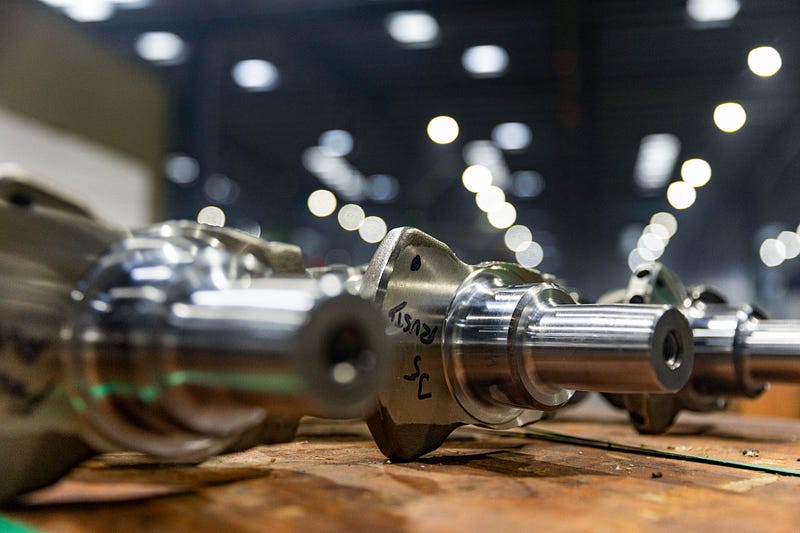
Forgings, metallurgical components created through a meticulous shaping and compression process, have emerged as the cornerstone of engineering excellence. In this ever-evolving world of technology and innovation, the significance of forgings in building robust engineering structures cannot be overstated. They possess a unique combination of attributes that make them the material of choice in numerous industries, from aerospace to oil and gas, from construction to automotive manufacturing.
This article embarks on a journey to explore the multifaceted role of forgings in engineering structures. We will delve into their unmatched strength, customizability, resistance to fatigue and corrosion, as well as their contributions to safety, sustainability, and energy efficiency. As we navigate through the intricacies of this topic, we will uncover how forgings are not just components but the very building blocks that underpin the resilience and longevity of our modern engineering marvels.
The Role of Forgings in Building Robust Engineering Structures
Engineering structures are the backbone of modern society, enabling the development of infrastructure, transportation systems, and industrial facilities. The durability, strength, and reliability of these structures are paramount to ensure the safety of people and the efficiency of various industries. One crucial element that plays a pivotal role in constructing robust engineering structures is forgings. Forgings are metallurgical components that offer exceptional strength, resilience, and performance, making them indispensable in various applications across multiple industries. In this article, we will delve into the significance of forgings in building robust engineering structures and explore the various advantages they bring to the table.
- Enhanced Strength & Durability
Forgings are created through a forging process that involves shaping and compressing hot or cold metal into the desired form. This method imparts superior strength to the forged components, making them capable of withstanding heavy loads, extreme temperatures, and harsh environments. As a result, forgings are often used in critical structural components of engineering structures such as bridges, skyscrapers, and industrial machinery. Their high tensile and impact strength ensure the longevity and safety of these structures, reducing the risk of catastrophic failures.
- Customizability & Precision
Forgings can be tailored to meet the specific requirements of engineering structures. Manufacturers can control the size, shape, and mechanical properties of forgings to match the exact needs of a project. This level of customizability allows engineers to design components that fit seamlessly into complex structures, ensuring efficient load distribution and optimal performance. Furthermore, forgings can be machined to precise tolerances, reducing the need for additional machining processes and minimizing material waste.
- Resistance to Fatigue
Engineering structures often experience cyclic loading, which can lead to material fatigue and, ultimately, structural failure. Forgings exhibit exceptional resistance to fatigue due to their refined grain structure and absence of internal voids or porosity. This fatigue resistance is vital for structures subjected to repetitive stress, such as aircraft components, offshore drilling equipment, and industrial machinery. The durability of forgings in such applications reduces maintenance costs and enhances the safety of operations.
- Improved Corrosion Result
Corrosion is a significant concern for engineering structures, especially those exposed to harsh environmental conditions or corrosive substances. Forgings can be made from materials with excellent corrosion resistance, such as stainless steel, nickel alloys, and titanium. This inherent corrosion resistance extends the lifespan of components and structures, reducing the need for frequent repairs or replacements. Moreover, forgings can be coated or treated with protective finishes to further enhance their corrosion resistance, ensuring long-term structural integrity.
- Safety & Reliability
The safety of engineering structures is paramount, as any failure can have severe consequences. Forgings play a crucial role in enhancing the safety and reliability of these structures. Their superior material properties and consistent quality ensure that critical components can withstand extreme conditions without compromising safety. Whether in the aerospace industry, oil and gas exploration, or the construction of high-rise buildings, forgings contribute to the overall reliability of engineering structures, protecting lives and investments.
- Weight Reduction
In many engineering applications, weight is a critical factor. Forgings offer an excellent strength-to-weight ratio, allowing engineers to design lightweight structures without sacrificing durability and performance. This weight reduction has significant implications for industries such as aerospace, where fuel efficiency is paramount. Forged components, such as aircraft landing gear, engine parts, and structural elements, help reduce the overall weight of aircraft, leading to lower operating costs and reduced environmental impact.
- Energy Efficiency
Efficiency is a key consideration in engineering structures, especially in industries like automotive manufacturing and energy production. Forgings contribute to energy efficiency by reducing friction and wear in moving components. Their superior surface finish and dimensional accuracy ensure a tight fit between parts, minimizing energy losses due to friction. This efficiency improvement is crucial in reducing energy consumption and operational costs across various sectors.
- Sustainability
Sustainability is an increasingly important aspect of engineering and construction. Forgings align with sustainability goals due to their durability and longevity. By reducing the frequency of component replacements and maintenance, forgings help minimize material waste and energy consumption. Additionally, the use of forgings in lightweight applications contributes to the reduction of greenhouse gas emissions, as seen in the automotive and aerospace industries.
Conclusion
In conclusion, forgings play an integral role in building robust engineering structures across various industries. Their enhanced strength, durability, and resistance to fatigue and corrosion make them invaluable for critical applications where safety and reliability are paramount. Furthermore, forgings offer customizability, precision, and energy efficiency benefits, contributing to the overall efficiency and sustainability of engineering projects. As technology advances and industries continue to evolve, the importance of forgings in constructing robust engineering structures is expected to grow, ensuring the safety and longevity of infrastructure and industrial facilities for generations to come.


