
Windmill Application Analysis: Common Uses and Preventive Measures
Windmills, the iconic structures harnessing the power of the wind to generate renewable energy, have become integral components of our modern-day sustainable energy landscape. These engineering marvels, though highly reliable and efficient, are not immune to occasional failures. One critical aspect in preventing windmill failures lies in the thorough analysis of potential weak points, with the crankshaft being a crucial component under scrutiny.
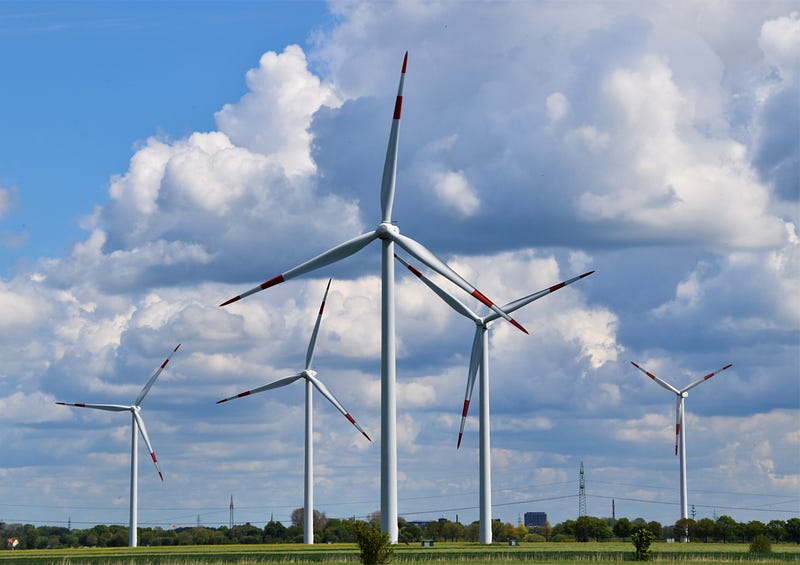
Failure analysis plays a pivotal role in identifying the causes and modes of windmill crankshaft failure. Understanding the factors that contribute to these failures is essential for the wind energy sector to enhance the reliability and lifespan of these systems.
One of the primary causes of crankshaft failure in windmills is fatigue failure. The repetitive loading and unloading of the shaft due to varying wind speeds lead to the accumulation of stress cycles over time, eventually leading to failure. Consequently, analyzing fatigue failure modes becomes essential in devising preventive measures to mitigate such failures.

Automobile industries have long been acquainted with the study of crankshaft failures, and their experiences can provide valuable insights into windmill crankshaft performance. By drawing parallels between the two applications, researchers and businesses can develop robust preventive measures and enhance the overall reliability of windmill systems.
In this blog, we delve into the various causes and modes of crankshaft failure in windmills, exploring fatigue as a prominent factor. Moreover, we highlight preventive measures and engineering solutions to prolong the operational life of windmills, contributing to a greener and more sustainable future. Let’s uncover the intricacies of windmill application analysis and the critical importance of failure prevention for the advancement of renewable energy technologies.
Windmill Application Analysis: Common Uses and Preventive Measures
Windmill technology has evolved significantly over the years, from its traditional role in milling grain to its modern applications in renewable energy generation. Windmills, also known as wind turbines, harness the kinetic energy of wind to produce mechanical power, which is then converted into electricity. This technology has gained prominence as a clean and sustainable energy source, contributing to the reduction of greenhouse gas emissions and reliance on fossil fuels. In this analysis, we will delve into the common uses of windmills and the importance of preventive measures in their manufacturing and operation.
Common Uses of Windmill
#1 Electricity Generation
One of the primary applications of windmills is electricity generation. Wind turbines are strategically placed in wind-rich regions, both onshore and offshore, to capture the kinetic energy of wind and convert it into electrical energy. This energy can be integrated into power grids to supply electricity to homes, businesses, and industries. The clean nature of wind energy makes it an attractive option for reducing the carbon footprint of energy production.
#2 Water Pumping
Windmills have historically been used for water pumping in areas where a reliable source of water is essential for agriculture and human consumption. A crankshaft-driven mechanism transfers the rotational energy from the wind turbine to a pump, lifting water from wells or reservoirs. This application is particularly valuable in remote or arid regions where conventional power sources might be scarce.
#3 Mechanical Power
Windmills have played a significant role in providing mechanical power for various industries, especially in the past. Industries such as grain milling, sawmills, and textile manufacturing have relied on windmills to drive mechanical systems through the use of crankshaft technology. While this application has diminished with the advent of more efficient technologies, it remains a part of windmill history.
Crankshaft Manufacturing and Materials

Crankshafts are crucial components in windmill technology, especially in applications involving mechanical power generation. A crankshaft is a mechanical device that converts linear motion into rotational motion. It plays a pivotal role in the transformation of the irregular motion of the wind turbine’s blades into the steady rotational motion needed for various applications.
#1 Crankshaft Materials
The choice of materials for crankshaft manufacturing is vital for ensuring durability, efficiency, and longevity. Common materials used include forged steel, nodular cast iron, and, in some advanced cases, high-strength alloys. These materials are selected based on their fatigue resistance, strength, and ability to withstand the cyclic loads experienced during operation. The manufacturing technology employed for crankshafts also affects their performance.
#2 Residual Stress and Manufacturing Technology
The manufacturing process of crankshafts involves various stages, including forging, heat treatment, and machining. Residual stresses can develop during these processes due to non-uniform cooling and phase transformations. These residual stresses can have a significant impact on the mechanical behaviour of the crankshaft, potentially leading to premature failures.
Manufacturers utilize advanced techniques such as shot peening to induce compressive residual stresses on the surface of the crankshaft. This helps counteract the tensile stresses that can lead to fatigue cracks and failures. By introducing compressive stresses, the component’s fatigue life can be extended, enhancing its reliability and performance.
Preventive Measures in Windmill Operation
#1 Regular Maintenance
Windmills require periodic maintenance to ensure optimal performance and prevent unexpected breakdowns. This includes inspecting and lubricating mechanical components, such as the crankshaft, gearbox, and bearings. Scheduled maintenance can detect early signs of wear and address them before they escalate into major issues.
#2 Condition Monitoring
Implementing condition monitoring systems can provide real-time data on the health of critical components. Vibration analysis, oil analysis, and temperature monitoring can help identify abnormalities and deviations from normal operation. By detecting these issues early, operators can take corrective actions to prevent costly downtime.
#3 Environmental Considerations
Windmill placement is crucial for maximizing energy capture and minimizing wear and tear on components. Environmental factors, such as wind patterns and turbulence, must be carefully assessed during the planning phase. Proper site selection can reduce the load on the crankshaft and other components, extending their lifespan.
Windmill technology has evolved beyond its traditional uses to become a cornerstone of renewable energy generation. From electricity production to water pumping and mechanical power, windmills offer versatile applications with substantial environmental benefits. The manufacturing of key components like crankshafts involves careful material selection and stress management to ensure reliability. By implementing preventive measures, such as regular maintenance and condition monitoring, the longevity and efficiency of windmill systems can be enhanced, contributing to a more sustainable energy future.
Conclusion
In conclusion, the application analysis of windmills and the implementation of preventive measures are essential aspects of ensuring the long-term success and sustainability of renewable energy systems. Through failure analysis, you can gain valuable insights into the causes and modes of crankshaft failures in windmills, allowing for targeted solutions to be implemented.
Fatigue failure emerges as a primary concern due to the cyclic loading experienced by windmill crankshafts under varying wind speeds. Drawing from the experiences of the automobile industry in crankshaft failure analysis provides a wealth of knowledge and best practices that can be adapted and applied to wind energy systems.
The various modes of failure analysis, including structural, material, and environmental analysis, provide a comprehensive view of the health and performance of windmills. Armed with this information, firms can make informed decisions on design improvements, material selections, and environmental considerations.
To prevent crankshaft failure, a multi-faceted approach is crucial. Enhanced designs and material selections, along with regular maintenance and inspections, help detect potential issues early on. The implementation of condition monitoring and predictive maintenance further bolsters the windmill’s reliability, minimizing downtime and reducing maintenance costs.
Effective load management strategies play a pivotal role in mitigating fatigue failure, ensuring that windmills operate efficiently and reliably under various wind conditions.
In summary, by prioritizing failure analysis and preventive measures, the wind energy sector can forge ahead with confidence, contributing to a cleaner and greener energy future. As advancements in technology continue, so does our ability to optimize windmill performance, harness the full potential of renewable energy sources, and work towards a more sustainable and eco-conscious world.
If you’d like to support me and my writing, please consider becoming a Medium member using my link. For $5 a month, you will have unlimited access to my stories and others, and I’ll earn a small commission too.


