
The Evolution of Crankshaft Manufacturing: From Traditional Methods to Advanced Techniques
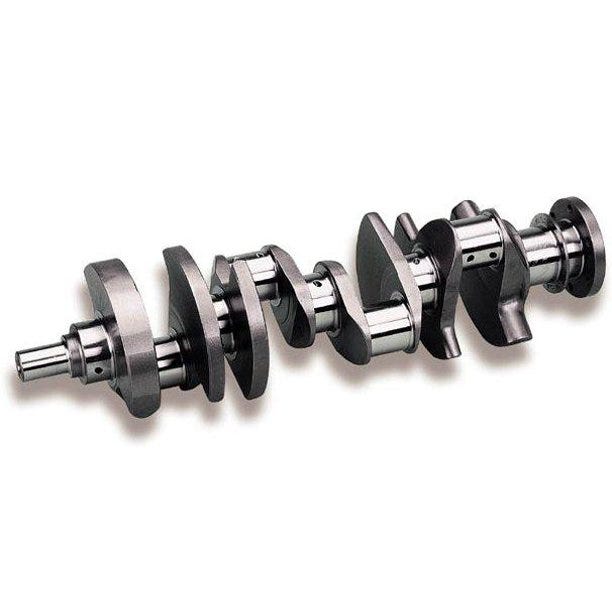
Crankshafts are critical components in engines that convert reciprocating motion into rotational motion, powering various machines and vehicles. Over the years, the manufacturing of crankshafts has undergone significant transformations, transitioning from traditional methods to advanced techniques. In this article, we will explore the various machining methods used in crankshaft manufacturing, highlighting the shift from traditional processes to modern manufacturing processes.
Traditionally, crankshafts were manufactured using forging methods, which involved shaping the crankshaft by applying heat & force to the raw material. While this method served its purpose, it had limitations in terms of cycle time, residual stress, and waste material. Moreover, the traditional methods of manufacturing crankshafts required extensive finishing operations, resulting in longer material time and increased costs.
However, with the advent of technological advancements in manufacturing, innovative techniques have emerged that revolutionized crankshaft production. Advanced machining methods such as computer numerical control (CNC) machining, precision grinding, CBN Grinding Technology and automated processes have significantly improved the efficiency, accuracy, and overall quality of crankshaft manufacturing. These modern techniques allow for precise shaping, reduced cycle times, and better control over residual stresses, resulting in stronger and more durable crankshafts.
In this blog post, we will delve into the evolution of crankshaft manufacturing, exploring the benefits and advancements brought about by advanced machining methods. We will discuss the advantages of using these technological approaches, including improved productivity, enhanced material utilization, and reduced waste material. So, let’s dive into the fascinating world of crankshaft manufacturing and explore how traditional methods have given way to cutting-edge techniques that shape the engines of today and tomorrow.
Evolution of Crankshaft Manufacturing
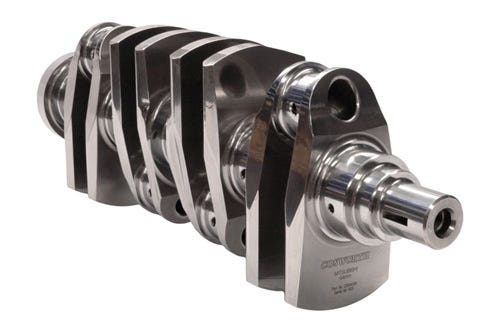
Crankshafts play a crucial role in engines, converting reciprocating motion into rotational motion and powering a wide range of machines and vehicles. The manufacturing of crankshafts has undergone significant transformations over the years, transitioning from traditional methods to advanced techniques. In this article, we will explore the various machining methods used in crankshaft manufacturing, highlighting the shift from the traditional process to modern manufacturing processes.
#1 Traditional Method of Crankshaft Manufacturing
Traditionally, crankshafts were manufactured using forging methods. This involved shaping the crankshaft by applying heat & force to the raw material. The forging process required skilled craftsmen who meticulously shaped the crankshafts through a series of hammer blows. While this method served its purpose for many years, it had limitations in terms of cycle time, residual stress, and waste material.
One of the major drawbacks of the traditional methods of manufacturing crankshafts was the extensive finishing operations required. After the forging process, the crankshafts had to undergo machining operations to achieve the desired specifications. This added significant material time and increased costs. Additionally, the traditional forging process often resulted in residual stresses within the crankshaft, which could potentially compromise its strength and durability.
#2 The Shift toward Advanced Machining Techniques
With the advancement of technology and manufacturing processes, innovative techniques have emerged that have revolutionized crankshaft production. One such technique is crankshaft machining, which has gained popularity in recent years due to its numerous benefits over traditional methods.
Crankshaft machining involves the use of computer numerical control (CNC) machines to shape the crankshaft with precision. CNC machining allows for automated and highly accurate operations, resulting in crankshafts that meet strict tolerances and specifications. This technology has significantly improved the efficiency and quality of crankshaft manufacturing.
#3 The Benefits of Advanced Machining Techniques
The shift towards advanced machining techniques in crankshaft manufacturing has brought about several benefits. One of the key advantages is the reduction in cycle time. CNC machines can perform multiple operations simultaneously, drastically reducing the time required to manufacture a crankshaft. This increased efficiency translates to cost savings for manufacturers and shorter lead times for customers.
Furthermore, advanced machining techniques have enabled better control over residual stresses. CNC machines can precisely control the cutting forces and speeds, minimizing the introduction of residual stresses during the machining process. This results in stronger and more reliable crankshafts, capable of withstanding the demanding conditions of modern engines.
Another significant advantage of advanced machining techniques is improved material utilization. Traditional forging methods often resulted in a considerable amount of waste material due to the need for extensive machining and finishing operations. With CNC machining, the raw material can be shaped with greater accuracy, minimizing the amount of waste generated. This not only reduces costs but also has a positive environmental impact by reducing overall material waste.
Additionally, advanced machining techniques have allowed for the integration of various manufacturing processes into a single setup. CNC machines can perform multiple operations, such as milling, drilling, and grinding, in a single setup. This eliminates the need for multiple machines and manual handling of the crankshaft during different stages of manufacturing. The integration of processes not only improves efficiency but also ensures greater consistency in the final product.
Conclusion
The evolution of crankshaft manufacturing from traditional methods to advanced techniques has revolutionized the industry. The shift towards advanced machining techniques, such as CNC machining, has brought about numerous benefits, including reduced cycle time, better control over residual stresses, improved material utilization, and the integration of multiple processes. These advancements have led to the production of stronger, more durable, and higher-quality crankshafts that meet the stringent requirements of modern engines.
As technology continues to advance, we can expect further refinements and innovations in crankshaft manufacturing. The ongoing research and development in materials, machining processes, and automation will continue to push the boundaries of what is possible. Crankshafts will play a vital role in the future of transportation, and the manufacturing techniques used to produce them will continue to evolve to meet the ever-increasing demands of the industry.
In conclusion, the evolution of crankshaft manufacturing is a testament to the power of technological advancements in driving progress and improving efficiency in the manufacturing sector. By embracing advanced machining techniques, manufacturers can produce crankshafts that are not only of higher quality but also more cost-effective and environmentally sustainable. The journey from traditional methods to advanced techniques has paved the way for a brighter future in crankshaft manufacturing, where precision, efficiency, and innovation go hand in hand.
If you’d like to support me and my writing, please consider becoming a Medium member using my link. For $5 a month, you will have unlimited access to my stories and others, and I’ll earn a small commission too.