Starbucks is Leaving Russia.. And Reopening in Moscow under a New Brand
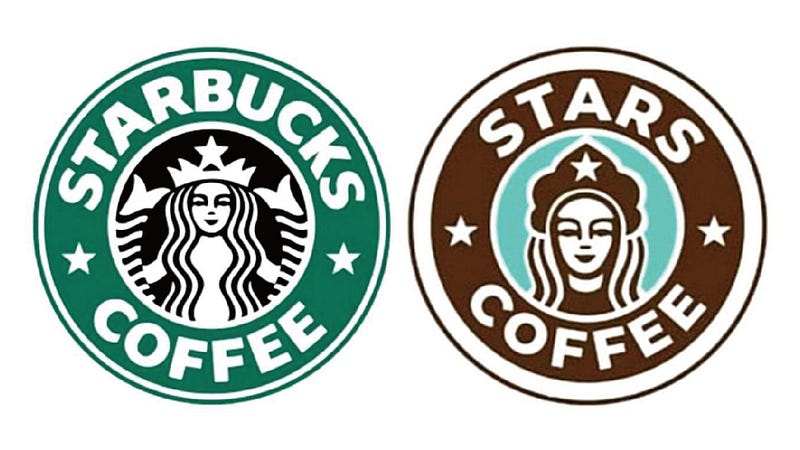
In an earlier article about the McDonald’s reopening in Russia, we looked in detail at the double standards of Western companies that have officially announced their withdrawal from the Russian market, while maintaining their presence and business interests here. Unexpectedly this article quickly went viral and received a great response. Now we continue our research and turn to the no less interesting “Starbucks case”.
Like many other international companies, Starbucks closed its coffee shops in Russia after the outbreak of war in Ukraine in February 2022 and announced plans to leave the Russian market.
Starbucks Corporation, which opened its first coffee house in Russia in 2007, suspended all operations in March, after Russia invaded Ukraine. As the United States and its allies responded to Putin’s invasion with an unprecedented wave of economic sanctions, many companies like Starbucks faced public pressure to cut all business ties with Russia.
From Starbucks’ May 23 official statement:
We have suspended all business activity in Russia, including shipment of all Starbucks products. Starbucks has made the decision to exit and no longer have a brand presence in the market. We will continue to support the nearly 2,000 green apron partners in Russia, including pay for six months and assistance for partners to transition to new opportunities outside of Starbucks.
The sale of the business in the Russian Federation to a new owner in these conditions looked like an absolutely logical step. The difficulty was to preserve not only the reputation, but also their business interests in the country and the ability to return to the market if conditions were more favorable.
On July 15, 2022, it was announced that a group of investors, including restaurateur Anton Pinsky, would co-own Starbucks coffeehouses in Russia. The deal was due to be completed on July 30, 2022. Forbes Russia did not report anything about the amount of the deal or its detailed conditions.
Starbucks declined to comment on the Forbes story, but referred to an earlier statement in which it said the company had made the decision to exit and no longer had a brand presence in the market.
However, as it turned out, leaving the Russian market is a very long and ambiguous process. Seattle-based American company said it would exit the Russian market after nearly 15 years. These are the terms of the deal. It was reported that Starbucks had 130 stores in Russia, with nearly 2,000 employees in the country. With the hope of returning in the future, the company is handing over all its coffee shops to the new owners as well as the responsibility for its employees.
Russian restaurateur Anton Pinskiy, who reportedly leads a triumvirate of investors has already become the new happy co-owner of Starbucks in Russia. He decided to partner up with pro-Putin rapper Timati and the Sindika holding company, associated with the Russian oligarchy. Anton Pinskiy is not a widely known figure in media space, except for his statements on Instagram, where he actively supports the “special military operation” in Ukraine.
Russian state media later linked Russian Senator Arsen Kanokov, a member of Putin’s United Russia party and former head of the Caucasian Kabardino-Balkarian Republic, to the deal. Arsen Kanokov is the owner of the Sindika holding company and has been a successful Russian entrepreneur for 30 years. Mr. Kanokov has been on the list of Russian billionaires (top 500) since at least 2011.
The deal to acquire the Russian business of the Starbucks chain was completed on July 30. This was announced by one of its new owners, pro-Putin rapper Timati (his real name is Timur Yunusov). According to Timati, he and restaurateur Anton Pinsky purchased all of Starbucks’ assets in Russia.
Timati, unlike Anton Pinsky and Arsen Kanokov, is a real Russian media star. He is a rather toxic and controversial figure in Russia’s rap scene, consistently promoting pro-Kremlin narratives in his music. For example, his song released in the wake of Moscow protests that declared “my best friend is President Putin” in its opening lyrics was widely derided to the point that it became the most disliked video on Russian YouTube.
He is also a well-known businessman who owns a chain of burger restaurants. But as businessman, he was never as successful as a rapper. Timati’s music at concerts in support of Vladimir Putin and Russian official politics has earned Timati a notoriety as a paid puppet of the Kremlin in the Russian media space. However his main audience is mostly teenagers and young people, over whom the Russian authorities have always had little influence. Paid bloggers, rappers, musicians, and entrepreneurs working with this audience are extremely valuable to the Kremlin. The purchase of Starbucks, whose main customers are also young people and office workers aged 25–30, looks like an absolutely logical move in this case.
The replacement of world famous international brands leaving Russia with new “national” brands controlled by the Russian government and oligarchy looks like a Russian asymmetric response to Western economic sanctions. Many young people in Moscow who were disappointed when Starbucks closed its coffee shops after Vladimir Putin sent troops into Ukraine may now feel a caffeine jolt of hope: a nearly identical coffeehouse is opening in the capital. This is a mutually beneficial process, as Western corporations often transfer their business to fake owners, retaining the ability to return at any time.
A similar deal was struck by McDonald’s, which sold its Russian assets to businessman Aleksandr Govor. The restaurants began reopening in June under a new name that translates as “Just Tasty”. Many observers joked that Starbucks may soon be known as “Just Coffee” in Russia. For that reason Timati himself assured that “no monstrous rebranding is expected.”
He lied hopelessly. The American coffee chain Starbucks is now called Stars Coffee in Russia. Particularly impressive is the new company logo, which depicts the traditional Starbucks mermaid in the Russian national headdress — a kokoshnik. In the center of the headdress is a star (luckily, not a red one).
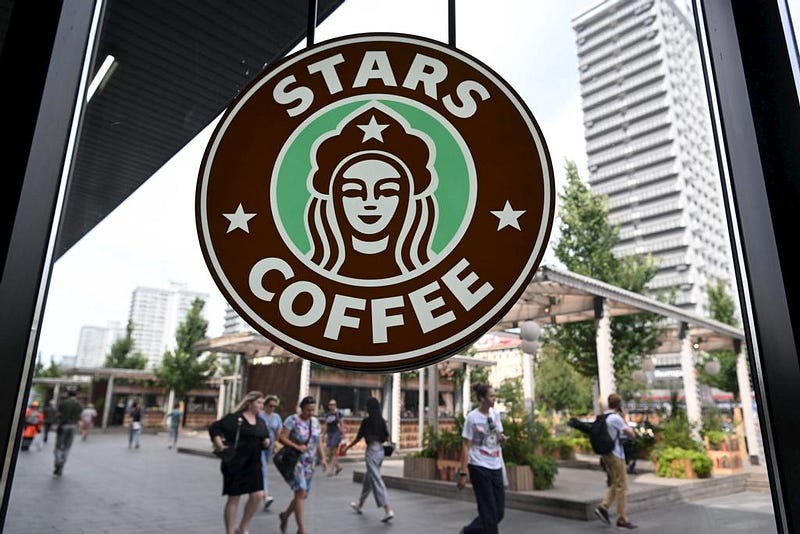
The historic day when Starbucks opened under a new brand in Russia was Thursday, August 18. The first coffee house opened in Moscow on Novy Arbat street, literally a stone’s throw from the Kremlin. The press conference to mark the opening of Stars Coffee was attended by the chain’s new owners, businessman Anton Pinsky and rapper Timati.
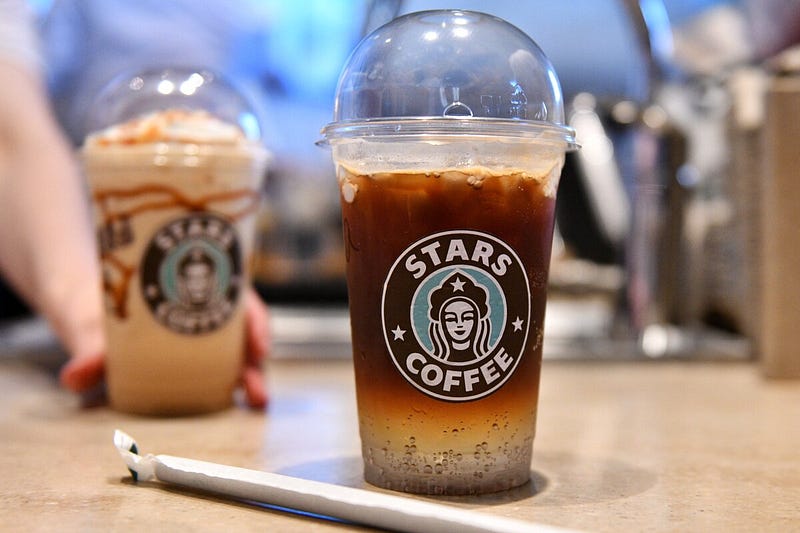
The menu, unsurprisingly, remains mostly the same. The new owners just promise to make some of the coffeeshops “premium” and sell alcohol in them. It is unlikely that this useful innovation will meet with any objections. Now, after all, it is Russian coffee.
Thank you for reading. If you want to get unlimited access to everything on Medium then click here to become a member. You will directly support my writing signing up through my link.