
Small Ways To Protect the Environment in Polluted Cities
Eco-friendly actions for difficult urban settings
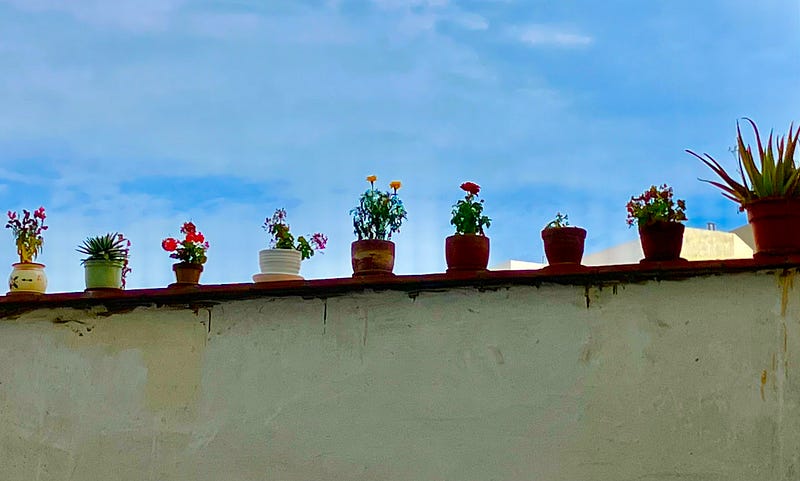
Living in Lima, Peru, pollution and sustainability issues are tough to ignore.
The city’s air quality is noticeably poor, thanks to a shockingly dry climate and total reliance on motor vehicles; the water isn’t considered safe to drink without boiling; around three-fourths of Lima’s wastewater flows directly into the Pacific Ocean, untreated; and the solid waste recycling rate is estimated at an abysmal 4%.
Amid these distressing concerns, my partner and I make an effort to reduce pollution and conserve precious resources. I would like to be making a bigger positive impact, but one must start small.
In the absence of institutional support for proper waste management and eco-friendly choices, here are a few environmentally friendly actions we take at home. These are the “extra” habits we’ve developed to go along with more general measures like avoiding single-use packaging and practicing water conservation.
Composting
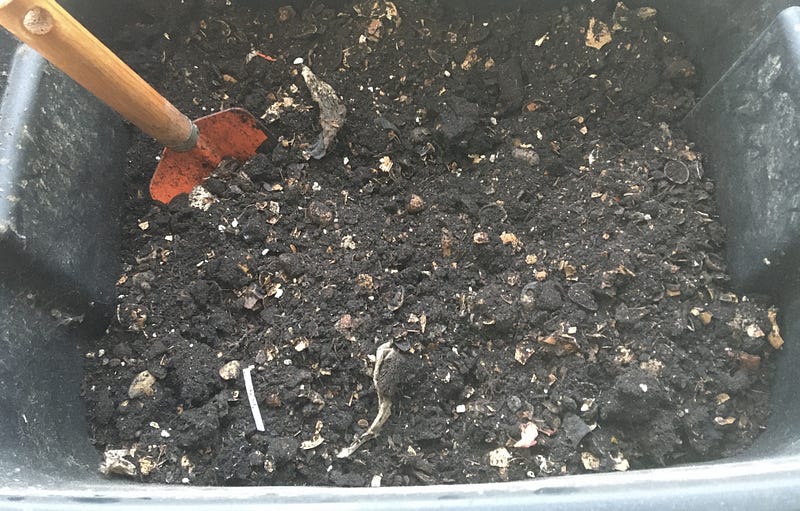
I’m super proud of our compost bin. By composting, we significantly reduce the volume we input to Lima’s overwhelmed waste management system. The city is plagued by countless illegal dumps, with several million residents living in slums that receive little or no municipal waste removal services.
In the photo above, you see what’s known as “black gold” — the finished product of composting. That photo was taken after coming home from three months of travel. While we were away, the compost completed its decomposition cycle and became usable soil.
If you have a backyard, composting can be an incredibly low-effort undertaking. In an apartment building with a tiny patio, it’s a bit trickier. To encourage rapid breakdown, we tear our material into small pieces and stir frequently. With these measures, the results are amazing. Our small bin takes nearly all of our daily fruit and veggie waste, coffee grounds, and paper coffee filters and keeps asking for more. The mass reduction that occurs during composting is miraculous — we add new material day after day and the container continuously has room to spare.
We use our finished compost as part of the soil mix for our potted plants. However, the most meaningful impact of this type of composting is the dramatic reduction in household waste that we send to landfills.
Eco-bricks
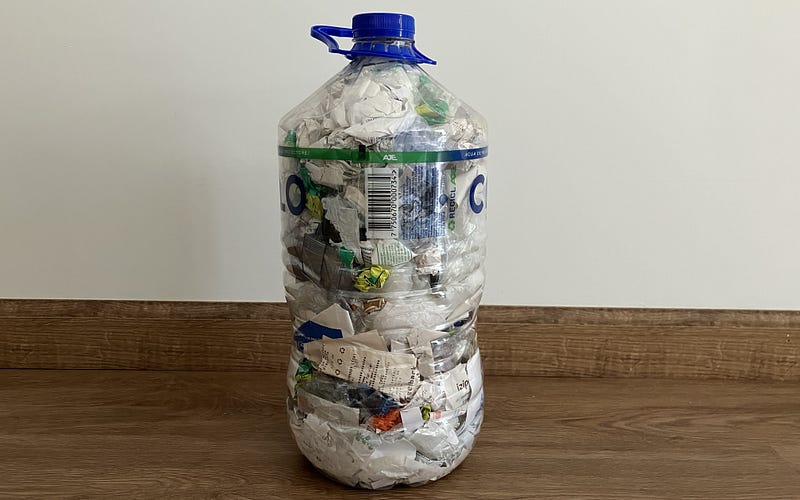
Another small step we take to manage household waste is making eco-bricks. An eco-brick is a plastic bottle stuffed with small, dry, clean bits of plastic and other non-recyclable, inorganic waste. Over the past two years, we’ve slowly filled up three of the seven-liter water jugs pictured above.
Eco-bricks don’t entirely eliminate any waste and they probably aren’t worth your time if you live somewhere that properly manages garbage. However, what an eco-brick accomplishes is compaction and sealing.
When we send a brick to the landfill, it contains thousands of individual scraps, tightly bundled to reduce mass. The material is also safely capped to prevent bits of plastic from exiting the trash stream and entering the ocean (which is right across the street) or other local habitats. This is helpful if our garbage ends up in an open dump site, rather than a modern landfill that efficiently compacts and covers material to prevent pollution.
Groups that take the eco-brick concept to the next level use them to build walls or landscaping structures. Making eco-bricks can also be an educational project to teach kids about recycling and litter.
Graywater Capture
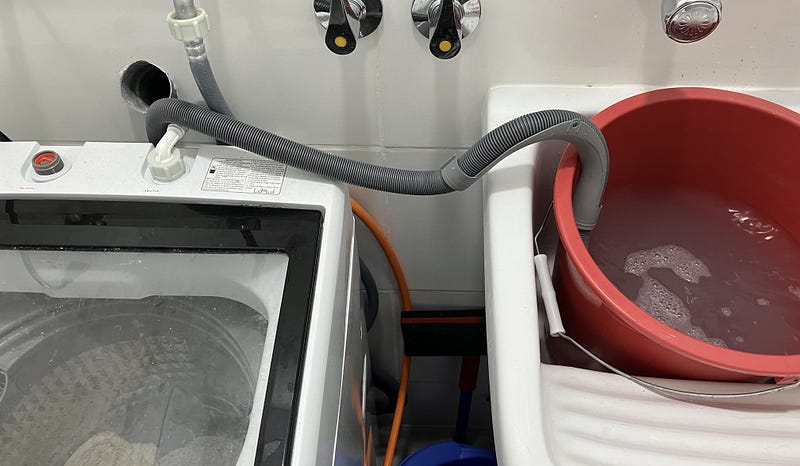
One of the most impactful habits we’ve adopted is the reuse of graywater (used household water) for toilet flushing, thus reducing our tap water use. Water conservation is especially meaningful in Lima, a desert city that receives less than one inch of rain per year.
Because our washing machine drains into a sink, we can simply use a bucket to capture the used water — no fancy equipment required. We also save the dirty water from floor mopping.
To get a second use from our graywater, we pour it into the toilet bowl for flushing. Rapidly pouring water into the bowl creates a pressure-based flush that’s just as effective as a regular flush without drawing any fresh water. This saves around two gallons of water per use.
Are Small Actions Worth The Effort?
Some say we shouldn’t fret about our personal environmental impacts because true progress can only be made by major players like national governments, big corporations, and Taylor Swift.
It’s true that the carbon footprint concept was popularized by the fossil fuel megacompany BP in a 2004 public relations campaign. The idea was to keep the public looking in the mirror rather than setting our sights on the biggest polluters.
Likewise, we’ve been lied to about plastic recycling. Yes, plastics can be recycled. But there are countless types of plastic that can’t be melted together for recycling purposes. Thus, the recycling process is so onerous that it’s usually much cheaper for manufacturers to use virgin plastics. Meanwhile, plastic producers emboss those cute little recycling logos on their products, consumers toss them into blue bins, and everybody feels content. (Note: some places are better than others at reusing and recycling plastic)
We’re manipulated and abused and there’s not much we can do about it.
Environmental despair is a logical response to our current conditions and it’s a feeling I grapple with daily. But the small actions we take at home don’t feel useless. Yes, we need China to stop building coal power plants and it would be nice if T. Swift would keep her jet in the hangar for a week or two once in a while. But the small actions of everyday people add up, too.

Read more of my environmental writing:


