
Golf Courses vs. The Environment
Major steps are needed to reduce the game’s footprint to acceptable levels.
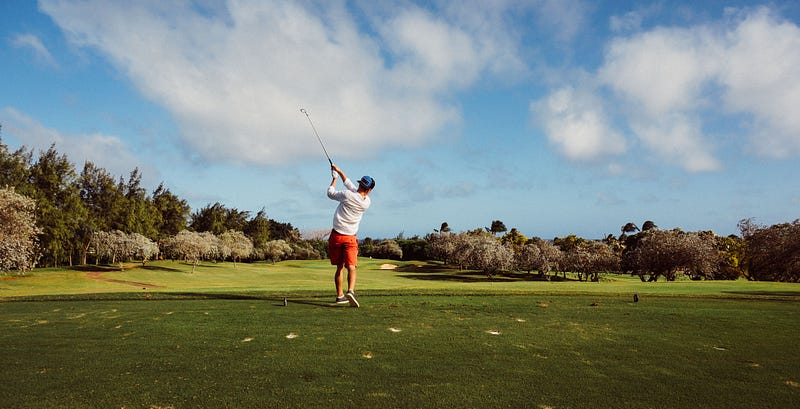
Southern California’s Coachella Valley, a “land of permanent drought,” is home to 120 golf courses. Some of these manicured desert oases guzzle one million gallons of water per day.
But the drying Colorado River and other regional water supply concerns are creating an overdue sense of urgency in the Coachella Valley golf community. The days of limitless water might be numbered.
Golf’s environmental problems are acute in California, but they’re national issues. Golf is a global sport, but the US is home to 43% of the world’s golf courses. It makes sense. Golf is the ultimate sprawling land use, and nobody sprawls like Americans.
If you put the nation’s golf courses together, they would cover an area larger than Delaware. And yet, the game’s future is not entirely secure.
These days, it’s getting harder to hide environmental injustices in plain sight. Many communities are running out of water, lacking green spaces, and in need of new housing land. Where these scarcities exist, golf courses are in peril.
For generations, the sport has more or less been given a free pass for excessive consumption. The wealthy folks who own land and make the rules love golf, and they’ve rigged the system in favor of their preferred pastime. But are changes afoot?
Who Golfs? Who Pays?
The uglier a man’s legs are, the better he plays at golf.
— H.G. Wells
During Barack Obama’s presidency, Donald Trump sent a total of 27 tweets complaining that Obama spent too much time golfing. He may have had a point: Obama golfed over 300 rounds during his two terms.
Trump promised that, as president, “I’m going to be working for you, I’m not going to have time to go play golf.”
Once in office, he golfed nearly once every five days throughout his term.
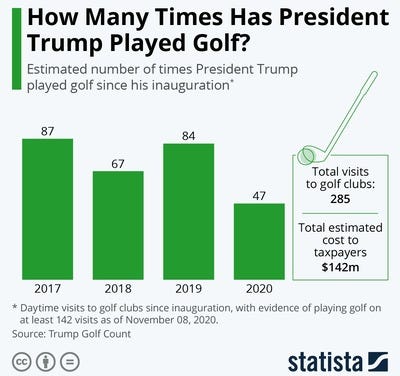
He did indeed “make time” for golf, as do many politicians, executives, and celebrities.
Among people who golf in the US:
- 78% are male
- 79% are white
Clifford Roberts — co-founder of Augusta National Golf Club, home of the Masters — once said:
“As long as I’m alive, golfers will be white and caddies will be black.”
Augusta membership is invitation-only. The club accepted its first black member in 1990 and its first female member in 2012.
While outright discrimination slowly disappears, golf remains elitist. According to the Bench Craft Company, a golf advertising firm, 91% of people who golf are homeowners and the average golfer has a net worth of over $750,000. Ninety percent of Fortune 500 CEOs are golfers.
Golf Subsidies
If golf is predominantly a rich old white man’s sport, are we at least making those guys pay for it? Not quite.
Golfing is expensive, but without some help from the public, it would be really pricy. Consider: an average golf course covers 160 acres and can only be used by around 72 players at once.
Malcolm Gladwell puts it like this:
“Can you imagine if basketball had the same population density as golf? I did the math. If basketball was played according to the geographical requirements of golf, a basketball court would be 30 acres. Picture that. They’d have to play on motorcycles.”
Throw in the massive costs of keeping the links looking gorgeous, and we have a sport that should be too expensive to exist. What’s the catch?
Part of the answer involves real estate taxes. The taxed value of a property is generally based on its “best use.” For golf club land in the middle of Los Angeles, for example, the best economic use would be housing. However, a 1960 provision in California’s constitution states that golf courses can only be taxed based on their value as golf courses. Along with a few other sweetheart rules, this provision has deprived the state of countless millions in tax revenue over the years. Arizona, Nevada, and Hawaii offer the same favor to golf clubs.
Public golf courses, meanwhile, often operate at losses. In such cases, taxpayer money directly subsidizes golfers, who make up a small (and not very needy) portion of the population. In 2020, 155 of 221 local governments that ran golf courses lost money, totaling $61 million in losses.
Golf and the Environment: Land Use
“To play golf is to spoil an otherwise enjoyable walk.”
— H.S. Scrivener
Golf courses cover 2 million acres of US land. Often, it’s incredibly high-value land. Fairways are found on prime coastal real estate, plastered over wetlands and floodplains, and crammed into cities.
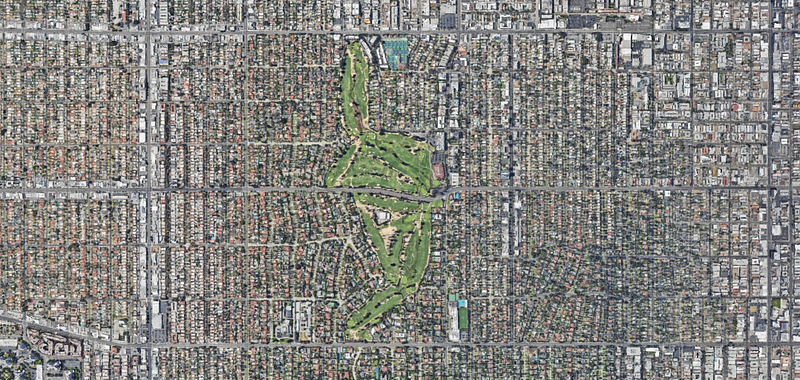
Los Angeles provides a remarkable case study. The photo above shows Wilshire Country Club, a green island in a concrete jungle. For many Angelenos living near Wilshire and other clubs, the nearest significant green space is a golf course.
Unfortunately, there isn’t much to do on the links besides playing golf — if you can get inside the grounds at all. Private clubs are gated, fenced, and hedged. You can barely even see inside, let alone dream of affording membership. LA also has plenty of affordable public golf courses, but they aren’t much use for non-golfers either.
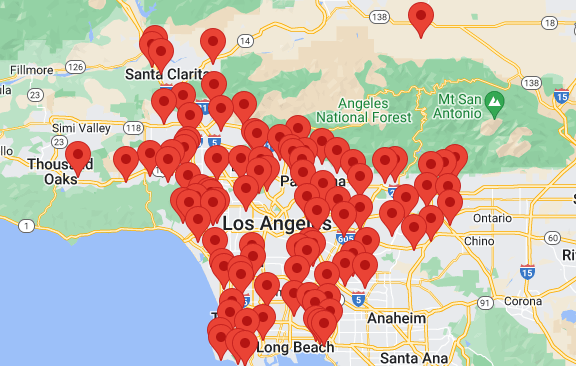
In all, Greater LA has more than 85 courses covering over 10,000 acres.
Nationwide, there are five times more golf courses than state parks and national park units combined.
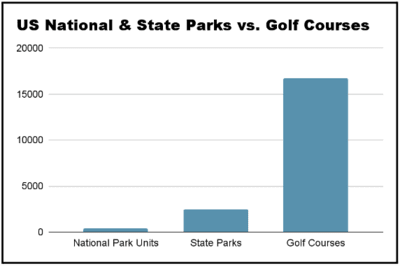
Sure, most state and national parks are much larger than golf courses. But they’re also more remote. Many Americans would pass a half dozen golf courses on their way to the nearest major park.
Golf and the Environment: Water Use
American golf courses use an estimated 1.68 million acre-feet of water per year, or around 1.5 billion gallons per day. Use varies widely, but most courses use at least 100,000 gallons per day. In dry areas, use is much higher.
According to the US Golf Association (USGA), here’s where golf courses get their water:
- 52% use ponds or lakes
- 46% use on-site wells
- 17% use rivers, streams, or creeks
- 14% use municipal water systems
- 12% use recycled water
There are always environmental costs to removing so much water from these sources, but doing so for shiny green fairways is particularly tough to justify in drought states like Utah and California.
Most courses use chemical wetting agents that reduce irrigation demand by improving water distribution. Other water conservation approaches include hand watering, drought-tolerant grass, and reducing the total irrigated area within a course.
Unfortunately, it’s generally impossible to reduce demand to reasonable levels. First of all, courses are enormous — around 160 acres on average. Secondly, the health of the grass is paramount. It needs to be incredibly dense, lush, and short, kept in a permanent state of verdant youth. That means copious amounts of water, constant mowing, and massive chemical inputs.
Golf and the Environment: Rewilding and Redevelopment
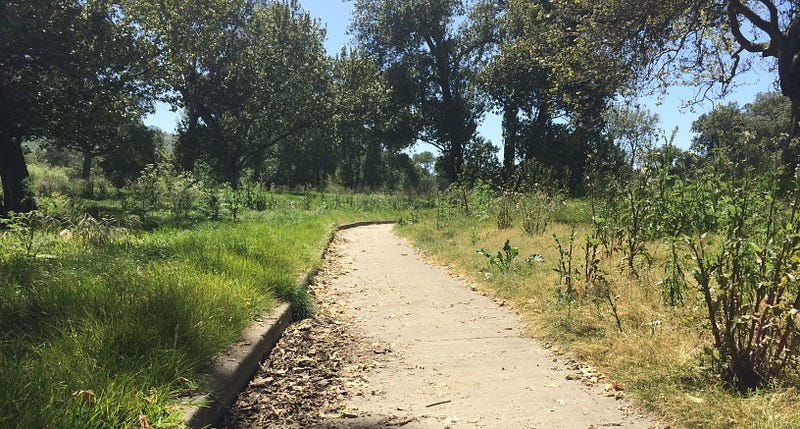
When I was employed as an environmental consultant in California, I had the privilege of working on the environmental review for Palo Corona Regional Park’s development plan in Monterey County. The park had recently acquired 140 acres of golf club land to convert into habitat and trails.
When the club’s owners chose not to renew their lease, a coalition of public and private groups purchased the land. The course was absorbed into a large network of protected areas in the gorgeous Carmel Valley. This was a win for the strained Carmel River, which had been the major water source for the irrigated fairways.
Wherever a golf course is closing, there’s an opportunity for conservation. Courses are often just outside of cities, presenting large green areas that can be converted into valuable parkland or habitat.
According to the National Golf Foundation, US golf courses have decreased in number by around 2,200 since 2006.
Since 2010, around 20 courses have been turned into parks. Noteworthy examples include:
- San Geronimo Golf Course > San Geronimo Commons, Marin County, CA; reclaimed freshwater habitats now benefit endangered salmon.
- Wildflower Golf Club > Wildflower Preserve, Charlotte County, FL; the golf club was a major source of water pollution in Lemon Bay. Now, the park’s recovering wetlands and forest provide migratory songbird habitat.
In some communities, housing is needed more urgently than parks. In a city like LA, many residents struggle to pay rent while enormous golf clubs speckle the otherwise maxed-out terrain. A redeveloped course could support thousands of housing units — with plenty of room to spare for a beautiful public park.
The Future of Golf: Righting the Wrongs
In recent years, there’s been some “golf is dying” buzz. But, every major sport endures those talks from time to time. Most indications are that golf is doing just fine. It’s rarely must-see TV for the general public, but it seems to hold timeless appeal as a social, leisurely outdoor activity.
However, the current state of golf is unsustainable, particularly regarding water use.
Some progress has been made to address the sport’s environmental woes. According to the USGA, golf courses in the US reduced water use by 29% between 2005 and 2020. More courses are using drought-tolerant turfgrass, keeping their grass drier, and adding more no-mow areas.
To reduce the game’s footprint to acceptable levels, some courses will simply have to close, particularly in water-starved western states. But from a starting point of 43% of the world’s golf courses, there will still be plenty of options for dedicated golfers. End the tax breaks, enforce reasonable water limits, and let the market adjust accordingly.