
Six of The Worst Myths to Pervade the Fitness Industry
#2. To lose belly fat, do crunches
I first stepped foot in a gym as a skinny fat teenager that knew nothing about anything when it came to fitness. It has been more than four years since then and my fitness journey has seen me make a ton of mistakes and learn a ton more.
With the sheer amount of misinformation or “bro-science” on the internet and in the fitness industry, it’s super easy to go the wrong route and make mistakes.
In fact, more than 99% of “commonplace” information regarding fitness is inaccurate. I want to share seven of the worst myths ever to pervade the fitness industry.
I will also link relevant research throughout the article to support my claims.
1. High Reps with Light Weights to Cut, Low Reps with Heavy Weights to Bulk
The first time I decided to lose weight, my “trainer” advised me to use light weights and high reps. To quote him, “High reps with light weights tone the muscle while low reps with heavy weights make it bulky”.
Absolute freaking bullshit.
Muscle is muscle. “Lean” or “bulky” muscles are the same muscles with the only difference being the amount of surrounding fat.
When bulking, the goal is to put on muscle without gaining too much fat while when cutting, the goal is to preserve muscle while losing body fat.
In fact, it’s precisely when cutting, that you need to train as heavy and hard as possible to preserve strength and muscle. Thanks to my “trainer”, I lost more muscle than fat.
The second time around, I educated myself and trained heavily, focusing on progressively overloading or at least maintaining strength. I not only lost fat but also gained some muscle as was evident from the strength gain.
The Takeaway
When switching to cutting from bulking, make NO changes to your workout plan except for maybe reducing the sets to reduce volume. This is because your ability to recover is reduced when cutting.
Add some cardio if you want but not so much that it hampers your weight training workouts leading to muscle loss.
Go hard and try to progressively overload or to at least maintain your strength. You might lose some strength and that’s okay — the goal is to preserve as much strength as possible.
2. To Lose Belly Fat, Do Crunches
In the early days of working out, I sought the help of my “trainer” to lose belly fat. “Bah, that’s easy!”, he said. He made me do cardio followed by side bends, planks, and crunches every day.
I didn’t lose any belly fat. No wonder he had a paunch himself.
Lose belly fat, do crunches. Lose thigh fat, do squats. Lose arm fat, do bicep curls. No, that’s not how the body works. There’s plenty of research to back the fact that spot reduction is mostly a myth.
“It’s a simple rule — where the fat comes first, there it goes last.”
The ONLY way to lose fat is through a calorie deficit and you CANNOT choose from where you lose fat, that depends on your genetic makeup. It’s a simple rule — where the fat comes first, there it goes last.
Take me for instance, I readily gain fat in my love handles and buttocks. I’ll have love handles pouring out but still have a visible six-pack. Now when I try to lose fat, the love handles are the hardest to lose.
The Takeaway
To effectively lose fat, eat in a calorie deficit, continue to work out hard, maybe add some cardio and sleep 8+ hours. Don’t be disillusioned if your belly fat doesn’t budge, it could be your “stubborn” fat, so stay patient.
3. You Need a Shit Ton of Supplements
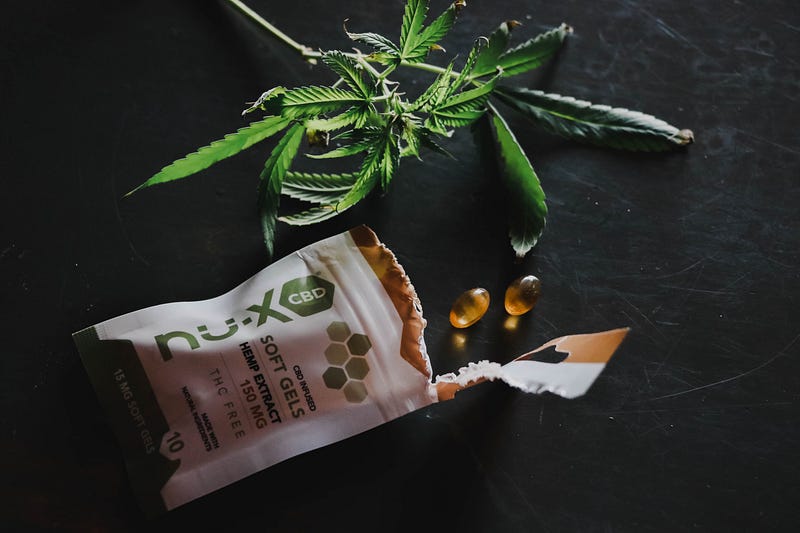
Every trainer is on the prowl for victims, the newbies, to shove supplements down their faces. Wanna lose fat? Take this magical fat burner. Wanna gain weight? This mass gainer is the one for you.
Wanna build muscle super fast? Take this hydrolyzed distilled blah blah whey protein powder.
You don’t NEED any supplement at all. Your diet, workout, and sleep constitute 99% of your results. Supplements can only help give you that 1% edge.
I’ve used a wide variety of supplements in the past. I use none now. Have my results changed? Yes, I am getting better results now. Is that the result of not using supplements?
Yes and No. Yes, because not using any supplements forced me to focus better on my sleep, food, and workout plan. No, because it’s the result of sleeping, eating, and working out well.
The Takeaway
It’s there in the name. Supplements are only meant to “supplement” your fitness routine. First, optimize your diet, workout, and sleep. Only then, think of supplements.
“Your diet, workout, and sleep constitute 99% of your results.”
Even then, most supplements are absolute b.s. The only three supplements in my opinion that have a ton of research backing them and worth looking into are — creatine, caffeine, and whey protein.
4. You Need Fancy Dieting to Lose Weight
The first time I lost weight, I experimented with a wide array of diets — Keto, Paleo, Atkins, etc. Along with losing weight, I lost muscle and strength. I also f*cked up my metabolism and digestion.
Were these the result of the diets? No, but the result of taking them to the extreme. With keto, I completely eliminated carbohydrates and this dealt a huge blow to my workouts thanks to the lack of energy. Not to mention diarrhea which made me even weaker.
“You can lose weight by eating only junk food.”
You don’t need any fancy diet to lose weight. In fact, you don’t even need to eat healthily to lose weight. You can lose weight by eating only junk food.
This is because the ONLY way to lose weight is by being in a calorie deficit. EVERY fancy diet does just this.
The second time I lost weight, it was a breeze — I had an enjoyable diet, slept well, and worked out hard. I lost fat, preserved and even grew some muscle and got into the best shape of my life.
The Takeaway
Fat loss isn’t supposed to be hard. Set up a caloric deficit, include the foods you enjoy, and draft your own diet plan.
The key is sustainability — a sustainable plan may be slower than a stringent one but you will be able to stick to it better and enjoy the process.

5. Being Shredded with Six-Pack Abs Is Healthy
When I was obese, a fun wager with a friend made me seriously take the decision of losing weight, getting shredded, and sporting a six-pack.
I worked hard and by the end of 6 months, I reached my goal, only that I didn’t look or feel the way I had fantasized.
“In a nutshell, I felt and looked like shit.”
I had a six-pack, yes but the muscle and strength loss left me weak and looking skinny. I had developed deep bags under my eyes, a sunken face, and sickly pallor.
I had zero sex drive, very little appetite, and even lesser energy. In a nutshell, I felt and looked like shit.
The Takeaway
Social media and the internet are flooded with images of fitness models with paper-thin skin, bulging veins, and washboard abs who are portrayed as the paragons of health and fitness.
This couldn’t be further from the truth.
Having extremely low body fat is extremely unhealthy. Also, most of them are on anabolics which can have side effects such as hormone disruption, organ damage, and even death.
I am now around 10 kgs heavier, quite bigger, and a bit fatter. I still have a six-pack but one that is barely visible. But I am happy as I feel strong, healthy, and energetic with my present body.
6. You Need 7 Different Exercises to Train Your Biceps
My first workout partner who was also my “mentor” believed in and taught me the “bro-science” of working out. We trained one body part a day and used a ton of exercises to amply “stimulate” and “target” it from different angles.
I remember doing 7 exercises for my biceps. I now do only two and the funny thing is that my biceps are way bigger than they were back then.
With weighted pullups and barbell rows amply thrashing my biceps, only two isolation exercises are enough to finish them off.
The Takeaway
When it comes to exercises, less is better. You don’t need tens of exercises. It’s quality over quantity — prioritize compound lifts and progressive overload.
Use isolation exercises ONLY after your compound lifts. Research has shown compound lifts to be much more effective than isolation ones.
Thanks for reading! If you liked this, you might also like,

You just read another post from In Fitness And In Health: a health and fitness community dedicated to sharing knowledge, lessons, and suggestions to living happier, healthier lives.
If you’d like to join our newsletter and receive more stories like this one, tap here.


