avatarJillian Enright

Free AI web copilot to create summaries, insights and extended knowledge, download it at here

2984

Abstract

ered to reach out and let them know.</p><p id="70c0">If the camp staff are not being proactive, then we have to make that first step and bridge the communication gap.</p><h2 id="48e5">Communicate some more</h2><p id="0cca">When your child has had a post-camp snack and is a little more talkative, try asking specific questions about what they liked or didn’t like about their camp experiences. This is best done over dinner or over casual conversation together, rather than a formal “sit down” or having your child feel interrogated.</p><p id="cd50">Find out what types of activities they most enjoyed, and which aspects of how the camp is run are a good fit for your child. If they say they don’t know, then leave it at that for now. Nothing constructive will come of pushing them for answers.</p><p id="1774">If your child does give you helpful intel, make a note of this. <i>Literally, </i>take a note: when you’re done chatting with your kiddo, write it down for future reference. Next year when you are discussing which summer camps your child wants to attend, both your memories will be a year old and a dollar short (to muddle up an old expression).</p><p id="97a6">Sometimes it’s a specific camp counsellor who can make or break a child’s camp experience, sometimes it’s a theme or topic that the child is really passionate about, and sometimes it’s attending with a friend or meeting and connecting with new friends. Whatever it is for your child, find it and do more of that.</p><figure id="7277"><img src="https://cdn-images-1.readmedium.com/v2/resize:fit:800/1*E6yyp2XKKQ0cjAs_OfuBJg.png"><figcaption>Photo by author</figcaption></figure><p id="b9c0" type="7">Sometimes a camp counsellor can make or break a child’s summer camp experience.</p><h2 id="92cf">Don’t force it</h2><p id="bc70">Finally, if your child just isn’t that <i>into</i> summer camps, don’t force the issue if you don’t absolutely have to. Summer camps can be a wonderful experience for many children, but they can also be overwhelming and stressful environments. They are often loud, busy, hot, and full of strange new people that your child doesn’t know.</p><p id="6130">If your child is miserable attending summer camps, try to find other ways for them to have fun this summer. For example, a low-key playground or swim playdate with a friend, a trip to a quiet off-the-beaten-path beach that won’t be busy, or camping during the week when it’s less busy at the campground.</p><p id="040f">If you need childcare, perhaps you can connect with another family or two whose children all get along well with yours. The families could get together and share childcare responsibilities, allowing the kids to have fun playing together in a lower-pressure environment.</p><p id="5f76">We need to accept our children for who they are, so that they can learn to accept themselves. Sure, all children need to learn skills for getting along in this world, but forcing them into situations that cause them undue str

Options

ess will not help anyone and will only set them back.</p><p id="97b6">Do the best you can to set your children up for success, help them grow their confidence and make some memories.</p><p id="08a4">© Jillian Enright, Neurodiversity MB</p><figure id="cd05"><img src="https://cdn-images-1.readmedium.com/v2/resize:fit:800/1*nvDyUvJOY5bZUwHqnVGW1Q.png"><figcaption>Image created by author</figcaption></figure><p id="cf7e"><i>When you join medium, as a member you’ll have access to unlimited reads for only $5 per month. If you use <a href="https://twoemb.medium.com/membership">my referral link</a>, I’ll earn a small commission, and you’ll earn my undying gratitude.</i></p><p id="0f10"><i>If you’d prefer give a one-time tip, you can <a href="https://ko-fi.com/neurodiversitymb">support my writing on Ko-Fi</a> — also, it’s free to <a href="https://facebook.com/NeurodiversityMB">follow me on Facebook</a> and <a href="https://linkedin.com/in/adhd2emb">LinkedIn</a>!</i></p><h1 id="f2db">Related Stories</h1><div id="f7d0" class="link-block"> <a href="https://readmedium.com/how-do-i-advocate-for-my-child-f1d084bd68b1"> <div> <div> <h2>Be Your Child’s Best Advocate</h2> <div><h3>Advice from a Professional Advocate for Supporting and Effectively Advocating for Your Child at School.</h3></div> <div><p>medium.com</p></div> </div> <div> <div style="background-image: url(https://miro.readmedium.com/v2/resize:fit:320/1*Ce82RfZv8tU-Q9jquCIPXA.jpeg)"></div> </div> </div> </a> </div><div id="b1b5" class="link-block"> <a href="https://readmedium.com/education-planning-for-neurodiverse-students-5d434321f6f3"> <div> <div> <h2>Effective Education Planning</h2> <div><h3>A neurodiversity expert shares must-haves for creating effective Individual Education Plans (IEPs) for students</h3></div> <div><p>medium.com</p></div> </div> <div> <div style="background-image: url(https://miro.readmedium.com/v2/resize:fit:320/1*OE9DixuXtRJ5s9p9L9_6Fw.png)"></div> </div> </div> </a> </div><div id="69ea" class="link-block"> <a href="https://readmedium.com/challenging-behaviours-in-children-c0b26d037451"> <div> <div> <h2>Help with Challenging Behaviours in Children</h2> <div><h3>Expert advice for supporting our children and working through challenging behaviours.</h3></div> <div><p>medium.com</p></div> </div> <div> <div style="background-image: url(https://miro.readmedium.com/v2/resize:fit:320/1*-3noGWBST60rXtAJtlHSmg.jpeg)"></div> </div> </div> </a> </div></article></body>

Parenting

Set Your Child up for Summer Camp Success

Expert tips for helping your child have a fantastic summer

Photo by author

Scout out your camps

Ask other parents of neurodivergent children, post an inquiry on your local online parent group, or contact camps yourself and ask questions.

Ask questions about their staff to camper ratios, training for their camp counsellors, and how they deal with unexpected behaviour.

If you have the luxury of choice, here are some ideal characteristics to look for:

  • Low adult to child radio
  • Experience with neurodivergent children
  • Focus on fun and relationship-building
  • Managing behaviour is done in a caring, compassionate way with a focus on dignity and safety rather than consequences and punishment
  • Open home-camp communication, a willingness to listen to parents and implement their suggestions

Communicate

Be open and honest about your child’s strengths and struggles. Let the camp know exactly what to expect if your child feels overwhelmed or becomes dysregulated, and give them specific tools and strategies to best support your child.

Make an effort to speak briefly with the counsellor at drop-off and pick-up. This can be a hectic time, so don’t expect a prolonged conversation as the children are running around, but do make a point of connecting with the person who’s going to spend most of the day with your child.

At pick-up ask how their day was. Sometimes camp counsellors won’t speak up because they’re worried about offending a parent, or they don’t want to sound like they can’t handle things, but if asked directly they’ll usually give you some information.

Sometimes our children are not the most forthcoming communicators, especially after a long day of fun in the sun, so we won’t necessarily glean helpful information from them.

How was your day?

Good.

What did you do?

I dunno.

Did you have fun?

Yep.

K, good talk.

Sometimes our children are not the most forthcoming communicators, so we won’t necessarily glean helpful information from them.
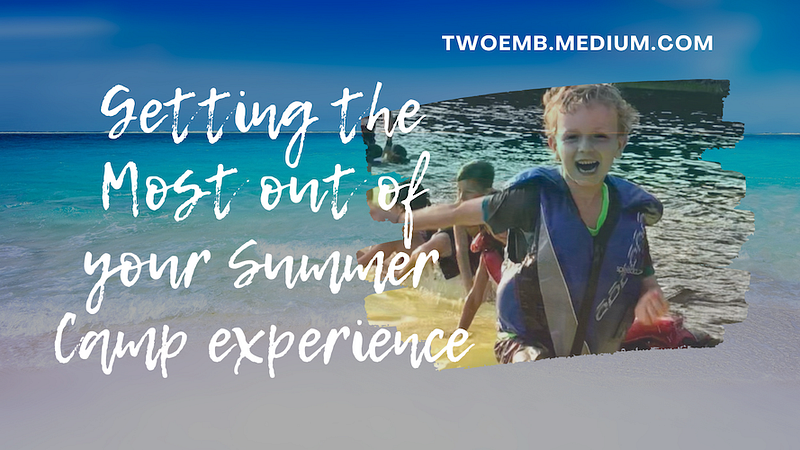
Photo by author

I’ve worked with parents who have been caught off guard after being told their child cannot return to the camp due to behaviour issues. They find out, much too late, that their child was struggling and no one at the camp bothered to reach out and let them know.

If the camp staff are not being proactive, then we have to make that first step and bridge the communication gap.

Communicate some more

When your child has had a post-camp snack and is a little more talkative, try asking specific questions about what they liked or didn’t like about their camp experiences. This is best done over dinner or over casual conversation together, rather than a formal “sit down” or having your child feel interrogated.

Find out what types of activities they most enjoyed, and which aspects of how the camp is run are a good fit for your child. If they say they don’t know, then leave it at that for now. Nothing constructive will come of pushing them for answers.

If your child does give you helpful intel, make a note of this. Literally, take a note: when you’re done chatting with your kiddo, write it down for future reference. Next year when you are discussing which summer camps your child wants to attend, both your memories will be a year old and a dollar short (to muddle up an old expression).

Sometimes it’s a specific camp counsellor who can make or break a child’s camp experience, sometimes it’s a theme or topic that the child is really passionate about, and sometimes it’s attending with a friend or meeting and connecting with new friends. Whatever it is for your child, find it and do more of that.
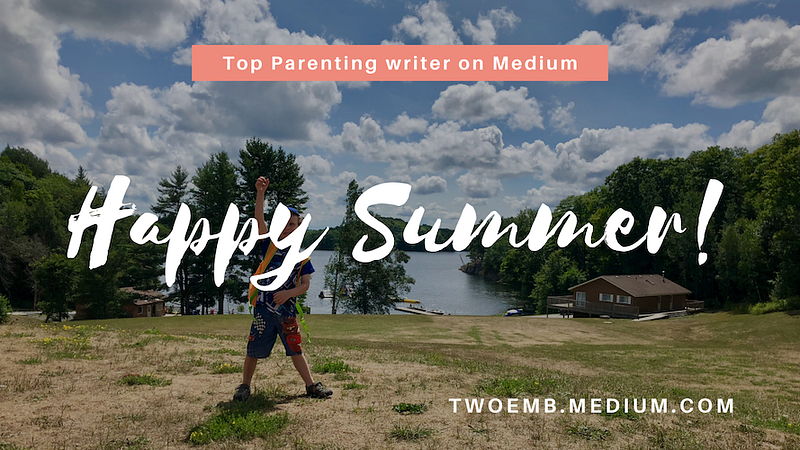
Photo by author

Sometimes a camp counsellor can make or break a child’s summer camp experience.

Don’t force it

Finally, if your child just isn’t that into summer camps, don’t force the issue if you don’t absolutely have to. Summer camps can be a wonderful experience for many children, but they can also be overwhelming and stressful environments. They are often loud, busy, hot, and full of strange new people that your child doesn’t know.

If your child is miserable attending summer camps, try to find other ways for them to have fun this summer. For example, a low-key playground or swim playdate with a friend, a trip to a quiet off-the-beaten-path beach that won’t be busy, or camping during the week when it’s less busy at the campground.

If you need childcare, perhaps you can connect with another family or two whose children all get along well with yours. The families could get together and share childcare responsibilities, allowing the kids to have fun playing together in a lower-pressure environment.

We need to accept our children for who they are, so that they can learn to accept themselves. Sure, all children need to learn skills for getting along in this world, but forcing them into situations that cause them undue stress will not help anyone and will only set them back.

Do the best you can to set your children up for success, help them grow their confidence and make some memories.

© Jillian Enright, Neurodiversity MB

Image created by author

When you join medium, as a member you’ll have access to unlimited reads for only $5 per month. If you use my referral link, I’ll earn a small commission, and you’ll earn my undying gratitude.

If you’d prefer give a one-time tip, you can support my writing on Ko-Fi — also, it’s free to follow me on Facebook and LinkedIn!

Related Stories

Parenting
Mental Health
Neurodiversity
Family
Summer Camp
Recommended from ReadMedium