
Save Time and Money with the Magic of Fried Rice
A basic recipe with dozens of exciting adventures
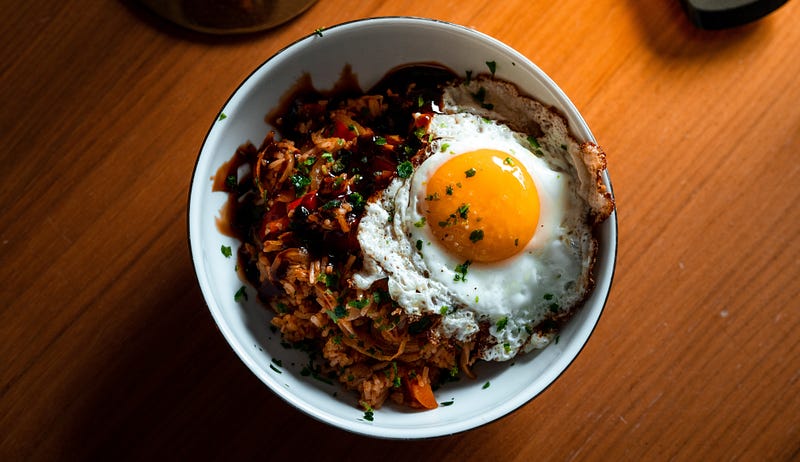
In the spirit of building habits, I have a series of basic recipes that I repeat, to save time and money. One of my all-time favourite comfort foods is fried rice.
With a few basic ingredients, I can comfortably plan ahead and buy in bulk to save money. I can rest easy, reducing decision fatigue on needing to find the recipe I need for every meal. With a given structure, I’m also not locked into one specific recipe and can still stay creative to jazz up meals so that they vary across the week.
The best of both worlds? I think so.
The Basic Ingredients
Rice
Get the scoop from a gal who buys rice in packs of 8kg! (17.6 lbs!)
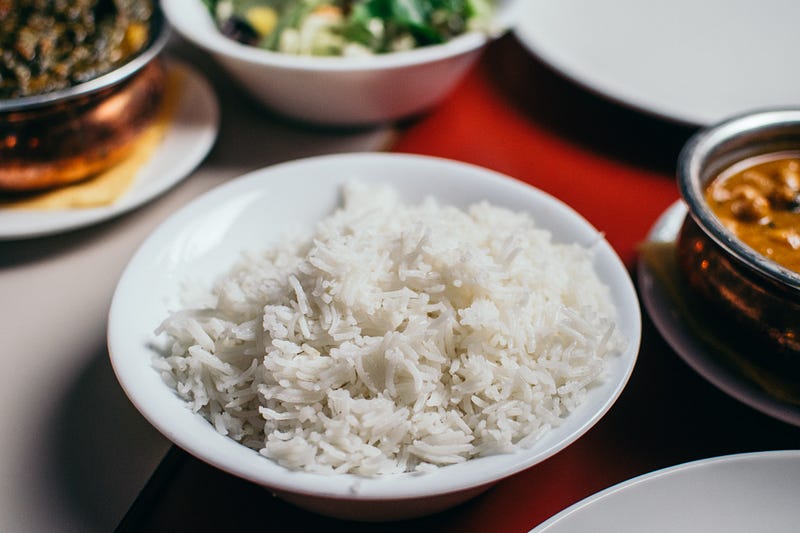
The key to preparing the rice for fried rice is to cook it the day before and to refrigerate it overnight. If you cook fried rice with freshly cooked rice, it might become mushy as you stir-fry.
That’s why as meal prep, I cook several days’ worth of rice in one batch and use the leftover rice for cooking throughout the week.
Hop on this bite-sized review of rice by Alice Toneatto to figure out what rice you might want to use for fried rice!
Sauce & aromatics
The soul of the fried rice comes down to the sauce, aromatics and spices you use.
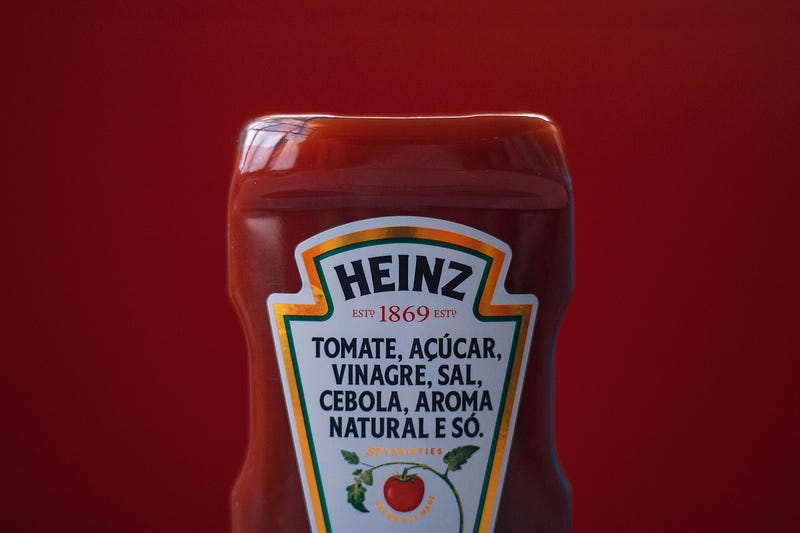
As an adventurous budding chef ready to explore the strangest horizons, I’ve certainly tried some strange sauces. If you want to play it safe, go with soy sauce or teriyaki sauce — both staples in my pantry.
Ketchup fried rice also sounds really weird but is quite popular in Japan, especially when paired with an omelette (i.e., omurice). If you want to take it one step further, ketchup pairs really well with hot sauce; my go-to pairings are with gochujang (for a sweet-spicy flavour) or sriracha (for a sour-spicy flavour).
Adding aromatics like minced garlic, green onion, onion is highly recommended and will certainly fill your kitchen with joyous smells.
My final pro-tip would be to invest in a bottle of sesame oil. This is a flavouring oil rather than cooking oil, so its primary use is as a topping to add depth and dimension to flavour.
Eggs
A review of three techniques.
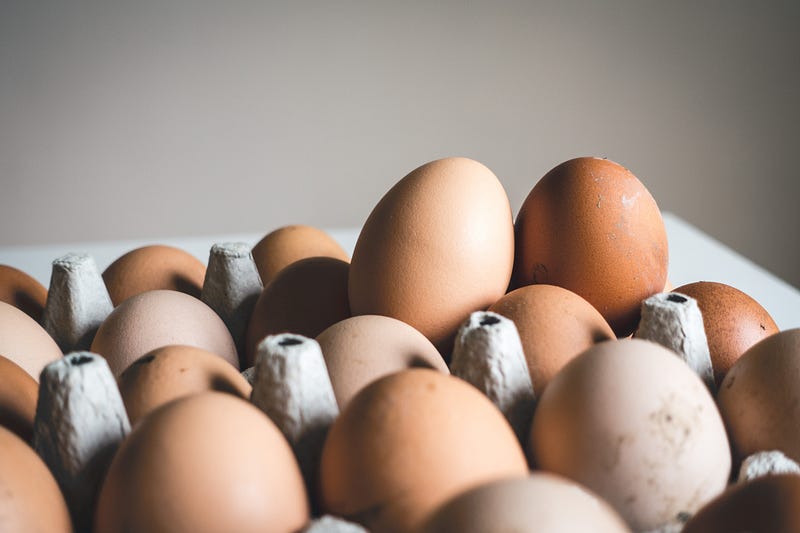
The usual way: Cook the egg separately and then add it to the stir-fry later. This creates the chunks of egg that harmoniously mingle with other ingredients. The downside to this is that you have to commit to washing more than one bowl, and I firmly believe that our cooking lives can be more streamlined than that.
Technique 1: After most of your ingredients are stir-fried together, gently create a hole or well and in the center of your well drop an egg in. Keep stir-frying on medium heat. This achieves the same “chunks of egg” outcome as described above, sans extra bowl to wash.
Technique 2: A lot of Korean recipes actually involve putting eggs and rice into a bowl and mixing it into one concoction before placing it into the pan. This creates a type of fried rice where every single piece of rice is coated in egg, rather than chunks.
Technique 3: Fry the egg on the side, and place it on top of your fried rice like a crown.
Protein
This is where the versatility of fried rice really comes in, so experiment to your heart’s desire!
Leftover meats: Fried rice is a magnificent way of using up leftover meat. If it’s uncooked meat, I would prioritize cooking that first before adding any of the other ingredients. Also, consider that you can absolutely use already cooked meats in this recipe. This could range from leftover charsiu (roasted pork), leftover chicken from taco anything — anything goes. I just take scissors and cut them up right into the pan.
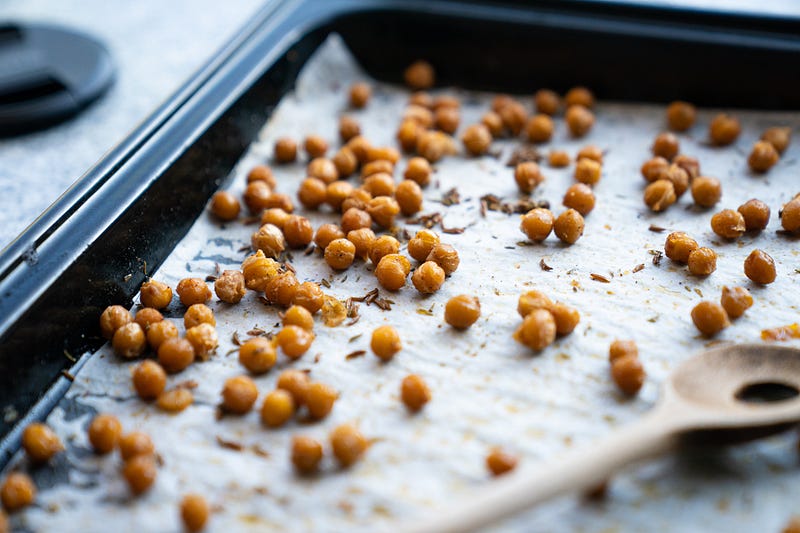
Vegan: I also eat a lot of vegan (or at the very least vegetarian) fried rice as a way to reduce my carbon footprint. For meal prep, I would roast chickpeas until they’re crispy (note: this is also a great snack) and have a bowl handy to rotate in as toppings throughout the week.
For the adventurous: I don’t do these on a regular basis, but seafood makes this good ol’ dish extra fancy. The coolest toppings I’ve had with fried rice include shrimp, tobiko (flying fish roe) and scallop.
Vegetables
In the spirit of keeping you regular and feeding the right amount of nutrients to your brain.
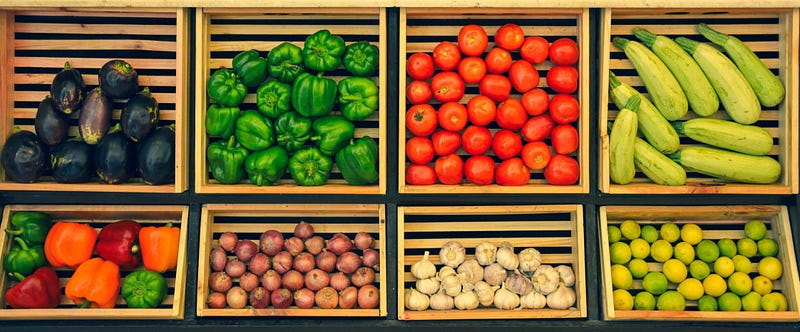
You can pretty much add any kind of vegetable into fried rice, as long as it’s not soggy. Anything that can be chopped into bite-sized pieces will do, which opens up a world of possibilities. This would be a really good place to try mushrooms that you were otherwise skeptical to try; enoki and king oyster mushrooms are my top recommendations.
For those whipping up this dish in a jiffy, having a bag of frozen peas, carrots and/or corn works wonders for this because it takes just a few minutes to heat up in a pan. This is coincidentally the same amount of time it takes the rice to heat up in the pan, so it makes this recipe a lot quicker.
Finishing touches
Just one spoonful of these will make your dish look and taste several times fancier.
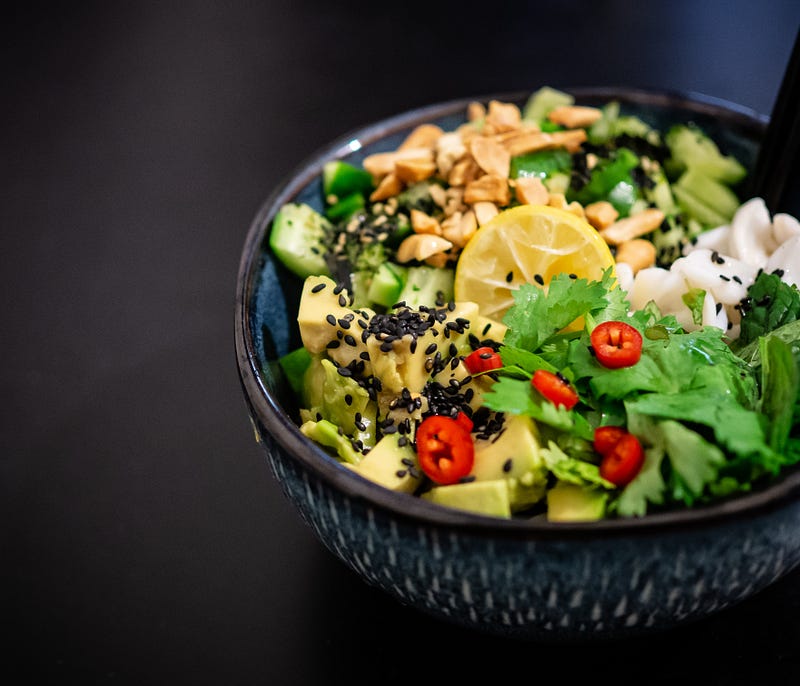
Roasted sesame seeds: You usually can’t taste the sesame seeds, but it adds a nice visual. If you want to amplify the sesame flavour, sesame oil is the secret.
Seaweed strips: Cut seaweed pieces into tiny strips and you’ve unlocked the restaurant aesthetic you find in a lot of rice and noodle dishes!
Green onions: Top off your dish with some green onions (fresh, if you want to grow some at home). Slice them diagonally for that fancy look.
Steps
The best thing about this base recipe is that you can pretty much do whatever you want, as long as you cook the ingredients through. This is the order that I typically use:
- aromatics (toast them first to really get that flavour out)
- meats, frozen foods (anything that needs to be cooked longer)
- rice (and other things that don’t need to be cooked as long)
- sauce and any additional seasoning
- egg (using technique 1)
- “finishing touches”
What I’ve learned is that even if I “mess up” and go in the wrong order, I can just keep going and make notes for the next time. Sometimes mistakes are serendipitous, opening up culinary discoveries you didn’t expect.
Once I got distracted by phone notifications and it created a slight char on the bottom layer of my rice. Sure, I had a quick panic on whether I had burned the whole batch, but it turns out that it adds a nice crunch to the rice, similar to the concept of Persian Tahdig or Chinese Scorched Rice.
Summary
Having a basic recipe like fried rice saves money and time spent making repeat decisions, automating the boring parts of cooking.
It also holds space for creativity and serendipitous recipe discoveries that these combinations can engender, making time for the fun parts of cooking.
Lucy (The Eggcademic) [she/her] is an avid foodie, always eggcited to hear about other recipes and food tips that others have to share!


