
Oyster sauce and XO sauce: a dive into umami
Welcome to “concepts explained really badly by someone who spent most of her life overseas but watched a lot of tv shows and derives her entire concept of her home country from her parents, tv shows and select other people in her life”.
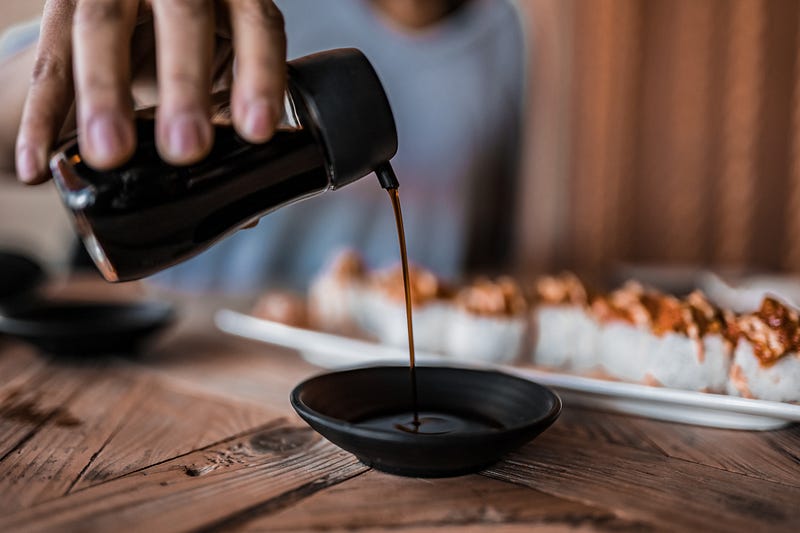
This week, we’re talking about Chinese sauces that are made from dried seafood. Inspiration for this topic came from a passionate late-night rant about how real Chinese sauces “hit different”, and the western approximations of the same substances just don’t scratch that exact itch. One good example is soy sauce. The local VH brand soy sauce really just tastes like dark salted water, whereas something like Lee Kum Kee actually has the unique flavour profile of soy sauce.
Chinese recipes also specify light or dark soy sauce, referring to the time spent fermenting soy beans. Light soy sauce is for the saltier flavouring and dark soy sauce is for creating the correct sauce viscosity and colour. Here at local supermarkets, you can only get “soy sauce”. It’s upsetting because it has the appearance of dark soy sauce but the flavouring is saltier, which throws off my ability to gauge how much I’m supposed to put into a dish.
But this article isn’t about soy sauce.
This article is about sauces made from dried seafood.
Oyster sauce: explained badly
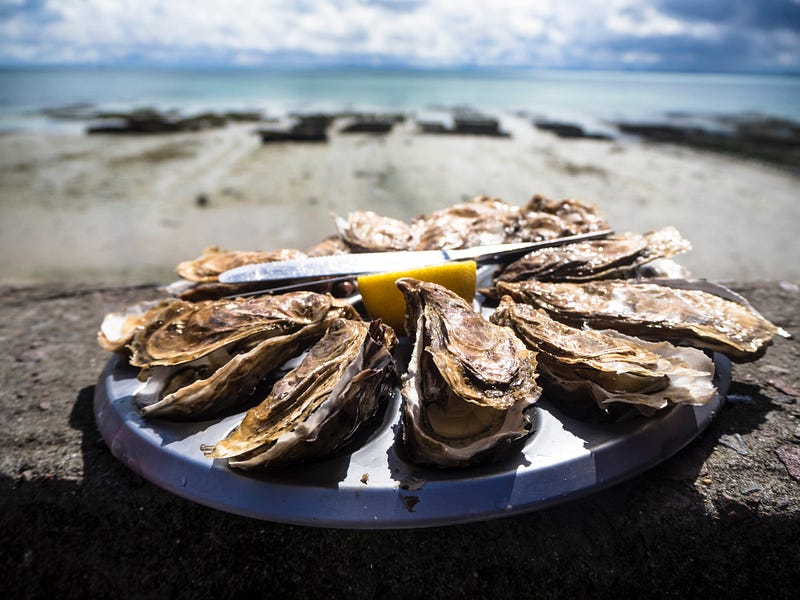
What it looks like/ tastes like:
- Viscous, thicker version of soy sauce
- Deeper flavour, and I just want to throw the word umami (meaty flavour) around, just to be fancy
- If we’re at a restaurant they put this on choi (vegetables of all sort)
How it’s probably made:
- Seeing that it’s named Oyster Sauce, I imagine that they’re made from oysters
- Seeing that the sauce is brown in colour, it’s probably made from Dried Oysters, which were honestly the bane of my childhood existence because my mom put this in all congee (rice porridge). Dried oysters have a chewy skirt part and a softer, firm (like a firm tofu) texture to the round part, which my mom insisted was where the oyster stored all its poo. The flavour is super pungent and strong, salty, oystery. Umami.
- Somehow, these dried oysters are simmered down in more seasoning and reduced to a sauce.
The real answers from real professionals:
- Presumably an ad from Lee Kum Kee: so it’s actually made from FRESH Oysters based on the video oops
- Wait no according to this, it’s a byproduct from making dried oyster
XO sauce: explained badly
What it looks like:
- Tiny jars that are expensive
- Sauce that looks like oyster sauce, with tiny light brown filaments inside
- Very good, a little spicy, has a deep umami flavour.
How it’s probably made:
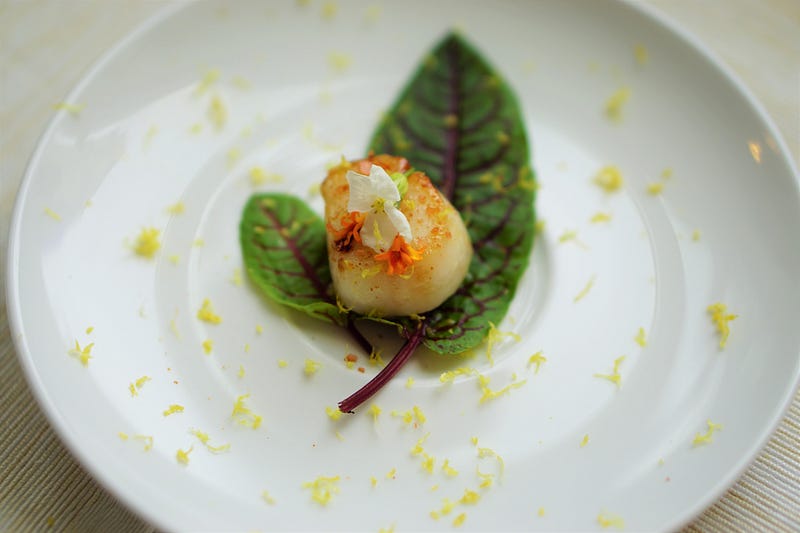
- I don’t know what the sauce is made from but the little filaments are dried scallops
- Probably the same way oyster sauce is made but dried scallops are dropped in and cooked, and then pulled apart the way you’d pull apart pulled pork
The real answers from real professionals:
My hypothesis on why these sauces “hit differently”
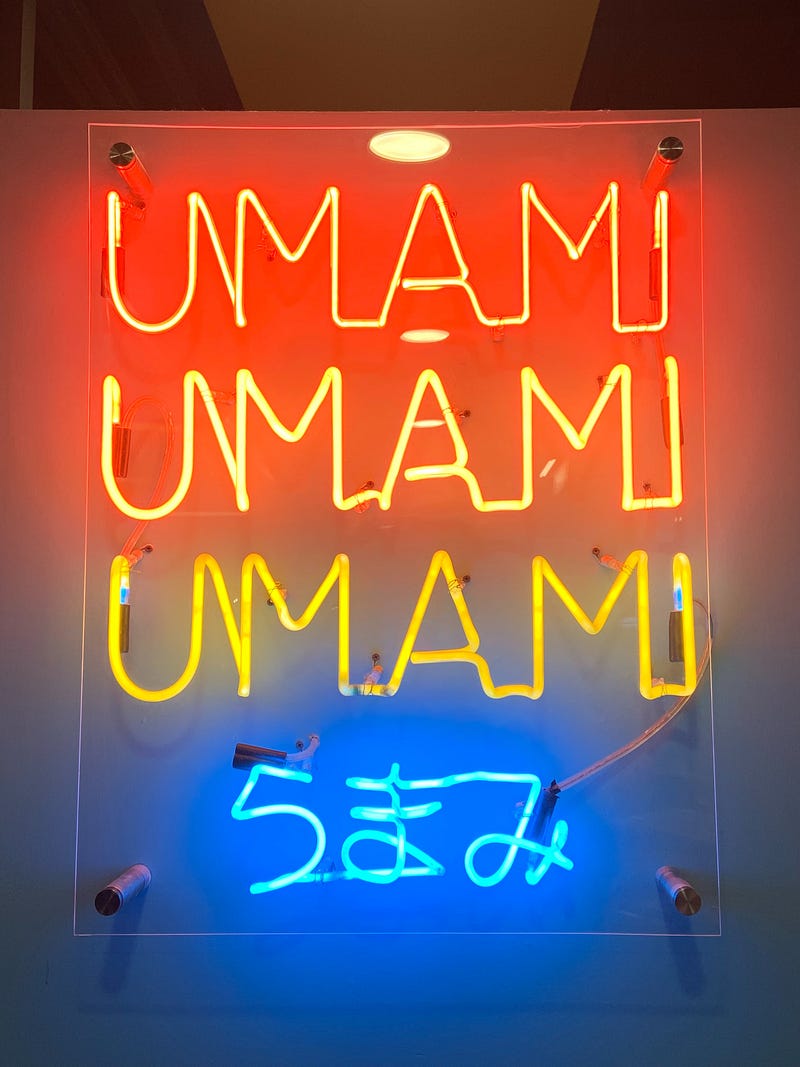
umami (definition from wikipedia)
Umami or savory taste is one of the five basic tastes (together with sweetness, sourness, bitterness, and saltiness). It has been described as savory and is characteristic of broths and cooked meats.
My guess is that when you have a sauce made seafood, and dried seafood (that removes all the water content and concentrates that flavour) you create a sauce that has all the elements for creating a nice umami dish. So when you add it to a dish, it brings out a much deeper flavour than if you just use salt.
There we have it, a series of my fuzzy take on some of the best sauces out there and why the dried seafood adds that extra umami punch to it.
Did this inspire you to learn more about other types of sauces? To try it out? Or have I turned you off from ever trying any of these now that you know dried seafood are the core components of these sauces?
Let me know! Tweet me other suggestions for things I should explain badly, as I am surely able to do that more often.